





 Portuguese
  English
  Spanish
  4 min of reading
  0 comments


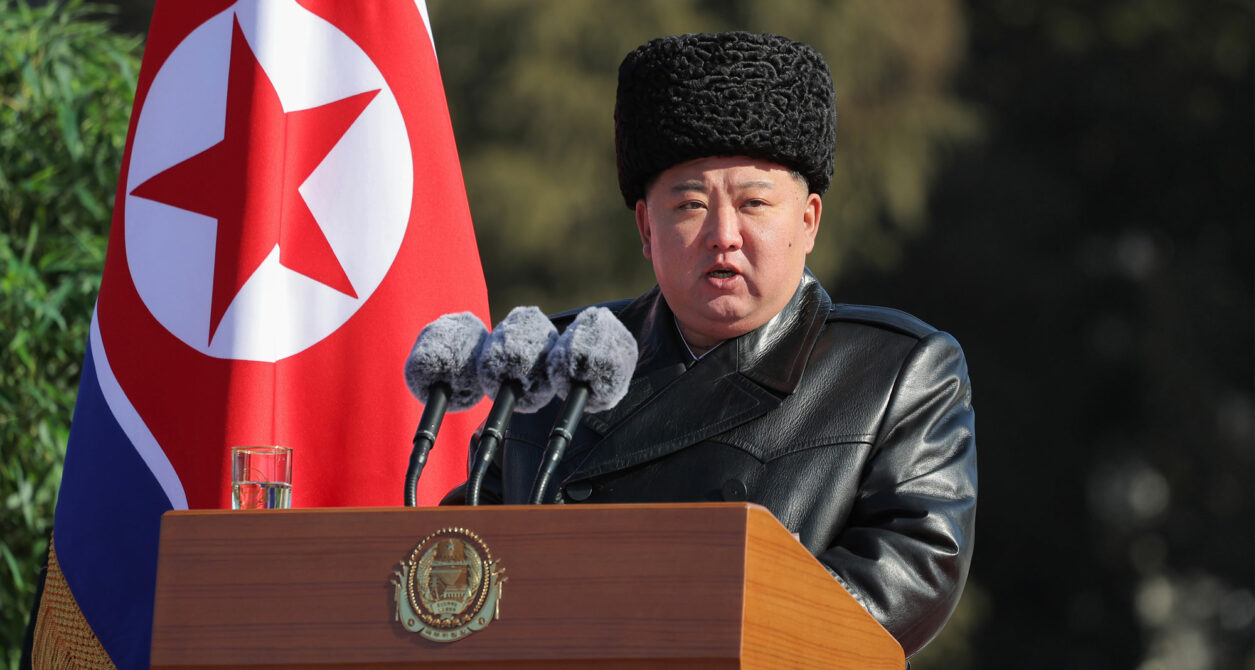
Know The Strictest And Most Unusual Laws Of North Korea That Affect The Daily Life Of The Population And Reflect The Tight Control Of The Government Over Society
North Korea is known for being one of the most closed countries in the world. Over time, stories shared by people who left the country further increase curiosity about the laws that govern local life.
Some of these restrictions may seem surprising to those living in more open societies. There are laws that even prescribe severe punishments for practices that are common elsewhere.
In this article, we will explore some of these curious laws and understand how they impact the daily lives of North Korean citizens.
-
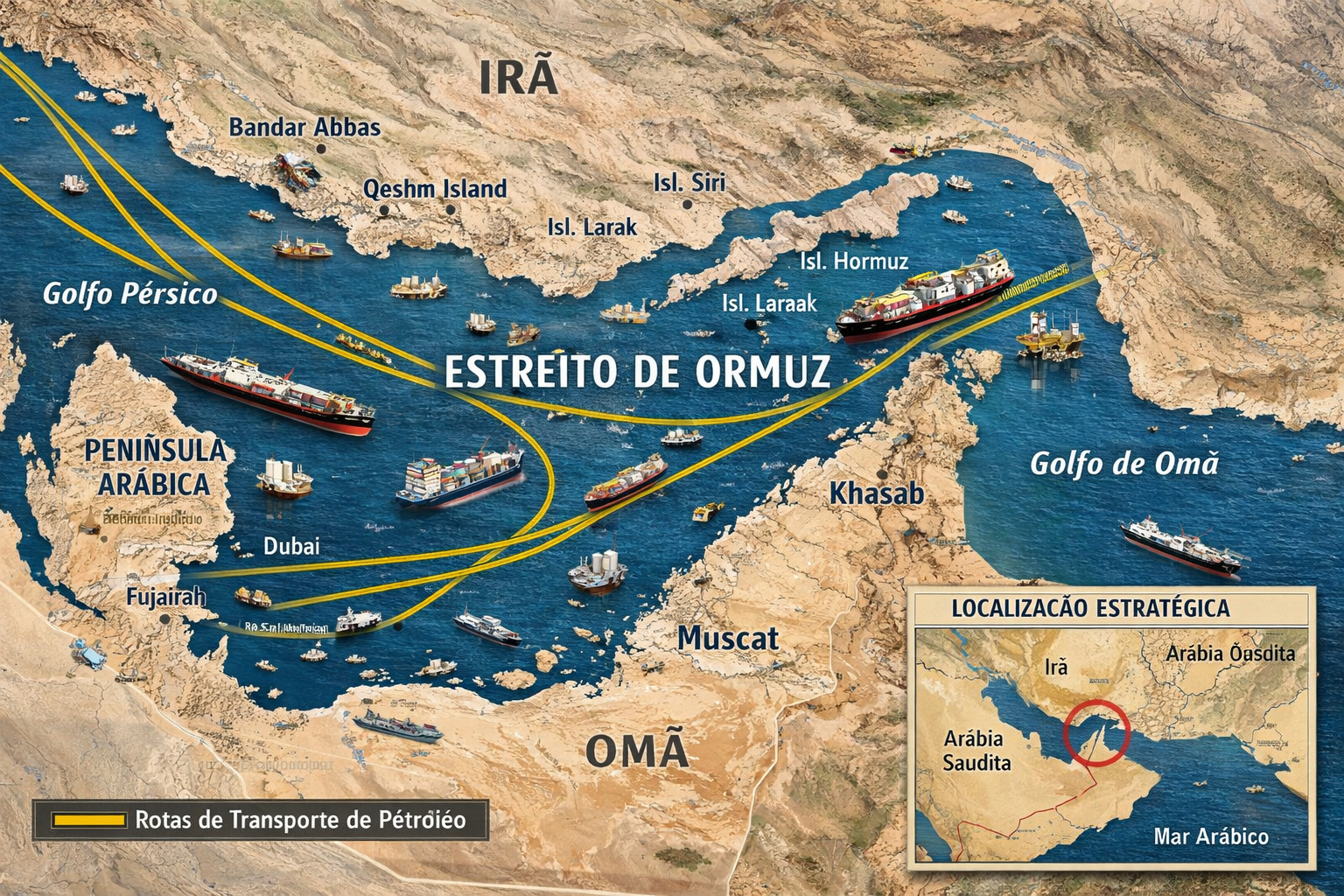
Global summit with over 40 countries pressures Iran for a blockade in the Strait of Hormuz and warns of direct impact on oil, food, and the global economy.
-
Russia has broken the U.S. maritime blockade to send oil to Cuba and is now loading a second ship while Trump says that “Cuba is next” in a possible military action against the island.

-
Spain challenges the USA and closes its airspace for operations against Iran, raising global tension and provoking the threat of a trade rupture.

-
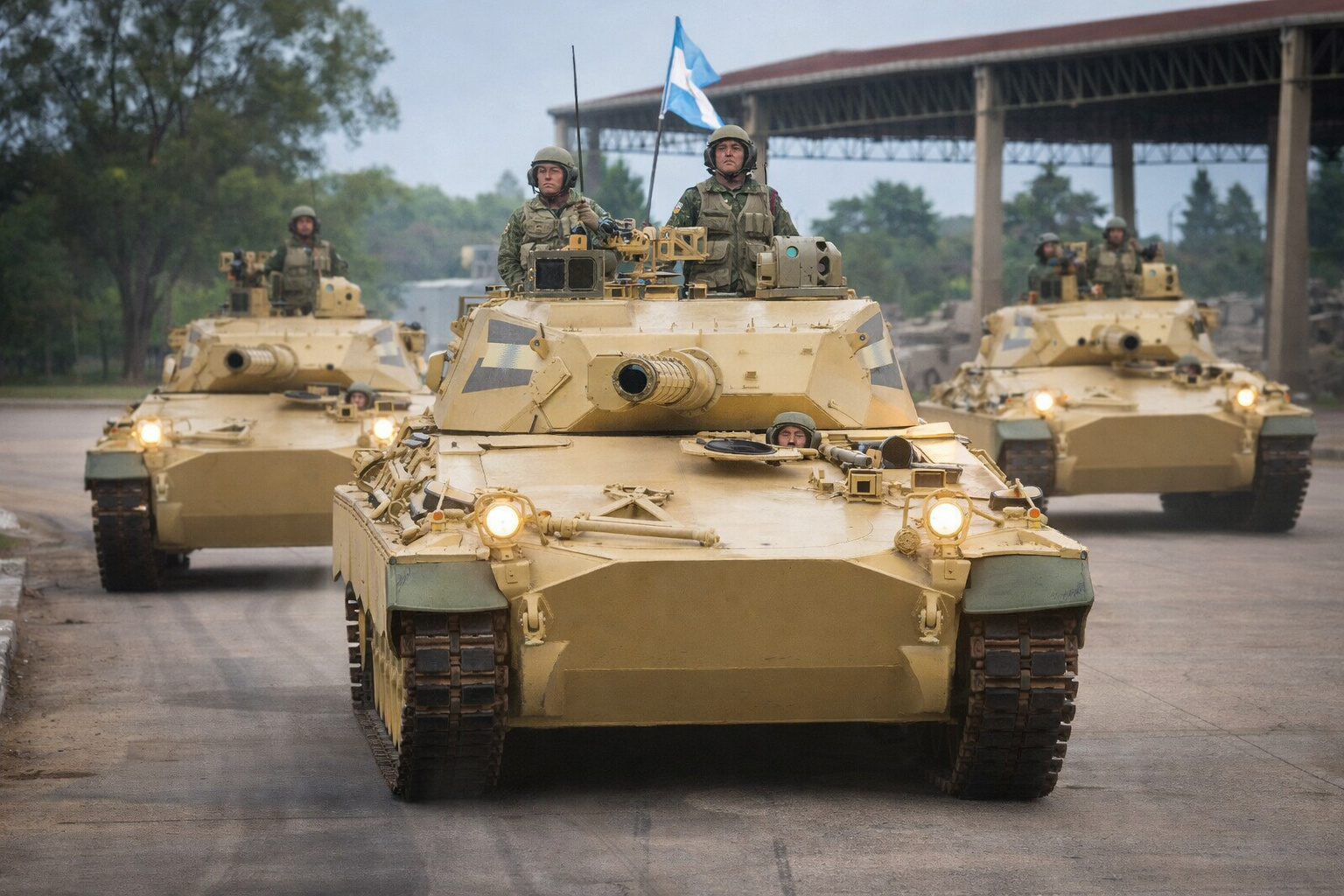
While no other country manufactures tanks in Latin America, Argentina activates the TAM 2C-A2 and raises a curiosity about the technological lag in the region.

Restricted Access To The Internet And Media
One of the most notable aspects of life in North Korea is the strict control over access to information. The global internet, as known in the rest of the world, is not available to the general population.
Instead, citizens use an intranet called Kwangmyong, created in 2000. This domestic network offers limited access to 28 websites, used for professional and educational purposes, as well as for disseminating local information.
Access to the global Internet is restricted to very specific groups and always under supervision. Even the use of Wi-Fi is prohibited, including in the country’s diplomatic representations abroad. This limitation ensures the informational isolation of the population from external content.
Use Of Cell Phones: Controlled Communication
The use of cell phones has grown in recent years, but access remains highly controlled. The devices sold and used in the country are programmed to prevent any communication with the outside.
Those who attempt to bypass this rule may face severe punishments. In one reported case, a citizen was executed for making international calls.
These restrictions keep internal communication under total control, limiting access to external information. Thus, local authorities ensure that the flow of information remains regulated.
Prohibition Of Foreign Literature
Books, magazines, and foreign films are banned in North Korea. Being found with any such material can lead to severe punishments, ranging from forced labor to, in extreme cases, the death penalty.
Distribution of content such as pornography can also lead to severe punishments. There are also reports of punishments for peculiar behaviors, such as talking in one’s sleep during official events.
Additionally, the country adopts a family responsibility practice, where parents can be held accountable for the actions of an individual who violates certain rules, such as suicide, for example.
Prohibition Of Jeans And Unapproved Hairstyles
Citizens of North Korea adhere to a strict dress and appearance code. Wearing jeans, for example, is prohibited, as the item is considered a symbol of external cultures.
Regarding hairstyles, there is an official list of 28 permitted styles — 18 for women and 10 for men. Those who disregard these guidelines may be penalized.
These norms reinforce cultural uniformity and prevent the adoption of external trends. Appearance becomes yet another controlled aspect of daily life.
Recent Restrictions: Prohibition Of Laughing And Surrendering Pets
Some rules established in recent years demonstrate the high level of control over aspects of personal life. In 2021, during the mourning period for the death of a former national leader, laughing was prohibited for 11 days.
During this period, the population was also prohibited from shopping or consuming alcoholic beverages.
Another example occurred during the Covid-19 pandemic in 2020 when citizens were instructed to surrender their pets.
The justification presented was to combat what was called “external cultural decadence.” However, it is speculated that the measure could also be related to food scarcity.
Travel Restrictions
The freedom of movement in and out of the country is quite limited. To travel, even between cities, it is necessary to obtain official permits. Attempting to leave the country without authorization can lead to severe penalties, including forced labor or even the death penalty.
This limitation prevents external information and reports from influencing the local population. Additionally, it helps maintain cultural uniformity, avoiding contacts that may bring outside ideas.
Why Do These Laws Exist?
These laws play an essential role in preserving local culture and lifestyle. By restricting access to external information and regular behaviors, authorities ensure that the population follows an established cultural standard.
With information from O Antagonista.









-

-

2 pessoas reagiram a isso.