





 Portuguese
  English
  Spanish
 3 min of reading


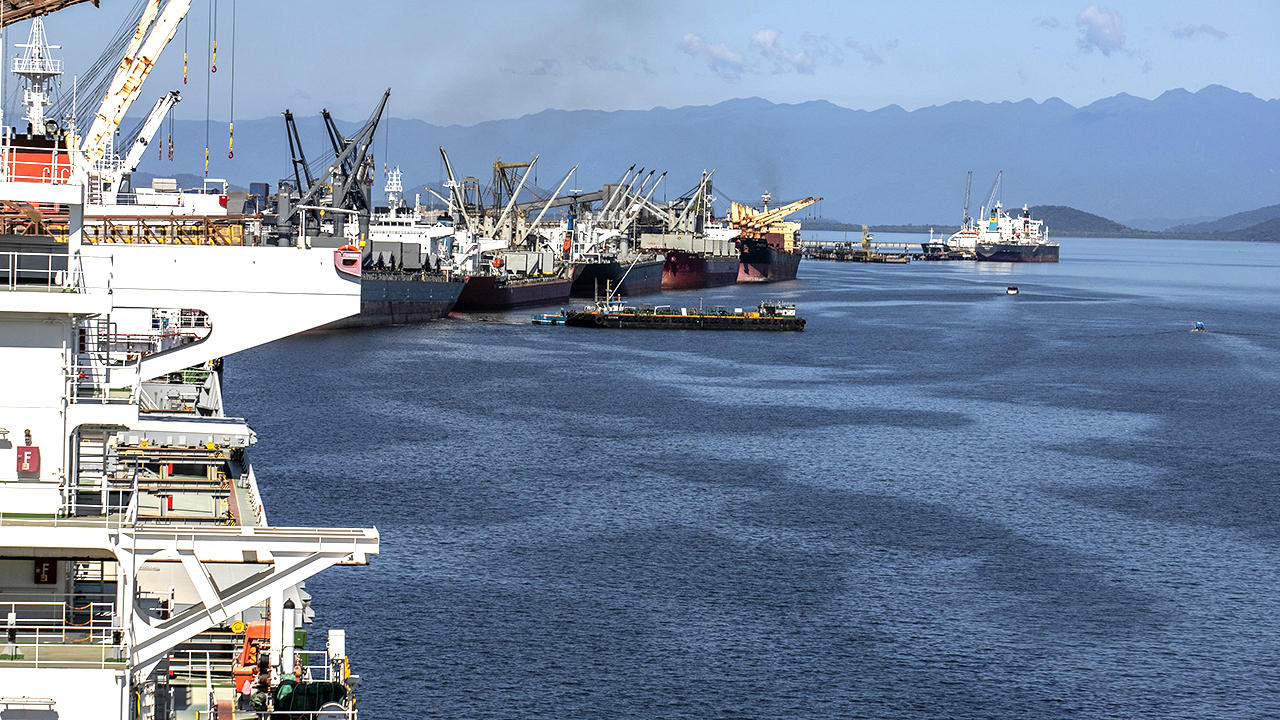
Between the Ports of Paraná, the demand for liquid cargoes was the most expressive in the maritime transport sector. Even though the segment represented only 15% of the overall movement of the state ports. At the Port of Paranaguá last year, 627 vessels docked, which represents an increase equal to the segment’s representation, 15%. In terms of the volume of loading and unloading of liquid bulk, in Paranaguá, there was a 10% increase in the number of tons, 8.7 million passed through the site.
Diesel oil and soybean oil are the main ones in the Brazilian import and export ranking. The first accounts for almost 46% of total liquids in the country, 2.6 million tons. The latter exports almost 65% of the total that Brazil exports, approximately 1.5 million tons. Regarding diesel oil imports, there was no significant increase in the numbers; however, concerning soybean oil exports, the increase was 27%, representing 1.1 million tons during the same period.
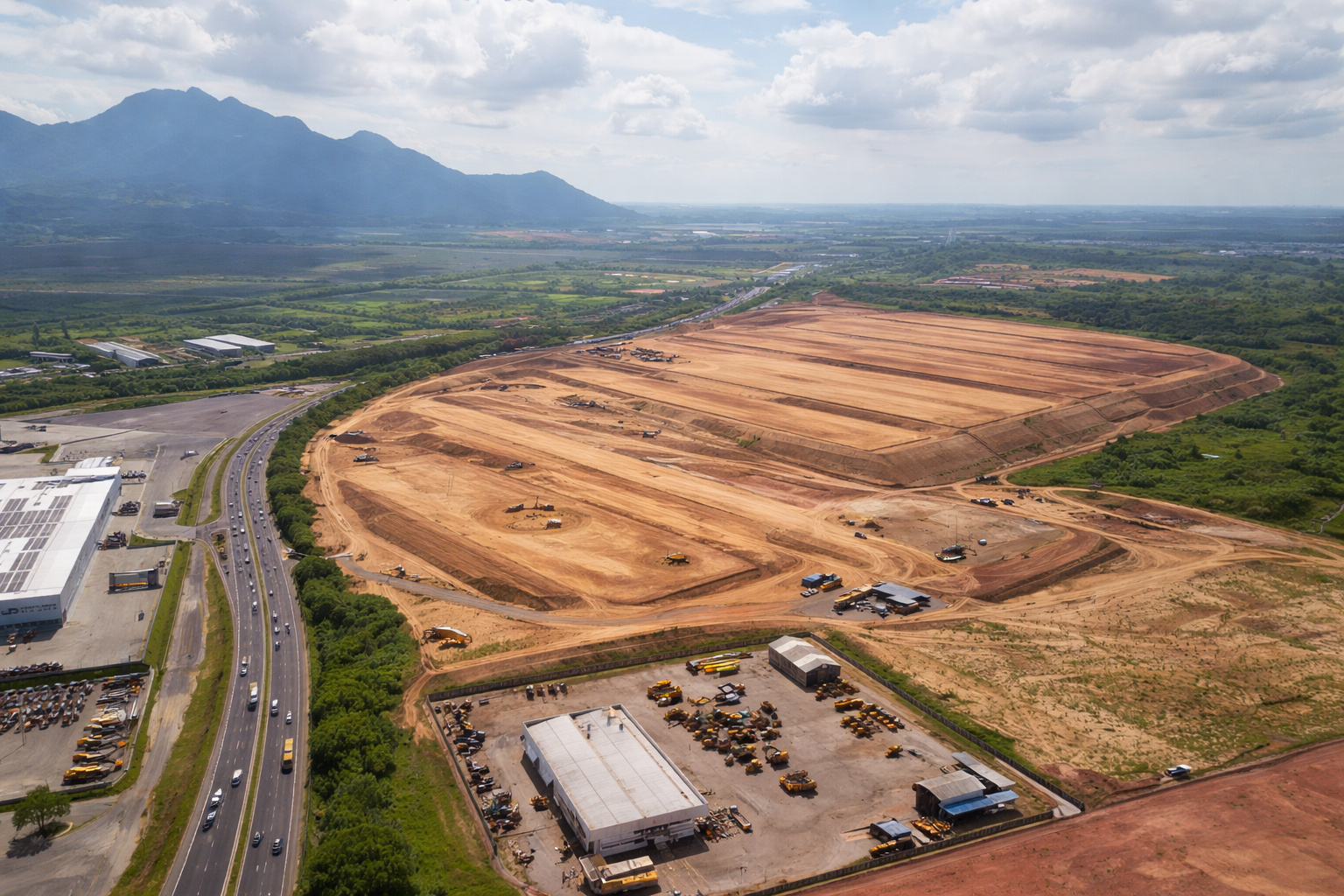
With these 84 additional liquid ships registered compared to 2021, the Port of Paranaguá has been studying strategies to meet this growing demand. The location has approximately 85,000 square meters exclusively prepared for servicing this maritime transport sector.
On February 24th, there is an auction planned for the area at the B3 stock exchange. Experts predict investments exceeding R$ 330 million, aimed at expanding the movement and storage of liquids in the state of Paraná.
-
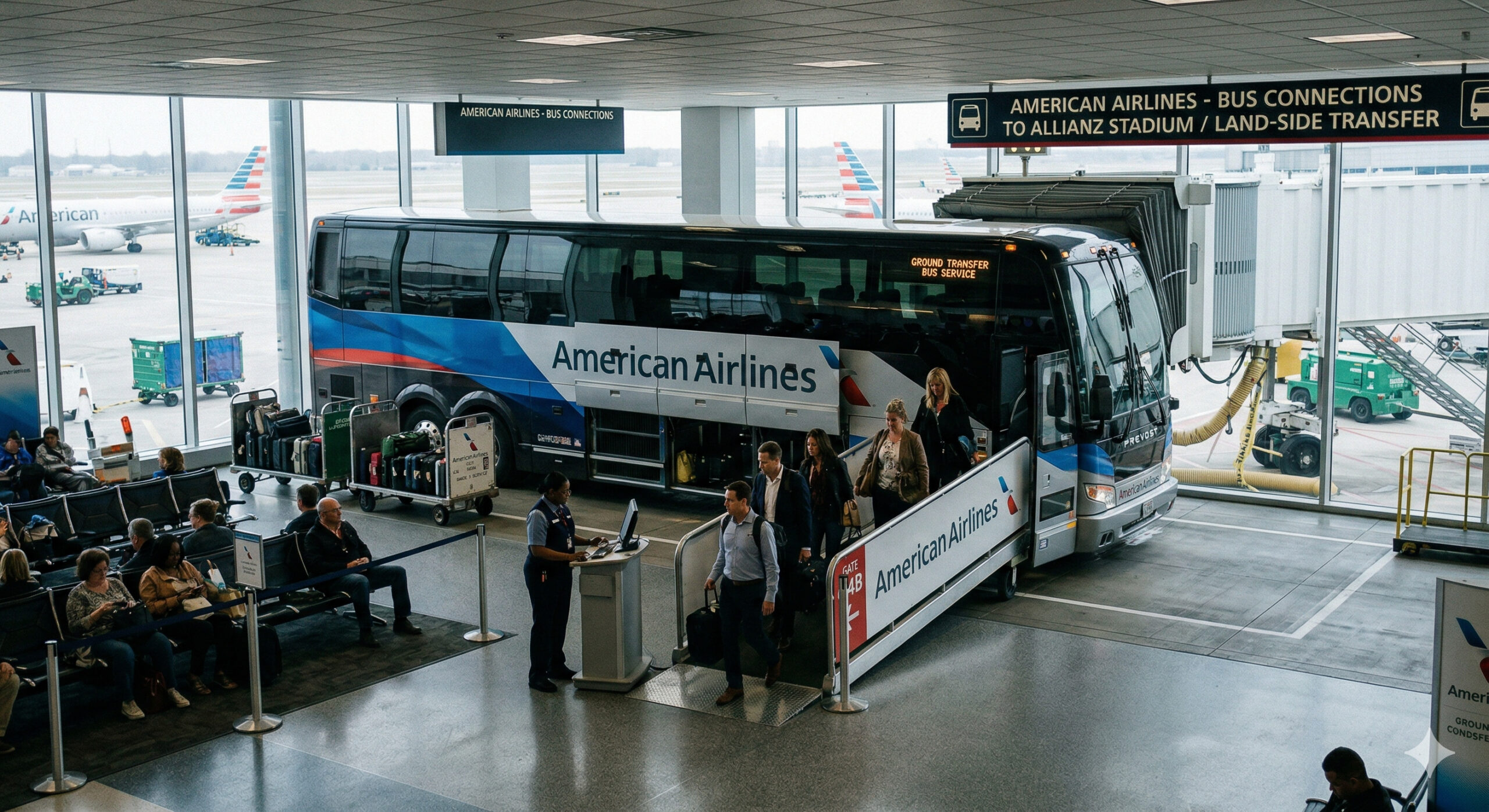
American Airlines starts selling trips as if they were flights, with check-in and baggage check at the airport, but on short routes, passengers board luxury buses connecting cities to major hubs in the U.S.
-
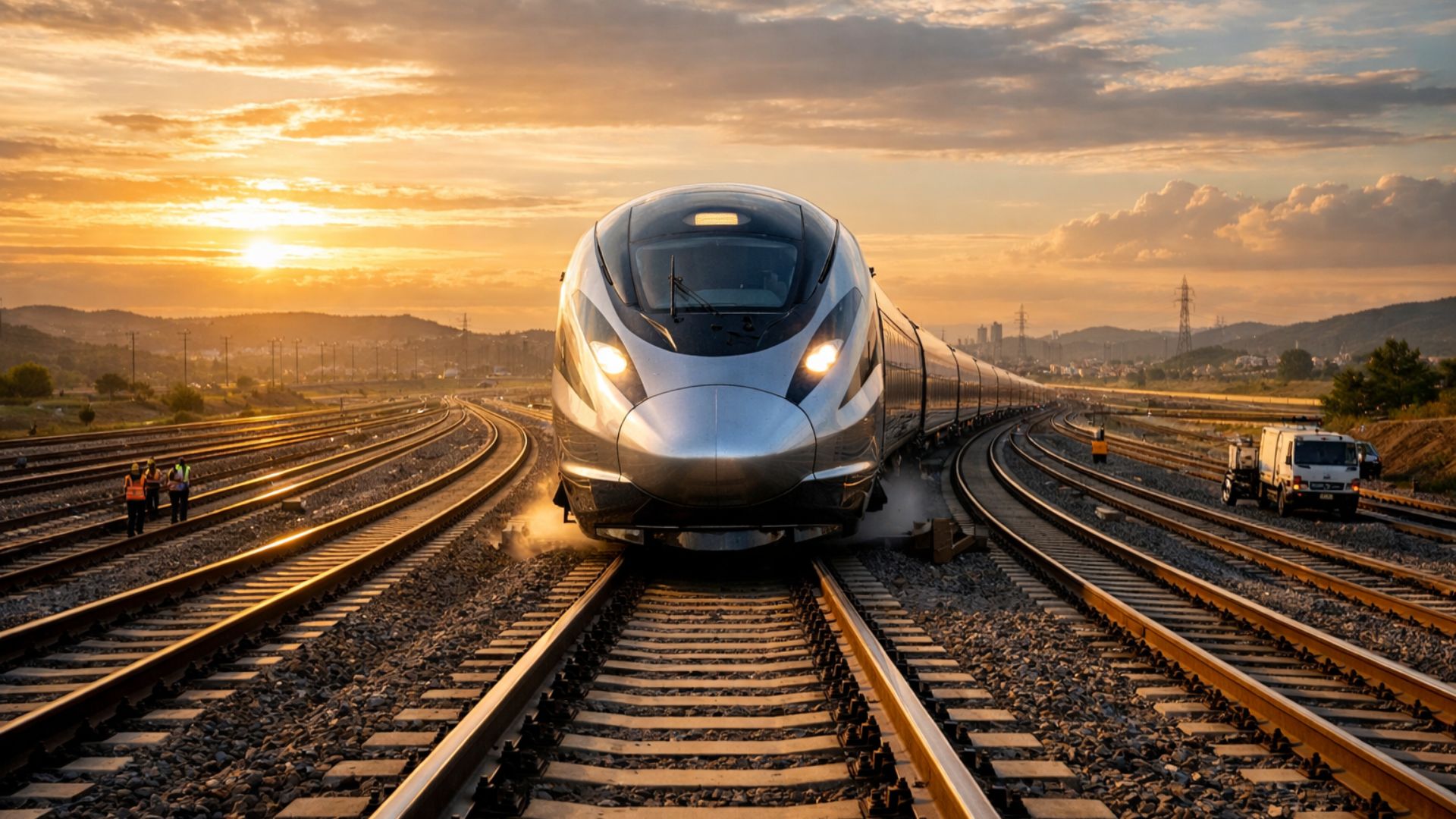
São Paulo surprises the world with a colossal railway network project that promises over 1,000 km of tracks, R$ 194 billion in investments, and 40 projects connecting the capital to the interior with fast and sustainable trains.
-
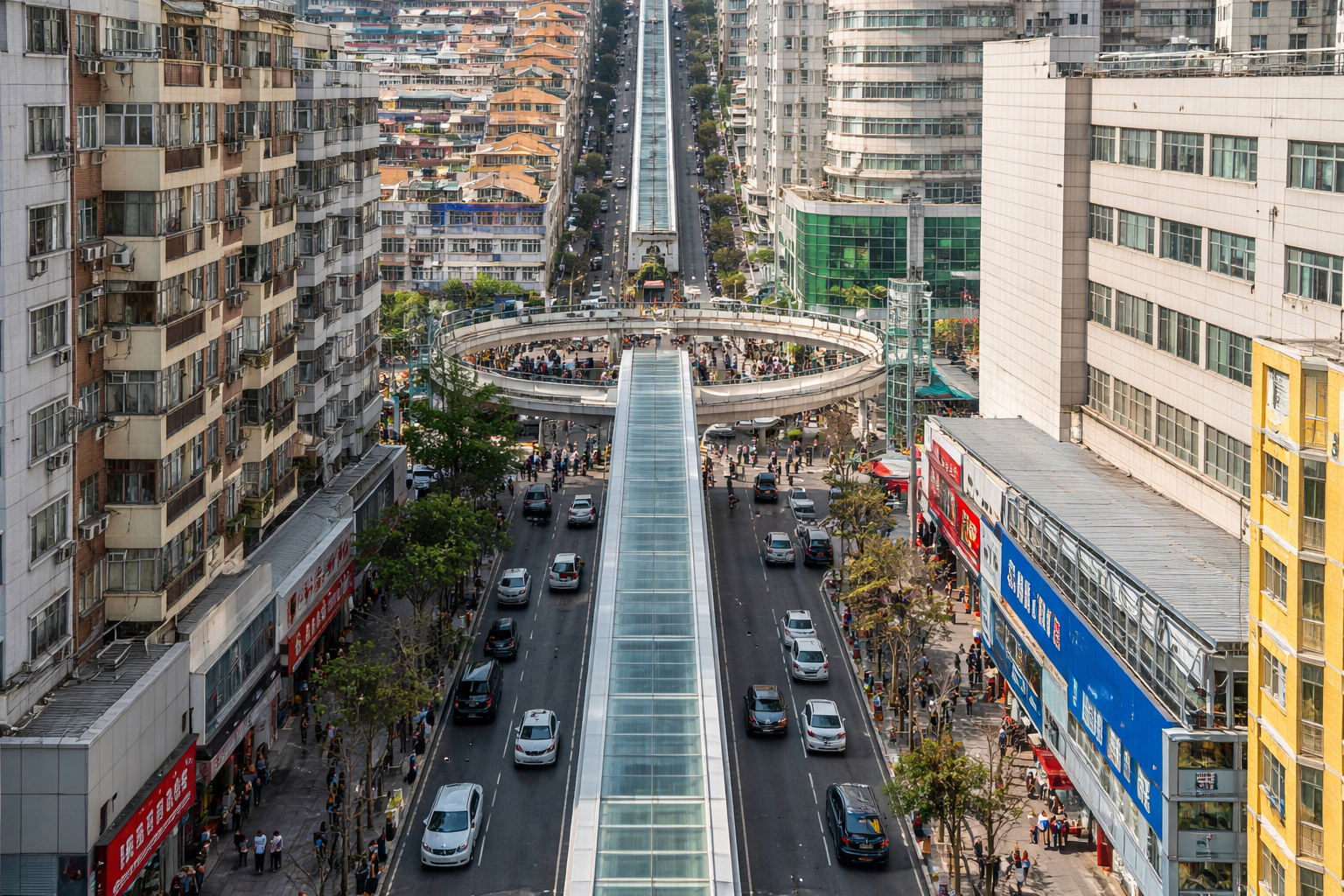
The world’s largest escalator, measuring 905 meters in China, reduces urban travel time from 1 hour to about 20 minutes and transforms mobility in mountainous regions with an engineering solution adapted to the terrain.
-
A R$ 300 million logistics giant is taking shape in Serra with over 100,000 m² and raises a question: how can this transform e-commerce and distribution in the state?

Growing Demand Since 2019
26% was the percentage increase recorded by the Port of Paranaguá between 2019 and 2022. There were 2.6 million tons in the first year, and the following year, 7.6 million. In 2022, the public pier, which has two berths, saw an 11% increase in dockings. In the private terminal of Cattalini, the largest private liquid terminal in Brazil, the figures for the period were 20% higher. In addition to Cattalini, other companies are operating with liquid bulk at the Port, including Alcopar, CBL, CPA, Fospar, União Vopak, Petrobras, and Navemestra.
Returning to imports and exports, the volume was the highlight for imports, 5.1 million tons in 2022. For exports, the percentage increase is noteworthy, with about 2 million tons of liquids unloaded by the Port of Paranaguá, representing a 31% increase.
The Brazilian maritime sector imported in 2022, besides diesel oil and soybean oil, liquid bulk exports include gasoline, methanol, fuel oil, sodium hydroxide in aqueous solution, crude palm oils, LPG, sulfuric acid, palm kernel oil, alimet, naphthas for petrochemicals, isononanol, coconut oil and butter, sodium methylate in methanol, crude petroleum oils, caustic soda, sodium or potassium peroxides, and crude sunflower oil.
Among the exported cargoes are, in addition to soybean oil and diesel oil, fuel oil, ethyl alcohol, biodiesel and its blends, corn oil, palm kernel oils, glycerol crude, and turnip oils.








Seja o primeiro a reagir!