





 English
  Francês
  Alemão
  Italiano
  Japonês
  Norueguês
  Portuguese
  Spanish
  4 min of reading
  0 comments


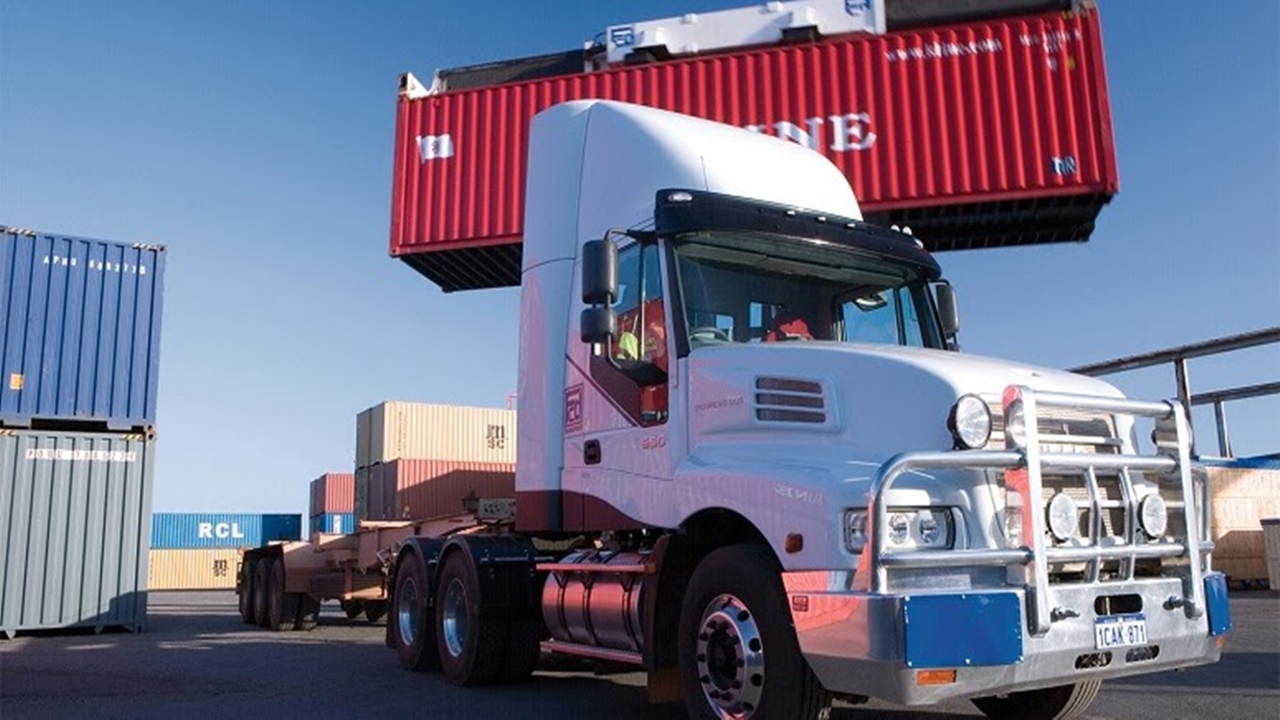
Machine Learning In Freight Transport Should Not Be Seen As A Trend, But Rather As A Necessity For Carriers That Want To Remain Competitive
It’s hard not to think that technology has reached all sectors and that it uses modern resources. Machine learning in freight transport has brought innovations and allowed companies to have a new perspective. This happened because machine learning ensures greater efficiency in the process and makes the organization more competitive. However, not all technology can be considered machine learning. See below and learn about its benefits.
Also Read
- Pirelli Calls Candidates Without Experience In Technical And Higher Education For Positions At Its Factories In SP And BA, In The 2022 Internship Program
- Resume And Work Card In Hand To Compete For A Job Fair On Saturday (09/18); No Experience Needed For Offshore Work
- Shell And Equinor Announced Yesterday (09/13) Billion-Dollar Investments To Support The Naval, Offshore, And Oil And Gas Industry In Rio De Janeiro
- Multinational Toyota Will Halt Production Of Corolla Sedan Vehicles At Its Factory And Place Employees On Collective Leave
- Leading Company In Tented Warehouses Offers More Than 100 Job Openings At Its Factories In SP, RJ, BA, MG, And PA For Positions Such As Operator, Helper, Welder, Locksmith, Electrician, And More
What Is Machine Learning?
Machine learning in freight transport is machine learning itself. It is related to artificial intelligence, as the machine can learn on its own.
Through a large amount of data, the computer can analyze statistical models and learn from them. By observing patterns, learning occurs that allows machines to make decisions without significant human intervention.
-
São Paulo surprises the world with a colossal railway network project that promises over 1,000 km of tracks, R$ 194 billion in investments, and 40 projects connecting the capital to the interior with fast and sustainable trains.
-
The world’s largest escalator, measuring 905 meters in China, reduces urban travel time from 1 hour to about 20 minutes and transforms mobility in mountainous regions with an engineering solution adapted to the terrain.

-
A R$ 300 million logistics giant is taking shape in Serra with over 100,000 m² and raises a question: how can this transform e-commerce and distribution in the state?
-
Could Uber Rides Lose Minimum Fare? Understand What’s Happening!


This is a model where algorithms are not statistical; they learn to react according to the data they receive. This allows each machine to follow a different path in its learning.
This is a trend that has been adopted in different forms of transport, including public transportation.
The Benefits Of Machine Learning In Freight Transport
It’s not by chance that organizations are investing in machine learning in freight transport. This technology has brought several advantages and benefits, including:
Enhanced Pricing
The more transports are made, the greater the amount of data the machine has access to. This allows for improved pricing of the service.
It is possible to determine values that allow the organization to achieve the expected revenue and cover all costs. It also enables competitive pricing by analyzing how to reduce waste, for example, by carrying two loads on the same trip.
Machine Learning Optimizes Freight Transport
Machine learning understands how freight transport will be carried out. It can determine the best route to take, the type of vehicle to be used, operational costs, and improvements to be implemented.
A complete survey of the entire logistics transport chain for delivery and reverse logistics is conducted to achieve optimization.
Anticipation Of Demand
The statistical model created can be used to predict demand and understand periods of idleness. During slow periods, it is possible to look for alternatives to avoid wasting time and resources.
When demand increases, a restructuring must be carried out. It may be necessary to incorporate new trucks, hire a cargo transport insurance for the new fleet, and have more drivers.
This prediction will ensure that the company is ready to meet demand and does not miss opportunities.
Improvement In Truck Maintenance
It is possible to take care of the preventive maintenance of trucks, vans, and other vehicles used in the fleet. As a complete monitoring occurs, the wear of the parts is known, when it is necessary to send them for maintenance, and the required care.
For example, if the engine oil has a lifespan of 10,000 km, machine learning notifies when it is approaching that limit. The change can be arranged without causing mechanical issues due to lack of care.
More Accurate Decisions
Managers will have plenty of data to base their decisions on. Machine learning in freight transport generates data for the machine to learn but also produces reports.
Managers can know what is happening in real time, what the forecasts are, and the entire history, allowing them to make more accurate decisions about the next steps. It also allows for timely interventions.
Cost Reduction
If there is complete monitoring of the logistics process and the bottlenecks are known, they can be addressed. This means it is possible to minimize losses by optimizing the process and making the right decisions.
The reduction of costs is a consequence, as the investment occurs in the right area and losses are minimized. While productivity gains are achieved, there is also an improvement in the financial sector.
Clients Satisfied With The Application Of Machine Learning
One of the final results of applying machine learning in freight transport is customer satisfaction. They pay a fair price for a functioning process.
Their loads will be received on time without unforeseen events. A service provided as expected generates satisfaction and trust.
Machine learning in freight transport should not be seen as a trend, but as a necessity for carriers that want to remain competitive. Machines and people need to work complementarily for this.
By: Jeniffer Elaina, from the site SeguroAuto.org.










Seja o primeiro a reagir!