Portuguese
 Spanish


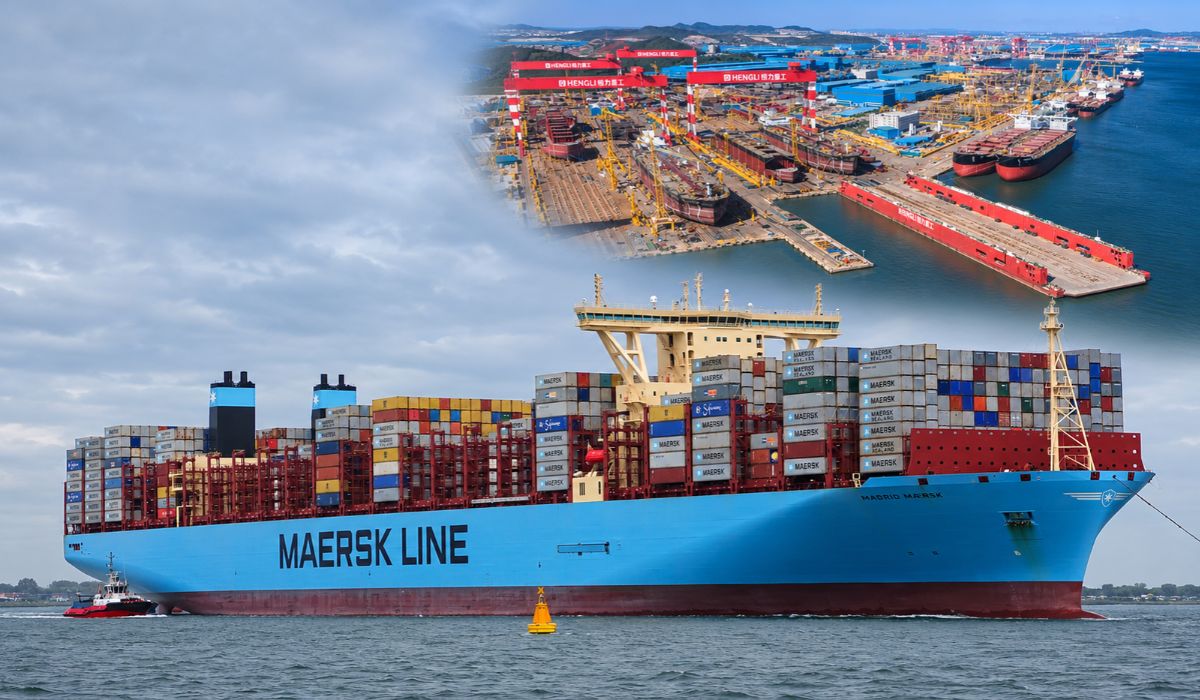

Danish shipping giant enters the contest for the world’s largest class of container ships, with vessels equipped with dual-fuel engines, deliveries scheduled for 2030 and 2031, and construction reportedly assigned to a Chinese shipyard.
For years, Maersk resisted the race to deploy 24,000-TEU container ships, even as its main competitors put vessels of that size into service. Now, the Danish shipping giant has decided to join the contest in earnest.
The company confirmed on Tuesday (the 24th) that it had ordered 12 mega-ships, which will be the largest vessels in its history by carrying capacity.
Each vessel will have space for the equivalent of 24,000 20-foot containers, with deliveries scheduled for 2030 and 2031.
-
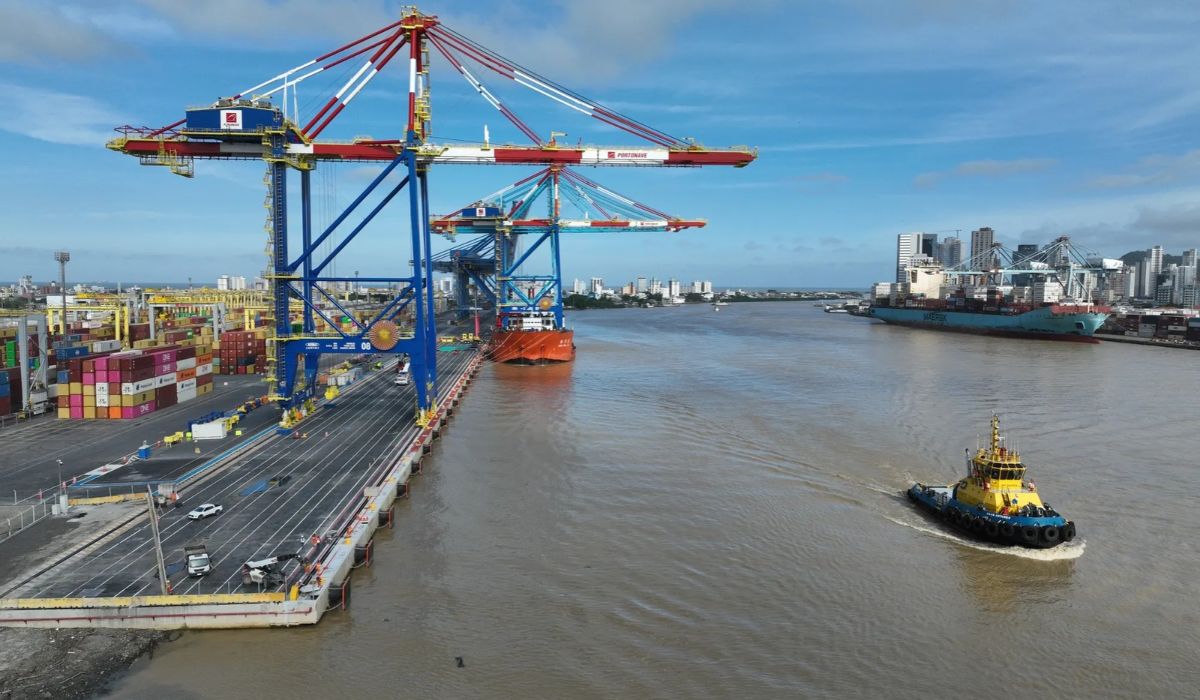
Brazilian port completes R$1.5 billion project, rebuilds 900 meters of quay without halting operations, and prepares to receive ships up to 400 meters long

-
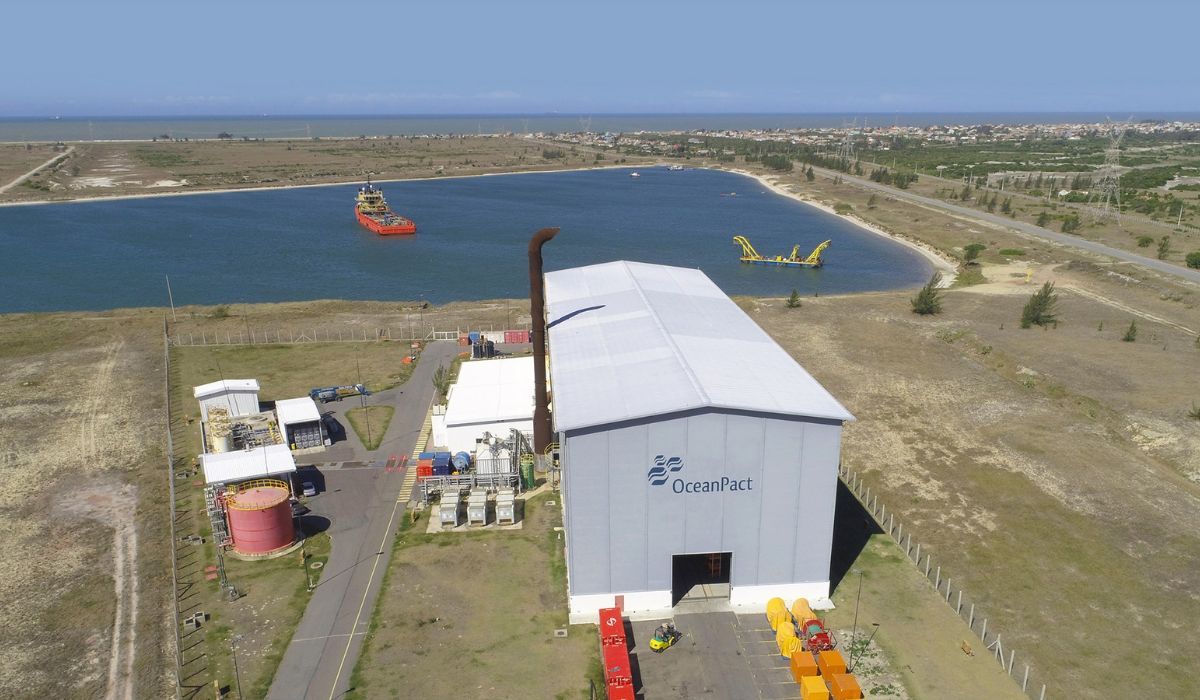
OceanPact secures up to R$198 million in BNDES financing for ship repair yard expansion at Port of Açu
-
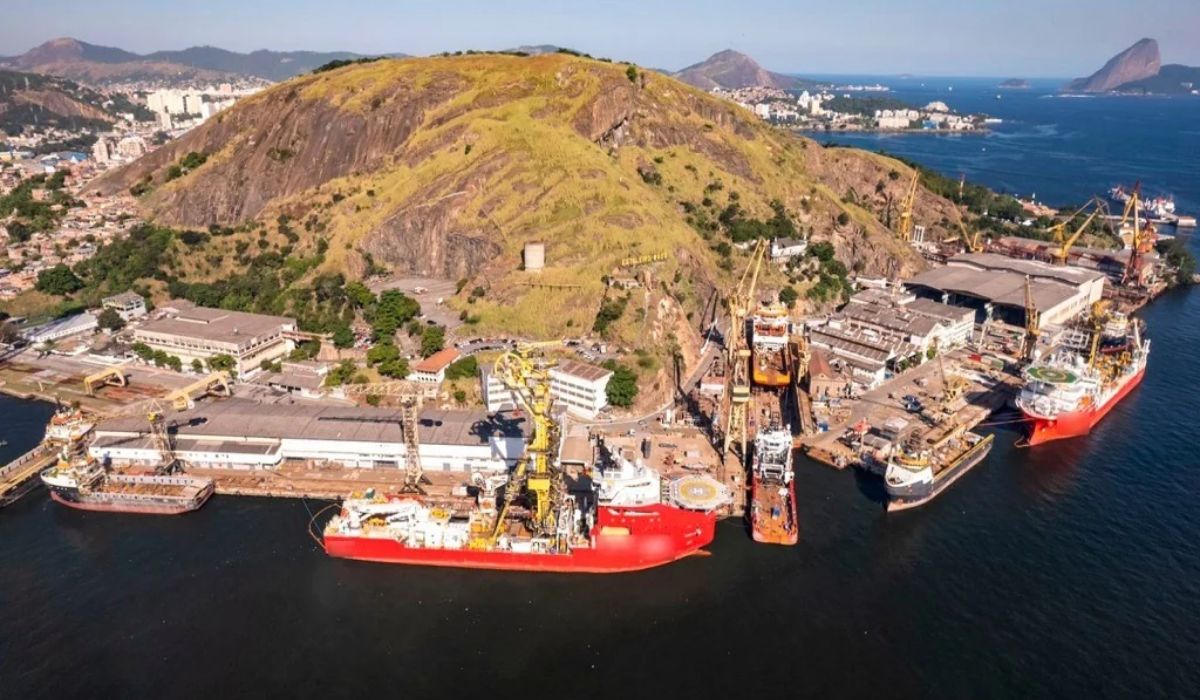
With 180 Years of History and a 180,000-Square-Meter Industrial Site, Mauá Shipyard Upgrades Facilities and Targets New Shipbuilding Contracts in Brazil
-
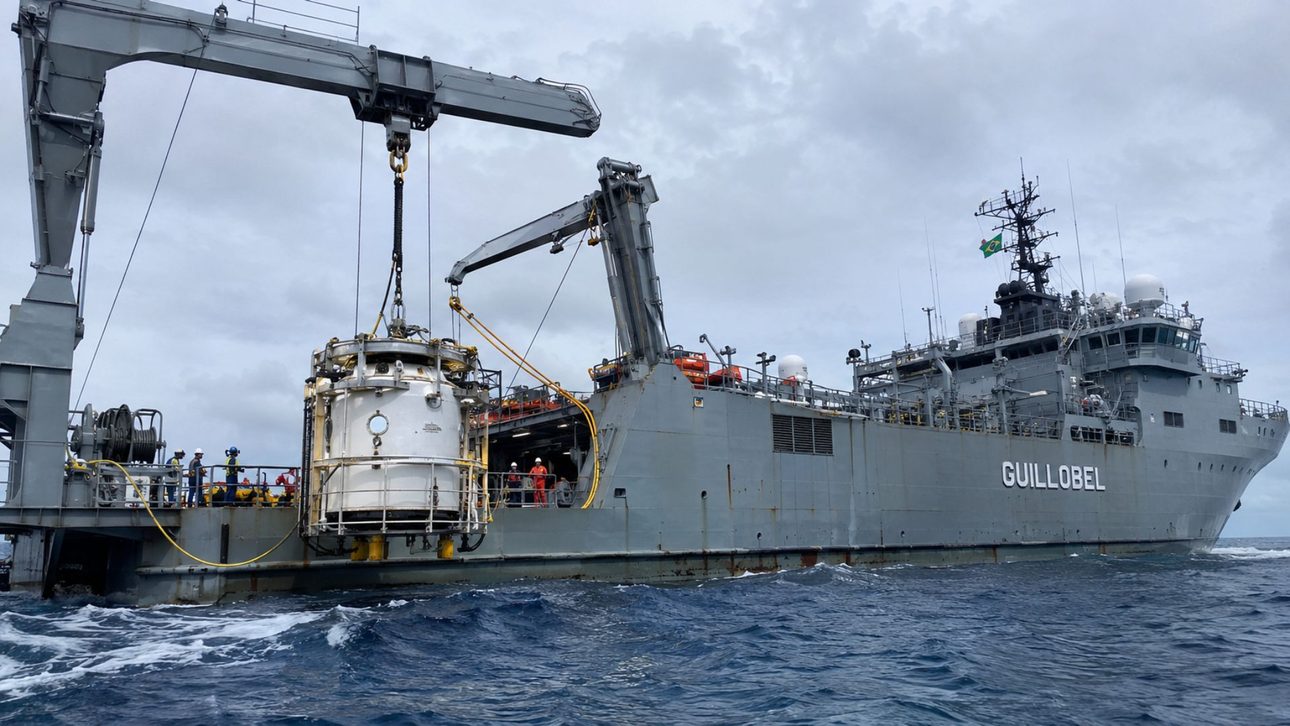
Guillobel drill: Diving bell descends to 160 meters and diver reaches 170 as Brazilian Navy ship tests pressurized chambers for rescue operations

The deal is valued at $2.76 billion and was reportedly awarded to China’s Hengli Heavy Industry, the TradeWinds trade publication reported on November 25, 2026.
Maersk confirmed the order in a statement to Reuters but did not officially disclose the contract value or the shipyard responsible for construction.
New mega-ships surpass the giants of the Triple E class
To understand the scale of the order, consider the largest ships currently in the company’s fleet.
In 2017, Maersk put the Madrid Maersk into service, the first second-generation Triple E-class container ship. With a capacity of 20,568 TEUs, the vessel represented one of the most ambitious shipbuilding projects of its time.
The new mega-ships will have about 16.7% more capacity.
In practical terms, each ship will be able to carry the equivalent of 3,432 more 20-foot containers than the Madrid Maersk, a considerable difference when multiplied across the voyages made over its operating life.
Together, the 12 vessels on order will have a nominal capacity of 288,000 TEUs.
TEU is an international standard unit for measuring cargo capacity. A 40-foot container, for example, takes up the space of two TEUs.
Ships of this size are especially attractive on high-volume trade routes, where concentrating cargo on a single vessel can reduce transportation costs per unit.
They also require ports with suitable navigation channels, large cranes and infrastructure capable of handling thousands of containers during each port call.

Chinese shipyard reportedly wins billion-dollar contract to build the ships
The order has also intensified competition between two major players in China’s shipbuilding industry.
TradeWinds reported that Hengli Heavy Industry had outbid Hudong-Zhonghua Shipbuilding in commercial negotiations, offering more competitive pricing.
Based on the deal’s estimated value, each mega-ship would cost about US$230 million.
Located on Changxing Island in Dalian, Hengli has been expanding its presence in the large-vessel market, investing in industrial facilities, automated equipment and digital manufacturing processes.
In 2025, the group brought a new industrial facility online to build more complex vessels, including large oil tankers, liquefied gas carriers and container ships.
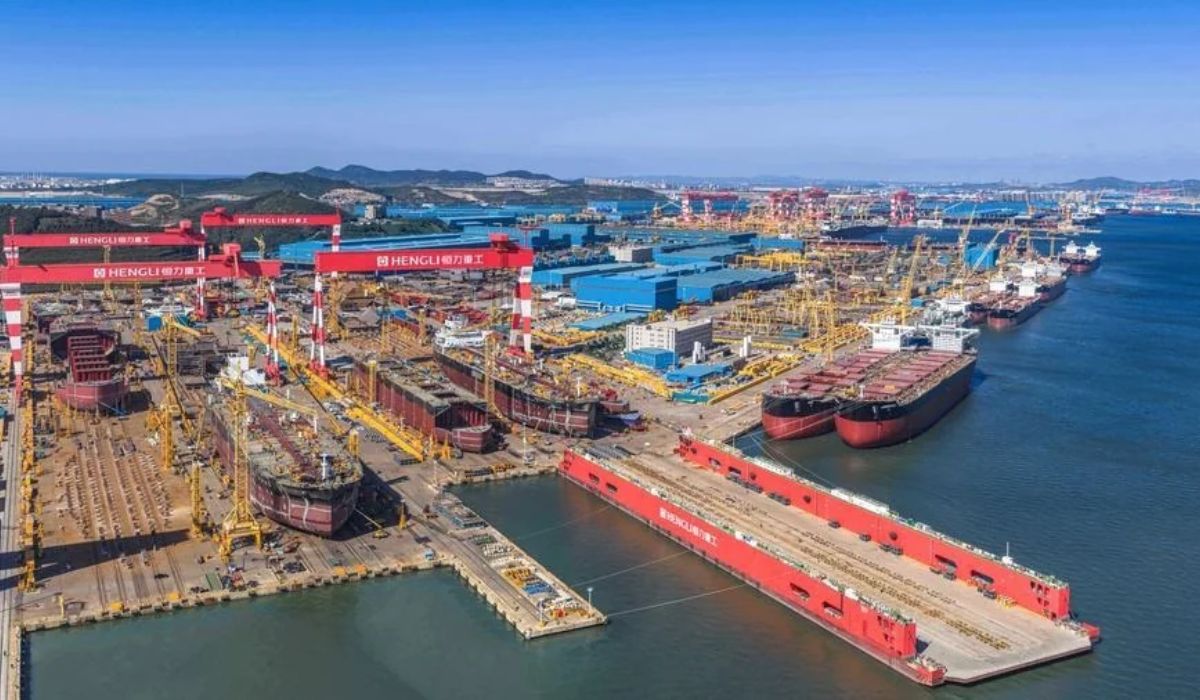
The complex uses welding robots, automated steel-cutting systems and private 5G communications networks to monitor different stages of production.
The Danish company has not officially announced its choice of Hengli to build Maersk’s 12 ships.
Mega-ships could run on liquefied natural gas
Beyond cargo capacity, propulsion technology is another key feature of the future vessels.
The ships will be equipped with dual-fuel engines, as they are known in the shipping industry, capable of running on both conventional marine fuels and liquefied natural gas (LNG).
This configuration offers greater fuel-supply flexibility, especially on international voyages where fuel availability and prices vary from port to port.
Using LNG can reduce certain air emissions compared with traditional marine fuels, but it does not eliminate shipping’s climate impact.
Fossil natural gas remains associated with greenhouse gas emissions, including potential methane releases during production, distribution and use in engines.
Maersk also has vessels designed to run on methanol, adopting different propulsion technologies as part of its fleet renewal program.
Maersk steps up orders amid global competition
The purchase of 12 mega-ships is not an isolated move.
In early November, when it released its third-quarter 2026 results, the company confirmed another order for 26 dual-fuel container ships, each with a capacity of 18,600 TEU.
The vessels are scheduled for delivery in 2029 and 2030.
Combined, the two orders represent 38 ships with a nominal capacity of 771,600 TEU, although some of the new vessels may replace older ships or ships currently under charter.
The strategy takes on added significance amid competition with Mediterranean Shipping Company (MSC), the world’s largest container shipping company, and France’s CMA CGM, which has been closing in on Maersk’s operating capacity.
Data from consultancy Alphaliner published by The Maritime Executive show that the Danish company has a fleet capacity of nearly 4.7 million TEU, while its French competitor is approaching 4.5 million.
The specific routes for the new mega-ships have not yet been announced. Maersk said, however, that it plans to deploy the vessels on services with strong demand for cargo transportation.