Portuguese
 Spanish


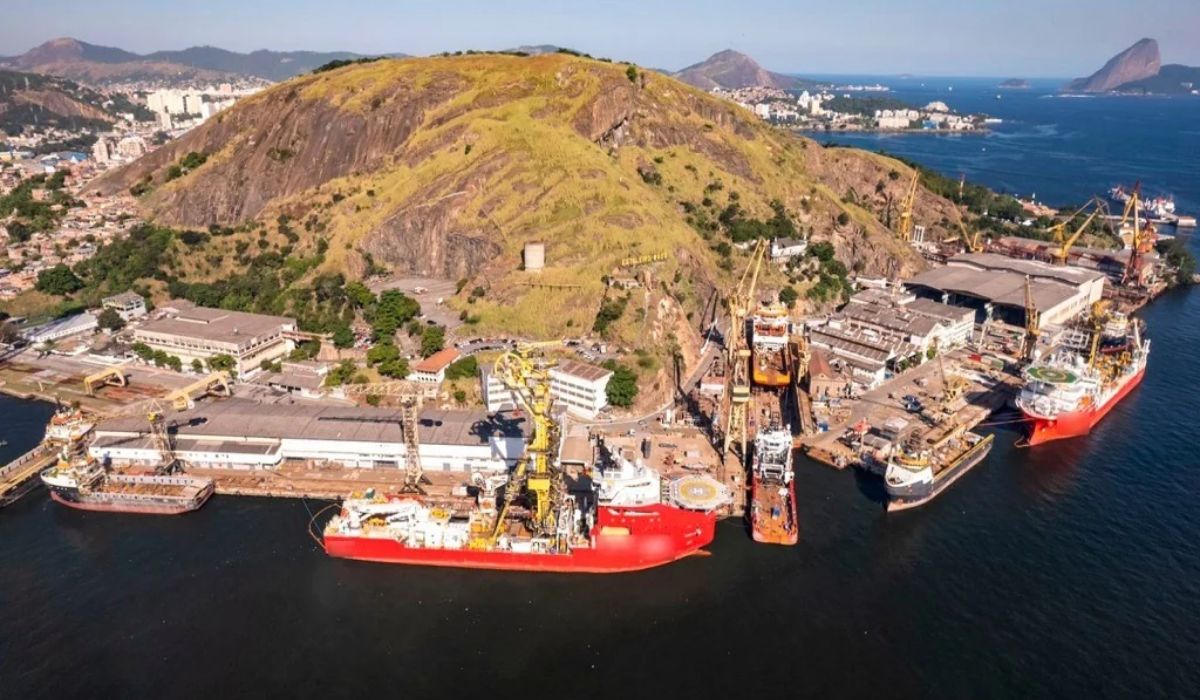

The historic Niterói shipyard is investing in equipment, restoring its operating capacity and preparing workers for a new shipbuilding cycle as it pursues opportunities created by the renewal of Brazil’s offshore support fleet.
When Irineu Evangelista de Sousa, the future Baron of Mauá, bought a small foundry in Niterói in 1846, Brazil was still under imperial rule. One hundred and eighty years later, the industrial complex that bears his name is preparing to reclaim a place in shipbuilding.
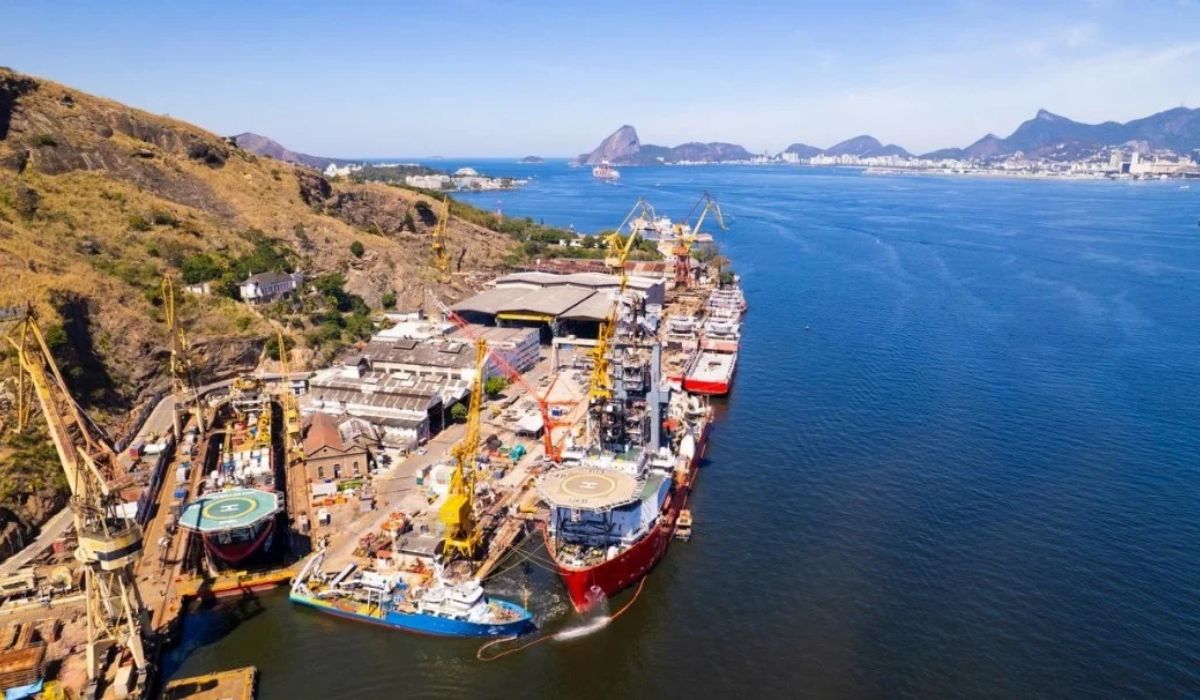
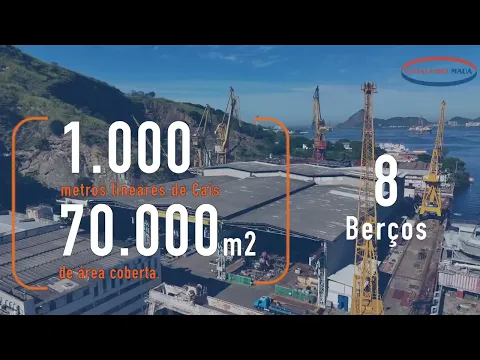
Spanning 180,000 square meters along Guanabara Bay, Mauá Shipyard is upgrading its facilities, investing in equipment and training workers to compete for new contracts.
The strategy was presented at the fifth Niterói Energy event, held on November 18, 2026, and further details were provided by the company on Wednesday (25).
-
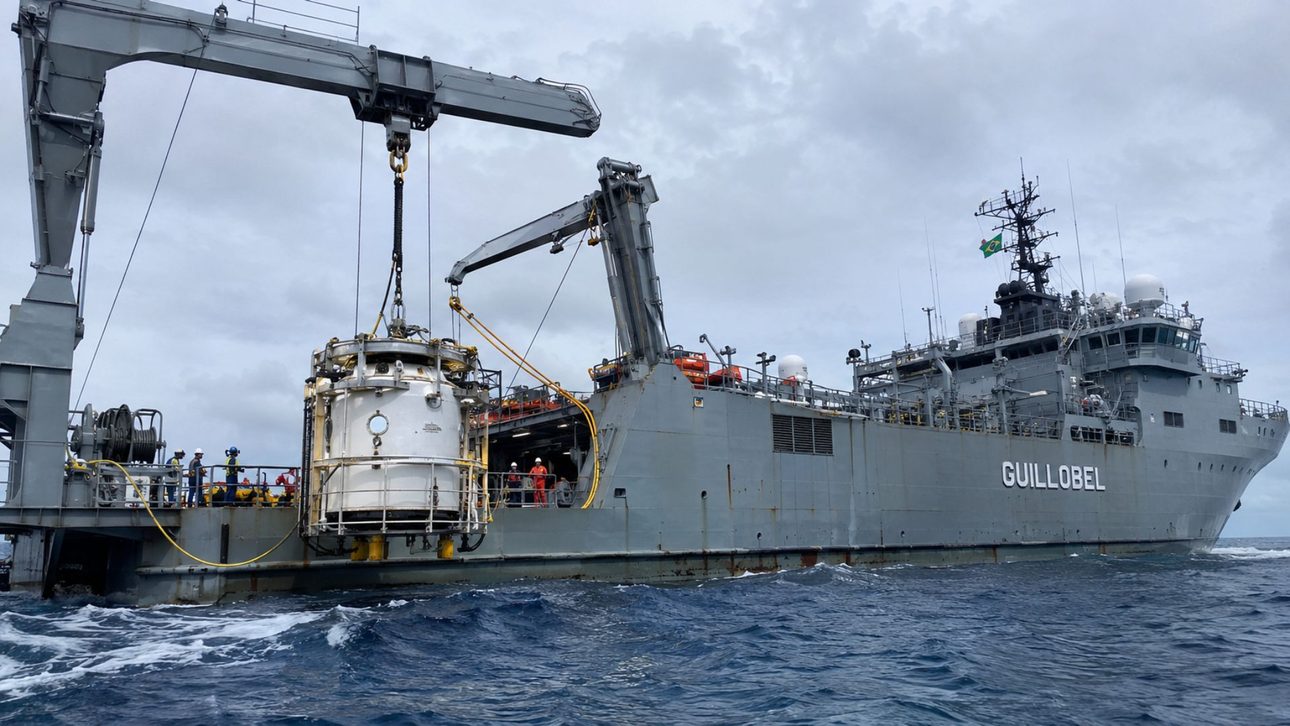
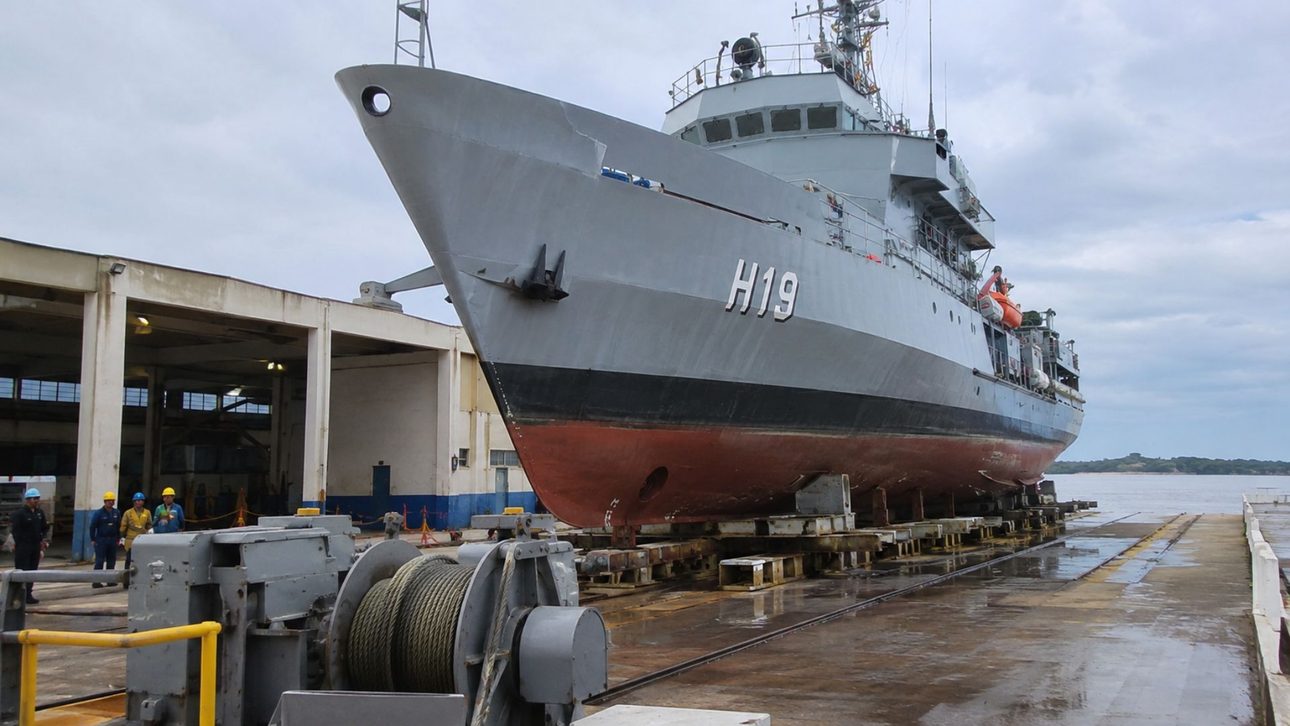
Guillobel drill: Diving bell descends to 160 meters and diver reaches 170 as Brazilian Navy ship tests pressurized chambers for rescue operations

-
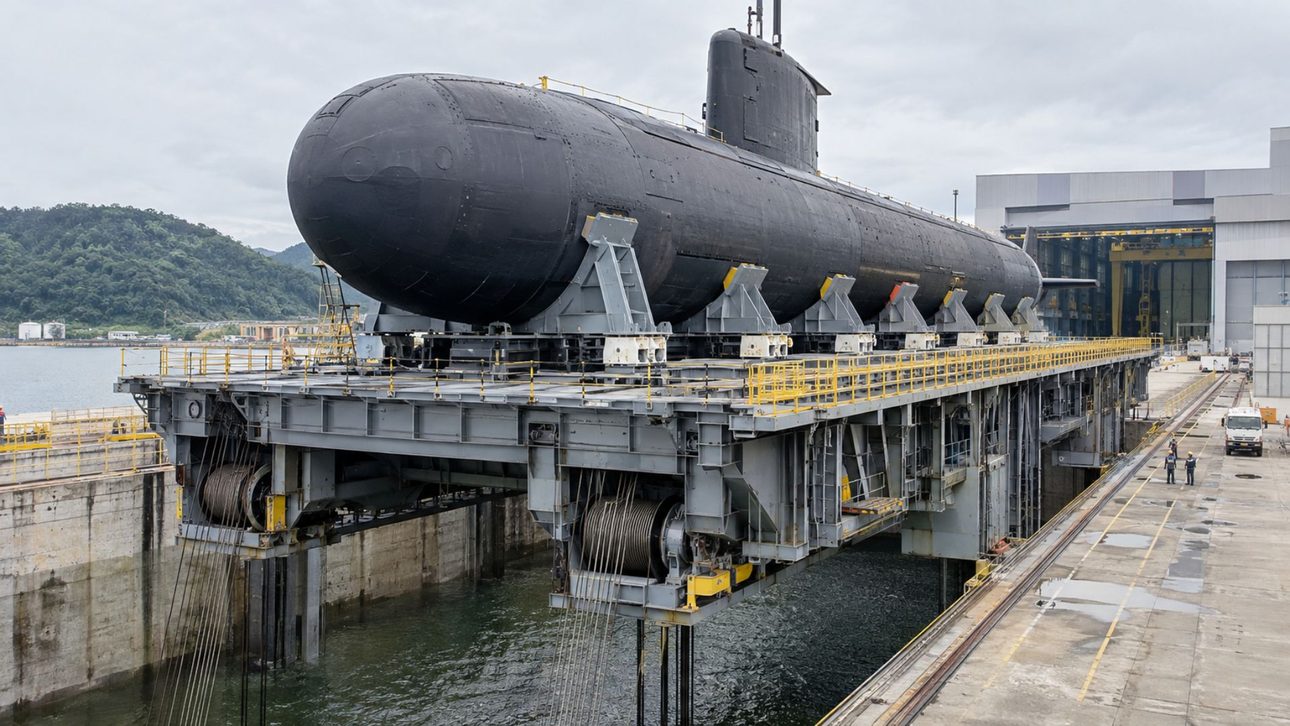
At Itaguaí, a platform lowers beneath a vessel and steel cables raise it to the yard on a shiplift designed for 8,000 tons
-
LNG remains cargo while a reactor powers the ship in Samsung and partners’ project to connect U.S. and European terminals
-
With market consultation open until December 9, EMGEPRON studies how to increase vessel docking capacity in Rio Grande from 700 to 2,000 metric tons

Representing the shipyard, Commercial Director Hensel Gonçalves highlighted infrastructure investments, strong demand for vessel repair and conversion services, and plans to expand shipbuilding activity again.
Vessels serving the oil and gas industry are among the company’s key bets.
Mauá Shipyard invests in equipment and industrial modernization
Restoring production capacity requires changes ranging from electrical infrastructure to the equipment workers use every day.
In 2025, Mauá renovated its electrical substation and workshops, acquired cranes, overhead cranes and 100 welding machines, and invested in software for planning operations.
The company also modernized its project management system, an especially important step for a shipyard that handles multiple vessels at the same time.
In ship repair, the scale of a problem is not always clear until a vessel arrives at the shipyard. An intervention that initially seems simple may require additional equipment, materials and specialized workers, disrupting schedules for other projects.
The facility at Ponta d’Areia can process up to 36,000 metric tons of steel a year.
Its location is another advantage.
Located before the Rio-Niterói Bridge when approaching from the entrance to Guanabara Bay, the shipyard can accommodate vessels and offshore units whose height could make it difficult to pass beneath the bridge.
Two ships help pave the way for a return to shipbuilding
Although maintenance and repair work has supported much of Mauá’s activity in recent years, the company is working to resume carrying out complete vessel construction projects.
Part of that preparation involves two ships for Posidonia Shipping, named Iara and Arlete.
The vessels are PSV 4500-class ships, a category used mainly to transport equipment, materials and supplies needed for offshore oil platform operations.
Both ships arrived at Mauá with their hulls already built and some equipment installation completed. The shipyard was responsible for finishing work, reassembling components and modifying onboard systems.
For Miro Arantes, the company’s CEO, these projects also serve as preparation for the teams to regain command of every phase of shipbuilding.
In an interview published in August by the National Union of the Shipbuilding and Offshore Industry (Sinaval), the executive said the company expected to deliver the first vessel by the end of 2026.
The November presentation, however, did not include an announcement of new shipbuilding contracts.
Shipyard’s recovery depends on creating jobs
Restoring industrial facilities is only part of the challenge. After years of contraction in Brazil’s shipbuilding sector, finding experienced professionals and training new workers have also become concerns for shipyards.
Between December 2024 and May 2026, Mauá Shipyard created 621 jobs, according to information released by Sinaval.
By the end of the first half of this year, the company had about 1,700 workers.
The company reopened its welding school to train professionals and meet the technical requirements for manufacturing metal structures for the offshore industry.
On the financial front, another step forward came in July, when Mauá obtained tax clearance certificates after a lengthy process to negotiate its tax liabilities.
The regularization expands the company’s opportunities to compete for future vessel orders from Petrobras and Transpetro, although winning contracts still depends on the respective selection processes.

From Baron of Mauá’s foundry to the modern shipbuilding industry
The industrial complex’s history began to take on a new dimension just a few years after Irineu Evangelista de Sousa acquired it.
By 1849, the former foundry had become a major industrial establishment, with shipbuilding facilities and adjoining workshops.
The dry dock opened in 1911, cementing the ship repair business, while the period from 1960 to 1980 was marked by the construction of more than a hundred ships.
That legacy was documented anew on the evening of November 23, 2026, when the shipyard launched the book “Mauá: How the Ponta d’Areia Shipyard Shaped Brazil’s Shipbuilding Industry.”
The ceremony brought together representatives of Petrobras, Transpetro, the Brazilian Navy, business leaders and industry professionals. It also paid tribute to the Ferraz, Mac Laren and Rebelo families, whose histories are tied to the development of Brazil’s shipbuilding industry.
During the gathering, Miro Arantes highlighted a similarity between the challenges faced by Baron of Mauá in the 19th century and those that continue to confront Brazil’s industry: the need for financing and competitive conditions for domestic production.