





 Portuguese
  English
  Spanish
 4 min of reading
  0 comments


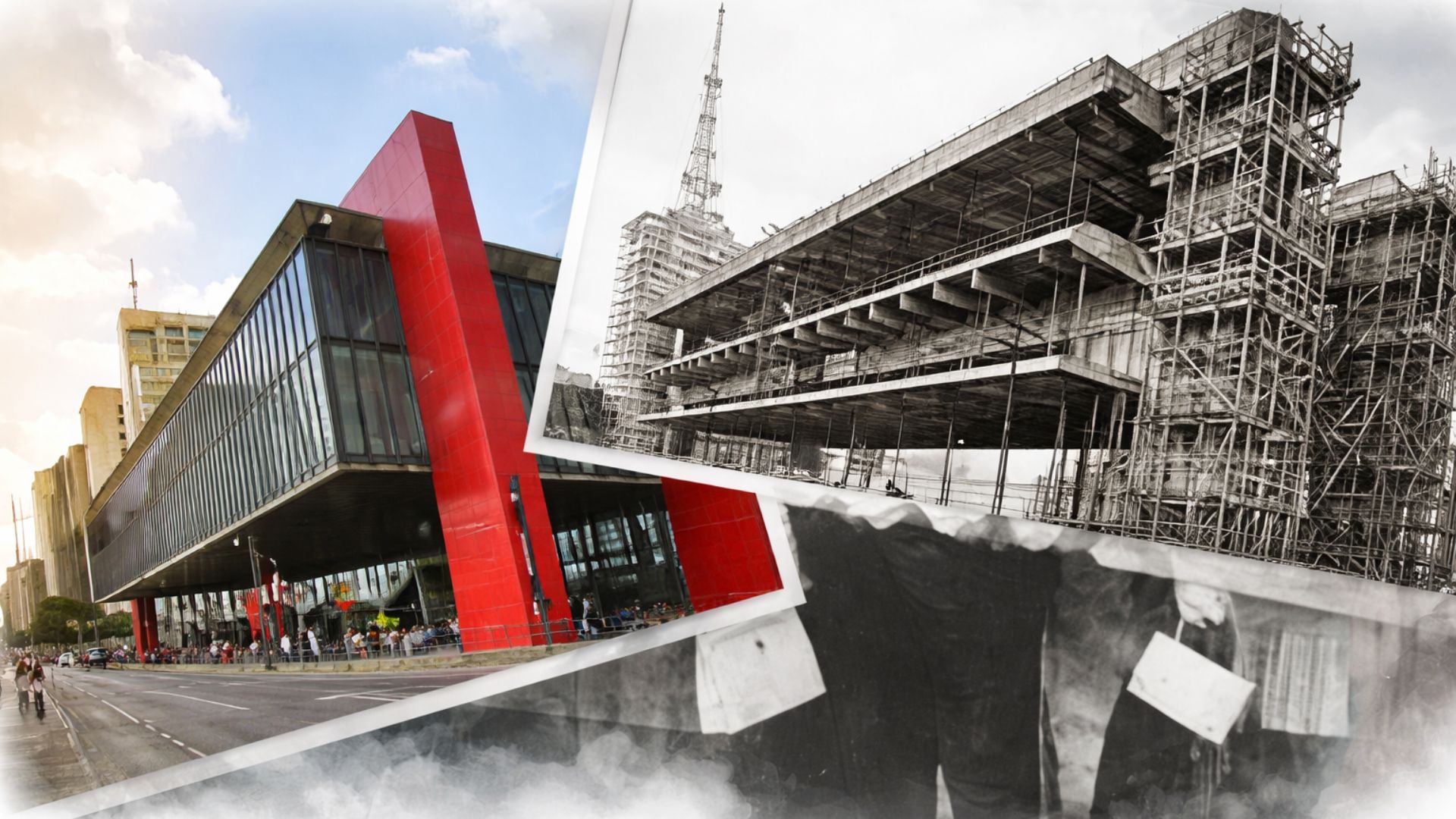
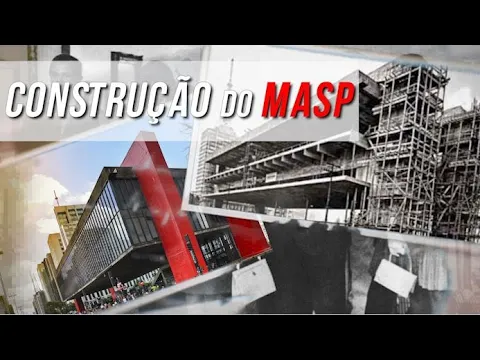
The São Paulo Art Museum (MASP), on Avenida Paulista, has maintained since 1968 an open span of 74 meters supported by four pillars, a solution that marked Brazilian architecture by suspending the building and preserving, underneath it, an open area for public use in the heart of São Paulo.
The decision to create a large empty space on the ground floor came from a condition associated with the plot on Paulista, which prevented a construction capable of blocking the view toward the center and the Cantareira mountain range, forcing the project to accommodate the museum above the level of the avenue.
Faced with this limitation, Lina Bo Bardi designed a structure that “lifts” the main body of the building, transforming the emptiness into a plaza and making the museum engage with the city through a passable space, where pedestrians, markets, and public events circulate.
Structural Engineering: How the 74-Meter Span Works
To make the crossing of 74 meters without intermediate supports feasible, the structural set relied on prestressed concrete, a technique that introduces pre-compression in the material, improves performance in large spans, and allowed the concentration of efforts on robust elements anchored in the pillars.
-
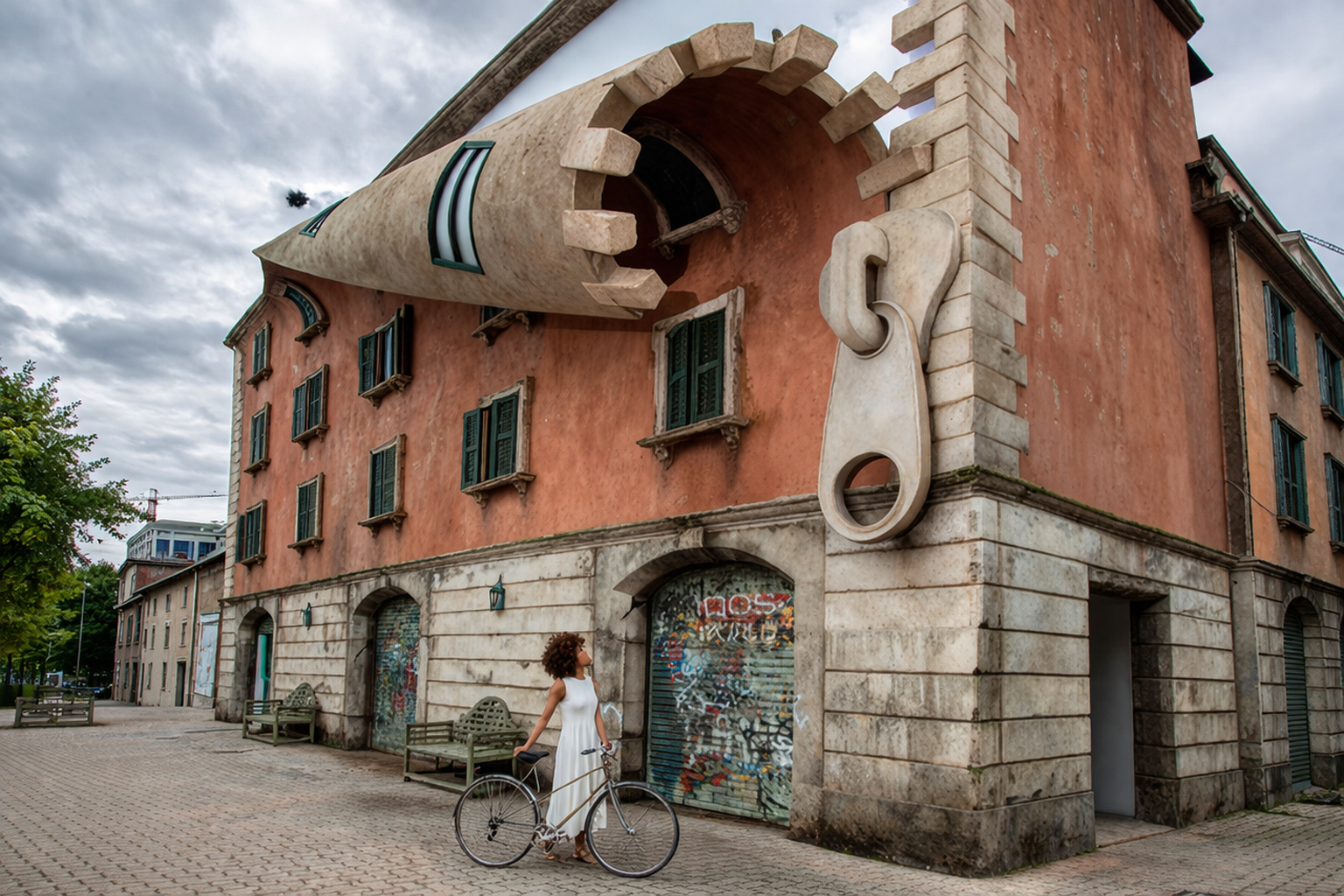
With a façade that resembles a giant zipper, the building in Milan creates a sense of strangeness, featuring lighting that transforms engineering and attracts the attention of residents and tourists.
-
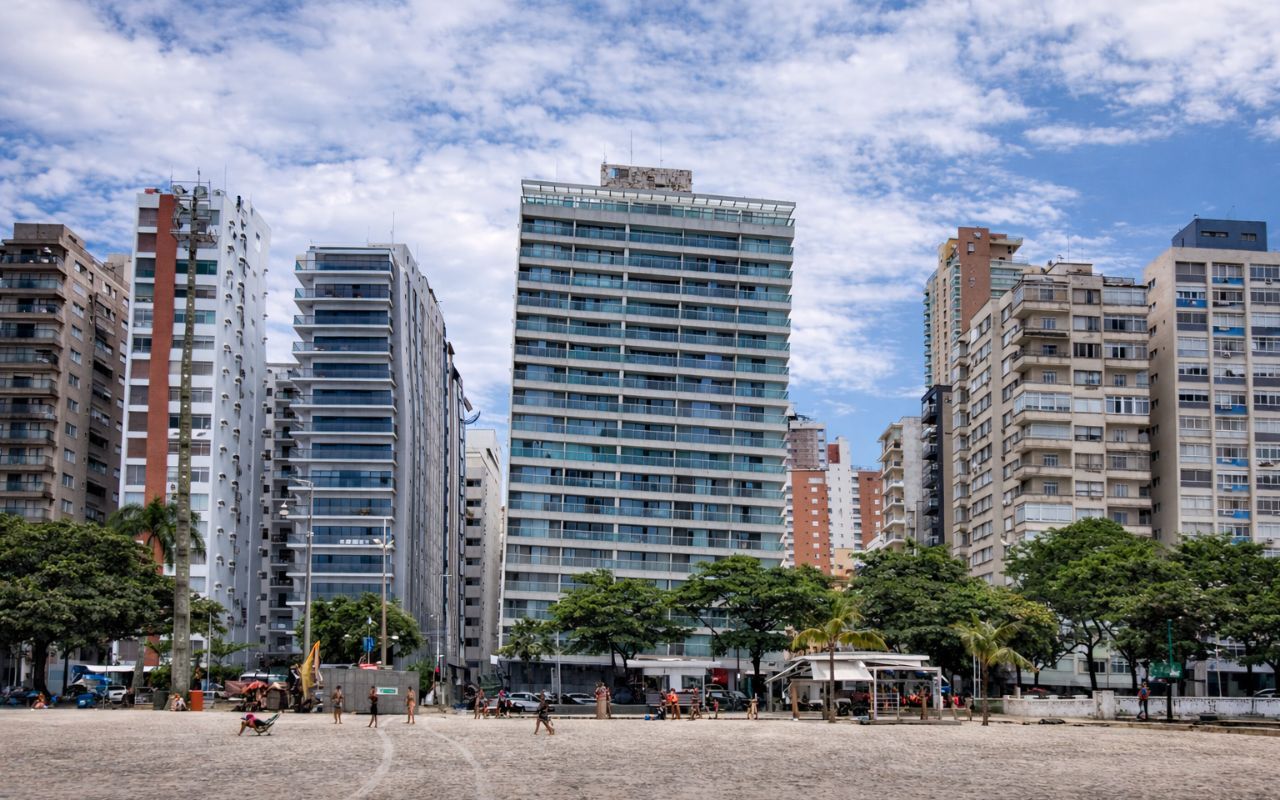
The Brazilian city has 319 crooked buildings built on sandy soil without proper deep foundations, houses the largest beach garden in the world, with over 5 km, and is still considered the birthplace of surfing — meet Santos, in São Paulo.
-
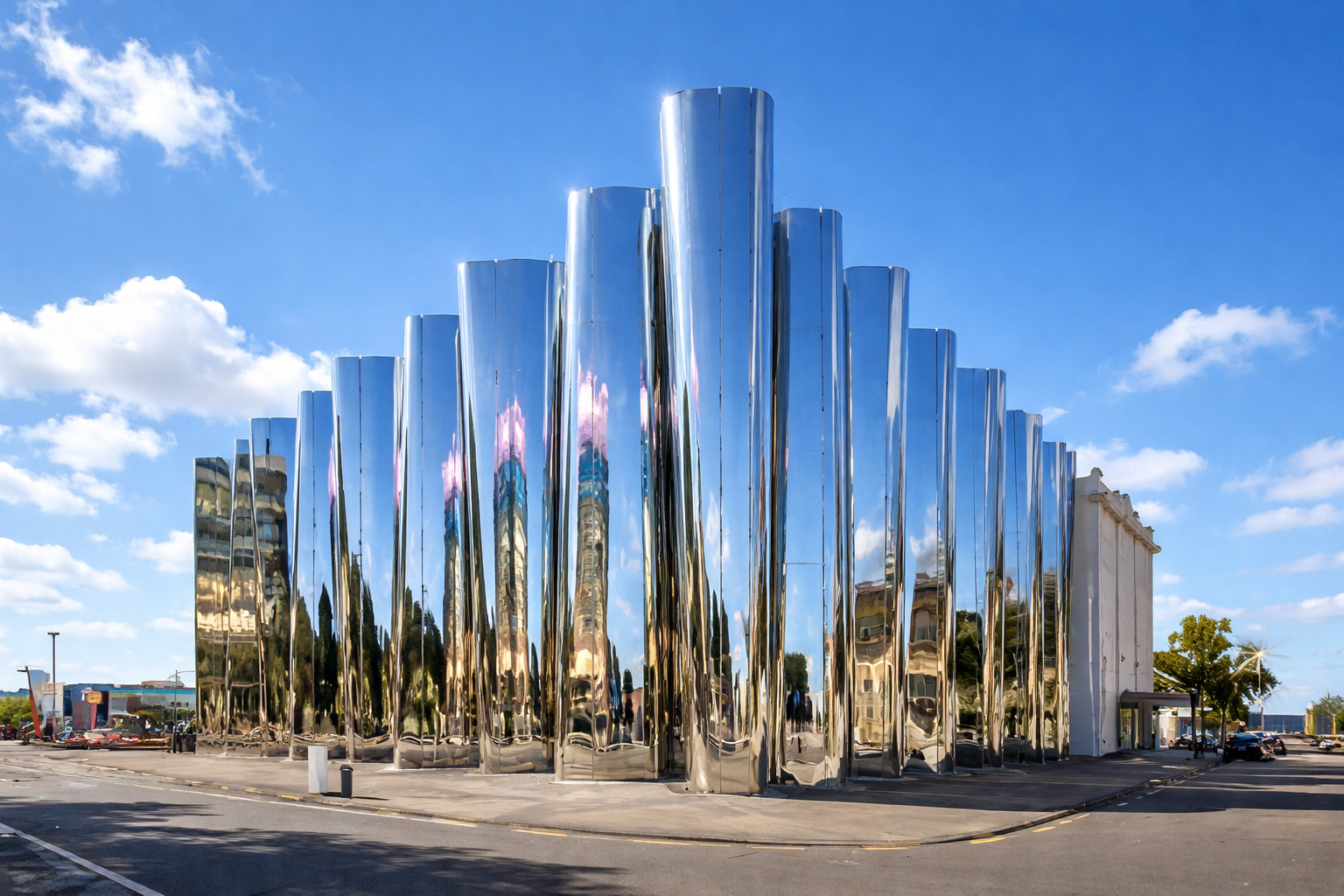
New Zealand builds a shimmering building that vibrates, featuring a 62-seat cinema, moving sculptures, and an environment where sound, light, and energy are felt in the body.
-
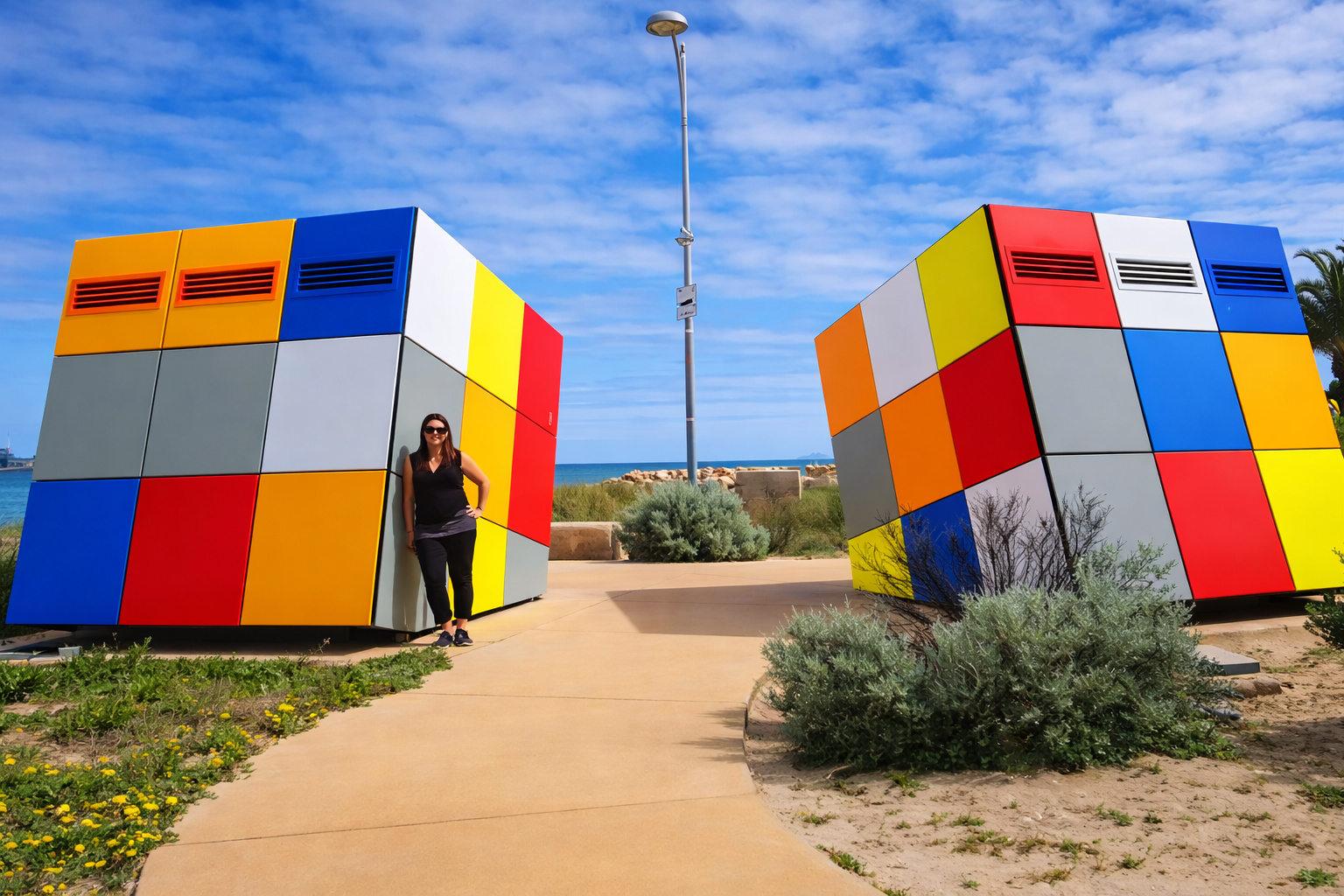
Two colored cubes of 2.5 m transform a public bathroom into a selfie spot in Western Australia, costing up to 75% less than traditional construction and helping to reduce vandalism in public spaces.

The building relies on large external beams highlighted by the color red, which function as key pieces of the design and engineering, while simultaneously keeping the lower part free and exposing, without disguises, the structural logic of the whole.

Although the building has become a visual reference, the solution was not an intuitive gamble: the calculation and execution were tied to the work of engineer José Carlos de Figueiredo Ferraz, associated with the application of prestressed concrete in Brazil and the development of solutions for large structures.
Public Space Below the MASP Became the Stage of the City
The area below the open span has gained its own life because it does not depend on ticket sales or scheduling to exist, and thus has consolidated itself as a meeting point with varied uses, from everyday leisure to cultural events and demonstrations, right in the middle of Avenida Paulista.
This design reinforces the idea of a public facility in the broadest sense since the museum is not limited to the exhibition interior, and the building, by foregoing occupation of the ground floor, offers the city a rare civic space on a high-density avenue.
Innovative Museography and Glass Easels
Inside, Lina Bo Bardi also broke patterns by proposing transparent supports that place paintings “upright” in the space, a solution known as glass easels, which allows visitors to circulate and see works without the traditional logic of continuous walls.
The proposal sought to bring the public closer to the collection and make the assembly visible, creating an environment in which structure, light, and circulation are part of the visit, with exposed concrete and large glass planes composing an aesthetic associated with Brazilian brutalism.
MASP Collection Brings Together European and Brazilian Works

MASP has a broad collection, featuring works of European and Brazilian art that help explain why the museum has become a frequent destination for tourists and locals, in a circuit that includes names like Van Gogh, Picasso, Renoir, and Monet, among others.
Alongside these references, the presence of Brazilian artists such as Cândido Portinari and Tarsila do Amaral reinforces the museum’s role in shaping repertoire and interpreting the history of art in the country, with exhibitions and educational actions throughout the year.
Federal Listing and Preservation by IPHAN
The architectural significance of MASP has also entered the heritage radar, and the federal listing was approved in a session of the Advisory Council of IPHAN on December 17, 2003, incorporating the building into the set of assets protected by the agency.
This recognition increases the conservation requirements and guides interventions, as alterations, restorations, and usage adjustments must comply with specific guidelines, which helps explain why the building, besides being a tourist icon, is treated as a historical document.
Visitation Numbers and Cultural Impact

The public dimension of MASP is also reflected in the visitation, which usually reaches hundreds of thousands per year and, in 2024, reached 580,508 visitors, according to the museum’s own institutional report, in a curve influenced by programming and free access.
This scale of attendance pressures daily operations and reinforces the need for compatible infrastructure, especially in a building that combines exhibition areas, educational spaces, and intense circulation, without losing sight of the symbolic value of the open span as a plaza.
Durable Symbol of Brazilian Engineering
Even decades after its inauguration on Avenida Paulista, MASP remains associated with the idea of technical boldness, as the solution of the large open span depends on a precise relationship between form and structure, in addition to the ongoing maintenance typical of complex buildings.
The result is a building that condenses, in a single gesture, urban conditions, architectural language, and large-scale engineering, maintaining under the museum an open area that continues to be in use and helps explain its constant presence in Paulist life.






-

-

4 pessoas reagiram a isso.