





 Portuguese
  English
  Spanish
 4 min of reading
  0 comments


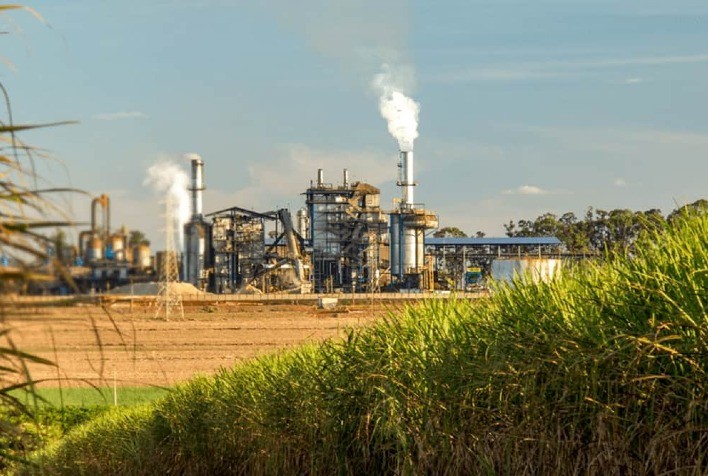
Diversified Production, Investments in Infrastructure and Incentive Policies Consolidate the State as One of the Main Biofuels Poles in Brazil
Currently, Mato Grosso do Sul is consolidating its leadership in the bioenergy sector, combining increased productivity, sustainable investments, and strategic planning. This content presents an analysis of official data, public policies, and private sector initiatives that have strengthened the state’s position in the national biofuels scenario, with a special focus on corn ethanol and biomethane.
Ethanol Production Reaches New Level in the 2024/2025 Harvest
The 2024/2025 harvest, ending in March 2025, recorded significant growth in ethanol production in the state. According to the Union of the Sugarcane Industry (UNICA), 4.2 billion liters of ethanol were produced, an increase of 10% compared to the previous harvest.
Even with a 5.1% reduction in sugarcane milling, production was compensated by the growth of corn ethanol, which now represents 37% of the total volume. This diversification is considered strategic to ensure stability in the face of climate fluctuations.
-
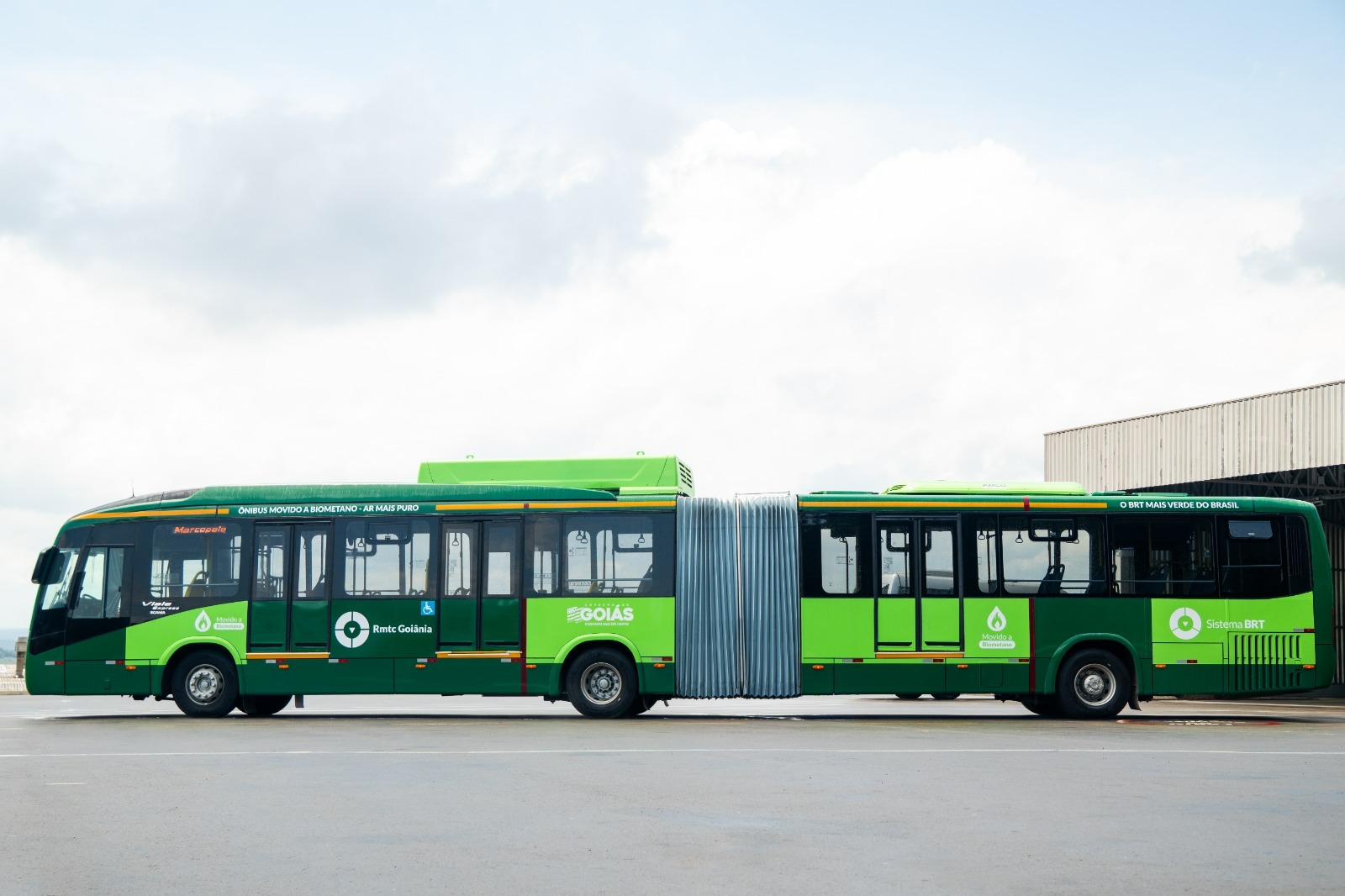
Revolution in public transport: Goiânia puts into circulation the first articulated buses powered by biomethane in Brazil and promises to drastically reduce pollution on the Anhanguera Corridor.
-
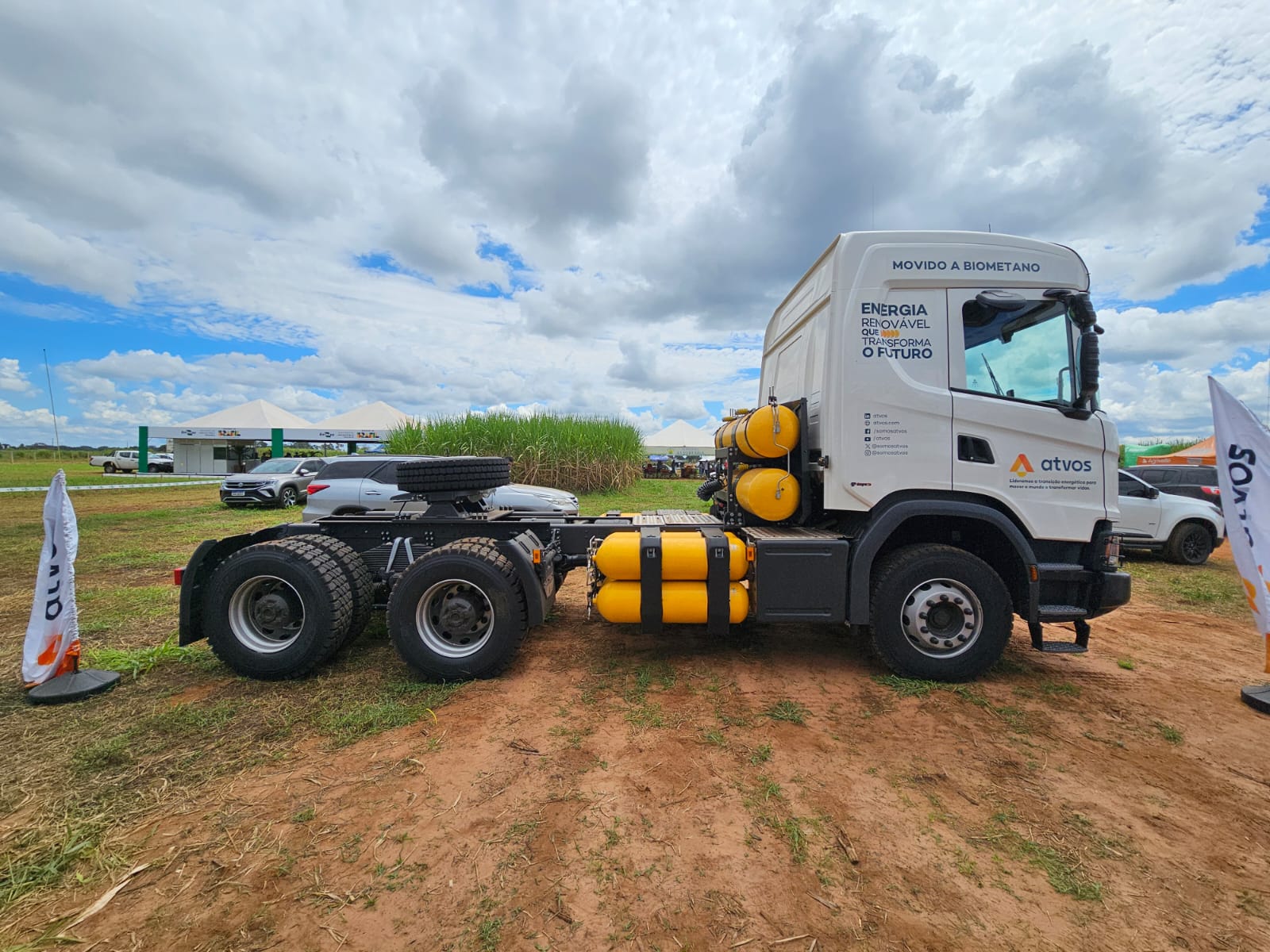
From the field to the pipelines: Mato Grosso do Sul accelerates the energy transition and consolidates a new axis in renewable energy with the arrival of a giant biogas plant.
-
The Economist states that Brazil has a “secret weapon” against expensive oil and highlights how the country can reduce economic impacts even in international scenarios of high volatility.
-
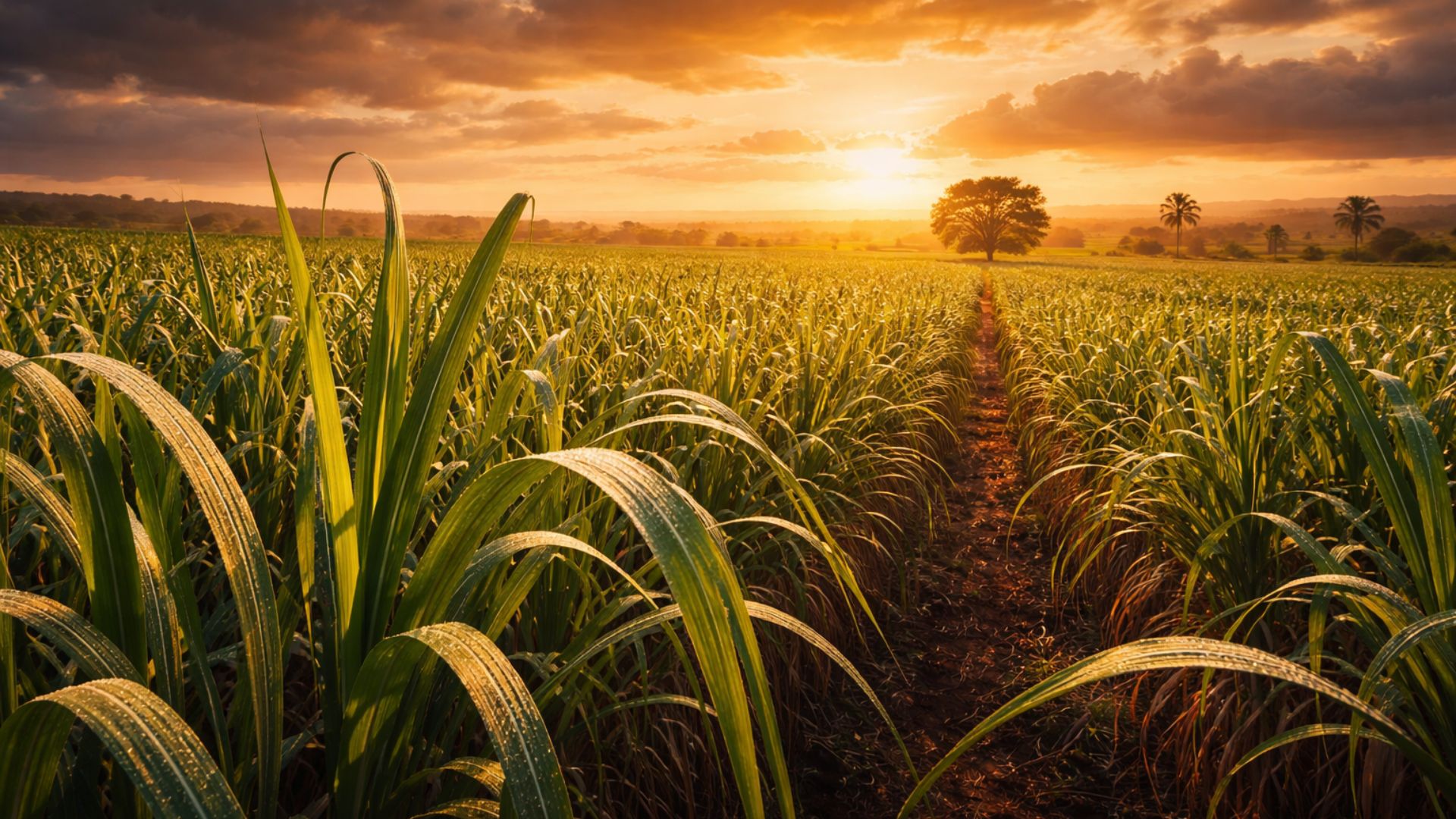
Brazil accelerates decarbonization in the South: International forum in Foz do Iguaçu gathers leaders to discuss the advancement of biomethane in the energy matrix and the potential of “caipira pre-salt.”
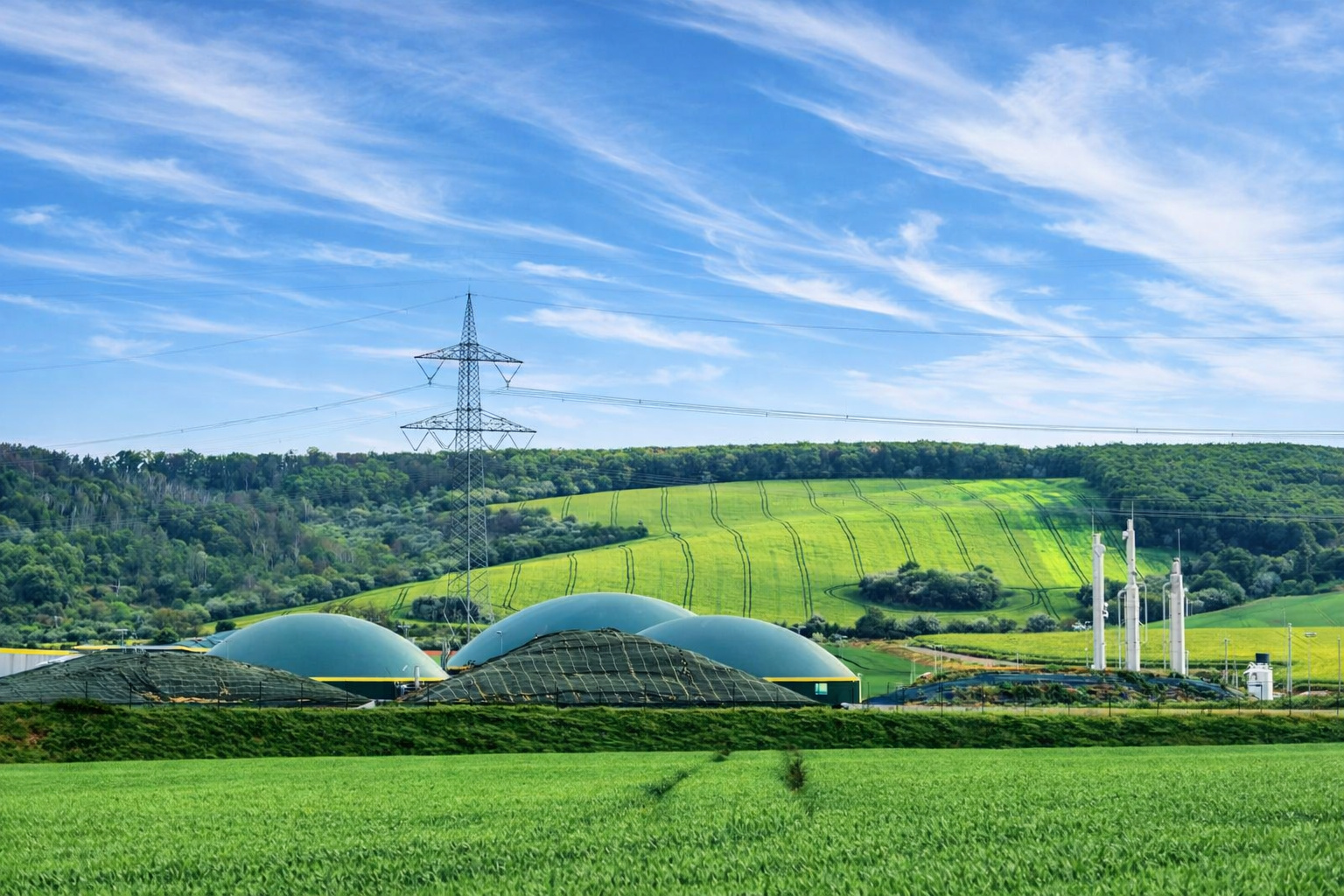

Mato Grosso do Sul currently ranks fourth in the national ethanol production ranking. The combination of corn and sugarcane ethanol is a competitive differential for the state. The adopted production model has allowed for economies of scale and better utilization of biomass.
Structured Investments Expand Renewable Energy Production Capacity
In February 2025, the company Atvos announced an investment of R$ 350 million in the construction of a biomethane plant in Nova Alvorada do Sul, scheduled to be operational by the end of 2026. The plant will use vinasse, a byproduct of sugarcane, as feedstock.
According to the Secretary of the Environment, Development, Science, Technology, and Innovation of Mato Grosso do Sul, the project has the potential to generate clean energy from the industry’s own waste, with environmental and economic benefits.
The project is licensed and follows current environmental and regulatory standards. The plant will contribute to reducing greenhouse gas emissions. Local job creation is estimated, particularly during the installation phases.
Bioenergy Production Chain Generates Jobs and Moves the Regional Economy
According to updated data from the Federation of Industries of Mato Grosso do Sul (FIEMS), the bioenergy sector in the state has 22 active plants, directly employing about 30,000 workers.
The sector accounts for 17% of the state’s industrial GDP, being one of the economic activities with the greatest territorial reach, especially in inland municipalities.
The average remuneration in the sector is above the state average. The sugarcane and corn chains involve various segments, such as transport, logistics, and agricultural inputs. Approximately 800,000 hectares are dedicated to sugarcane in the state.
Sustainable Logistics Gains Relevance in Production Outflow
During the Superagro Exam – Special Biofuels, held on March 28, 2025, Governor Eduardo Riedel emphasized the importance of logistics to consolidate the competitiveness of bioenergy in Mato Grosso do Sul.
Among the planned measures are the concession of the Paraguay River Waterway, with a bidding notice expected in the second half of 2025, and the restructuring of the western railway network, inactive since 2015, in coordination with the Federal Government. Furthermore, there are advances in renegotiating the concession of BR-163, with the expectation of resuming duplication work in 2025.
These actions aim not only to improve outflow but also to reduce logistics costs and environmental impacts. Intermodality is presented as a strategic solution for the transportation of ethanol, sugar, and biomass on a large scale.
Public Policies and Regulatory Environment Stimulate New Projects
Since 2022, Mato Grosso do Sul has adopted the State Policy for Incentives for Renewable Energies. Therefore, the state began offering tax incentives, in addition to ensuring greater agility in environmental processes and providing technical support to interested parties.
According to the Secretary of Finance (SEFAZ/MS), as of March 2025, more than 15 projects for new bioenergy plants were under analysis, focusing on ethanol, biomethane, and cogeneration of energy.
Moreover, the stable regulatory environment has been identified as a key factor in attracting investors. Similarly, partnerships with state universities have enabled applied innovation in the sector. Finally, there is a strong integration between environmental, industrial, and regional development policies, which strengthens institutional articulation.
Mato Grosso do Sul as a Reference in Responsible Energy Transition
Between 2022 and 2025, the state attracted approximately R$ 5.8 billion in private investments in the bioenergy sector, according to the Development Bank of MS (Desenvolve/MS). Government projections indicate that by 2030 investments in the sector could exceed R$ 18 billion, considering new projects, modernizations, and infrastructure.
According to Conab, the planting area for bioenergy grows, on average, 10% annually. Furthermore, the state goal is to double the use of biofuels in transport by 2028. At the same time, the state has made progress in environmental certifications, as well as practices related to the ESG agenda.
Mato Grosso do Sul does not claim an absolute leadership position, but rather a consistent contribution within the national energy transition strategy, valuing innovation, environmental commitment, and competitiveness in agribusiness.





Seja o primeiro a reagir!