





 Portuguese
  English
  Spanish
  3 min of reading


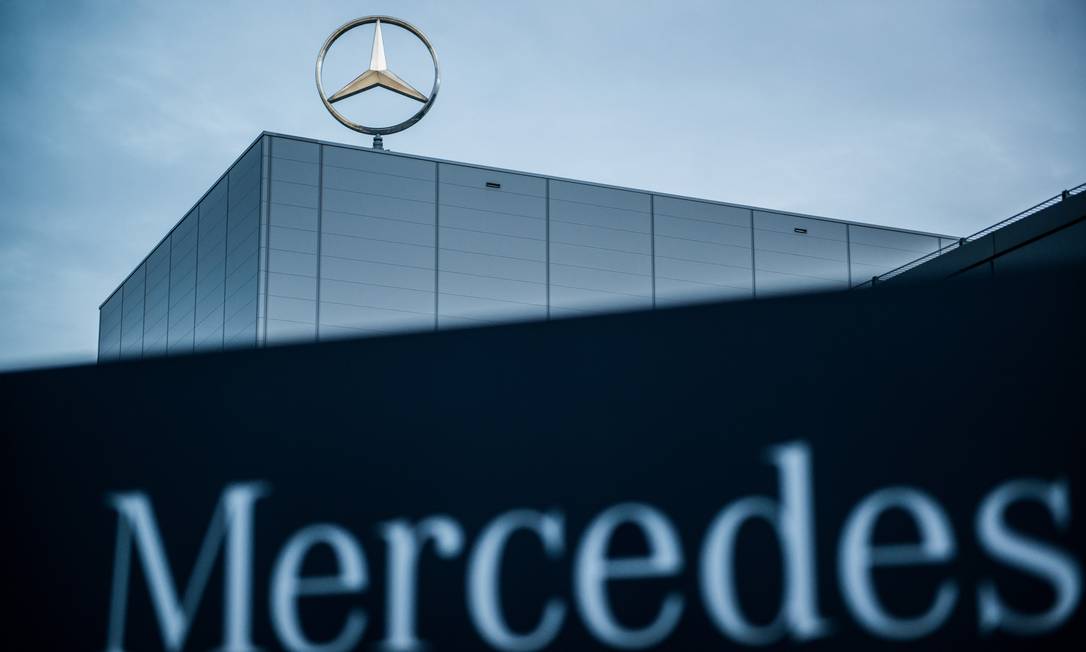
Mercedes Production Will Come Into Effect Starting in 2024 and Will Also Happen with Batteries for Electric Cars
Markus Shafer, Development Director, stated that Mercedes-Benz is determined to produce its own motors for electric cars starting in 2024. The same approach will be taken regarding batteries, whose supply will be entrusted only to joint ventures that the German company helped establish. The development director explained this new strategy of the Stuttgart group during an interview with the German magazine Automobilwoche.
More News:
- Largest Solar Power Plant in Brazil Signs Contract with Nextracker for Supply of Solar Trackers
- Rio de Janeiro Has Plans for All City Buses to Be Powered by Solar Energy by 2050
- In Macaé, Laid-off Offshore Workers in Quarantine Cannot Receive Labor Rights
Change in Mercedes-Benz Production
Until now, the motors and other powertrain components for Mercedes-Benz electric cars have been purchased from other companies, such as ZF or Valeo. Starting in 2024, this situation will no longer be maintained, not only for the models that will be created on the MMA platform, which is reserved for medium cars, but also for those that will be based on the EA platform, which is reserved for larger cars. Both will utilize components produced by Mercedes itself.
The change in the way Mercedes-Benz operates is due, according to Markus Shafer, to the company’s desire to control the entire propulsion scheme and, to that end, it will deal directly with the battery, motors, and power electronics. In summary, the same processes used for internal combustion engine models will be applied to electric cars.
-
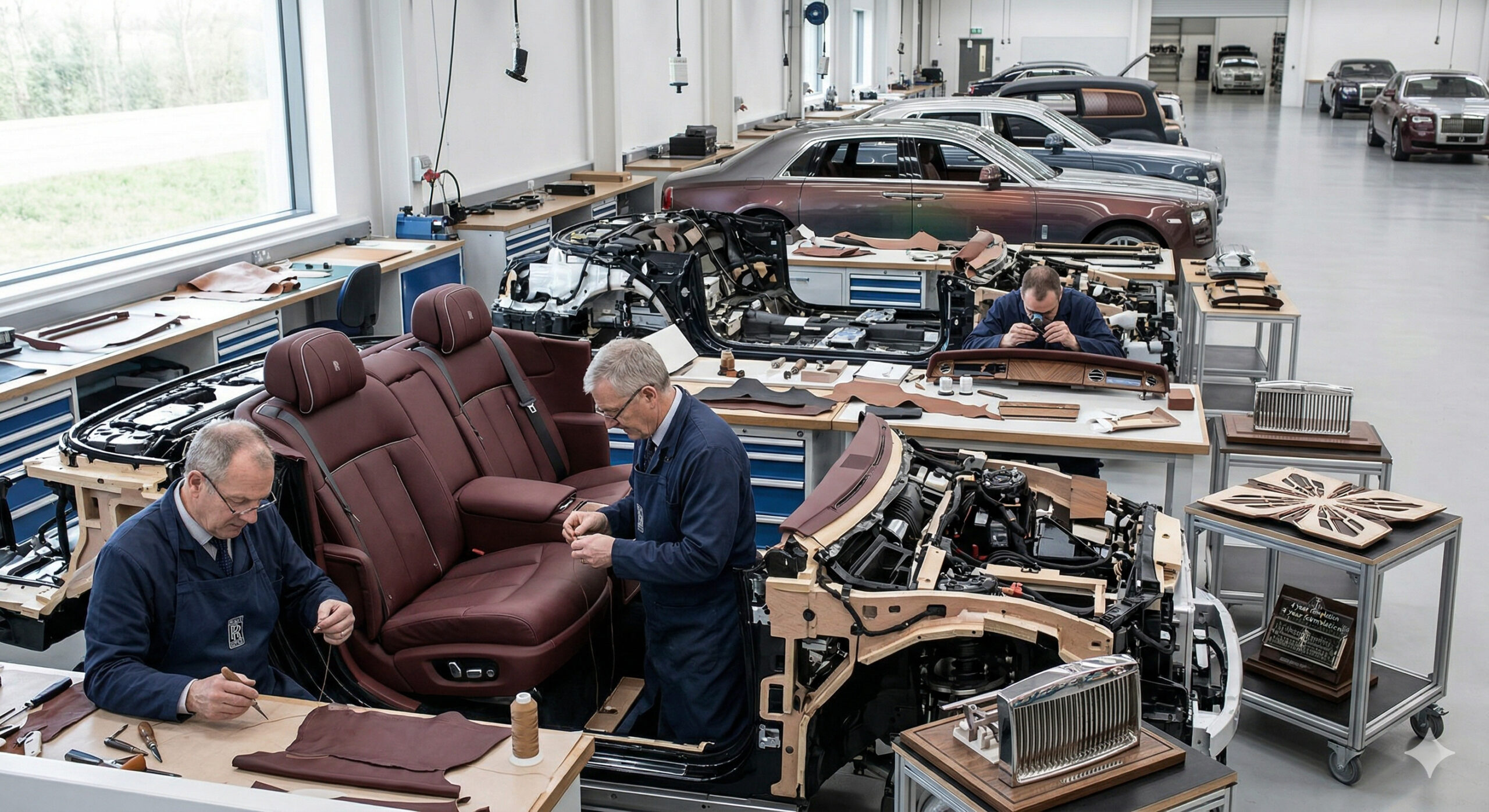
While much of the industry rushes to automate production, Rolls-Royce takes over 600 hours to hand-build each car in Goodwood and still accepts orders so complex that they can take up to four years to be completed.
-
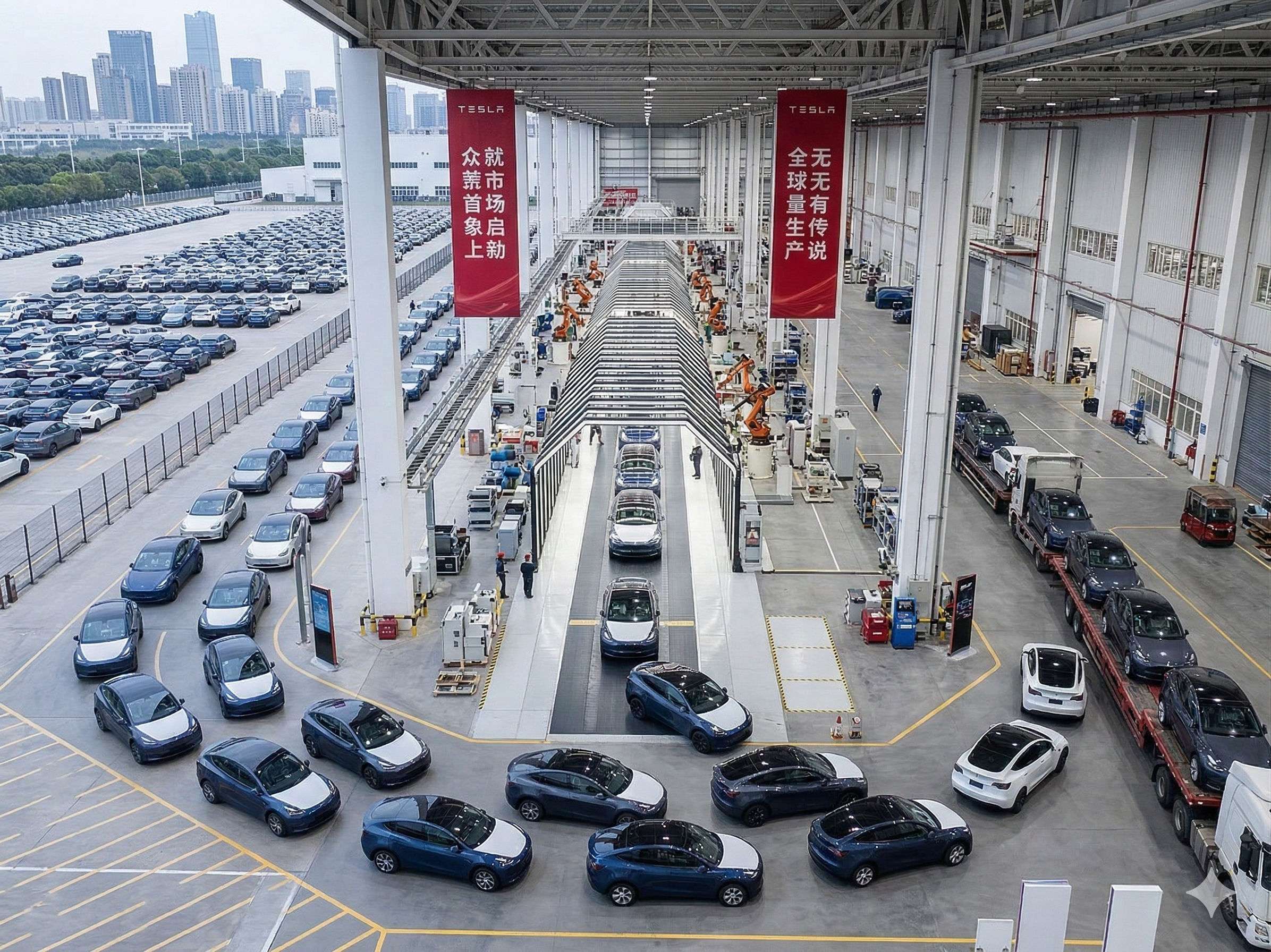
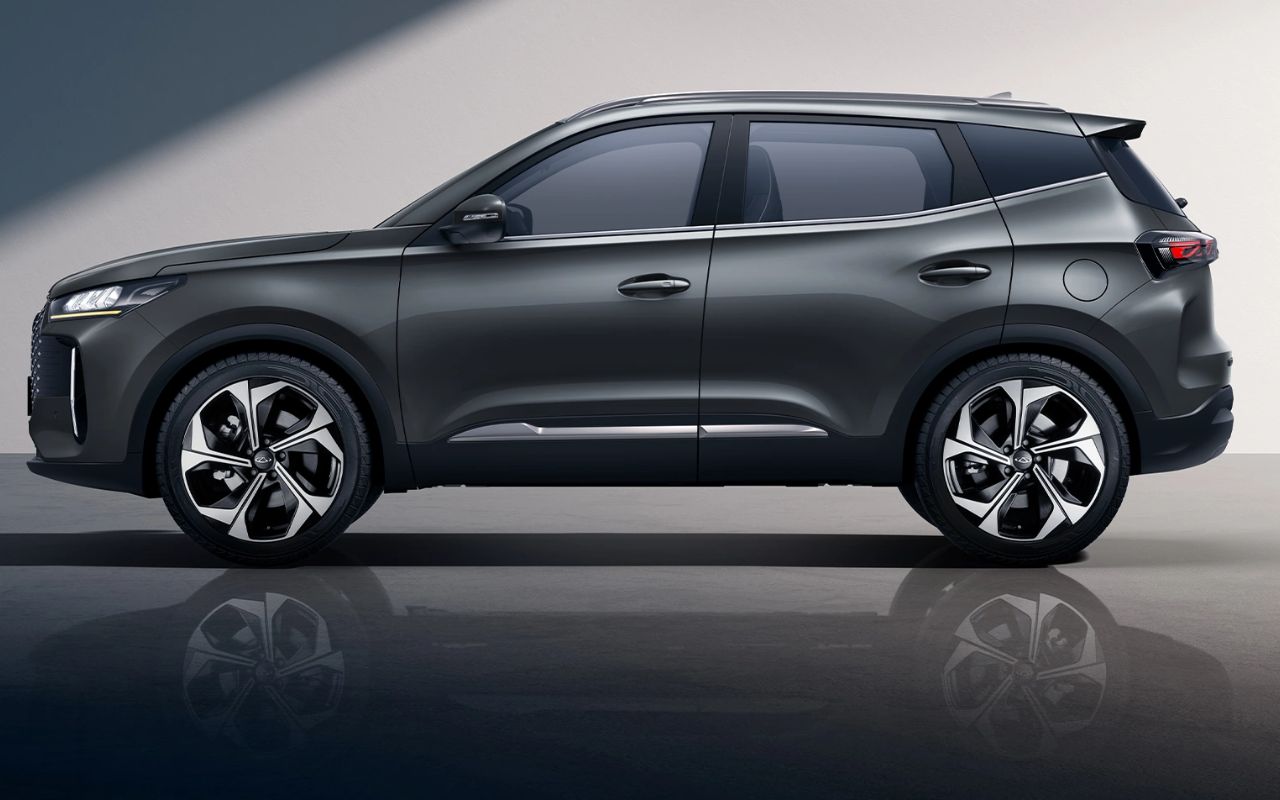
Smaller than the Model Y, lighter, with a single motor and designed to cost less than the current Model 3, Tesla’s new compact electric SUV is born in China and could seal the automaker’s return to the race for mass-market electric vehicles.
-
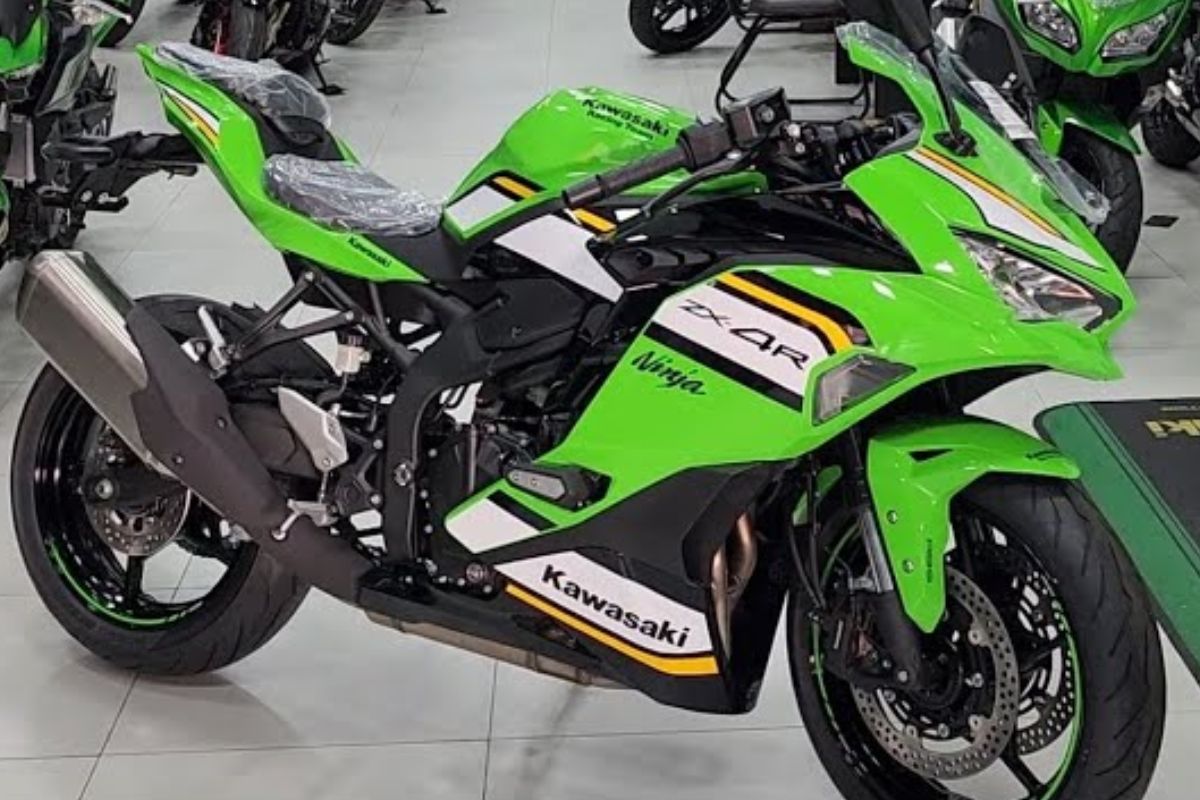
Kawasaki took the technology from its most brutal racing bikes, squeezed it into a 400cc 4-cylinder engine that revs to 15,000 RPM, and created the ZX-4R, a machine that shouldn’t exist in this displacement but is making experienced riders rethink everything they thought they knew about mid-range motorcycles.
-
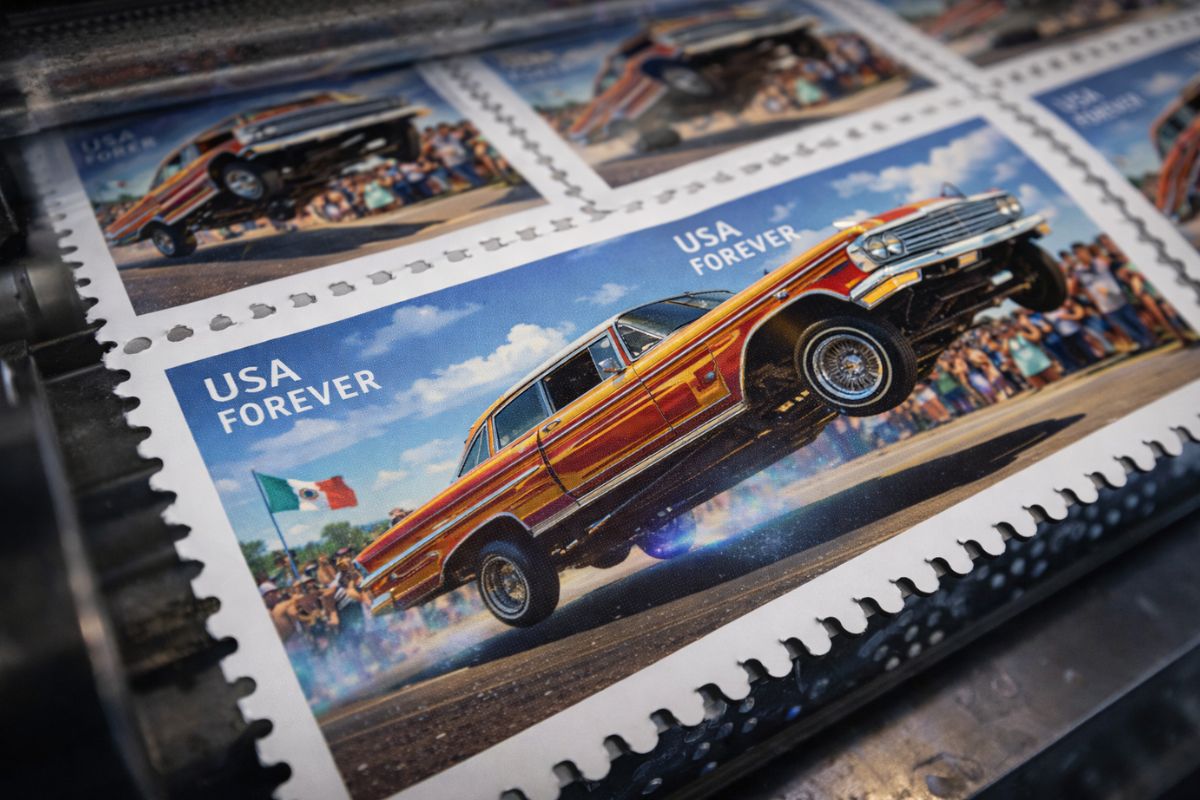
The culture of cars that jump on the asphalt was born in the garages of Mexicans in the 1940s, was treated as a crime in the United States for decades, and has now become an official postage stamp of the American Postal Service in a twist that no one expected.
During the “Mercedes-Benz Strategy Update” event in October 2020, the company had already partially announced its decision to have greater involvement in the production of electric propulsion systems. At that event, Mercedes-Benz made its intention to build the next generation of electric motors for its cars public.
At that time, it was assumed that the German company was only referring to cars designated for the MMA platform. However, it is now known that this decision also pertains to units dedicated to EA.
Plans for the Future
The expectation is that, in the coming years, Mercedes intends to use traditional motors for the most commonly used models and will opt for the more sophisticated Yasa radial flow motors in high-end cars.
As for the batteries, detailed plans have not yet been disclosed, but it is known that Mercedes-Benz will make the most of its stake in ACC, a company dedicated to batteries, in which Mercedes currently holds a total of 33% ownership.
About Mercedes-Benz
Mercedes-Benz is a German automobile brand founded in 1924, resulting from a merger between Benz and Cie. The company is the oldest manufacturer of commercial vehicles in Germany and the world.



Seja o primeiro a reagir!