





 Portuguese
  English
  Spanish
  4 min of reading
  0 comments


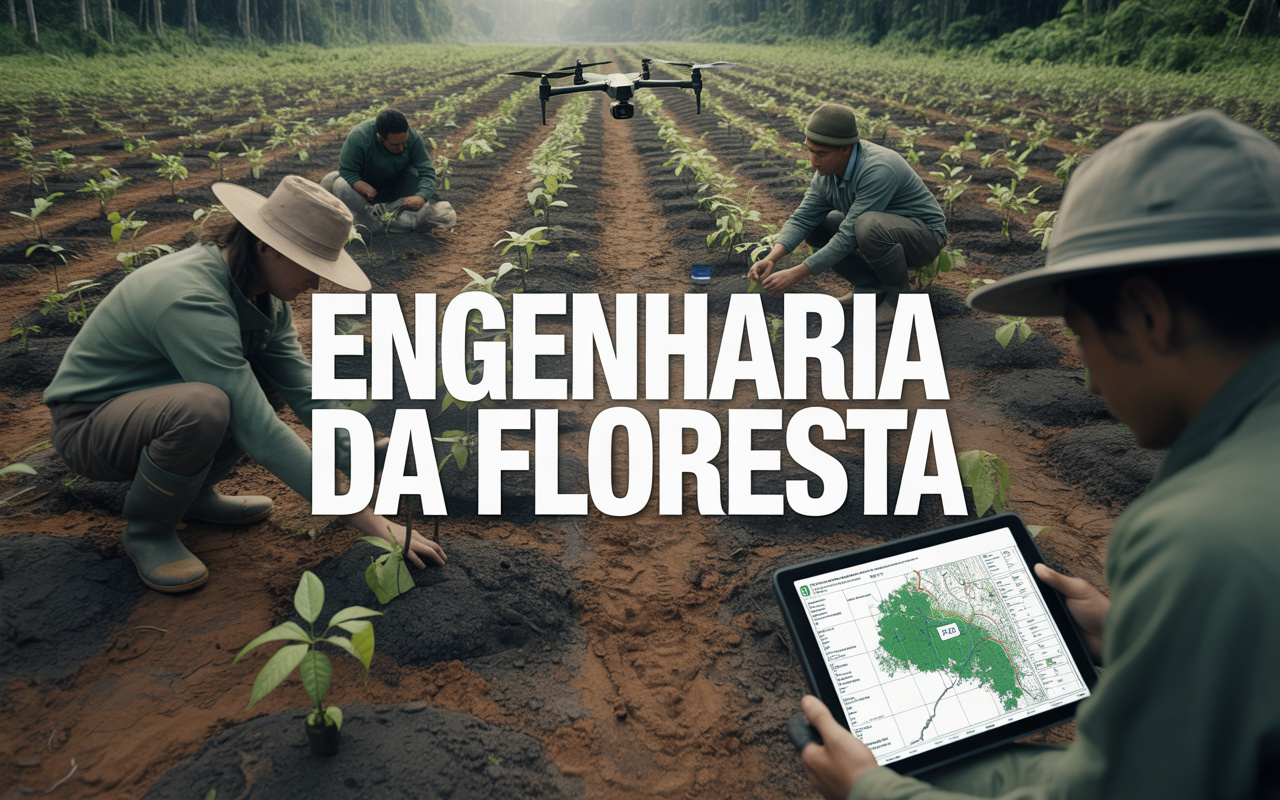
Brazil Bets on “Forest Engineering” to Restore the Amazon, Aiming for 12 Million Hectares by 2030 with Projects Using Native Species and Sustainable Management.
In recent years, Brazil has undergone a profound change in how it deals with the recovery of degraded areas, especially in the Amazon. The country, which holds the largest tropical rainforest in the world, has set ambitious restoration goals and is beginning to implement, on a growing scale, techniques known as “forest engineering” — a set of practices that combine traditional knowledge, ecological science, and management of native species to regenerate soils, restore vegetation, and rebuild fragile ecosystems.
This effort is part of a broader national policy based on the National Plan for the Recovery of Native Vegetation (PLANAVEG), which aims for 12 million hectares restored by 2030, a commitment made in the Paris Agreement.
Although still far from the total goal, the country currently has more than 2,700 mapped projects at different stages of restoration, according to surveys by the Amazon Restoration Alliance initiative. Together, they total over 113,000 hectares recovered, with interventions ranging from small properties to complex community projects. It is a sum that still represents only a fraction of what needs to be recovered, but shows consistent progress in the practical application of regeneration techniques.
-
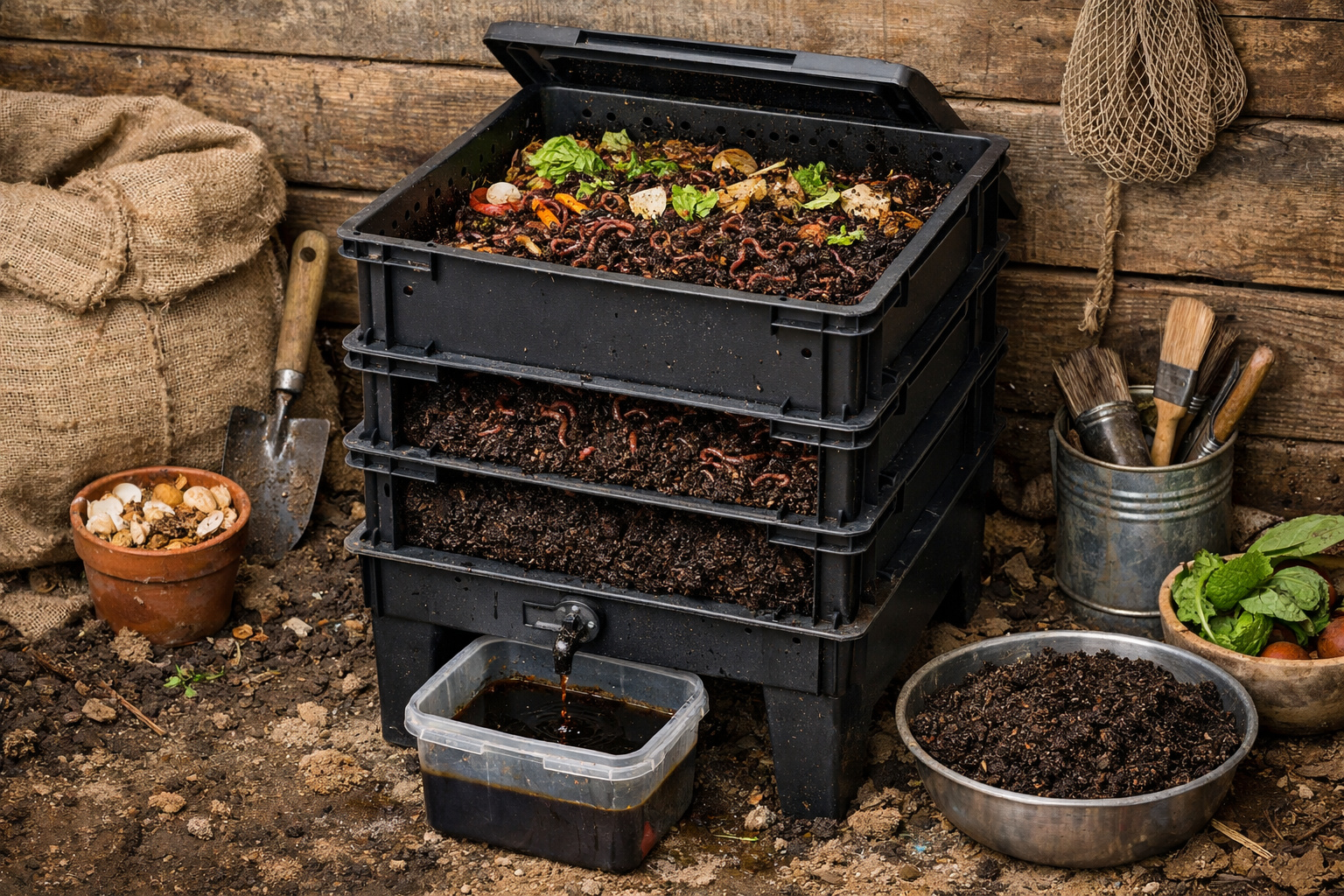
6 sources of free fertilizer that you are throwing away every day and can transform your garden without spending anything.
-
With a water crisis on the radar, Sabesp invests in reclaimed water for data centers and transforms sewage treatment into a solution that saves millions of liters and protects public supply.

-
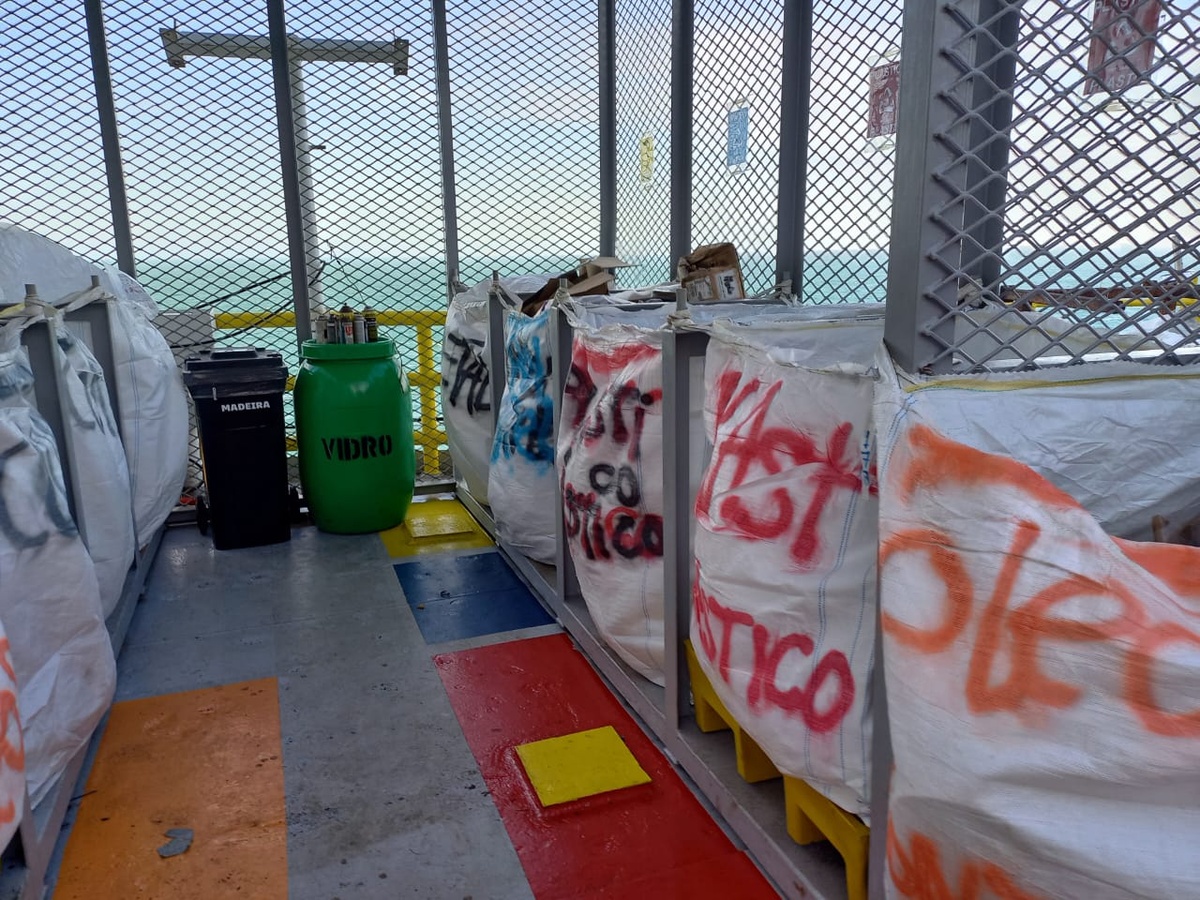
Foresea achieves 100% offshore waste reuse in 2025, eliminates landfill disposal, and consolidates sustainable strategy with 1,500 tons recycled.
-
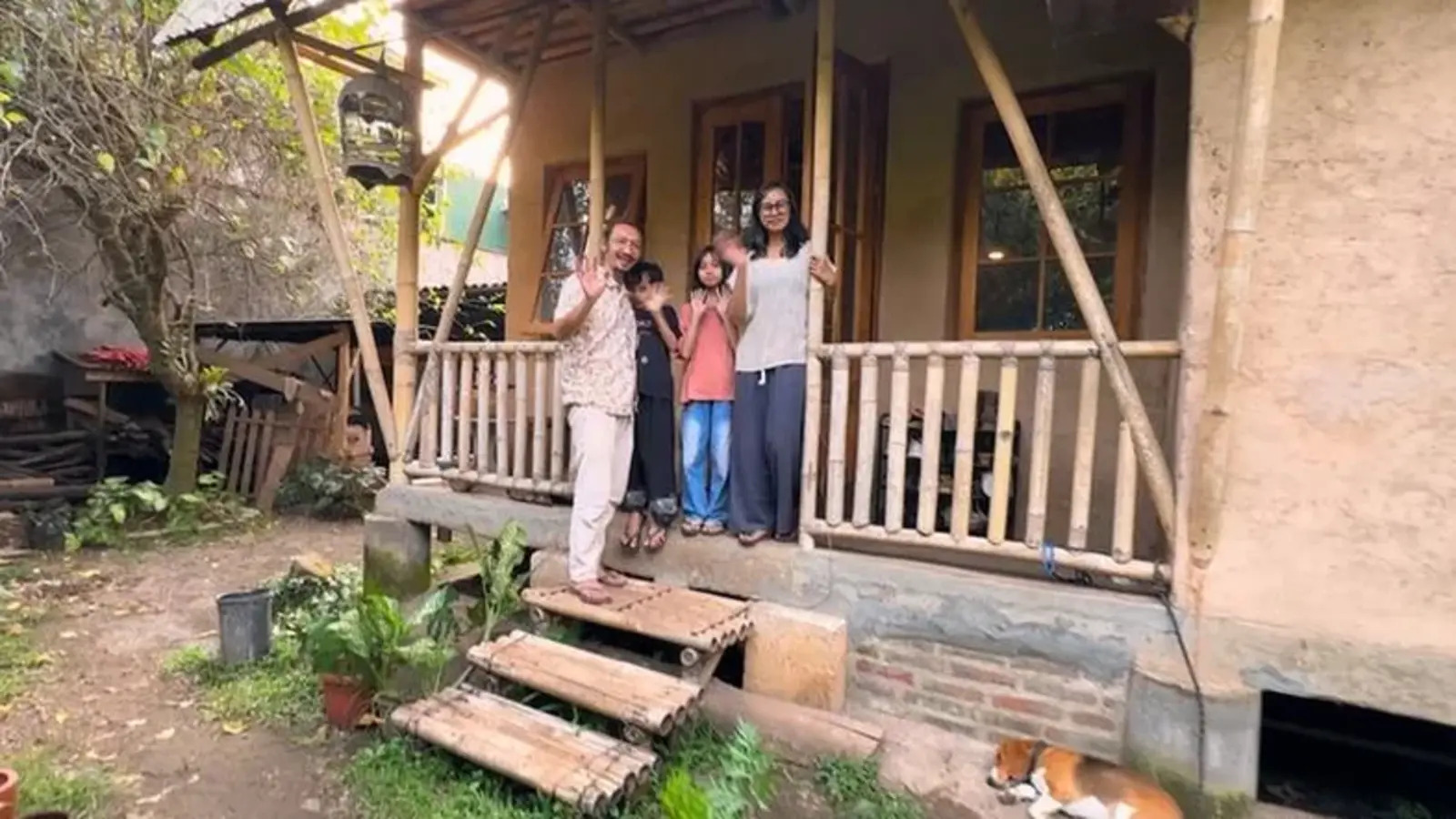
With earth, bamboo, straw, and lime mortar, a specialist builds a house for just over $460 and draws attention for its cost being much lower than traditional construction.

A Forest Reconstructed with Native Species
The foundation of the Amazon restoration process is the careful selection of species. Instead of monocultures or homogeneous plantings, projects prioritize native trees and shrubs — rubber trees, andirobas, Brazil nuts, açaí palms, ipe, jatobá, among dozens of others — selected according to soil type, rainfall regime, root depth, and plant interactions.
It is at this point that so-called “forest engineering” comes into play: a detailed ecological planning approach aimed at simulating the natural logic of the Amazon, allowing the ecosystem to reassemble more efficiently and resiliently.
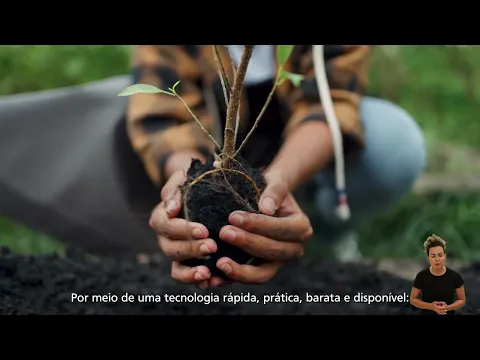

The techniques used include enriching areas already in regeneration, mixed planting of pioneer and secondary species, protecting the soil from erosion, managing scrublands, and using agroforestry systems that combine reforestation with income production for local communities.
In some regions, practitioners of this model report that the initial recomposition of vegetation can be observed in just a few years, with the return of fauna, recovery of soil moisture, and reduction of areas prone to erosion.
The Role of Local Communities and Traditional Knowledge
A large portion of restoration initiatives involves indigenous peoples, riverbank dwellers, and family farmers, who deeply understand the cycles of the forest.
In various locations in Pará and Amazonas, youth from rural communities have been trained to act as environmental agents, collecting seeds, producing seedlings, and monitoring the evolution of restored areas. This process generates income, strengthens the local economy, and enhances the sense of belonging to the territory.
In some regions, women’s cooperatives have specialized in the collection and processing of native seeds, supplying nurseries that later provide seedlings for restoration projects and the commercial reforestation market.
The connection between science and traditional knowledge has become one of the most important pillars of contemporary Amazon restoration.
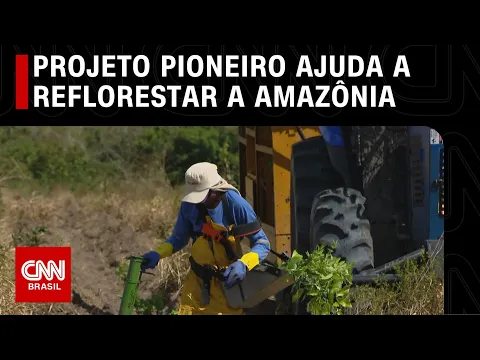
Challenges: Degraded Soil, Extreme Weather, and Insufficient Funding
Despite the advancements, the road to 2030 is long. Many degraded areas have extremely compacted soil, nutrient loss, severe erosion, and the presence of invasive grasses that hinder the growth of native species.
Additionally, the Amazon faces increasingly intense climate extremes: deep droughts, historic floods, and instability in the rainfall cycle, phenomena that directly affect the survival capacity of seedlings.
Another challenge is financing.
Studies published in partnership with the World Bank and Brazilian organizations estimate that restoring millions of hectares requires investments far exceeding those currently available. Without robust growth of environmental funds, international partnerships, and government incentives, the goal of 12 million hectares becomes increasingly difficult to achieve.
Nevertheless, the global trend toward valuing carbon credits, the pressure from international markets for sustainable supply chains, and the expansion of environmental compensation programs have spurred new initiatives.
Why Amazon Restoration Matters to the Whole World
Recovering degraded areas in the Amazon is much more than a regional action. It is an essential component of the planet’s climate stability.
The forest influences rainfall patterns across much of South America, stores enormous carbon stocks, and harbors the largest tropical biodiversity on Earth. Destroyed areas reduce the forest’s ability to perform these functions, while restored regions help reestablish ecological balance.
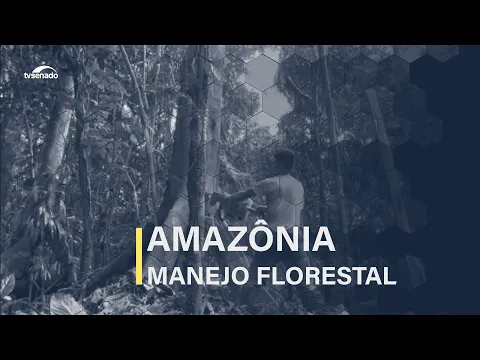
The forest engineering applied in the Amazon has also become a reference for researchers from other tropical biomes, who study the Brazilian model as a possible path to combat degradation in countries in Africa, Southeast Asia, and Central America.
The Reconstruction of the Forest as a Legacy for the Coming Decades
Despite the challenges, restoration in the Amazon is making more consistent progress than in previous decades. Science is more aligned with field practices, and traditional knowledge has gained recognition as an essential element of the process.
As projects multiply, the awareness that regenerating destroyed ecosystems is not optional but a necessity to keep the country competitive, sustainable, and integrated with global environmental demands is also growing.
The goal of restoring 12 million hectares by 2030 requires joint effort but represents a historic opportunity: to rebuild degraded areas, protect biodiversity, strengthen local communities, and show the world that regeneration is possible when science, planning, and social participation come together.








-

-

3 pessoas reagiram a isso.