





 Portuguese
  English
  Spanish
  3 min of reading
  0 comments



Quick Diagnosis: Context and Main Results
Since December 10, 2023, Milei has taken power facing a severe crisis.
Inflation exceeded 200%, the fiscal deficit was persistent, and reserves were negative.
Despite this scenario, INDEC recorded, in the first semester of 2025, poverty reduction to 31.6% — the lowest level in seven years.
Therefore, the result was seen as a sign that liberal reforms and fiscal austerity can generate tangible social impacts.
Legacy and Initial Collapse
Upon taking office, Milei found a country in collapse.
Inflation was over 200%, the currency was devalued, and the fiscal deficit reached 6% of GDP.
In the first semester of 2024, poverty rose to 52.9%, according to INDEC.
This jump reflected years of unsustainable policies.
During the Kirchnerist period, broad subsidies and excessive monetary issuance disorganized the economic system.
Moreover, the public administration grew uncontrollably.
As a result, national productivity declined and society became dependent on the State.


Economic Reform and Stabilization
After taking office, Milei started a program of structural reforms.
Among the measures, there were public spending cuts and the elimination of energy and transport subsidies.
The government also promoted a rigorous fiscal adjustment and economic deregulation, revoking more than 300 rules that hindered the productive sector.
Additionally, it reformulated social programs such as Basic Income of Freedom, which conditions benefits on training and employment.
As a result, market confidence began to be restored, and the formal sector reacted.
According to Milei, “inflation is the most regressive tax on the poor — combating it is to liberate them.”
The statement was made in Davos, in January 2025, and symbolized the tone of his policy.
-
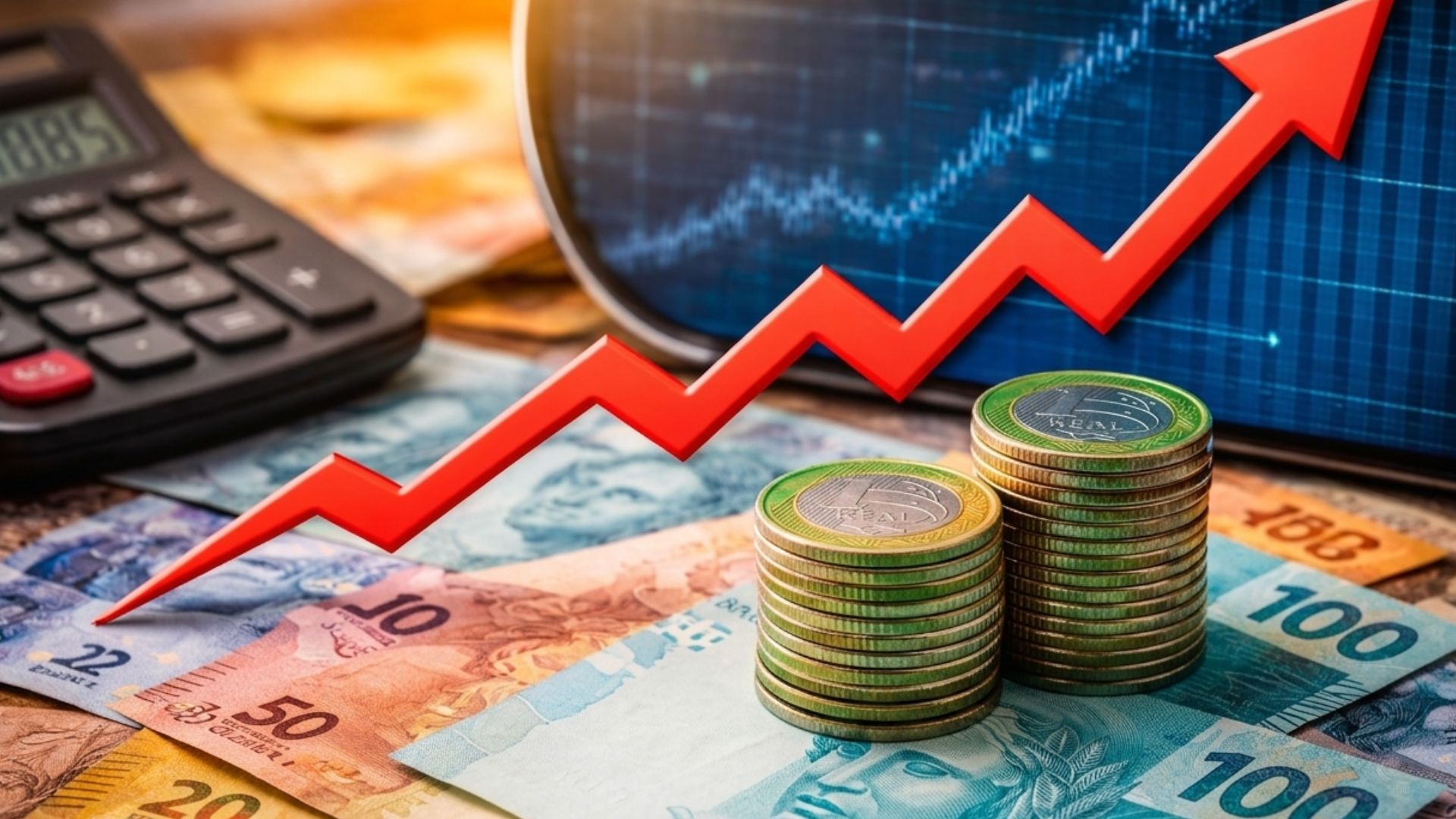
Inflation in March reaches 0.88% according to IBGE and pressures the Brazilian economy, impacting family budgets and requiring more strategic decisions to maintain financial control.
-
In Paraná, distributor Pacto connects 100% of the load in Coronel Vivida to batteries: a BES of 10 MW and 20 MWh costs just over R$ 30 million and lowers the local tariff now.

-
With a dependence of up to 80% on gas imported from the United States, Mexico is responding with a robust energy strategy, betting on shale gas, creating a scientific committee, and preparing to expand natural gas production to reduce vulnerability and strengthen its energy security in the coming years.

-
The United States proposes to Brazil a critical minerals agreement with a minimum price to combat Chinese dumping and priority for investment, but the Planalto is blocking the signing out of fear of upsetting China and due to electoral calculations in a year of competition.

Impact on the Numbers: Inflation, GDP, and Employment
In 2023, annual inflation exceeded 200%.
However, in April 2025, the monthly index fell to 2.8%, according to INDEC.
In May, the rate was only 1.5%, the lowest value in five years.
In June, despite a slight increase, stability was maintained.
While inflation was slowing down, GDP grew by 5.2% in the first quarter of 2025.
This advancement was driven by agro-industrial exports and mining.
As a result, 450,000 formal jobs were created, the highest number since 2011.
Furthermore, the policy of fiscal cuts combined with social programs reduced impacts on the most vulnerable.
The government achieved zero fiscal deficit, restoring the confidence of foreign investors and stabilizing the exchange rate.
Thus, the country avoided a new inflationary spiral and consolidated the fall of imported inflation.
Counterpoints and Resistance
Even with the advances, critics question the official narrative.
The opposition insists on speaking of “generalized misery” and accuses the government of hiding negative data.
Although statistics show a decrease in poverty, part of the population claims that living standards have not yet improved.
According to analysts, foreign NGOs and some media outlets maintain an openly critical stance, often associated with ideological disputes.
However, evidence indicates that the combination of austerity and economic liberalization produced significant and measurable social results.
Conclusion and Outlook Ahead
By mid-2025, Argentina managed to significantly reduce poverty.
The economic reforms implemented by Milei triggered rapid effects, albeit controversial.
On the other hand, the country faces ongoing challenges, such as political polarization and social pressure.
Maintaining stability will require planning and dialogue.
For analysts and economists, it will be essential to monitor indicators in the coming semesters.
Additionally, cross-referencing official data with independent sources will help to understand the real extent of these transformations.
With this, the Argentine government will be able to confirm whether the current cycle is sustainable or just a temporary truce from the historical crisis.









-

2 pessoas reagiram a isso.