





 Portuguese
  English
  Spanish
 3 min of reading


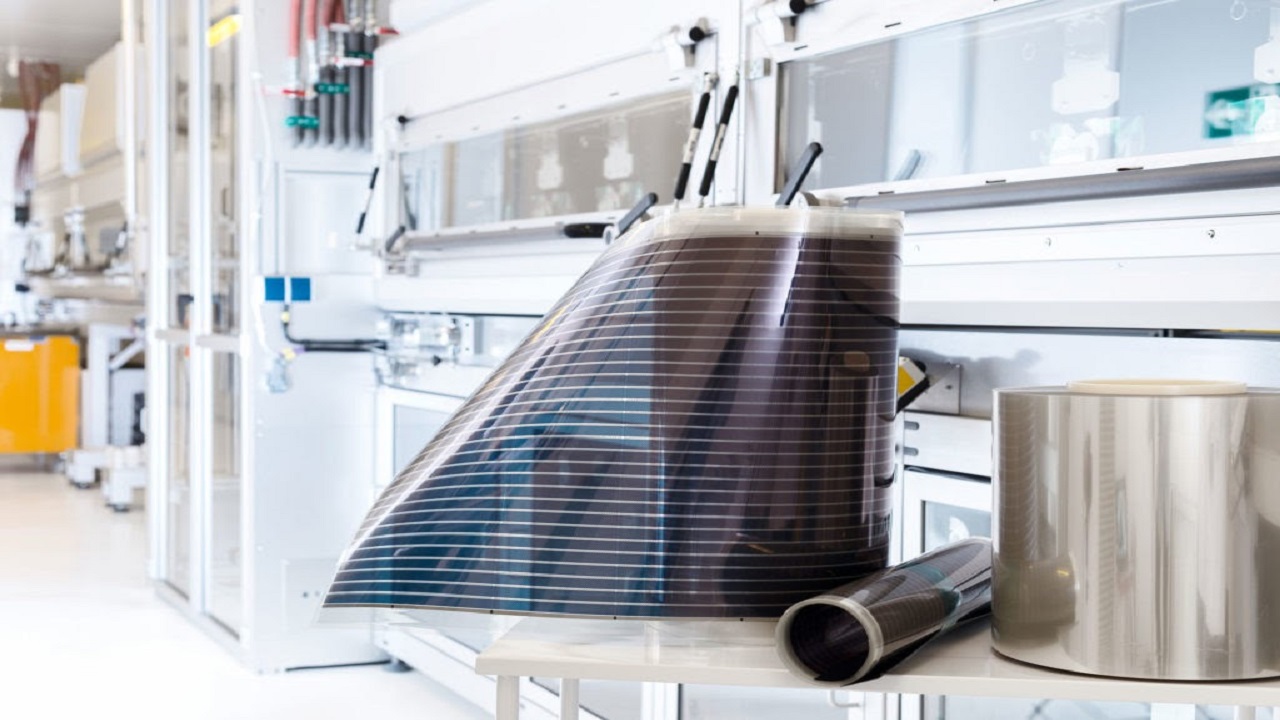
With The Goal Of Promoting Sustainability, The Institute CSEM Brazil, In Minas Gerais, Developed A Solar Panel Made From Organic Material, After 10 Years Of Research
The Institute CSEM Brazil is developing an organic solar panel. The technology has been researched for over ten years at the Institute’s applied research center, located in Belo Horizonte, Minas Gerais. The solar energy technology is lighter and more transparent than conventional models available on the market.
Read Also
Transparent Solar Panel
The goal of the institute in Minas Gerais is to obtain green energy everywhere, thus, the organic solar panel, when produced on a large scale, will be 30 times cheaper than traditional silicon solar panels available on the market.
At the moment, the organic solar panel from the institute in Minas Gerais is still being tested; however, certain machines have already been built and adapted for the printing process.
-
Renewable energy advances over protected areas in Brazil, and a survey by the Energy Transition Observatory reveals silent impacts that challenge environmental conservation and pressure sensitive traditional territories.

-
Rio Grande do Sul accelerates energy transition: State invests in renewable technologies and consolidates decarbonization strategies and pathways to attract billions in new industrial investments.

-
With 160,000 m² of collectors, an area larger than 20 football fields, Silkeborg, in Denmark, hosts a solar thermal plant that heats 19,500 homes and could become the largest solar heating plant in the world.

-
A study reveals the expansion of renewable energy procurement in Brazil and shows how companies are taking advantage of opportunities to reduce expenses, ensure energy efficiency, and strengthen strategic environmental commitments.


How Is The Organic Solar Panel Built?
The solar panel is made of a plastic film, onto which carbon-based inks are printed that can transform sunlight into energy. Although it has been in development for 10 years, the production process is simple.
The presses, which are similar to those used for newspapers, print the five layers of ink onto the plastic film to create the electrons. Thus, there are two intermediate layers, where the top layer serves to conduct positive charges, while the lower layer transports negative charges.
The last layer, which is printed on the plastic film, is the metallic terminal, which serves to close the entire circuit. For the production of the panel to occur, the whole environment must be yellow, due to the sensitivity of the material used to create the organic solar panels.
During the 10 years of studies to create the organic solar panel, scientists in Minas Gerais discovered that blue light radiation would directly impact the quality of the organic panel, and therefore, yellow lights are essential for the energy production process.
Benefits Of The Organic Solar Panel Created In Minas Gerais
One of the great advantages of the organic photovoltaic panel is its lightness and flexibility, and in addition to all that, it is easy to apply to any type of surface, but certainly the strongest point of the solar panel is that it is produced from organic materials, making it a more sustainable option compared to those made from silicon, which are more common in the solar energy market.










Seja o primeiro a reagir!