Portuguese
  Spanish


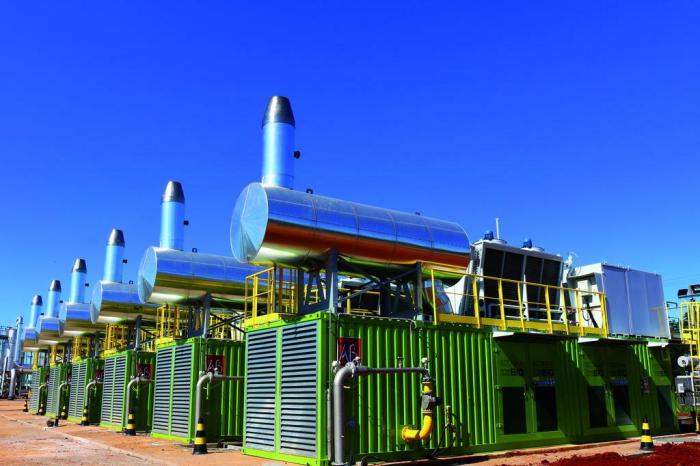

Generated From Organic Matter, Biogas Plants In Brazil Are Seen As An Alternative Source For Electric Energy Generation
Biogas is considered an alternative method of electric energy generation, a type of biofuel with high energy power, derived from agriculture, industry, or food processing and industrial processes. In 2019, electricity generation from bioenergy was 54.9 TWh. This corresponds to 9% of the Brazilian energy matrix during the period, with 67.1% coming from sugarcane bagasse and straw and 2.1% from biogas.
Check Out Other News Of The Day:
- Multinational BRF Opens 250 Job Vacancies For Elementary School Candidates In The Role Of Production Operator
- With An Investment Of R$ 125 Million, Construction Of An Automotive Factory In Paraíba Should Generate About A Thousand Jobs
- Lyon Engenharia Has Over 40 Job Openings For Minas Gerais, São Paulo, Maranhão And More
Biogas is a renewable resource, has advantages and disadvantages, and can be durable and reliable. It is made from the production of byproducts from sugarcane and ethanol, such as bagasse, filter cake, straw, and distillery grains, and can be used as a substitute for natural gas, providing electricity, heat, or both for gas production. If converted into biomethane, it will become a substitute for diesel.
The Solid Waste Scenario of Brazil 2018-2019 shows that 51% of urban solid waste represents 36.5 million tons of organic matter. Only 1% of discarded waste is reused as fertilizer, gas, and even energy. Therefore, Congress aims to create a bill that establishes federal policies for natural gas and biogas. This way, incentives will help the industry reach its maximum production capacity and consolidate itself, becoming an economic reference for Brazil.
-
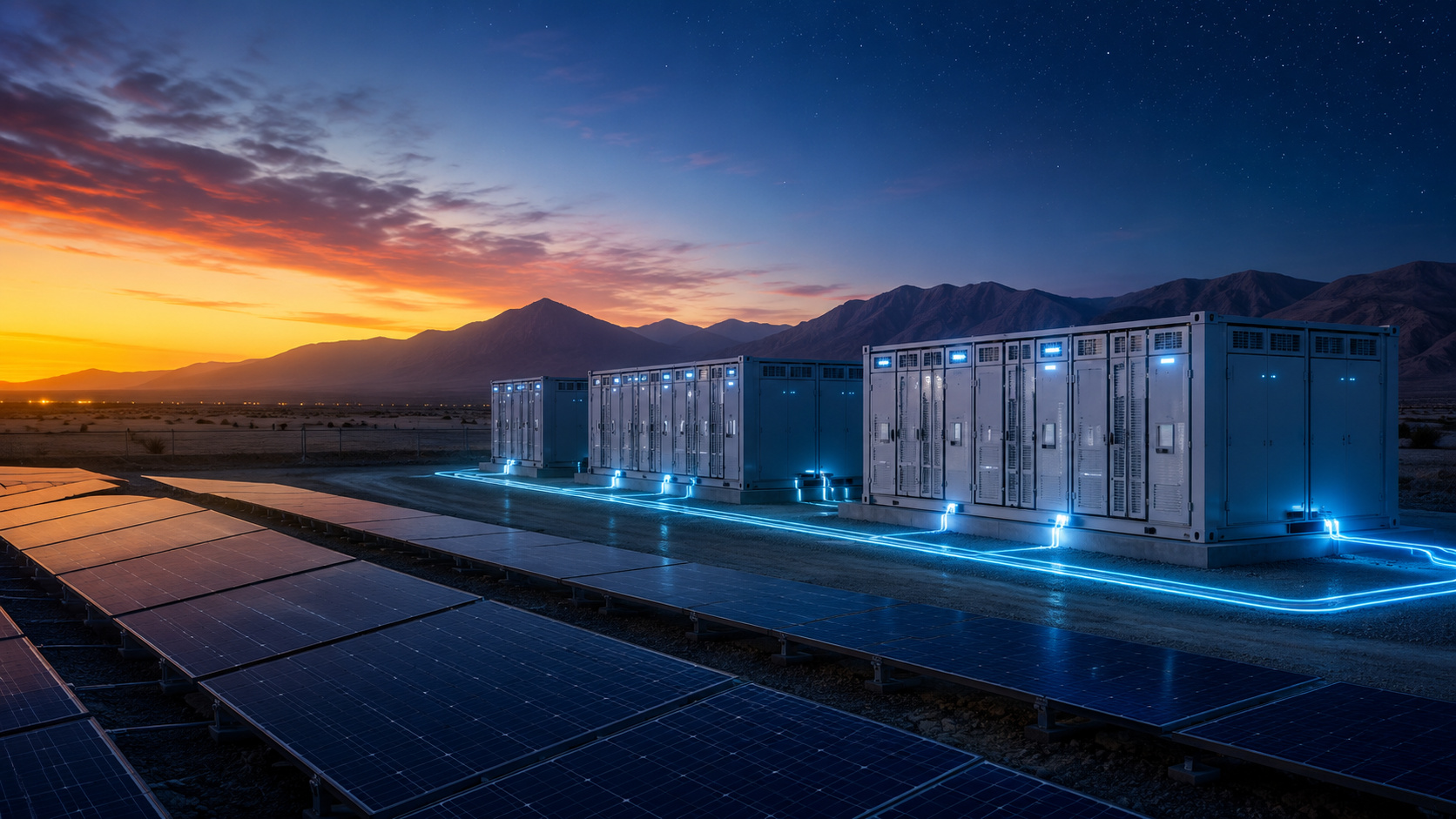
Giant Batteries Take Center Stage in Chile Auction as Company Offers 960 GWh of Solar Energy for Nighttime Use, Aiming to Stabilize Solar Power Supply

-
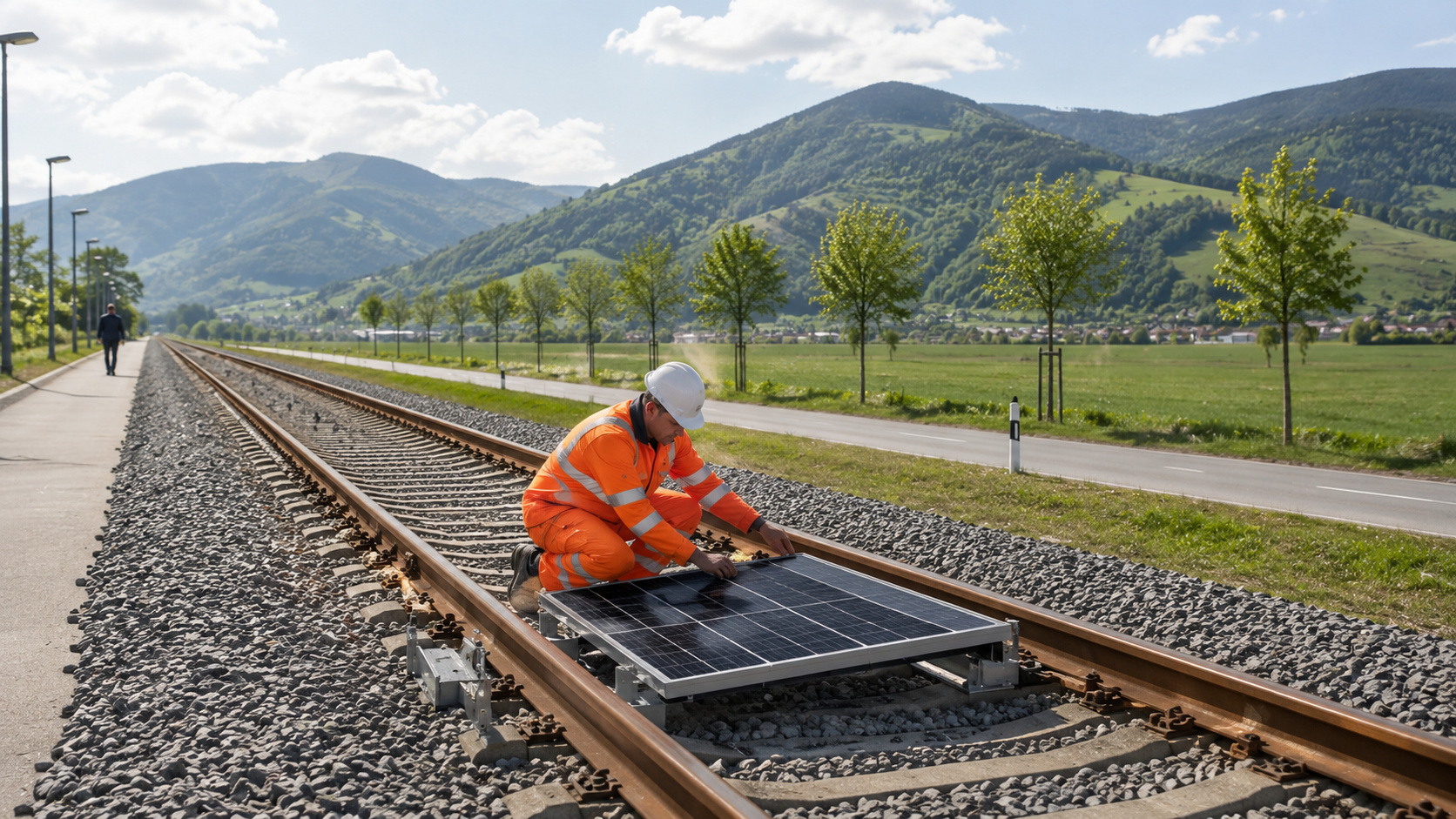
After a Year of Success in Switzerland, Solar Railway Attracts Italy’s Interest for Clean Energy Transformation
-
Robots Clean Solar Panels in Desert Power Plants Without Water, Preventing Energy Losses
-
Brazil’s Offshore Wind Energy Potential Worth $1 Trillion Stalled by Long-Delayed Agreement



The Center for Innovation in Gas Research Highlighted Its Impact: If All Waste Is Used At The Sugar Mill In The State Of São Paulo, The Potential Utilization Of Biogas For Electric Energy Generation Will Reach About 32 TWh. This Corresponds To 40% Of The Total Production Of The Itaipu Plant Last Year.
For The Organizers, The Sugarcane Industry Union (UNICA), The Association of Combined Heat And Power Industries (COGEN), And The Brazilian Biogas Association (ABiogás), Incentives For Production Expansion Will Help Modernize Brazilians In The Energy Sector.
See Below The Advantages Of Biogas:
- The Generation Of Electric Energy From Biogas Presents The Highest Capacity Factor When Compared To Other Renewable Sources;
- It Can Be Stored Or Dispatched Continuously For Generation, Without Any Harm To The Distribution Networks;
- With Biogas Production Systems Cost-Competitive With Substitute Energies, It Can Replace The Use Of Firewood As An Energy Source In Homes Outside The Distribution Network And Natural Gas;
- It Is Also An Option With Environmental, Economic, And Social Advantages For Replacing Gas For Industrial, Commercial Use And Diesel Oil In Truck, Bus And Agricultural Machinery Fleets;
- The Cost Structure Of Biogas Is Predictable. Prices Are In Reais, Without Exposure To International Commodity Markets Or Exchange Rates.