





 Portuguese
  English
  Spanish
  4 min of reading


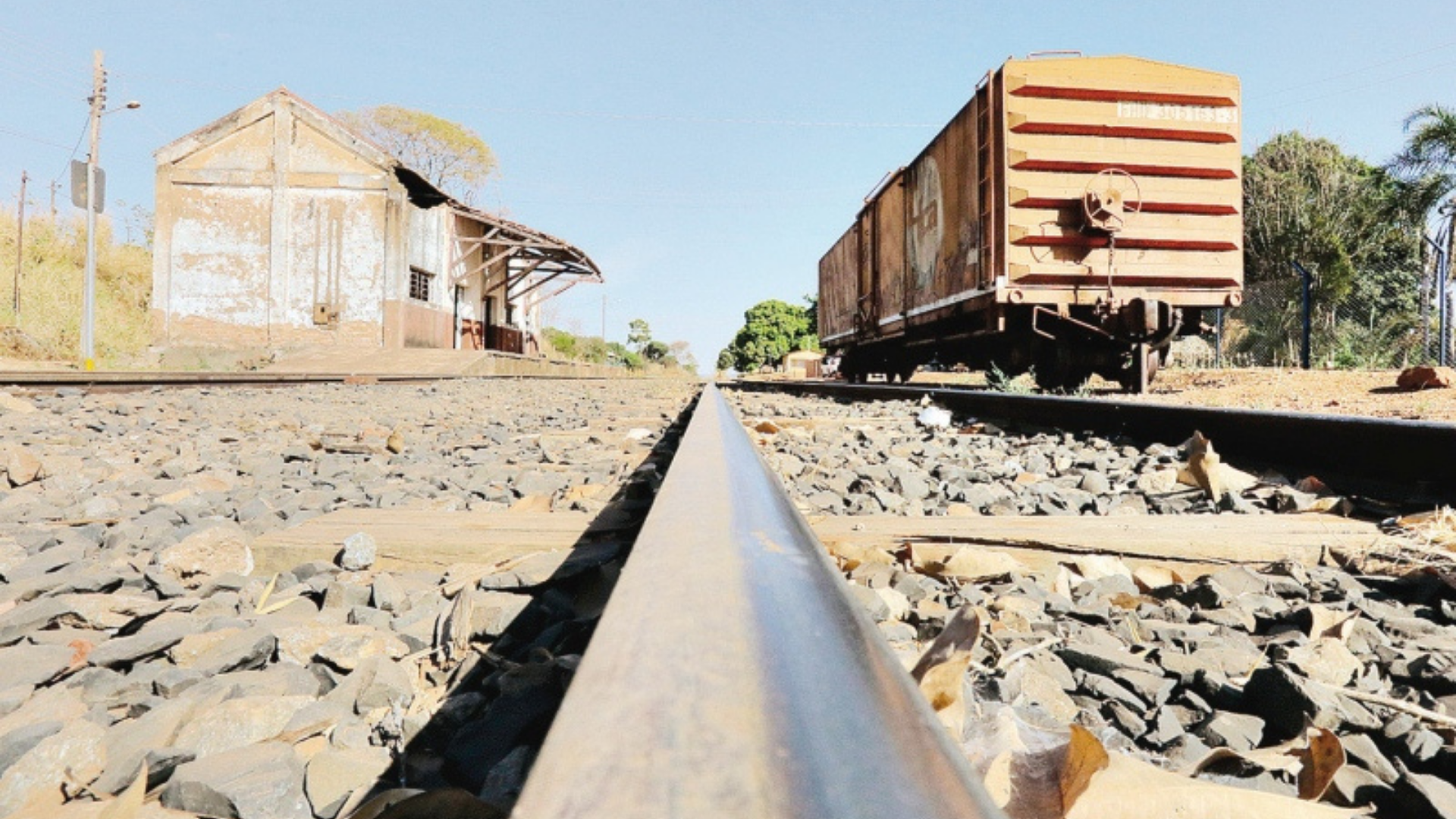
The Ministry of Infrastructure Announced Receipt of Two New Requests from Mining Companies for the Construction and Operation of Railways
The Ministry of Infrastructure received two new requests from mining companies for the construction and operation of railways. According to the ministry, Morro do Pilar Minerais proposed a railway with a length of 100 kilometers and an investment of R$ 1 billion, to transport iron ore (bulk solids), linking Colatina and Linhares (ES). And Brazil Iron Mineração plans 120 kilometers in Bahia, between a railway terminal in Abaíra and Brumado. Also read this news: Bracell plans to invest R$ 250 million in the construction of a new railway in the state of São Paulo
- ArcelorMittal, one of the leading companies in the global steel market, is accepting applications for its 2022 Internship Program
- LG has internship openings for 2022 in the regions of Goiânia and Belo Horizonte
- Solar Coca-Cola opens 400 spots for free professional training courses for teenagers and young people in Alagoas
- How to ensure investments to attract companies to set up and create jobs in the naval sector of the state of Rio?
- Chinese BYD intends to launch the Song Plus, a hybrid SUV with 1,200km of range, in Brazil
Requests for the Construction of New Railways Reach R$ 84 Billion
With the new requests filed at the ministry, the demands for the creation of railway lines in the country under the new railway authorization model launched in September amount to 21, or nearly R$ 84 billion in investments and 5,600 kilometers of new tracks. The requests are under analysis by the team at the National Secretary of Terrestrial Transport. Almost 15 of them are being evaluated by ANTT (National Agency for Terrestrial Transport).
Until the enactment of Provisional Measure 1.065, on August 30, 2021 (“MP 1.065/21”), public railways could only be constructed or operated by private companies under concession or permission, always through bidding. The Union is the holder of the services (art. 21, XII, “d”, of the CR/88), which, as a general rule, is responsible for granting the railway transport service, according to art. 20 of the national navigation system law (law 12.379, of January 6, 2011). For this reason, the Ministry of Infrastructure and the National Agency for Terrestrial Transport (ANTT) will be responsible for implementing the changes brought by the new regulatory railway framework.
-
China alone accounts for 70% of trade within the BRICS, while Brazil establishes itself as an essential supplier of food and minerals: understand how the group, which already represents nearly 40% of the world’s GDP, is changing the game.

-
Starting in May, those who do not have registered biometrics will not be able to apply for Bolsa Família, sickness benefits, or unemployment insurance: understand the new rule that changes access to benefits for millions of Brazilians.

-
A new law being voted on in Brazil proposes a minimum fare of R$ 10 per trip and R$ 2.50 per kilometer for Uber and 99 drivers, and promises to ensure they earn as well as taxi drivers did during the golden age of taxis in the country.

-
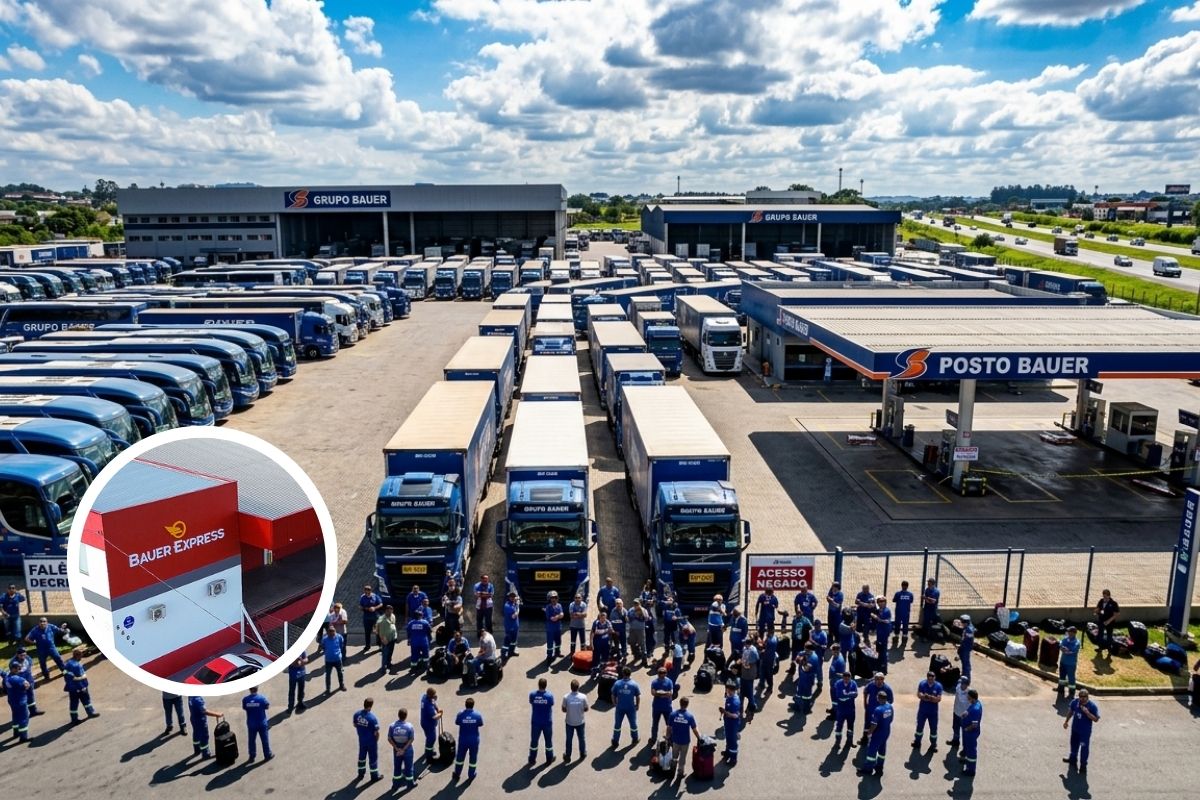
Bauer Group collapses after failed judicial recovery: 25 years, 800 vehicles, and a network of gas stations leave a debt of R$ 50 million and 100 layoffs, exposing costs, tight margins, and expensive credit in Brazil.

Approval of the Legal Framework
In public railways, in addition to the current concession grant model, a more simplified granting process by permission will be allowed. Another novelty of the provisional measure is the simplification of the procedure for providing railway transport services as an Independent Railway Operator. Now, it is enough to present the required documentation to the National Agency for Terrestrial Transport (ANTT) and the authorization will be issued automatically.
The measure also allows current concessionaires, if harmed by the entry into operation of authorized railways or if they commit to expanding the service, to migrate to the new legal authorization regime. This migration will not harm obligations contained in current contracts regarding investments and the maintenance of passenger transport.
Also Read: Mineradora Vale Reports That Railway Construction Could Cost R$ 8.7 Billion
The mineradora Vale recently announced that the construction of the Midwest Integration Railway (FICO) in the state of Mato Grosso could cost up to R$ 8.7 billion, a value that exceeds the initial estimate made by the company to the Ministry of Infrastructure by R$ 6 billion. The railway will have approximately 400 kilometers of length and will connect the cities of Mara Rosa in Goiás and Água Boa in Mato Grosso. The works were supposed to have started in April this year, but the project remains in the initial stage.
The mineradora Vale previously signed a contract with the Federal Government at the end of last year, expecting to invest about R$ 2.73 billion in FICO over the estimated four years of completion. However, the company announced that it will spend R$ 6 billion more than expected. According to the Ministry of Infrastructure, “the railway project to be built by mineradora Vale underwent fine adjustments to meet the environmental component, which is essential to ensure the sustainability of the enterprise, resulting in changes to the engineering project.” The ministry states that the installation of the railway’s worksite and lodging began this month and that the manufacture of the pre-molds to be used in the enterprise will occur in September.








Seja o primeiro a reagir!