





 Portuguese
  English
  Spanish
  4 min of reading


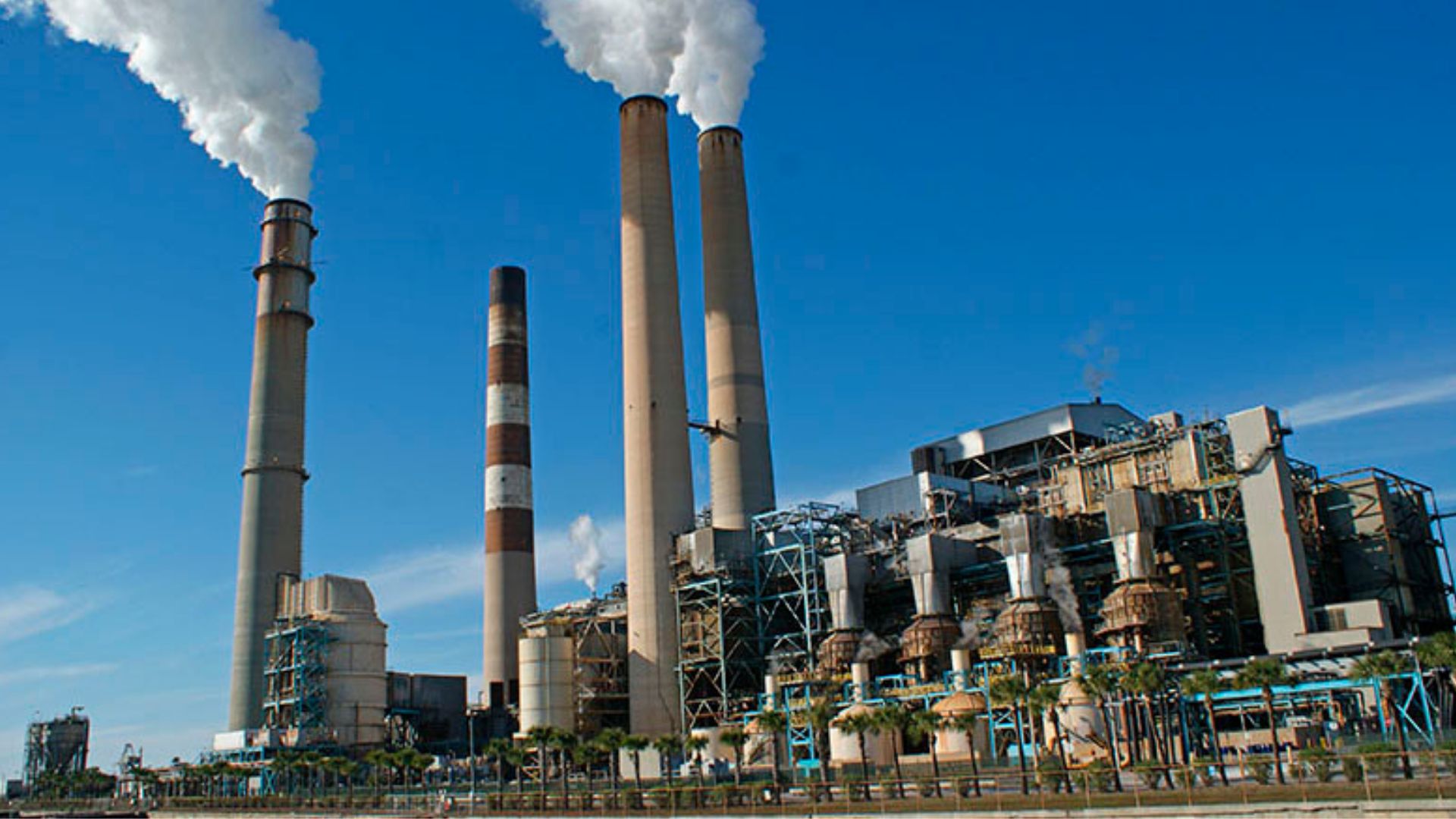
Bento Albuquerque, The Minister of MME, Says That The Use of Thermoelectric Plants Does Not Mean “Dirtying” The Brazilian Energy Matrix
In an interview with the website epbr, Bento Albuquerque, Minister of MME (Ministry of Mines and Energy), emphasized the importance of energy generated by thermoelectric plants. Bento states that it is necessary to use the plants to maintain the energy security of the country and that the expansion of thermal generation does not mean “dirtying” the country’s energy matrix. Check out this news: MME predicts investment of R$ 20 billion with a program that extends the use of coal-fired thermoelectric plants
- To Encourage The Use of Compressed Natural Gas (CNG), The Government of Pernambuco and Copergas Launch Incentive Plan
- The Governor of RN Goes to Denmark to Present The State as a Major Producer of Renewable Energy and Seek New Investments to Foster Jobs and Income
- Shipbuilding: The Naval Technology Cluster of Rio de Janeiro Presents a Business Model Proposal for Naval Recycling in Brazil
- Baker Hughes and The Oil Company Shell Form Partnership to Accelerate Energy Transition
- Chinese Manufacturer Presents Electric SUV with 1000 km Range and Recharge in Just 8 Minutes
Using Thermoelectric Plants Provides Security for The Energy System of Brazil
During the interview, the Minister of MME also stated that thermoelectric plants are to be used and that they represent reserve capacity. Bento further argues that the thermal plants are not used 365 days a year, 24 hours a day. The Minister of MME (Ministry of Mines and Energy) also said that when there is no wind, no sun, no water, thermoelectric plants must be used to ensure security.
Last week, the Minister of MME participated in the 26th United Nations Conference on Climate Change (COP26), which took place in Glasgow, Scotland. The event began on October 31, where the Brazilian government announced its goal to reach a renewable energy participation of between 45% and 50% in the energy matrix by 2030.
-
BNDES releases R$ 129 million for CNH Industrial Brazil to create more modern agricultural machines, with eight projects that include harvesters, accessible tractors, and a planter capable of applying seeds, fertilizers, and inoculants all at once in the Brazilian field.

-
R$ 7 billion forgotten in the FGTS may finally be released after failures in the 2025 measures, while millions of workers find out they may have unclaimed money.

-
Brazil’s oil exports soar with record purchases from China, potentially generating a new cycle of economic growth, increasing external revenues, and consolidating the country as a global strategic supplier.

-
From manual harvesting to robotics: Vacaria, the apple capital, becomes an Embrapa laboratory in Semear Digital, with point-to-point mapping, pest traps, traceability, and 2D orchards to combat labor shortages.
Brazil Will Reach 2030 with Half of Its Energy Matrix From Renewable Sources, Says Minister of MME
On November 3, the Minister of MME also stated that Brazil will reach 2030 with half of its clean energy matrix (using renewable sources). The target announced in documents released by the Ministry of Environment sets the framework for increasing renewables in the matrix. According to Bento Albuquerque, the country has been expanding its energy matrix, such as the growth of solar and wind energy generation.
Bento states that Brazil’s electricity matrix is the cleanest among OECD countries and G-20 countries. The Minister of MME also adds that by using thermoelectric plants, it is part of a matrix that is already considered the cleanest in the world. “But thermoelectric energy, not just in Brazil, but in other parts of the world, is necessary to maintain the energy security of the system. So that is what has been done; we do not make our matrix dirty because of this,” he says.
See Also: States in The Southeast Region Compete to Host The New Nuclear Plant Announced by The Minister of MME
During the participation in the United Nations Conference on Climate Change 2021 (COP 26), in Scotland, the Minister of Mines and Energy, Bento Albuquerque, announced that he is looking for a location for the construction of a new nuclear plant in the country. The Minister of MME emphasizes that new projects in the sector will involve private sector participation.
The construction of the plant is expected to be included in the 2031 Ten-Year Energy Plan (PDE), a document that serves as a basis for planning the sector. With two plants (Angra 1 and 2, in Angra dos Reis-RJ), the matrix currently accounts for less than 3% of all energy generated in the country. The government says it is studying where the new nuclear plant will be built. “Already thinking further ahead, we are working on the PDE 2031, which will be presented at the beginning of next year. In addition to the completion of Angra 3, in 2026/2027, a new nuclear plant will be planned in Brazil. For this, MME, EPE, and Cepel have already started complementary studies to locate new nuclear sites in Brazil,” said the Minister of MME.







Seja o primeiro a reagir!