





 Portuguese
  English
  Spanish
 4 min of reading
  0 comments


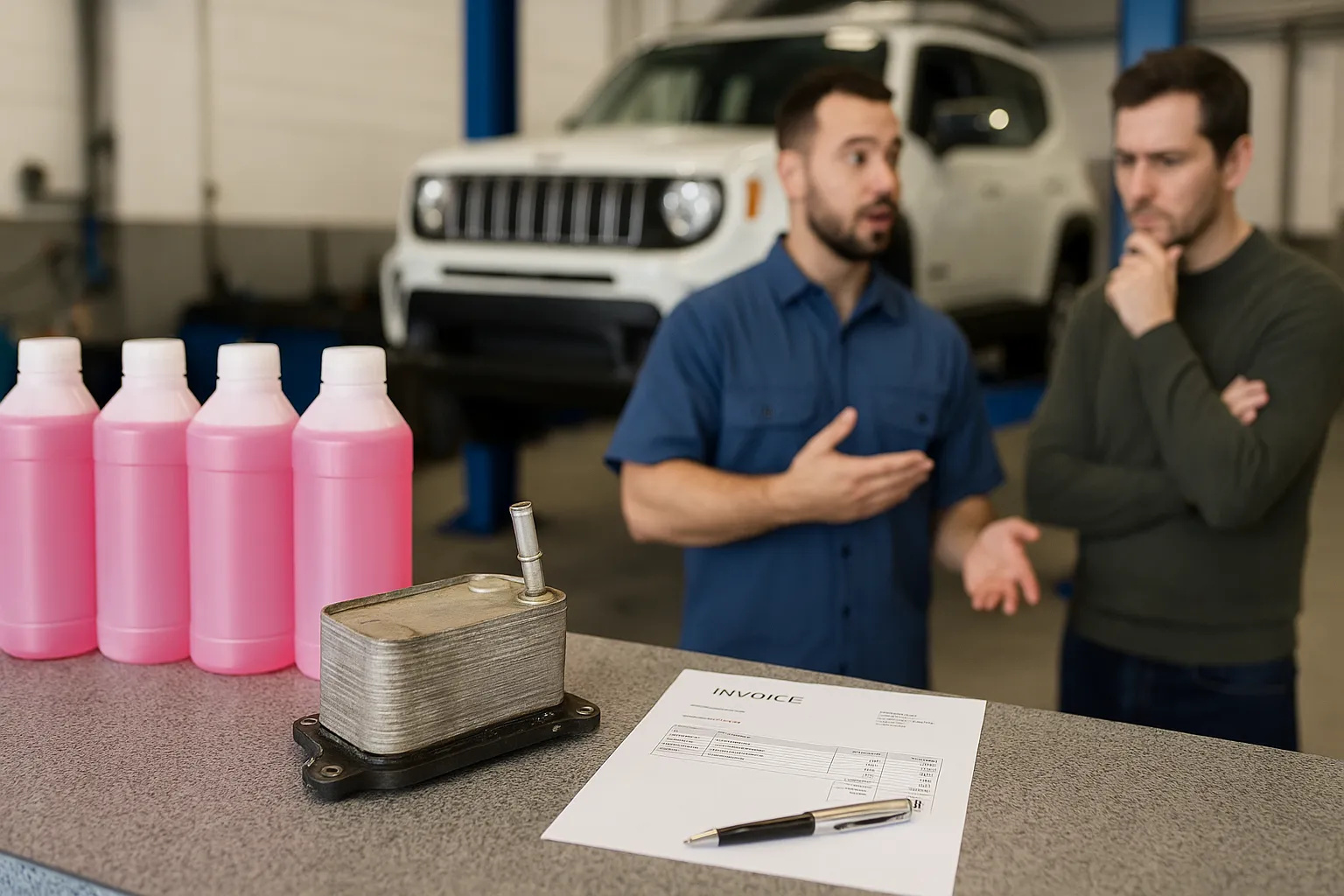
Imagine driving your Compass peacefully on a road and suddenly smelling a sweet odor coming from the ventilation. The warm air stops working, the glass fogs up, and the fear of an expensive problem starts to grow. That’s when many remember the famous heat exchanger, a small but crucial part for the health of the engine and comfort inside the cabin. After all, what is myth and what is truth about this component that so terrifies owners of Renegade, Compass, and Toro?
Heat Exchanger: What It Really Does And Why It Is Essential
The heat exchanger has a clear function: to regulate the temperature of the fluids and prevent the engine from overheating. It transfers heat between the coolant and the air circulating, ensuring that the system operates in a balanced manner. When the component fails, the car may show subtle symptoms, such as a fluid smell, loss of efficiency in the warm air, or more serious issues, such as oil and coolant contamination.
In Jeep and Fiat models — Renegade, Compass, and Toro — the heat exchanger is responsible for maintaining the automatic transmission at an ideal temperature. In other words, it is not just a comfort part, but also a mechanical safety component.
-
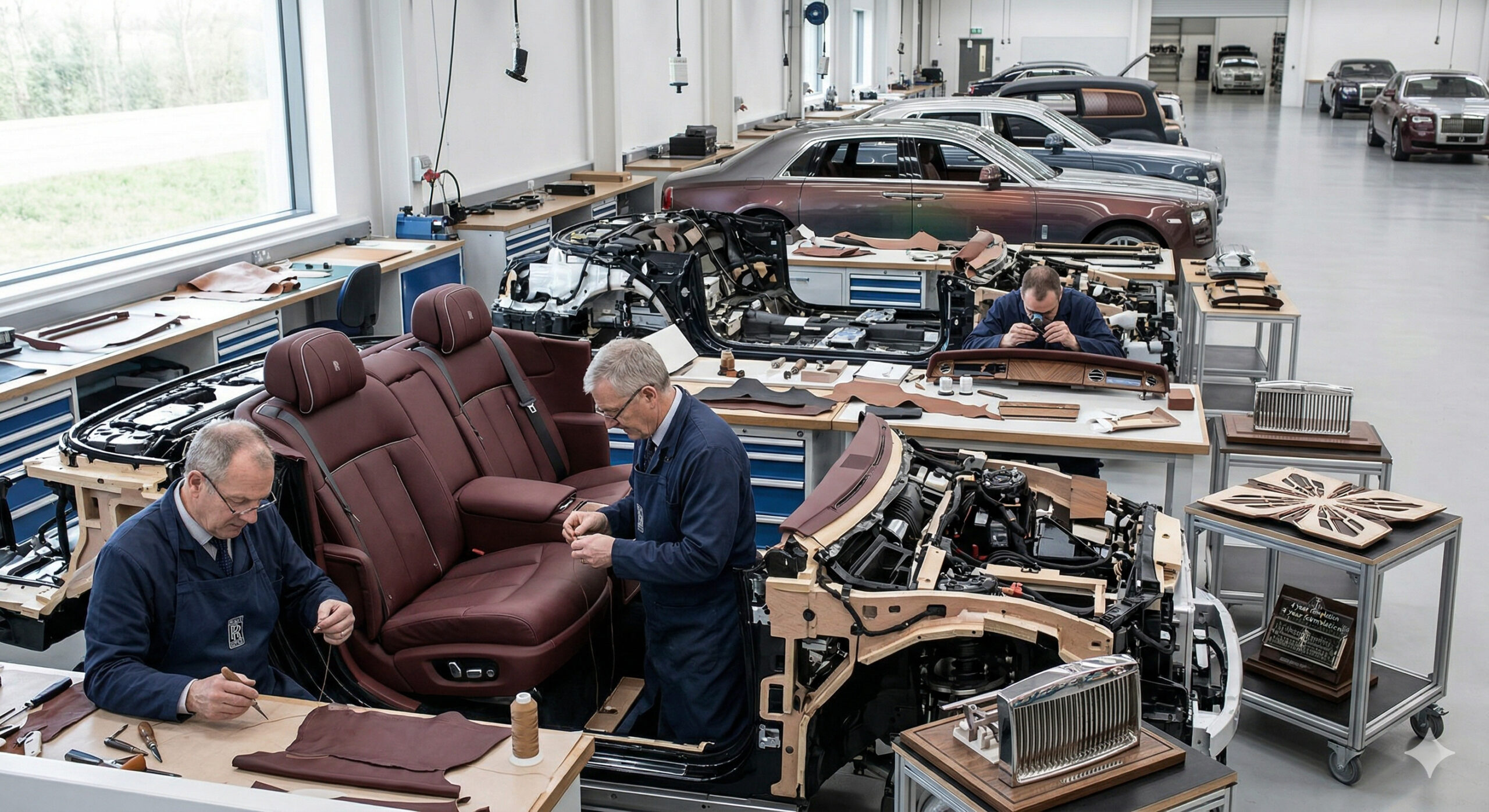
While much of the industry rushes to automate production, Rolls-Royce takes over 600 hours to hand-build each car in Goodwood and still accepts orders so complex that they can take up to four years to be completed.
-
Smaller than the Model Y, lighter, with a single motor and designed to cost less than the current Model 3, Tesla’s new compact electric SUV is born in China and could seal the automaker’s return to the race for mass-market electric vehicles.

-
Kawasaki took the technology from its most brutal racing bikes, squeezed it into a 400cc 4-cylinder engine that revs to 15,000 RPM, and created the ZX-4R, a machine that shouldn’t exist in this displacement but is making experienced riders rethink everything they thought they knew about mid-range motorcycles.

-
The culture of cars that jump on the asphalt was born in the garages of Mexicans in the 1940s, was treated as a crime in the United States for decades, and has now become an official postage stamp of the American Postal Service in a twist that no one expected.

Myth: The Heat Exchanger Of These Models Always Clogs
One of the most repeated rumors among drivers is that the heat exchanger in these vehicles is problematic and clogs easily. In practice, this is not entirely true. Clogs do occur, but they are usually linked to a lack of preventive maintenance. Expired fluid, use of incorrect additives, and absence of system cleaning are the main culprits.
When the owner properly follows the fluid change intervals and uses approved products, the chance of clogging decreases drastically. In other words, the problem is not with the part itself, but with poor maintenance habits.
Truth: It Can Leak Without Leaving Evident Traces
Here is a real and dangerous point. The heat exchanger can start leaking internally, and this type of leakage is treacherous because it does not leave visible stains on the garage floor. The coolant mixes with the transmission oil, changing its color and viscosity — which can cause serious failures and even burning of the automatic transmission.
Therefore, it is essential to observe subtle signs: sweet odor inside the cabin, fogging on the windows, and loss of efficiency in the warm air. Small bubbles in the reservoir or milky coloration of the oil are also red flags.
Partial Truth: Replacing The Heat Exchanger Solves Everything
Many believe that replacing the heat exchanger is the definitive solution to the problem. It is true that when the part fails, replacement is necessary. However, the service needs to be done with a complete system diagnosis. Pipes, valves, and even the radiator may be compromised.
Furthermore, it is essential to perform a flush — a complete cleaning of the circuit — before installing the new exchanger. Otherwise, old residues may again contaminate the fluid and provoke the same problem in a short time.
Common Mistakes That Shorten The Lifespan Of The Heat Exchanger
Even careful owners make mistakes that accelerate the wear of the part. Some of the most frequent are:
- Using tap water in the cooling system;
- Mixing additives from different brands;
- Ignoring small temperature fluctuations;
- Postponing the fluid change recommended in the manual;
- Leaving the system airlocked after maintenance.
These details, when added together, create the perfect scenario for internal corrosion and premature clogging.
How To Prolong The Lifespan Of The Heat Exchanger
The longevity of this part depends on simple but consistent care:
- Follow the maintenance schedule: Change the transmission and coolant fluid at the indicated intervals.
- Avoid generic products: Always use the fluid recommended by the manufacturer, as it contains specific additives.
- Request preventive inspections: During reviews, ask the mechanic to check the fluid colors and the condition of the exchanger.
- Perform complete cleaning: If contamination is present, the system needs to be drained and thoroughly washed.
- Observe the car’s behavior: Any strange smell or temperature variation is reason to investigate.
When The Problem Is More Serious Than It Seems
Ignoring signs of failure in the heat exchanger can be costly. Contamination between oil and fluid can damage the automatic transmission, generating repairs that easily exceed R$ 15,000. Therefore, many owners choose to adapt external radiators to eliminate the risk of fluid mixing. It is a valid technical solution, but it must be done by specialized professionals, as it involves changes to the system’s engineering.
Smart Maintenance: Prevention Is The Real Secret
Instead of waiting for the problem to occur, adopting a preventive routine is the best investment. A simple pressure test and a visual inspection of the exchanger are already enough to detect early leaks. And contrary to what many think, replacing the fluid costs much less than a damaged transmission.
The rule is simple: the heat exchanger is not a villain, but an ally. As long as you keep it clean, with proper fluids and timely reviews, it can last for years without causing headaches.
Separating myths from truths about the heat exchanger is a way to protect your car and your wallet. Renegade, Compass, and Toro share the same engineering system, and yes, it can fail — but it is not an inevitable sentence. What makes all the difference is the care you dedicate. In the end, it is maintenance that decides whether the heat exchanger will be the silent hero or the villain of your next repair.










Seja o primeiro a reagir!