





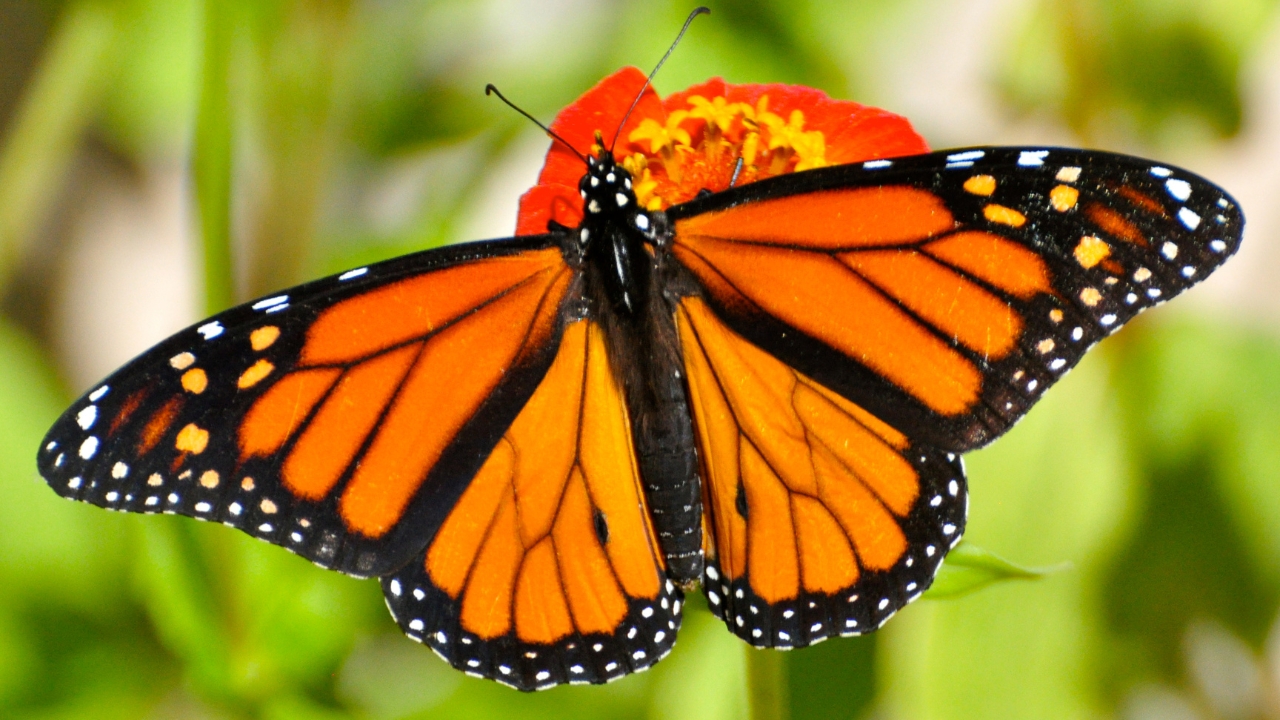

Monarch butterflies are now tracked in real-time with solar tags with Bluetooth, allowing mapping of routes, stops, and environmental effects.
A tag light enough to be carried by a butterfly and connected via Bluetooth is changing the way scientists track insect migration. Researchers from the universities of Miami and Princeton have started to monitor monarch butterflies in real-time during their movements across North America, reducing reliance on estimates based solely on later sightings.
Developed by Cellular Tracking Technologies, the transmitters are attached to the backs of monarch butterflies and use small photovoltaic cells to generate the energy needed for operation.
Thus, they dispense with conventional batteries and, as the company reports, remain active throughout the insect’s life cycle. Compatible devices nearby, including cell phones, can recognize the signal.
-
Your miles now buy train tickets in Europe, with London to Paris starting at 9,400 points, Berlin to Frankfurt for 4,100, and access to over 12,000 destinations in 12 different countries.

-
Decades before GPS reached cell phones, the daughter of a family working on a farm programmed a giant supercomputer, calculated Earth’s deformations, and helped satellites accurately locate points.

-
New breakthrough from South Korea eliminates one of the biggest bottlenecks of green hydrogen with a catalytic layer that reduces losses in water electrolysis, increases energy efficiency, and could accelerate industrial adoption worldwide.
-
Reaching 1.388 trillion in revenue and growing 8% in the year, Brazil’s food industry advanced in 2025, in a sector where out-of-home consumption grew faster than in-home consumption in the country.


Insect tracking fills old gaps
Until now, much of the knowledge about monarch migration depended on visual records and the later finding of marked individuals. This method indicated isolated points but left large stretches of the journey without information.
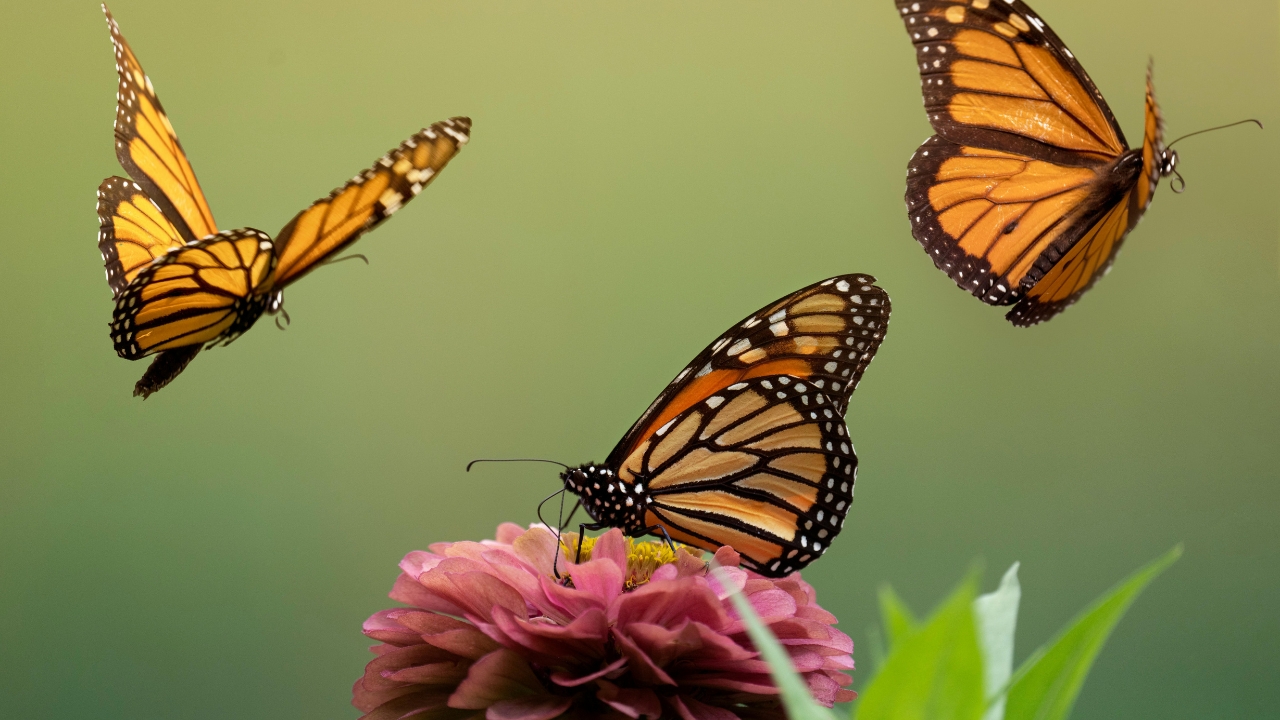
With the new technology, researchers gather successive positions and create more detailed maps. This allows investigation of stop locations, deviations, and changes possibly associated with environmental conditions.
The research brings together knowledge from different areas. Neil Rosser, an evolutionary biologist at the University of Miami, works with butterflies, while Isla Duporge, a postdoctoral researcher at Princeton, works with drones, artificial intelligence, and monitoring technologies.
Continental journey challenges science
With each migratory cycle, monarch butterflies cross thousands of kilometers towards Mexico after leaving the northern United States and Canada. Although they have never made this journey before, they manage to reach the wintering areas.
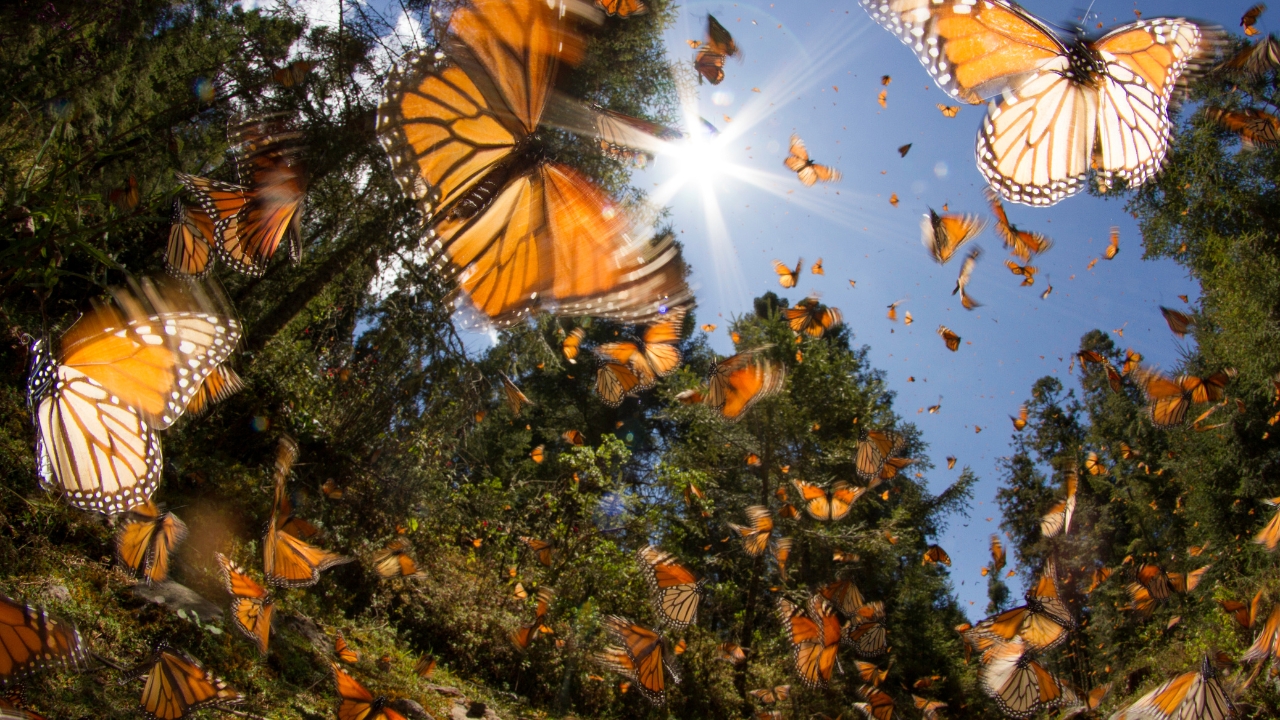
There are still doubts about orientation, the number of routes, and differences between migratory groups and resident populations. Insect tracking will be able to compare these behaviors based on data collected from many animals.
Solar tag extends observation time
The reduced size of the transmitter is essential to not impede movement. The absence of a conventional battery also prevents the collection from ending just because the power source ran out.
The technology does not rely on a single station. Whenever an enabled device is nearby, the signal can be identified, allowing new segments of the insect’s journey to be recorded.
New tests will still need to measure coverage, regularity, and performance under different conditions. Even so, the solution offers a way to observe movements that previously disappeared between two sightings.
Insect tracking could reach locusts
The team assesses that the same principle could be adapted for dragonflies, locusts, and other small animals. In ecological studies, this would allow analysis of dispersion, environmental occupation, and responses to local changes.
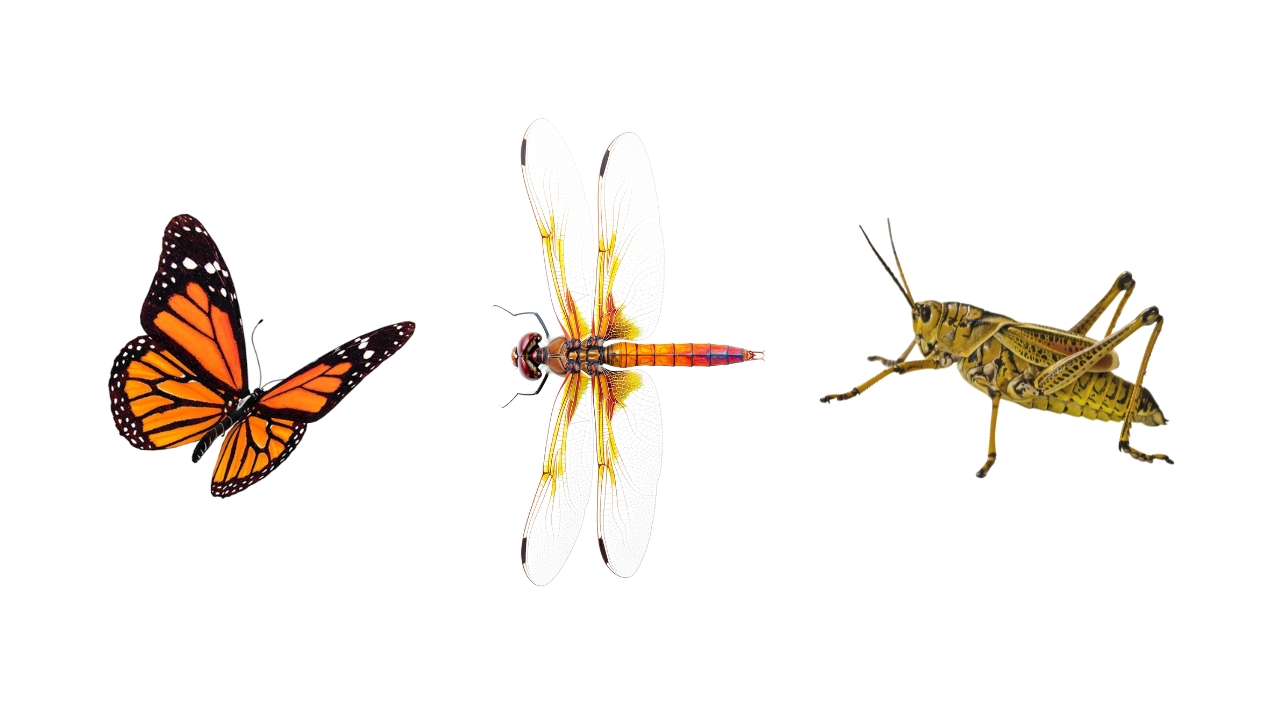
For locusts, the system could also help track destructive swarms. More precise information would reveal the direction, speed, and range of these groups.
By enabling real-time tracking of monarch butterflies, the technology inaugurates a new way to study the movements of small insects and could be applied to other species in the future.


With information from CNN Brasil


