






 Portuguese
  Spanish


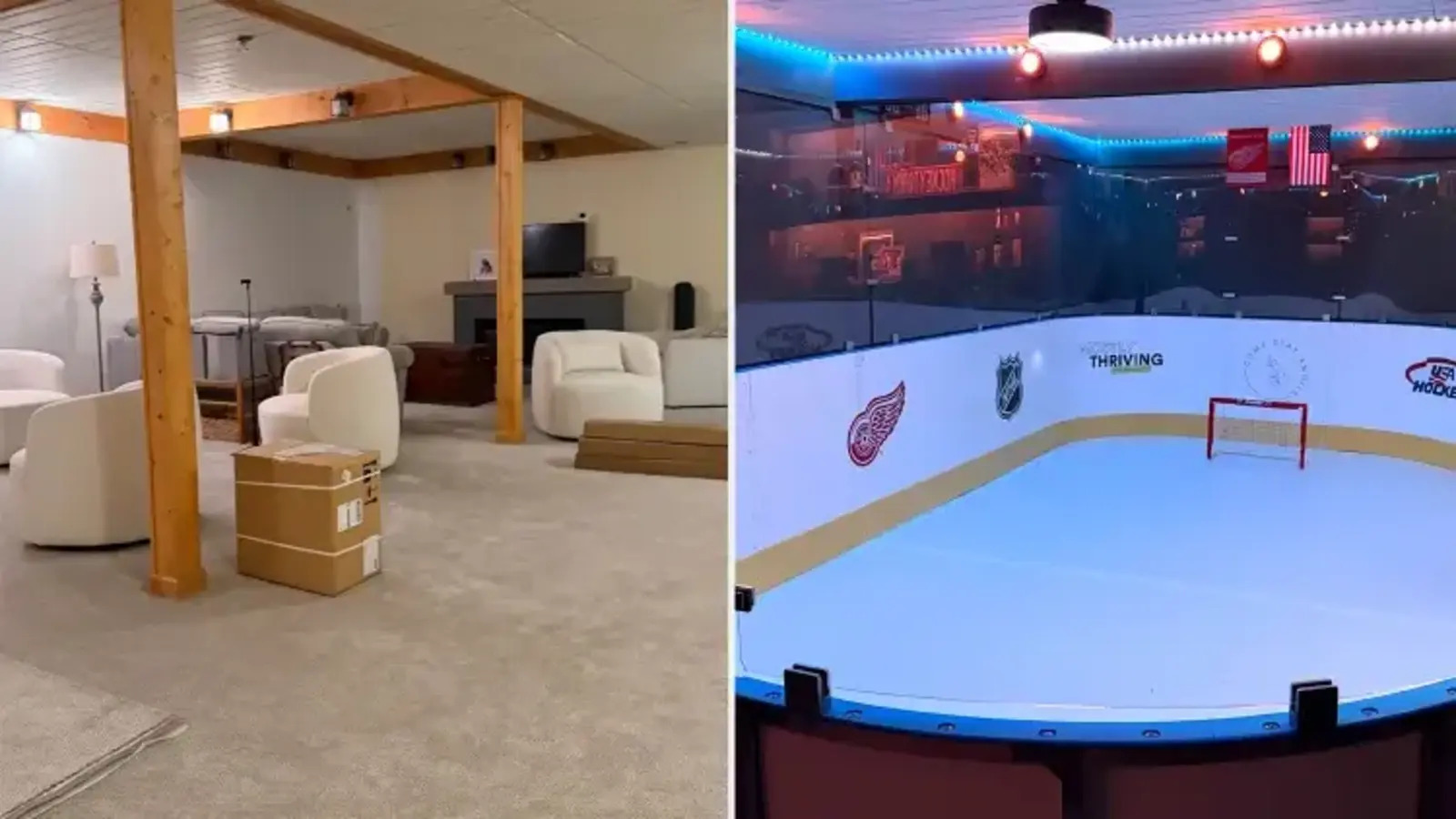

Amanda Vernaci’s project took three months, occupies about 7.6 by 4.6 meters, and includes synthetic ice, boards, and polycarbonate glass to create a private arena for her two children inside the house
A hockey rink in the basement, approximately 7.6 meters by 4.6 meters, was built in three months by content creator Amanda Vernaci. The private space for her two children cost about $17,000 and includes synthetic ice, boards, polycarbonate glass, and an experience inspired by professional arenas.
Vernaci documented the entire process for her 1.6 million followers on Instagram. The project stemmed from her children’s play, who were already using small sticks and nets on the carpet during the winter.
The initial idea grew as the boys began to take the games more seriously. They even requested a penalty area, like those in official hockey games.
-
Brazilian university develops technique to transform a small sample of the scalp into a larger volume of follicles and aims to bring hair transplants to patients currently considered ineligible.

-
After being shocked by the $25,000 price, a woman digs the ground, reuses a pump and deck, and creates a pool-lagoon for less than $2,000 in just one month.

-
A 50-year-old advertising professional becomes a partner with her parents during the pandemic, takes the restoration studio online, and boosts revenue from R$ 900,000 to R$ 1.6 million by focusing 90% of sales on digital, reaching customers across Brazil, and transforming antique furniture, doors, and demolition materials into a business with over 76,000 followers.
-
Seven ancient scripts remain untranslated and conceal messages from vanished civilizations that neither linguists, archaeologists, nor artificial intelligence have been able to fully comprehend.




Basement hockey rink was born from family play
Before the complete renovation, Vernaci bought a large rug that mimicked the look of a hockey rink.
She also purchased interlocking boards to create an area more similar to the professionally played sport.
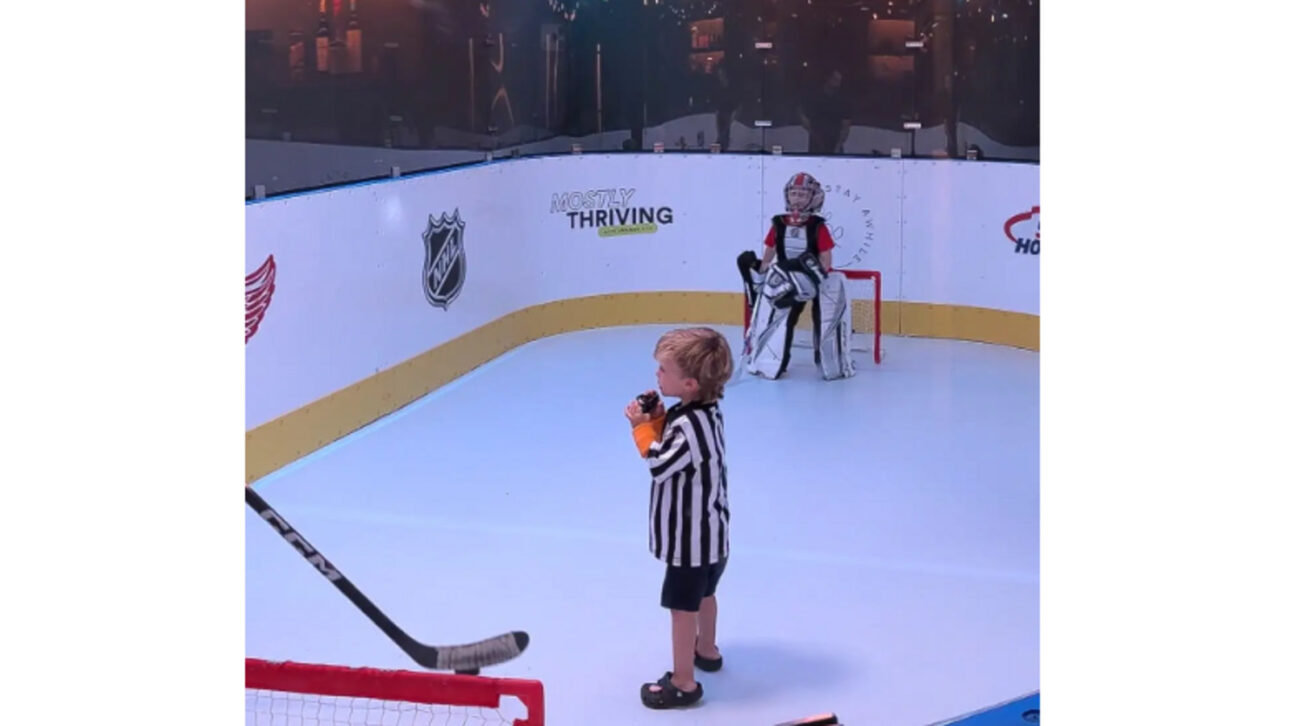
The family has season tickets for the Red Wings games. According to Vernaci, her children are immersed in the sport and want to replicate at home the routine of the players they follow.
The play includes singing the national anthem and going through a locker room before the games. It was in this context that the creator began to imagine a more complete experience within her own basement.
Vernaci realized there was available space and decided to transform the environment into a private arena. When she bought the family’s second house, which needed renovations, she already intended to finish the basement but did not yet imagine installing a rink.
The project was developed without construction plans. The creator herself states that she would not be able to explain all the steps in detail to someone who wants to reproduce the structure.
She planned to produce the sideboards herself but decided to buy a ready-made kit. Then, she purchased the glass and learned to fix it to the boards using a process similar to that of glass railings installed on decks.
Synthetic ice and glass accounted for the highest costs
The hockey rink cost approximately $17,000. The final amount was mainly influenced by the type of flooring, the thickness of the glass, and the dimensions chosen for the space.
The synthetic ice cost about $2,700. Vernaci acknowledges that this material was not indispensable and could have been replaced with painted concrete, carpet, or a rug.
The glass was the most expensive part of the project, with an approximate investment of $5,200. She chose a thicker polycarbonate to increase resistance and allow the structure to continue being used as the children grow.
The creator explained that she intended to build something durable for the family. Therefore, she preferred to invest in a more expensive material, described by her as practically “bulletproof.”
Even with the high cost, Vernaci states that it would be possible to save at different stages. The budget could be reduced with another type of flooring, thinner panels, or a smaller rink.
She usually provides followers with lists of materials and expense details after completing her projects.
For Vernaci, sharing this data helps others understand which choices increase or decrease the final price.
Hockey rink project was completed in just three months
The complete transformation of the basement took three months. Vernaci says she works by dividing large constructions into small tasks, focusing first on the simplest stage before moving on to the others.
According to her, projects of this size can seem impossible when viewed as a single job. The strategy used was to start by assembling the panels and solving challenges gradually.
The rink also represents a continuation of the journey started by Vernaci in January 2019. At the time, she was renting while her husband was studying veterinary medicine and looking for economical ways to personalize the residence.
She felt that the house didn’t seem to belong to the family, even though they were going to stay in the property for four years. The experience motivated the creation of a page focused on accessible and easy-to-reproduce improvements.
The intention was to show that a person doesn’t need to live in a mansion or have a large budget to like the place where they live. Her first projects were done in a rented house with limited resources.

Amanda Vernaci learned to use tools during pregnancy
Vernaci’s experience with renovations gained momentum after the couple bought their first house. Pregnant with their first child, she initially hired professionals to carry out the planned repairs.
With the arrival of the COVID pandemic, services were interrupted. At eight months pregnant, she decided to buy her first table saw and learn on her own to make the improvements before the baby was born.
Vernaci states that she had never used tools before. Instead of only showing perfect results, she began to also publish the mistakes and difficulties encountered during the learning process.
She believes that this approach brought her closer to the audience, especially people who also had no experience or much money available.
The content showed that home projects could be carried out gradually, even by beginners.
Currently, much of the construction is designed for the two children. Vernaci states that the boys are active, enjoy sports, and use their imagination during playtime.
Besides the fun, she considers the projects a way to teach effort, creativity, and hard work. The children’s confidence in their mother’s knowledge is evident even outside the home.
According to Vernaci, one of them brought home a classmate’s broken sunglasses. The boy told the classmate that his mother would be able to fix them.
This article was prepared based on information and statements published by PEOPLE magazine, with data, numbers, and accounts preserved as per the consulted material.


