





 Portuguese
  English
  Spanish
  4 min of reading



Importance of Sustainability is increasingly evident in the lives of Brazilian women in 2026. More and more women are positioning themselves as protagonists in the transition to a more climate and environmentally responsible country. According to a national survey by the company Descarbonize Solutions, specializing in solar energy and sustainability, women show greater sensitivity to climate risks and a higher willingness to adopt sustainable habits in the short term.
Thus, the research indicates that environmental interest is no longer just an abstract concept. It is now transforming into actions and practical choices, especially among consumers.
Women Show Greater Awareness of Climate Impacts
The study shows that women clearly recognize the consequences of climate change in their daily lives. As a result, they are more alert to risks such as heatwaves, floods, extreme events, and rising energy costs.
Additionally, the survey reveals that they understand these impacts not only as an environmental threat but also as a social, economic, and familial challenge.
-
With a water crisis on the radar, Sabesp invests in reclaimed water for data centers and transforms sewage treatment into a solution that saves millions of liters and protects public supply.

-
Foresea achieves 100% offshore waste reuse in 2025, eliminates landfill disposal, and consolidates sustainable strategy with 1,500 tons recycled.

-
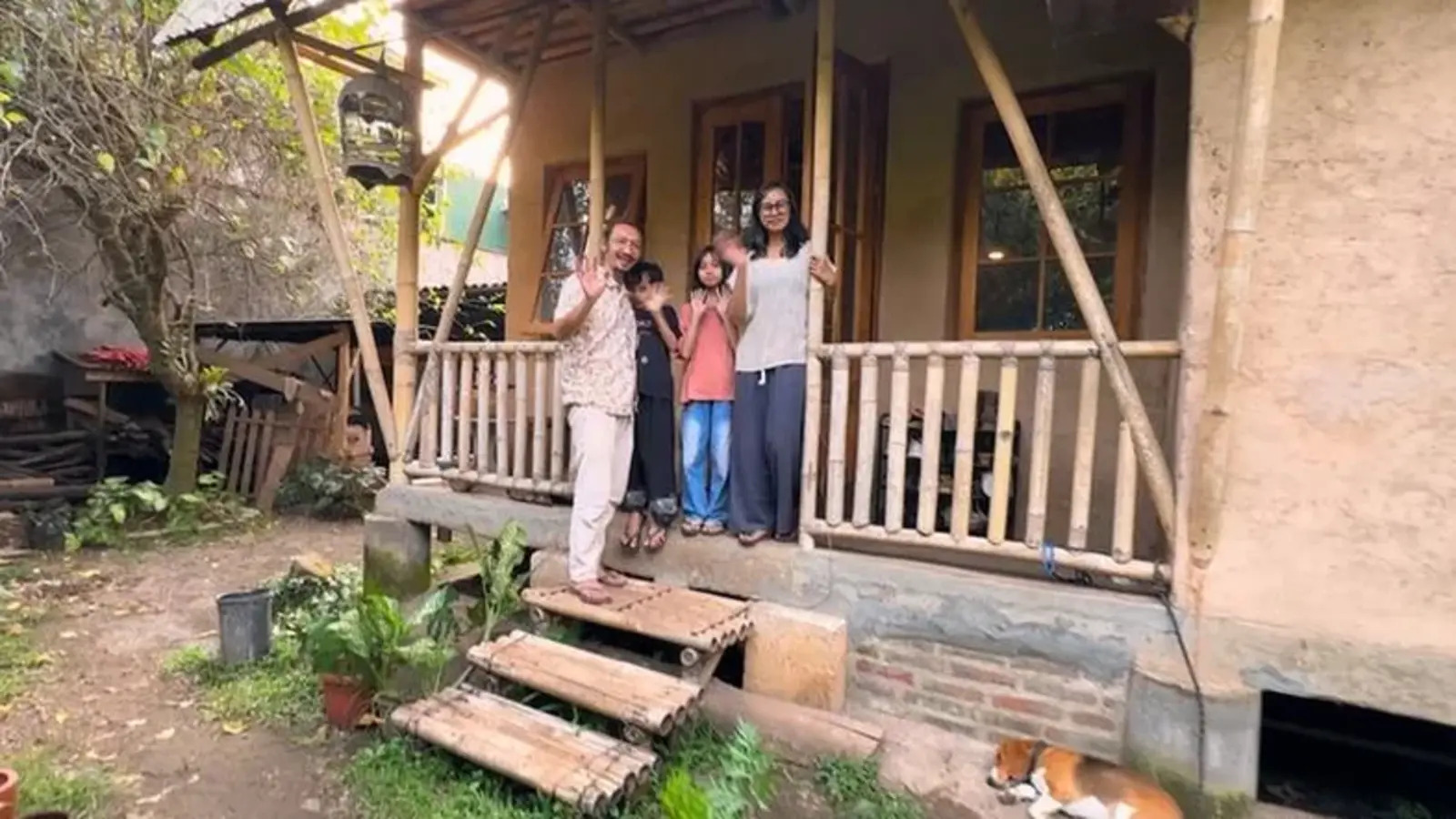
With earth, bamboo, straw, and lime mortar, a specialist builds a house for just over $460 and draws attention for its cost being much lower than traditional construction.
-
Rodrigo de Freitas Lagoon advances in environmental recovery with sanitation, elimination of irregular sewage, and the resumption of water sports in Rio de Janeiro.


Meanwhile, the research highlights that men tend to perceive the problem with less urgency. Although many recognize changes in the climate, the intensity of concern is considerably lower than that recorded among women.
Therefore, the study points to a discrepancy in perceptions that may influence decisions within families, companies, and even electoral behavior over the coming years.
Greater Intention to Change Consumption Habits
The research reveals that women plan to alter behaviors with much more intensity. According to the data presented by Descarbonize, they intend to reduce energy consumption, prioritize products close to local origin, and avoid waste in daily life.
Moreover, interest in clean energy is growing. The interviewees showed greater openness to installing solar panels, joining solar communities, and seeking suppliers with environmental commitments.
This movement indicates that sustainability has become a purchasing criterion, not just a theoretical desire.
On the other hand, the study shows that men have a lower intention to modify behaviors. They tend to maintain established habits and take longer to incorporate sustainable practices, even when they recognize their importance.
Sustainability Also Influences Health and Quality of Life
Although the topic seems restricted to the environment, the research confirms that women view sustainability more broadly. They relate the subject to mental health, household costs, the well-being of family members, and the future of children.
Consequently, the adoption of new habits gains multiple dimensions. A resident who separates waste or collects rainwater does not do this solely for the planet, but because she believes that the change benefits her community and family.
This broader perspective also facilitates practical changes. Small actions, when accumulated throughout the year, become a real contribution to reducing emissions and increasing consumption efficiency.
Education, Income, and Access to Information
Another aspect highlighted by the research involves differences in engagement related to access to information.
According to Descarbonize Solutions, women consume more environmental content and participate more in educational initiatives, formal or self-taught.
They follow news about the climate, seek domestic tutorials, and share practices with others.
Furthermore, social media and exchange groups have strengthened this participation. Thus, information circulates more quickly and encourages collective actions.
Although many men also show interest in the topic, the pace of knowledge adoption tends to be slower, according to the study itself.
Solar Energy as an Entry Point for Sustainable Habits
The report highlights that solar energy plays an important role in shaping this awareness.
By perceiving monthly savings and the reduction of environmental impact, families tend to expand the adoption of complementary practices, such as water reuse, efficient lighting, and reduction of fossil fuel use.
In this process, women emerge as primary household decision influencers.
They compare budgets, talk with installers, evaluate cost-benefit, and track results over the months.
As a result, the advancement of solar energy in the country may accelerate sustainable behavior in other sectors of consumption.
Women and the Future of Sustainability in Brazil
The study reinforces that women’s involvement can create a profound social impact.
If more women continue to lead sustainable practices at home and at work, the transition to a cleaner model is likely to become faster and more consistent.
Additionally, the report points out that the female presence in decision-making spaces — such as schools, associations, companies, and public bodies — can expand long-term environmental policies.
Despite this, experts argue that men and women need to walk together. Thus, the challenge lies not only in measuring differences but in transforming perception into collective cooperation.
Official Sources and Context of the Research
The cited survey was conducted by Descarbonize Solutions, with national coverage focusing on environmental habits, consumption behavior, and climate perception among Brazilians in 2026.
According to the company, the study evaluated changes in routine and expectations for the coming year, indicating that women show greater intention and preparedness to adopt practices related to sustainability.
Therefore, the analysis highlights a trend that may influence the economy, education, politics, and consumption patterns. If the predictions hold true, sustainability will continue to grow as a priority — and women will remain at the forefront of this environmental transformation.









-

Uma pessoa reagiu a isso.