





 Portuguese
  English
  Spanish
 4 min of reading


Scania Celebrates 65 Years in Brazil and Opens Business in the Country
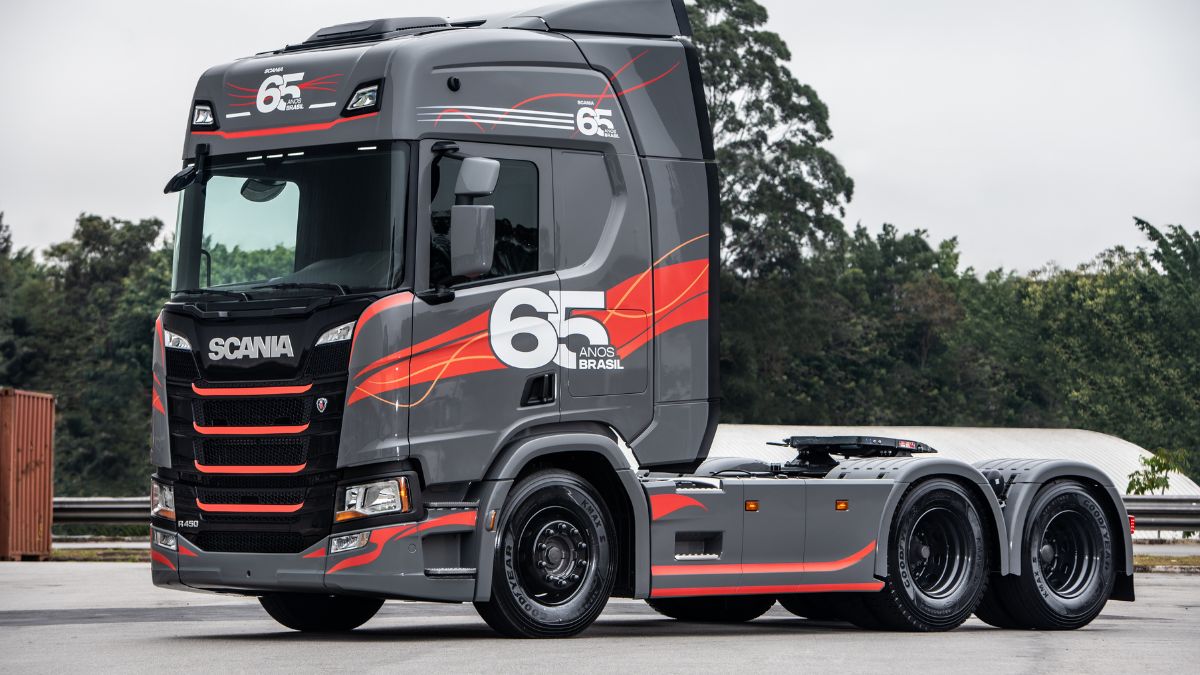
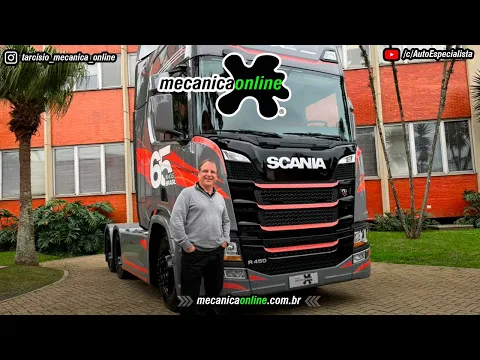
The Swedish multinational Scania is completing 65 years in Brazil and has decided to open businesses in the country. These include a new engine factory, a Research and Development Center, and a Wastewater Treatment Plant. In addition, it also launched a sports truck model as a commemorative version marking all this time in operation.
The company is committed to new electric models, aiming for decarbonization and electric mobility for all sectors of society, including product distribution. Learn more about the inaugurations in today’s article.
See the Commemorative Edition Launched by Scania in Honor of Its 65 Years in Brazil

Engine Factory, Research Center, and Wastewater Treatment Plant in Brazil Focused on Sustainability
The new projects spread across Brazil are all based on sustainability and decarbonization, as the multinational giant adopted this new ideology since 2016 and puts it into practice in pursuit of a cleaner world. Associating this with a constant search for innovation, the global giant is now launching its Research and Development Center to improve the efficiency of the trucks produced and expanding its engine factory.
-
Inflation in March reaches 0.88% according to IBGE and pressures the Brazilian economy, impacting family budgets and requiring more strategic decisions to maintain financial control.

-
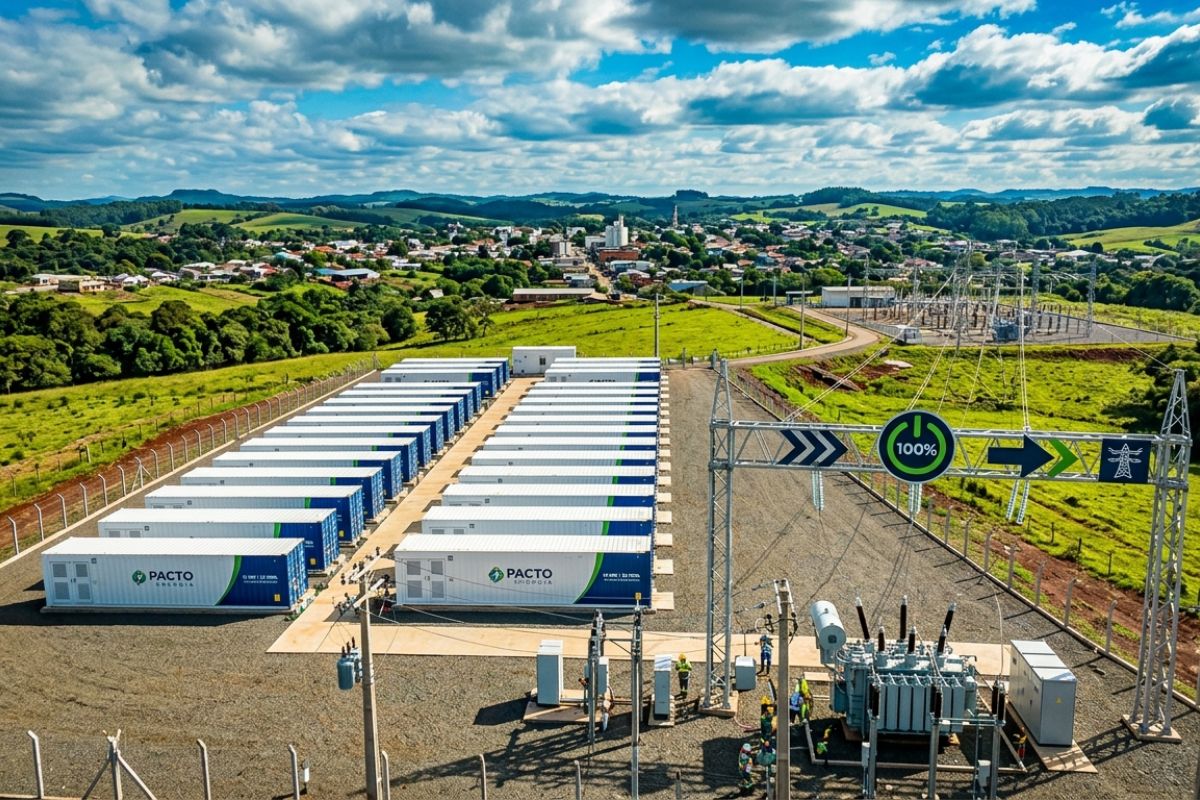
In Paraná, distributor Pacto connects 100% of the load in Coronel Vivida to batteries: a BES of 10 MW and 20 MWh costs just over R$ 30 million and lowers the local tariff now.
-
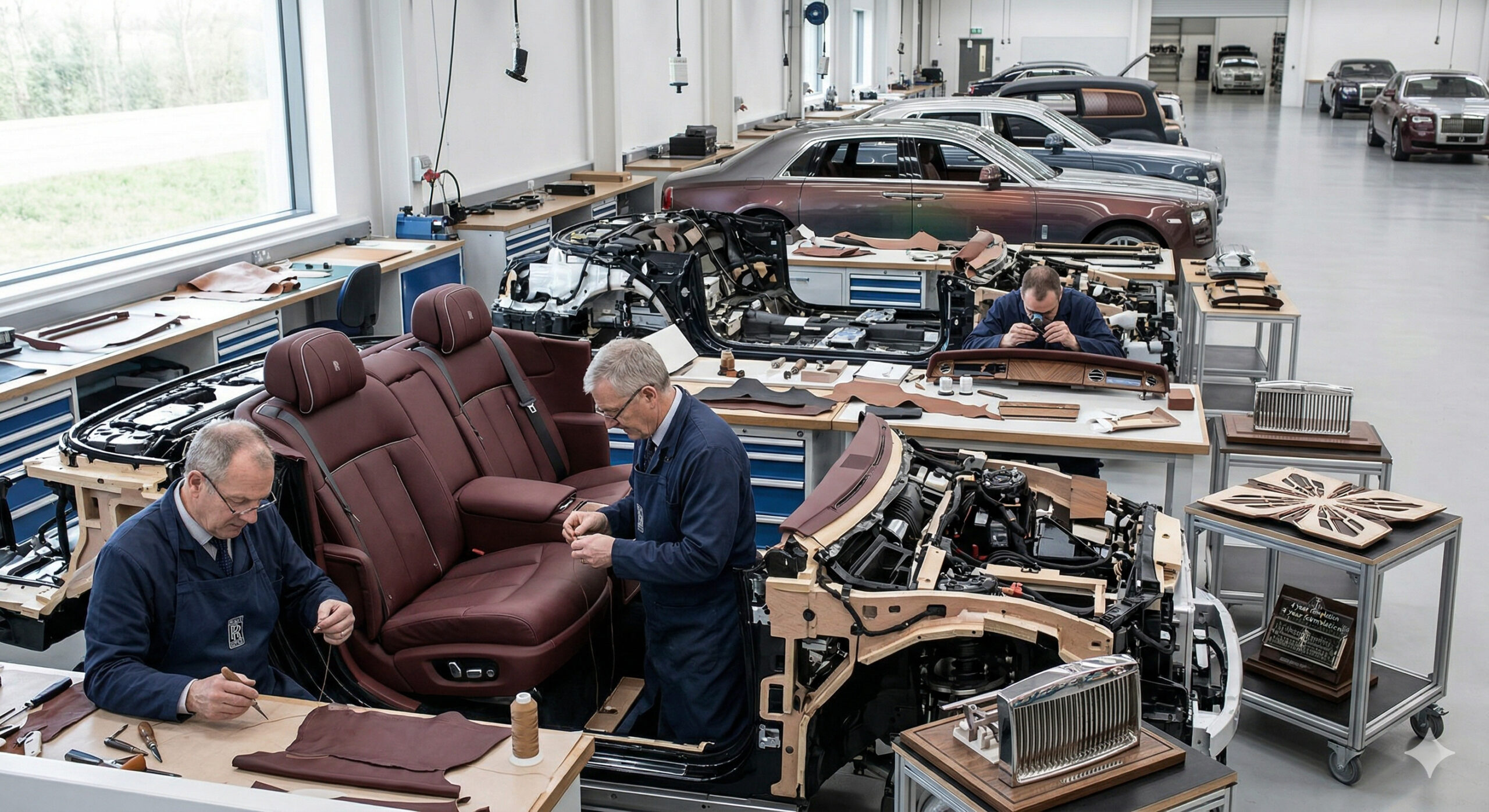
While much of the industry rushes to automate production, Rolls-Royce takes over 600 hours to hand-build each car in Goodwood and still accepts orders so complex that they can take up to four years to be completed.
-
With a dependence of up to 80% on gas imported from the United States, Mexico is responding with a robust energy strategy, betting on shale gas, creating a scientific committee, and preparing to expand natural gas production to reduce vulnerability and strengthen its energy security in the coming years.

“We operate as an extension of Sweden, our headquarters, and we have a global product, so both initiatives consolidate this strategy. Our solutions are launched first in Europe and then in Latin America, with a gap of six to nine months. In any case, the platform is the same, and it is possible to use a cabin produced in Brazil in a truck made in Sweden, and now the engine.”
Christopher Podgorski, President and CEO of Scania Latin America (2022)
The new Wastewater Treatment Plant is also part of this cycle of commemorative updates. According to CEO Christopher, this project will allow the treatment of 72 million liters of water per year, and 85% of this will be reused in the internal processes of the engine factories. These works are the result of an investment of R$ 1.4 billion, allocated for use between 2021 and 2024, aiming to expand the industrial park and technologies.
Scania Vehicles and Engine Factory are Already Part of the New Motor Vehicle Air Pollution Control Program (Proconve)
Brazil is implementing a program similar to Euro 6, called the Motor Vehicle Air Pollution Control Program (Proconve). Starting in 2023, automakers and companies in the automotive sector will need to adapt to new rules, but Scania is already prepared and meets mission requirements with its gas and biometane-powered engines.
“For almost three years, the program has involved hundreds of specialized professionals from various areas of the company, and indirectly, almost the entire organization is committed to the requirements.”
Christopher Podgorski, President and CEO of Scania Latin America (2022)
Engines produced in Brazil will meet the demand across Latin America and the existing regulations related to sustainability.
Scania’s Goal is to Reduce Greenhouse Gas Emissions by 50% in Factories and 20% in In-Use Vehicles by 2025
Scania began its sustainability quest in 2016 and, in 2020, received the unprecedented approval of its climate goals by the Science Based Targets initiative (SBTi). Thus, it became the first vehicle manufacturer in the world to have such an accolade.
Based on the continuation of actions in the sustainability sector, the company has set two main goals by 2025: to reduce greenhouse gas emissions from the group’s industrial and commercial operations by 50% and to reduce equivalent carbon emissions in the fleet of buses and trucks produced by 20%.
Additionally, the company has joined the Climate Pledge initiative, led by Amazon and Global Optimism, to achieve zero emissions by 2040.
In Addition to the Engine Factory, Scania Will Test Electric Vehicles at the Plant in São Bernardo do Campo (SP)
Scania also announced new tests of electric vehicles at the plant in São Bernardo do Campo (SP), to cap its celebrations. This project includes a battery electric bus (BEV) and an electric truck.
“Brazil has always been an important laboratory for our products. And electric will be a great learning opportunity to help adapt this technology to the conditions of Latin America and also develop expertise inside and outside Scania. We have a clear objective to expand knowledge about the electrification of heavy vehicles.”
Christopher Podgorski, President and CEO of Scania Latin America (2022)
The Swedish multinational intends to remain in the country for many years, and increasingly invests to expand its business here. It is undoubtedly a triumph for the Brazilian people!







-

Uma pessoa reagiu a isso.