





 Portuguese
  English
  Spanish
  3 min of reading
  0 comments


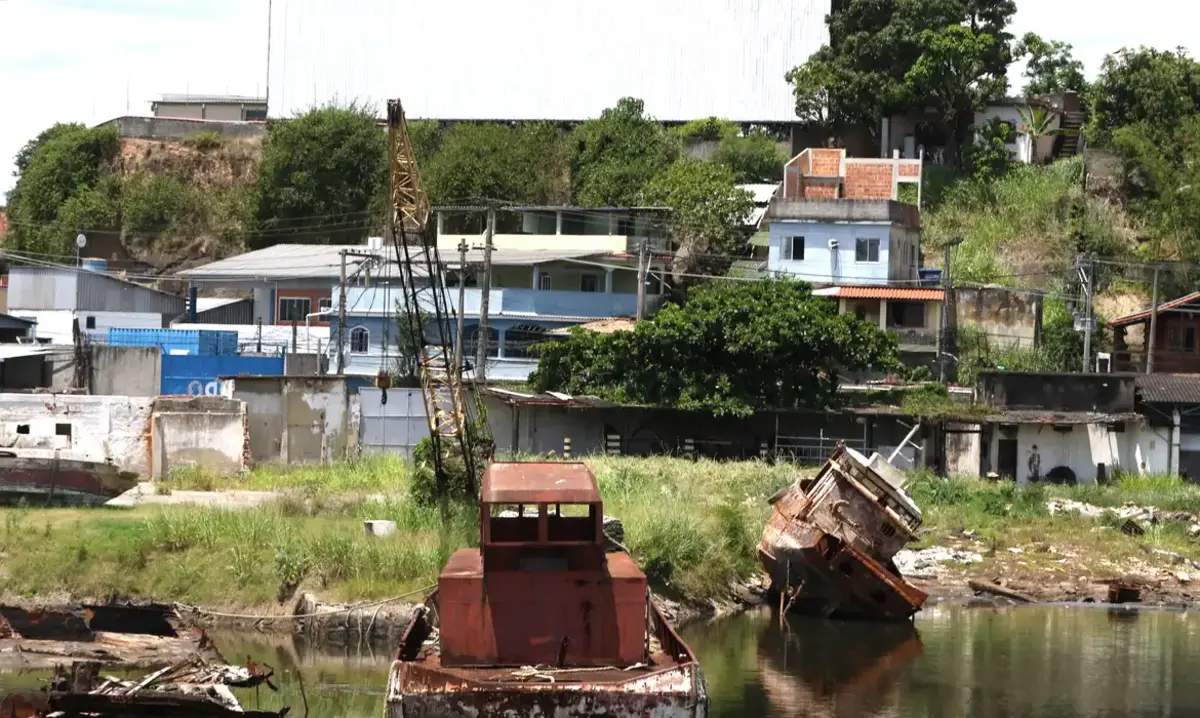
Abandonment of Ships and Irregular Dismantling Aggravate Environmental Damage and Threaten Security in Coastal Waters in Brazil and Worldwide
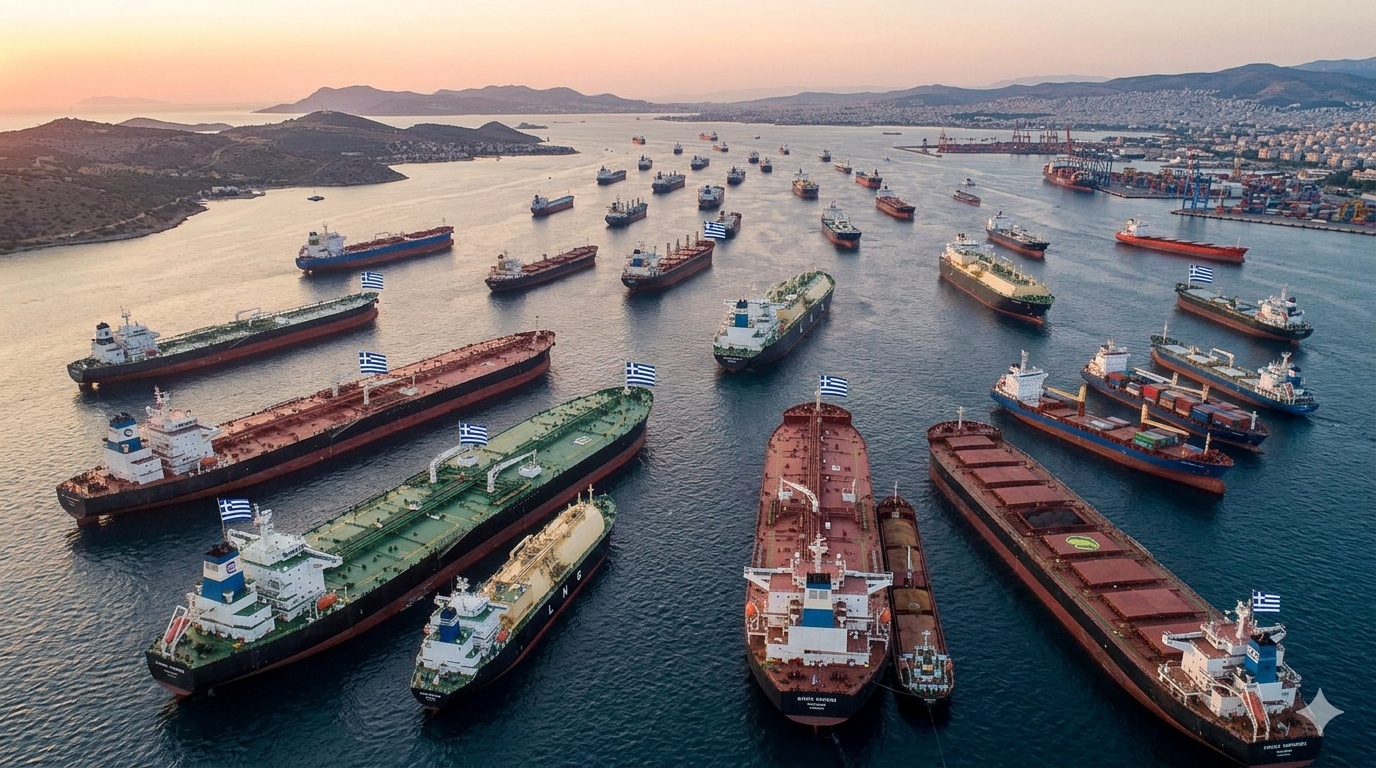
The increase in so-called ship graveyards generates great concern around the world. In many cases, the dismantling of these vessels occurs in poorer countries, where labor is cheaper and effective environmental regulation is lacking.
The dismantling of cargo and passenger ships already reaches about 1,200 vessels per year. This process requires specific technology and equipment to minimize damage to the marine and coastal environment.
Abandoned Ships: An Invisible Threat
The biggest problem is the abandonment of ships in coastal waters. In these areas, juvenile marine life develops more intensely. Chemicals released by abandoned ships critically affect the juvenile biota, which is extremely sensitive.
-
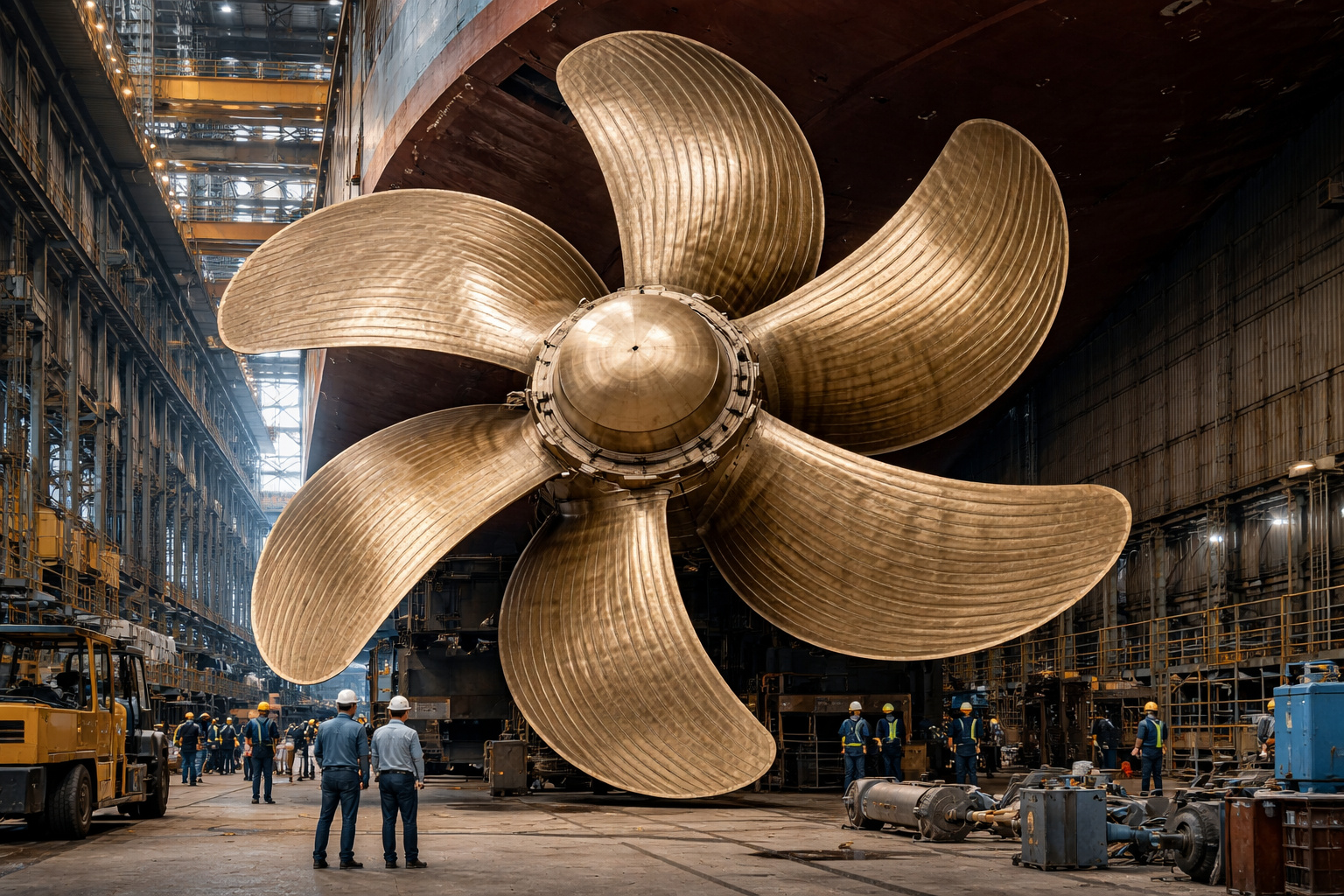
How a 131-ton, 11-meter propeller supports 90% of global trade and transforms the largest container ships on the planet.
-
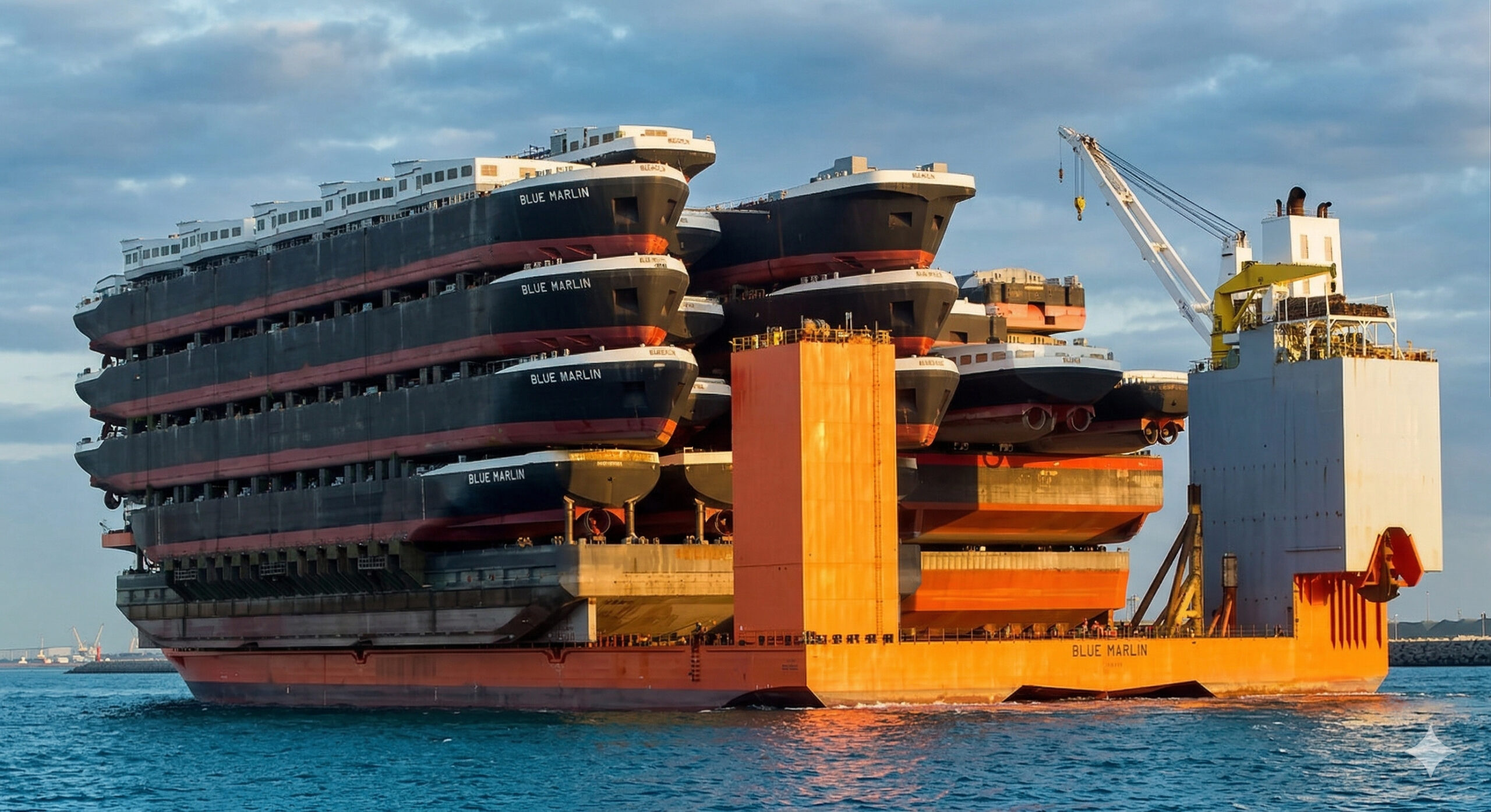
With a length of 225 meters and a capacity of 76 thousand tons, this ship “sinks” its own deck down to 28 meters deep to accommodate war destroyers, oil platforms, and giant radars floating above, and then emerges with everything intact on top like a colossal tray crossing oceans.
-
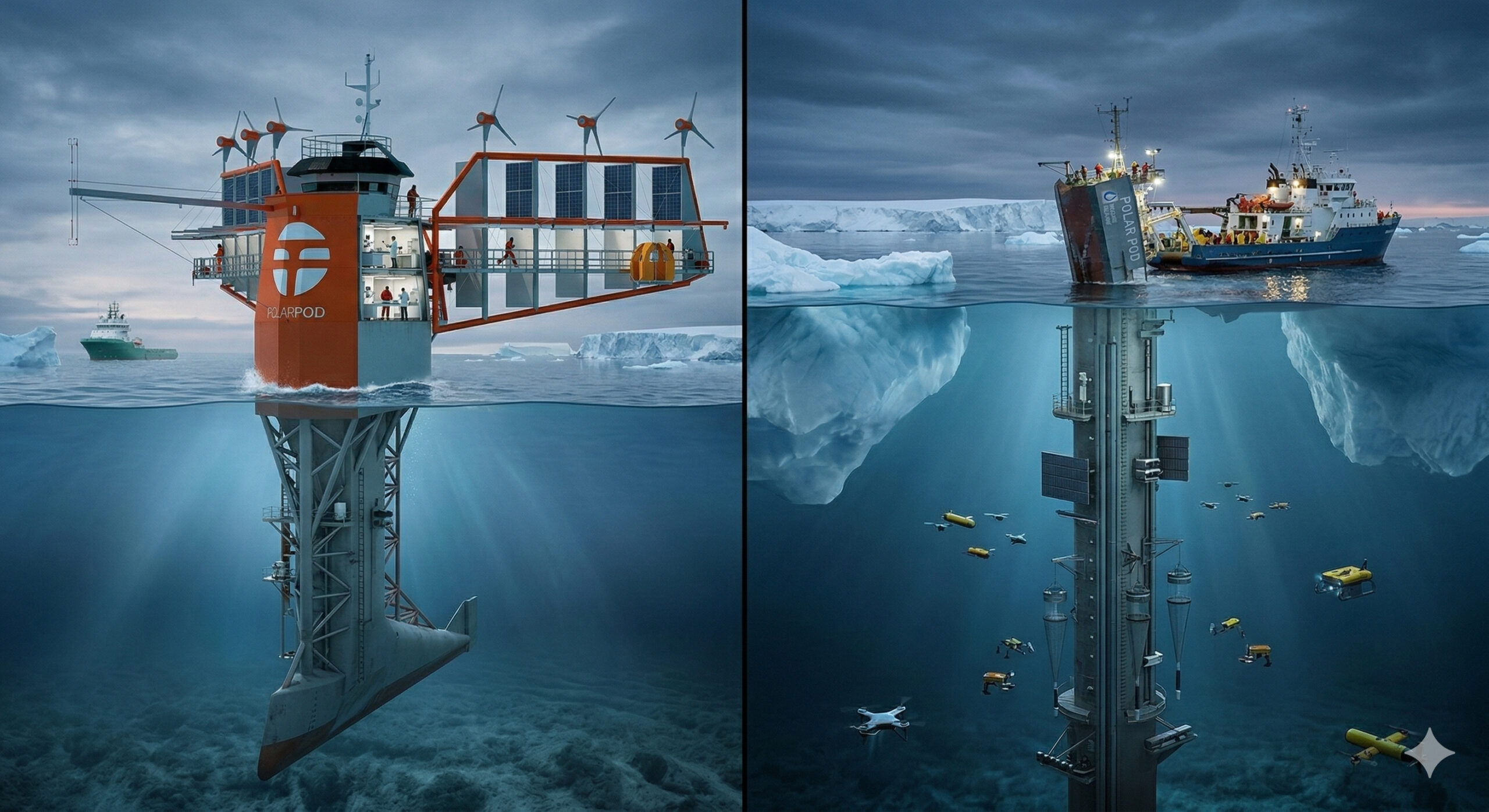
A 100-meter platform without a motor, without a keel, and operating upside down rotates 90 degrees in the ocean, sinks 75 meters, and drifts around Antarctica for two years driven by the planet’s most powerful current to study the largest carbon sink on Earth, still poorly understood by science for accurate climate modeling.
-
With a length of 108 meters and a giant spoon shape, the FLIP was the only ship in the world capable of rotating 90 degrees in the ocean and remaining vertical, with 91 meters submerged, operating for 60 years until it was retired and sent to the scrapyard in 2023.
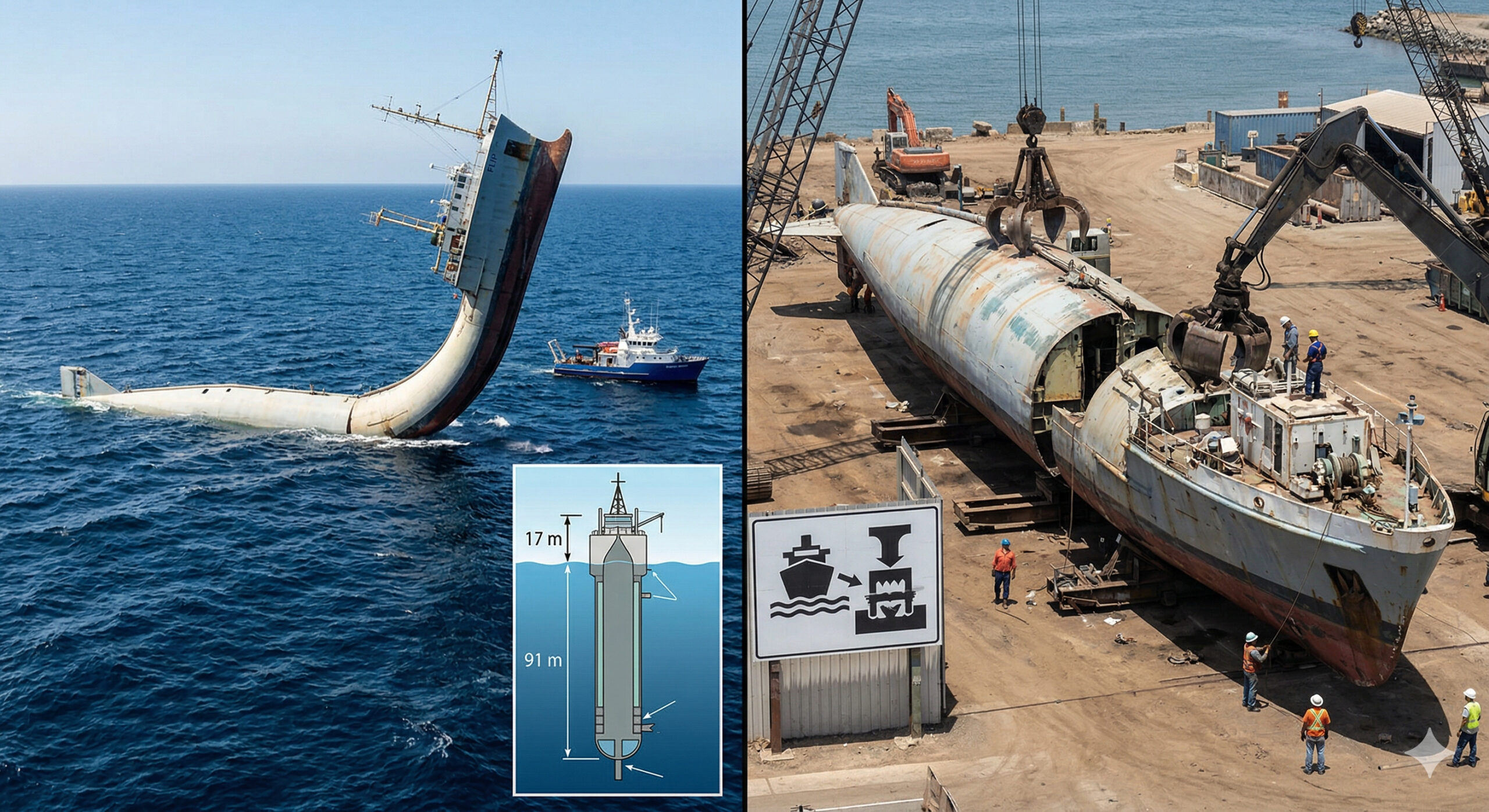

In addition to environmental impact, abandonment also poses risks to public health. Poisonous gases, heavy metals, and toxic chemicals spread, exposing the population to serious dangers.
Environmental Damage and Navigation Risks
Over time, the hulls of vessels deteriorate, releasing an abundance of chemicals and ferrous materials. This contamination harms marine fauna and flora and can take years to reverse.
The sinking of these hulls compromises the water exchange in bays and estuaries. Furthermore, these structures become dangerous traps for maritime transport, affecting navigation safety.
Unsafe Dismantling Aggravates the Problem of Abandoned Ships
Another critical point is the dismantling of ships done without the proper techniques and equipment. Many serious accidents, including deaths and permanent disabilities of workers, are reported.
These precarious dismantlings cause leaks of fuels, oils, corrosive products, and cargo residues. The contamination aggressively affects fragile coastal areas, potentially destroying ecosystems that have formed over centuries.
Materials such as iron, plastics, and petroleum derivatives become long-lasting pollutants. Elements like lead, cadmium, mercury, and nickel are just a few examples of heavy metals found. In addition, asbestos, paint residues, and toxic vapors also appear.
Critical Situation in Brazil
In Brazil, the abandonment of end-of-life ships continues to be a particularly visible problem in large bays. Examples include Guanabara Bay, All Saints Bay, Paranaguá Bay, and Santos and São Vicente Bay.
In 2025, in Guanabara Bay alone, more than 60 hulls of large ships have already been identified. Besides these, numerous fishing, recreational, and small transport boats are also abandoned or sunk.
Now that we understand the risks that abandoned ships pose, society must demand immediate action for the proper demobilization of these vessels.
Responsible entities must act with qualified technicians to create efficient policies and strategies. The goal should be to ensure the safe and environmentally responsible dismantling of end-of-life ships.
The protection of the marine environment depends on the joint efforts of civil society, governments, and specialized institutions.
With information from Olhar Oceanógrafo.







Seja o primeiro a reagir!