





 Portuguese
  English
  Spanish
  4 min of reading
  0 comments


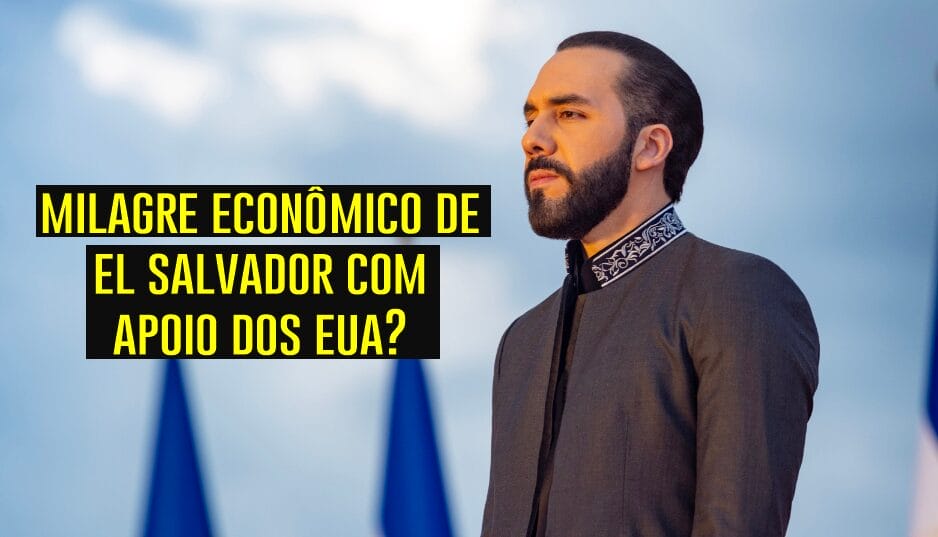
El Salvador President Nayib Bukele Secured a Loan of US$ 1 Billion with Support from the United States. See How This Initiative Can Transform El Salvador’s Economic Prospects!
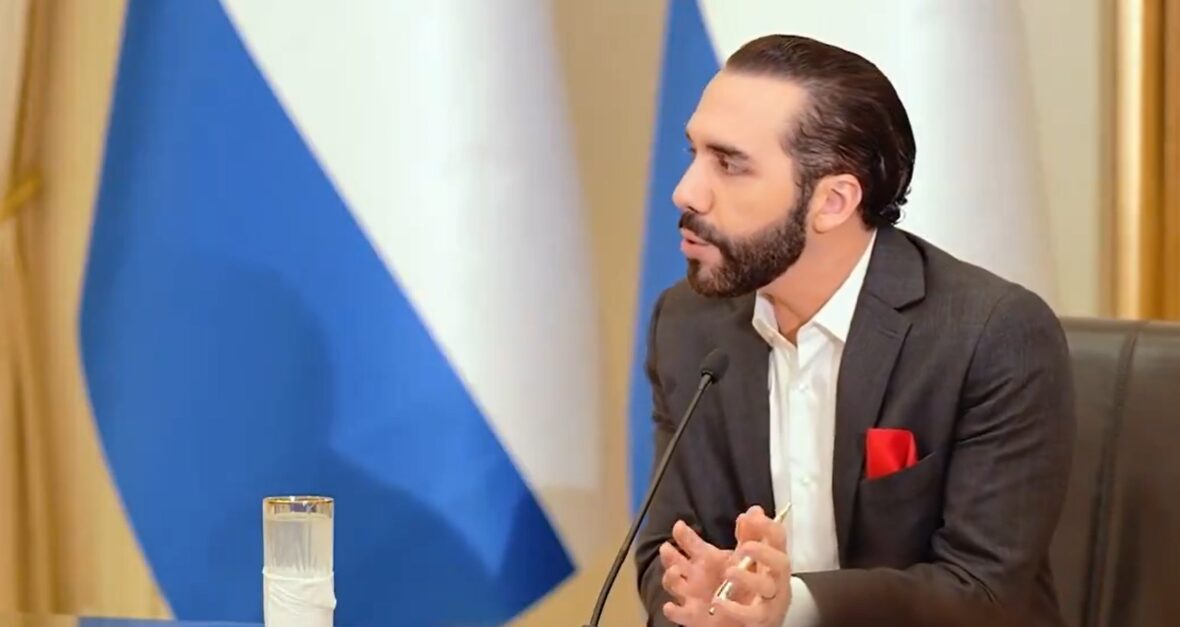
Nayib Bukele, President of El Salvador, secured a US$ 1 billion loan from JPMorgan Chase, with support from the United States. According to information from the FT, the billion-dollar loan is tied to environmental commitments, marking yet another growing trend of “debt-for-nature swaps“, where developing countries exchange part of their financial obligations for conservation initiatives.
How the US Loan to El Salvador Was Structured
Last Thursday, the Salvadoran government announced that it would use part of the funds — US$ 350 million — to finance the restoration of one of the largest rivers in the country, while the remainder will be directed to repurchase debt securities.
The government of Nayib Bukele emphasized that this financial restructuring represents a milestone in terms of environmental action in the country. “This debt conversion represents the most ambitious and impactful environmental action in El Salvador’s history”, the president stated.
-
Inflation in March reaches 0.88% according to IBGE and pressures the Brazilian economy, impacting family budgets and requiring more strategic decisions to maintain financial control.
-
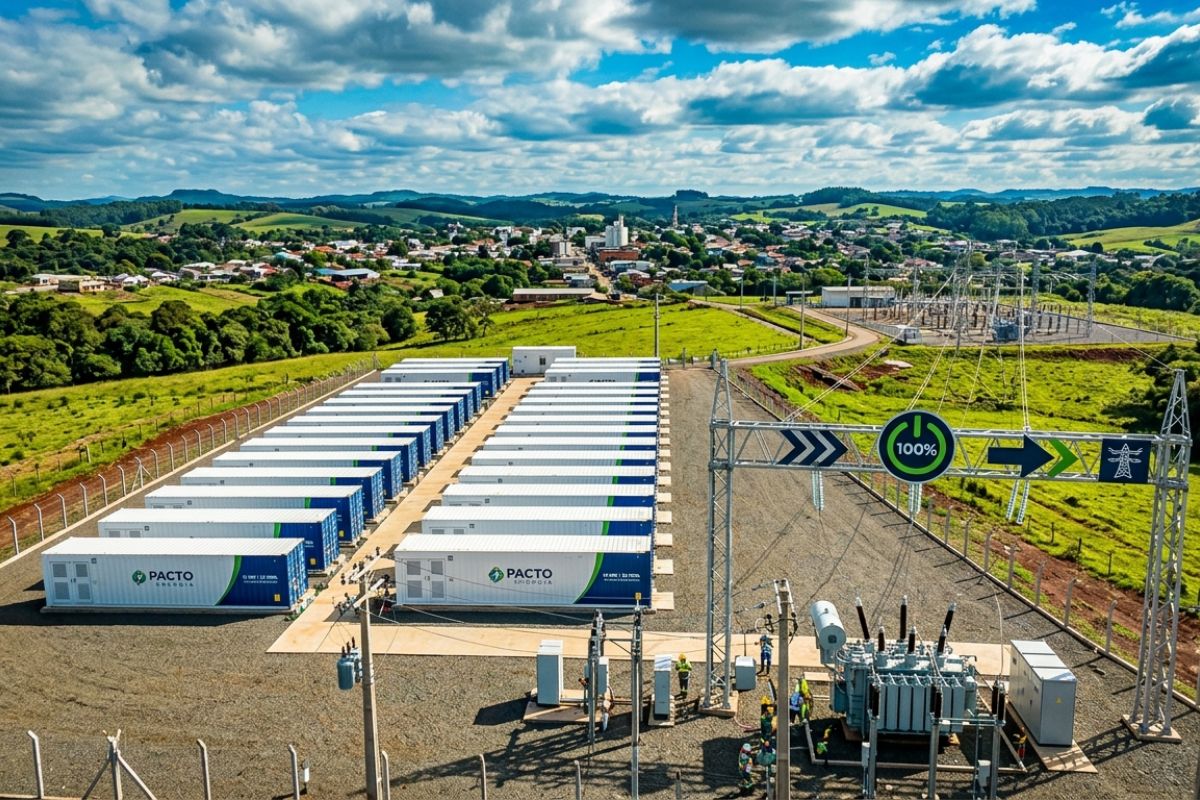
In Paraná, distributor Pacto connects 100% of the load in Coronel Vivida to batteries: a BES of 10 MW and 20 MWh costs just over R$ 30 million and lowers the local tariff now.
-
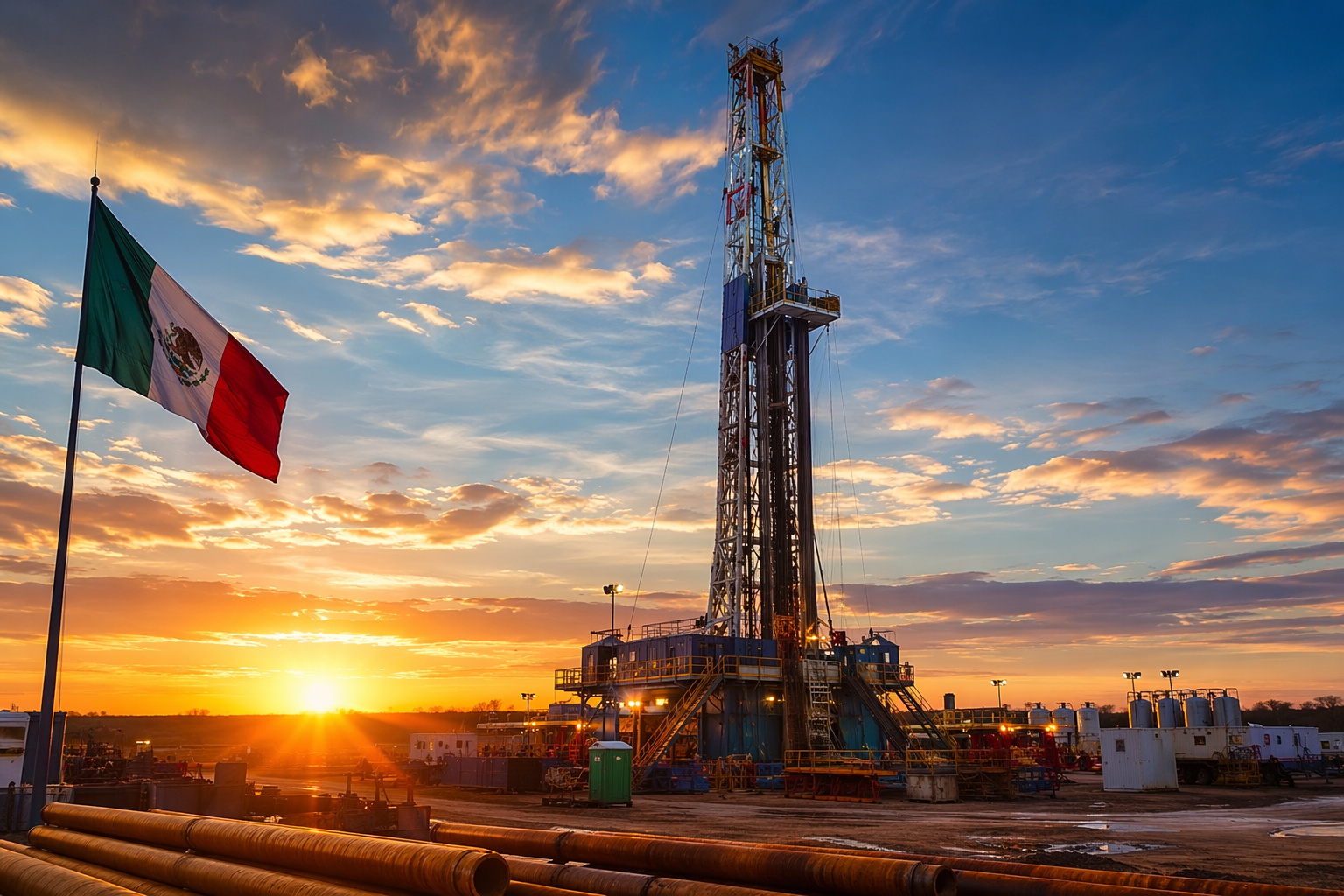
With a dependence of up to 80% on gas imported from the United States, Mexico is responding with a robust energy strategy, betting on shale gas, creating a scientific committee, and preparing to expand natural gas production to reduce vulnerability and strengthen its energy security in the coming years.
-
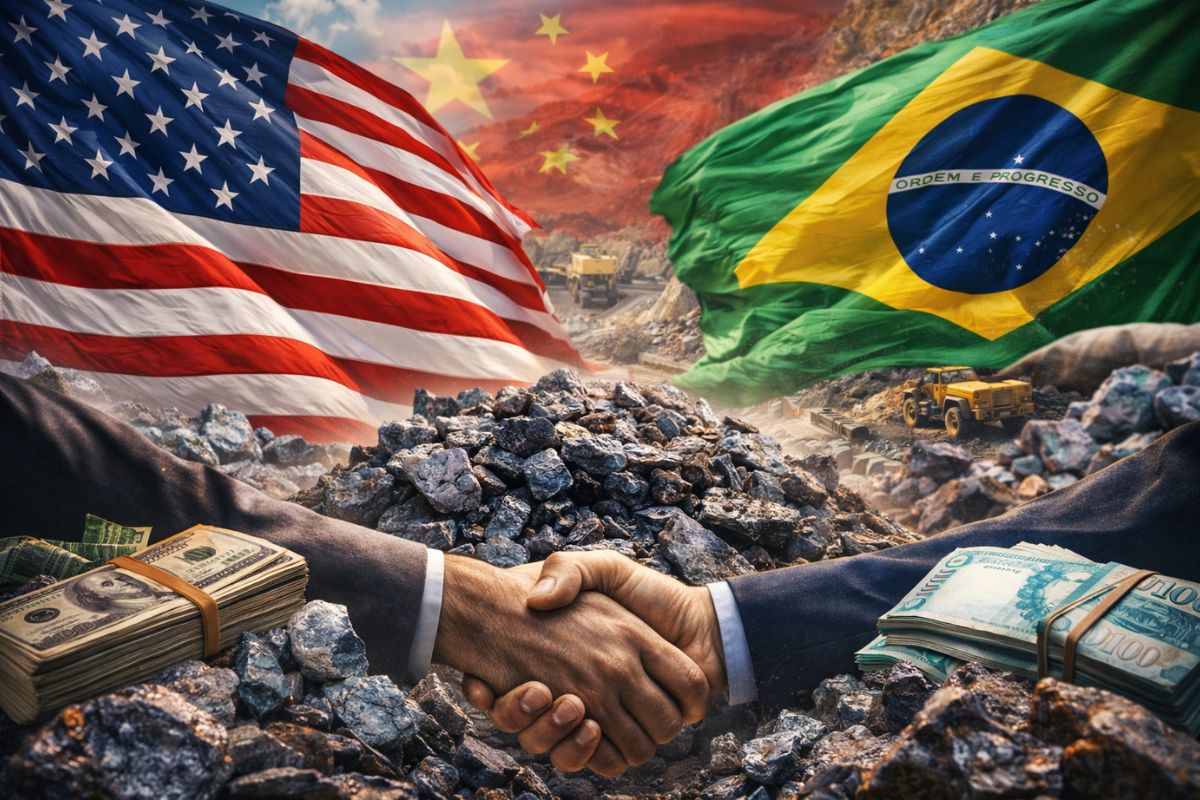
The United States proposes to Brazil a critical minerals agreement with a minimum price to combat Chinese dumping and priority for investment, but the Planalto is blocking the signing out of fear of upsetting China and due to electoral calculations in a year of competition.
Although the interest rate of the loan has not been disclosed, the agreement will include subsidies, mainly in terms of political risk insurance provided by the US Development Finance Corporation (DFC), a development agency of the US government.
This subsidy reflects Washington’s growing support for Nayib Bukele, following a period of diplomatic tension due to criticisms of democratic backsliding in the country.
Debt-for-Nature Swaps
The case of El Salvador joins a series of similar agreements in Latin America, the Caribbean, and Africa. These nations face financial challenges and have difficulties accessing conventional loans.
The central idea behind these debt-for-nature swaps is that countries can use guarantees offered by development institutions to refinance their debts in exchange for environmental commitments.
However, while this type of agreement is appealing to many countries, critics question its transparency and long-term effectiveness. Some experts argue that such agreements, in many cases, do not offer real debt relief, raising concerns about their sustainability.
A recent example of this model was the historic swap deal made by Ecuador last year, aimed at financing the conservation of the Galápagos Islands.
Nevertheless, local groups expressed discontent due to the lack of adequate consultations. Another example was the first debt-for-nature swap in Africa, conducted by Gabon, organized by Bank of America.
The Nayib Bukele Government and Its Reforms
Since taking office in 2019, Bukele has implemented a series of policies that have generated both praise and controversy.
His firm stance against criminal gangs, with the imprisonment of approximately 2% of the adult population in the country, has brought improvements in public safety. These results have contributed to his growing popular support, with high approval ratings both within El Salvador and in other countries in the region.
On the other hand, his decision to adopt bitcoin as legal tender has sparked controversy. While Bukele has promoted the cryptocurrency as a way to increase financial inclusion, the initiative has not achieved significant adoption among the population and has attracted criticism both nationally and internationally.
Amidst the criticisms, Bukele has also taken steps to ensure his continued power. He ran for re-election after a court reinterpreted the constitution to allow consecutive terms, a decision widely seen as controversial.
International Repercussions and New Priorities
Despite initial tensions with the international community, DFC’s support for the refinancing agreement for El Salvador’s debt demonstrates a significant shift in Washington’s approach toward the country. Historically, El Salvador has been an important source of migration to the US, making the relationship between the two nations crucial.
In addition to security issues, the Bukele government is focused on improving El Salvador’s economic situation. In recent statements, the president emphasized that reducing debt and improving public finances are central priorities of his administration.
Earlier this year, Bukele stated that the government would finance expenses for 2025 without the need to incur new debts.
“We want the world to see El Salvador not just as a country that solved its security issue, but also as a nation that achieved an economic miracle,” Bukele wrote in a post on the social network X.
However, he warned that this goal would take several years to fully realize.
Relationship with the IMF
Meanwhile, the El Salvador government is in negotiations with the International Monetary Fund (IMF) seeking a new credit line. However, the IMF has been clear about the need for the country to revise its policy regarding bitcoin, pointing out that this issue is a central topic in the discussions.
As a result, the next steps of the Salvadoran government will be crucial in determining the country’s economic future, as the Bukele administration continues to navigate between internal challenges and international pressures.










Seja o primeiro a reagir!