





 Portuguese
 Spanish


Dutch offshore wind could get €9.5 billion in support for two North Sea farms, but auction will favor projects without subsidies
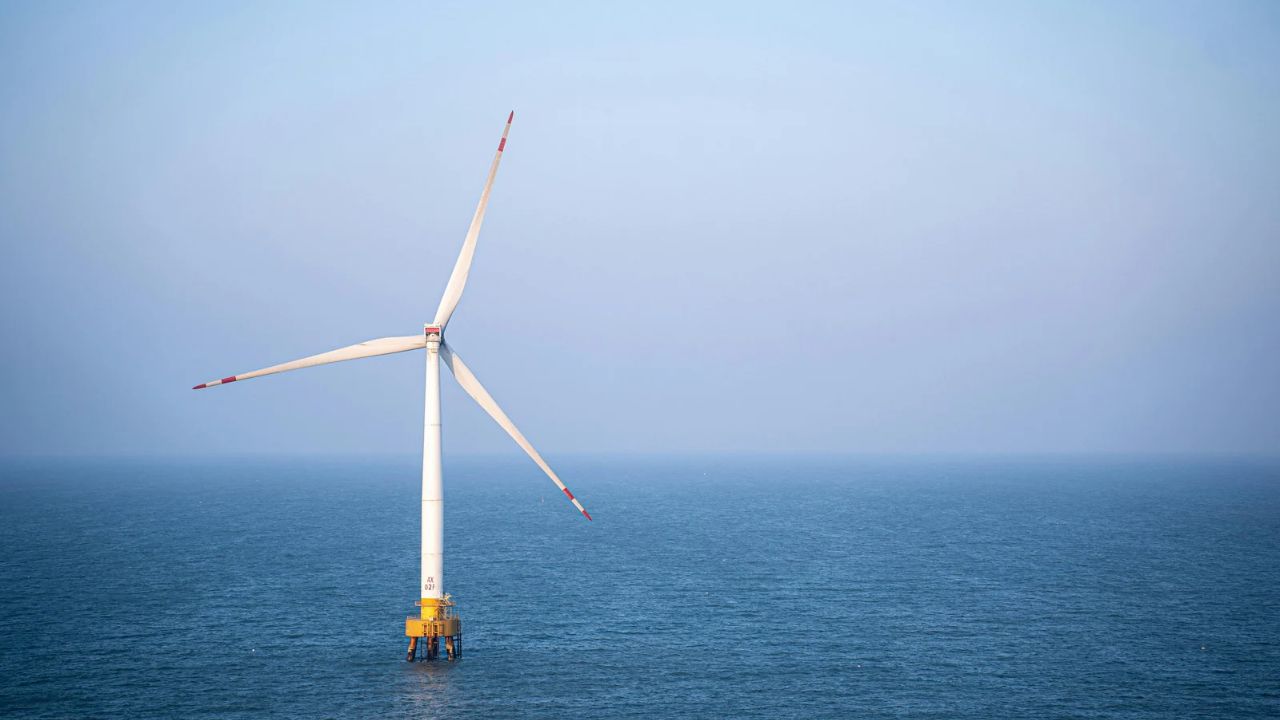
Offshore wind power in the Netherlands could receive €9.5 billion in state support to help make two North Sea wind farms viable, but the government intends to favor companies willing to build them without subsidies. The TOWOZ mechanism, authorized by the European Commission, would be an alternative if no bids emerge from companies able to take on the projects and pay a fee for the sites.
The auctions are scheduled to take place by July 2027. The IJmuiden Ver Gamma-A and Gamma-B projects have a combined 2 GW of installed capacity and are expected to produce 7,441 GWh of renewable electricity a year starting in 2032.
Industrial requirements bring Dutch projects in line with approved Belgian initiative
Funding is not the only issue the European Commission considers when reviewing new offshore wind projects. The week before approving the Dutch program, the commission authorized another package, worth €2 billion, for offshore projects in Belgium. Although the initiatives involve different countries and amounts, both reflect concerns about the origin and diversity of the equipment to be used as the sector expands.
-
Cladtek’s RapidPipe Technology Can Cut Offshore Pipeline Installation Time by Up to 80% by Replacing Welding

-
Over 70 Nutritionists Lead Sodexo’s Offshore Food and Hospitality Services, Ensuring Food Safety and Well-Being

-
Offshore support vessel from DOF issues “Mayday” after fire outbreak in the Campos Basin; vessel was towed and the incident mobilizes Navy and Petrobras

-
A 24,200-ton oil platform is removed from the North Sea in just 10 seconds and taken to be scrapped on land, in an operation where more than 97% of the Brent Delta structure was reused or recycled.


In bidding for the Dutch sites, consortia will have to show that their supply chains are diversified, particularly for turbines and major components. This requirement is part of the criteria under the Net-Zero Industry Act, incorporated into the auction.
The goal is to reduce Europe’s dependence on imports, rather than treating construction of the wind farms solely as a matter of generating capacity. By tying bids to supplier requirements, the process also makes industrial supply-chain organization one of the conditions companies will have to meet.
The same diversification requirement applies to projects backed in Belgium. Together, the two approvals point to a shared direction in European policy: increasing renewable electricity production while strengthening the supply chain for turbines and other essential equipment.
In the Netherlands, however, the contracting model has a distinctive feature. Even with the aid approved, the government plans to first determine whether the market can make the projects viable without public funding.
TOWOZ program sets out two ways to finance wind farms in the North Sea
The authorization of €9.5 billion does not mean that this amount will automatically be transferred to the companies responsible for the wind farms. Before using the fund, the Dutch government plans to determine whether bidders are willing to develop the projects without subsidies and still pay the state for use of the marine sites.
To that end, the TOWOZ framework provides for two options in the selection process:
- If bids are submitted without subsidies: priority will go to consortia willing to build the wind farms and pay the fee for the sites.
- If no bids are submitted under those terms: state aid may be activated, with the winners receiving a variable premium tied to the market price of electricity.
In the second scenario, the premium guarantees a minimum revenue floor for the selected projects. The support, however, does not provide protection without conditions: if the price of electricity exceeds the reference level set in the contract, companies will have to repay part of the benefit received.
This resource-recovery rule is known as claw-back and is part of the conditions approved by the European Commission. The mechanism combines a minimum revenue guarantee for selected projects with the possibility of repaying funds when market prices exceed the levels set in the agreement.


