Portuguese
  Spanish


Removed from the North Sea in just 10 seconds, the gigantic Brent Delta platform became a symbol of offshore industrial recycling, with more than 97% of the structure reused after dismantling.
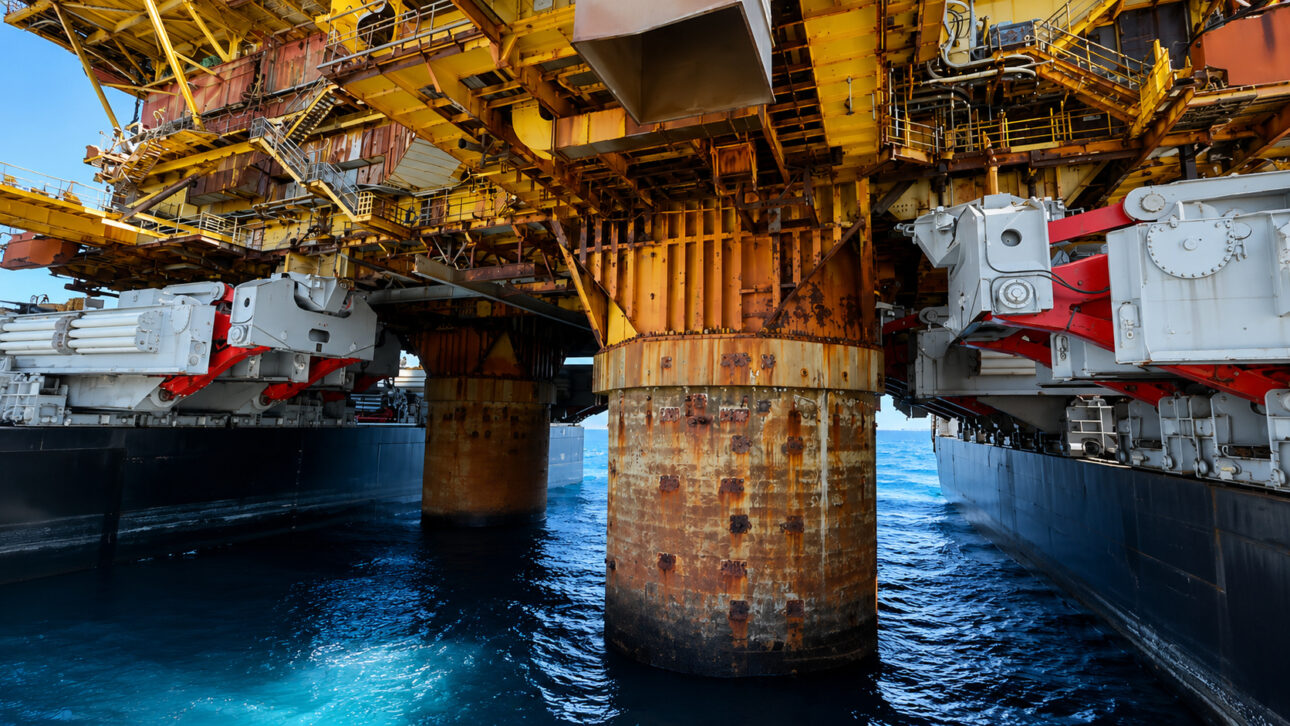
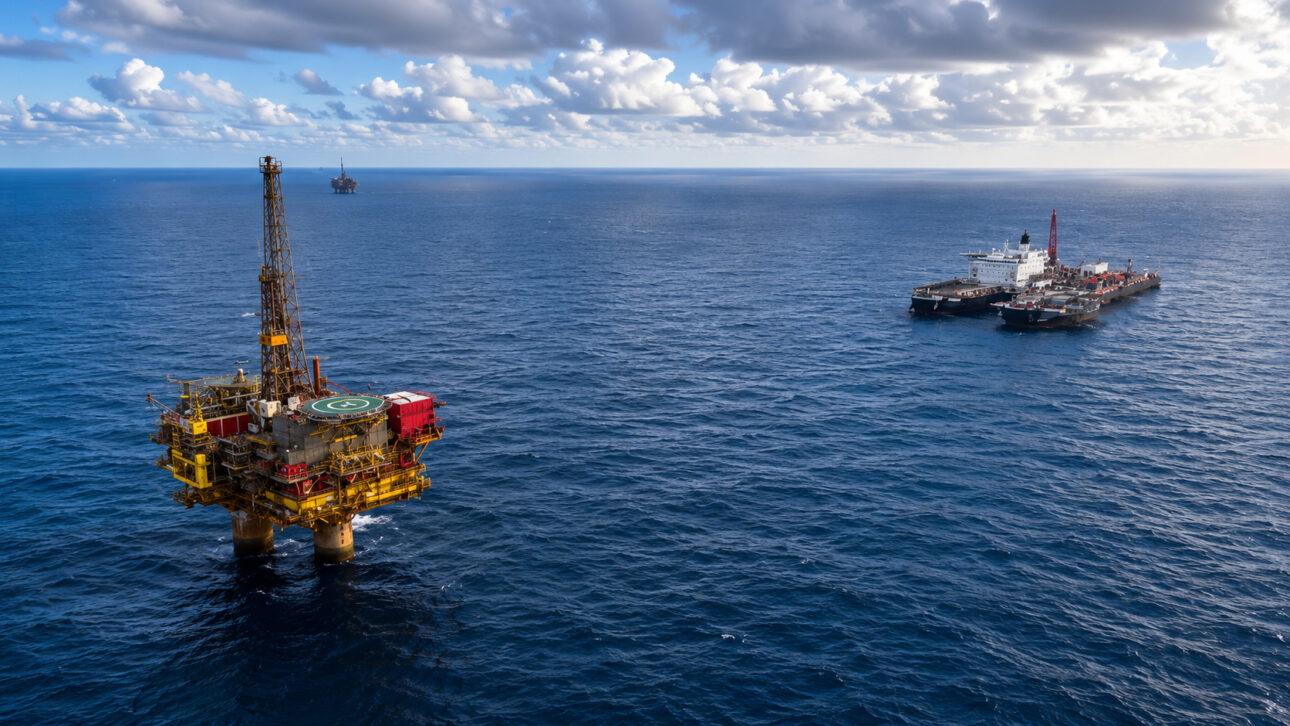
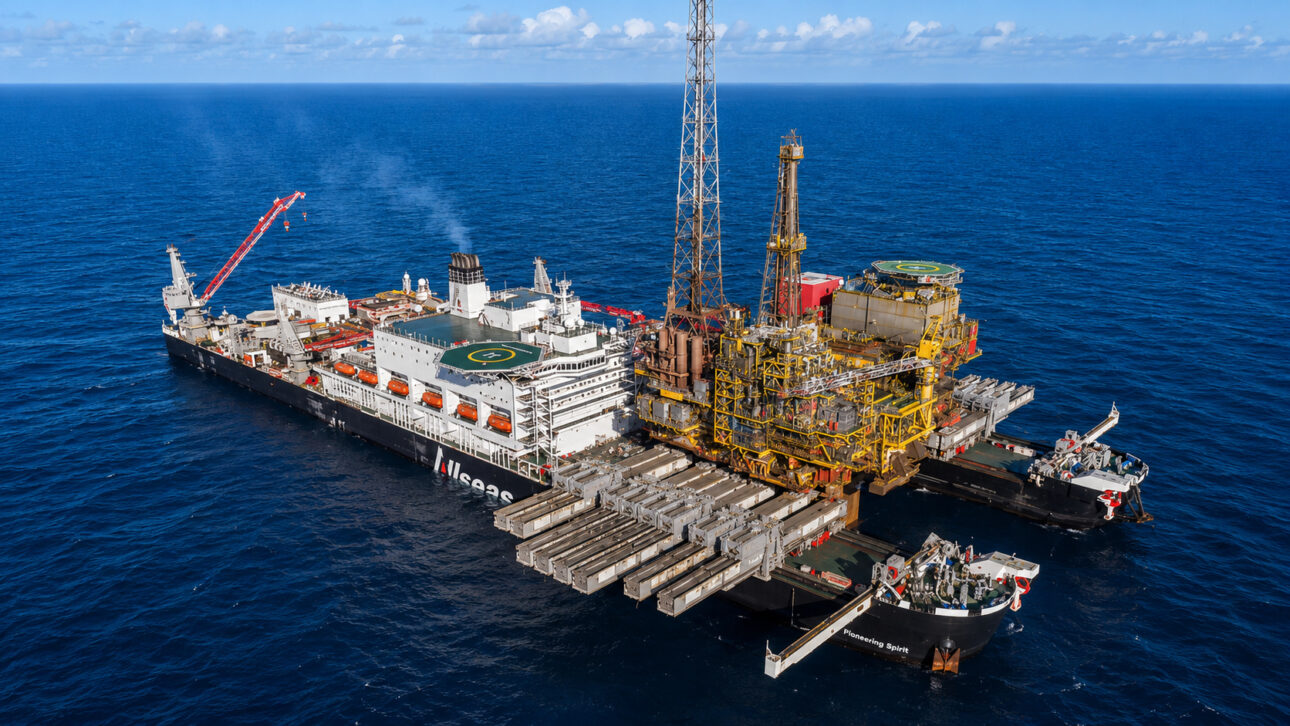
In April 2017, one of the largest structures in the North Sea oil industry ceased oil production and embarked on a new journey. The Brent Delta platform, operated by Shell, was removed from the ocean in an operation considered a milestone in offshore engineering. According to Shell, the platform’s topside structure weighed about 24,200 tons and was lifted in one go by the Pioneering Spirit vessel in just 10 seconds.
What draws attention is not just the size of the structure, but the fate it had afterward. Instead of being left abandoned at sea, the platform was transported to the British coast, where it underwent a lengthy industrial dismantling process. According to an official UK government report on the Brent Delta project, more than 97% of the structure’s weight was reused or recycled, transforming a gigantic oil installation into raw material for new industrial activities.
How a platform the size of a building was removed from the ocean in just 10 seconds
The Brent Delta was part of the historic Brent oil field, located about 186 kilometers northeast of the Shetland Islands in the North Sea. According to Allseas, the company responsible for the operation, the platform was installed in a water depth of approximately 140 meters.
-
Ocyan takes AI and data to the FPSO Brazil Congress 2026 to showcase how digital technologies can enhance safety, integrity, and performance in next-generation FPSOs.

-
Sodexo debuts unique maritime hospitality on Seagems ship to transform the well-being, food, and comfort of offshore professionals.

-
European ship will transport captured CO₂ to be stored under the North Sea as the Greensand project prepares the first industrial offshore storage in the European Union to operate in 2026 with an initial target of 400,000 tons per year in Denmark.

-
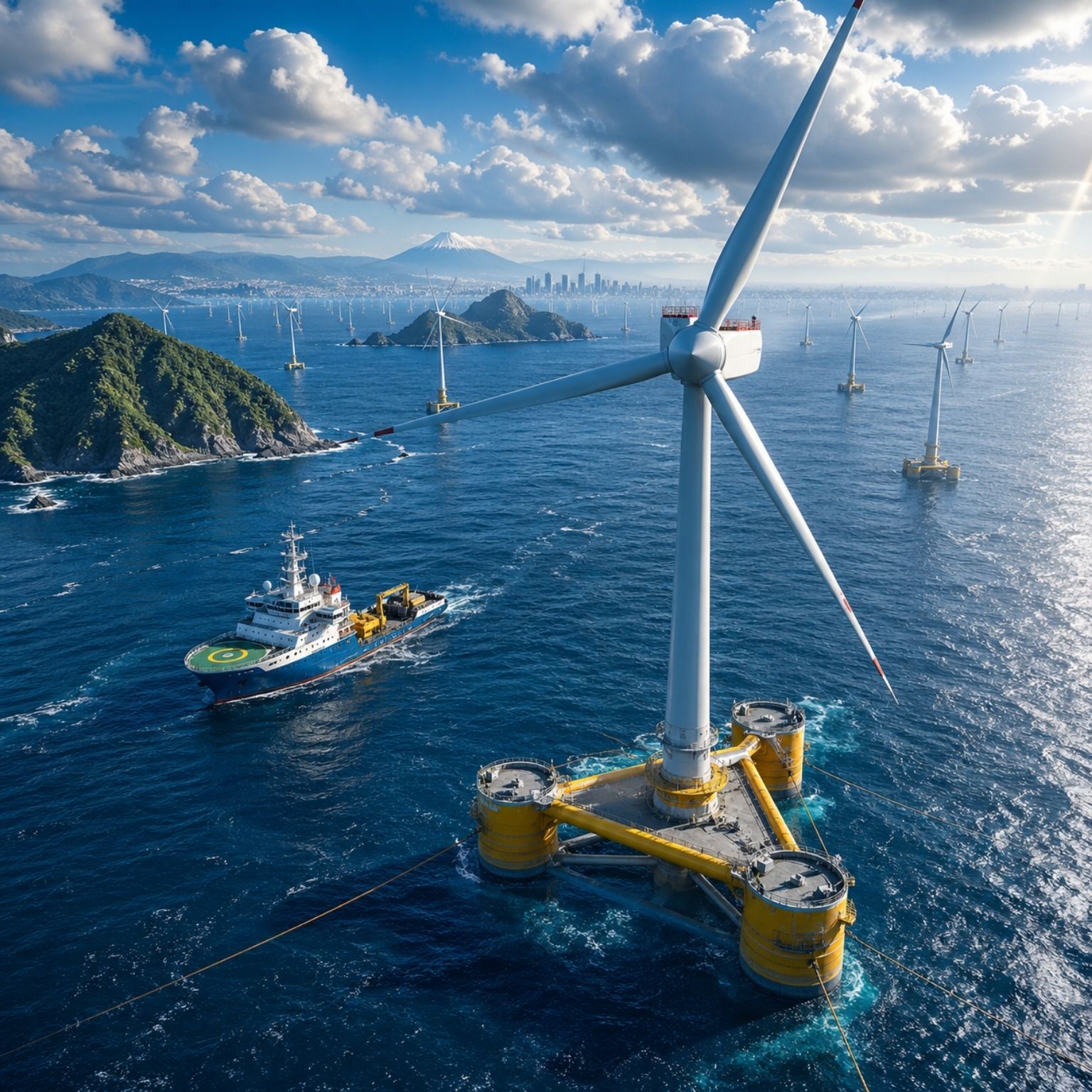
Japan wants to install the world’s largest floating wind farm, with a capacity of 1 GW near the Izu Islands, to supply Tokyo by 2035 and create a plant in the ocean nearly 10 times larger than the current largest floating operation.




For decades, removing a structure of this size was considered one of the biggest challenges in the offshore industry. Traditionally, platforms were dismantled at sea into thousands of smaller pieces, a slow, expensive, and risky process.
In the case of the Brent Delta, Shell opted for a different solution. According to the Institution of Civil Engineers in the UK, the company decided to remove the entire topside structure in one go, reducing offshore operations and minimizing risks for workers and support vessels.
The ship that performed one of the largest maritime lifts ever recorded
To execute the operation, the crane ship Pioneering Spirit was used, considered by Allseas as one of the largest offshore construction vessels on the planet. According to Shell, the vessel has a length equivalent to six jumbo jets lined up and used 16 motion-compensated hydraulic arms to lift the platform. After years of planning and structural preparation, the actual removal took only 10 seconds.
Shell states that this lift represented the largest offshore maritime lift carried out up to that point. The entire platform was separated from its base and positioned on the ship in a single movement, eliminating the need for hundreds of cuts and smaller lifts.
The gigantic dismantling process that followed the removal
The removal of the Brent Delta was just the beginning. According to the official project closure report published by the British government, the structure was transported to the Able Seaton Port shipyard in Teesside, England. There began an industrial operation that lasted about 23 months, involving the separation of steel, equipment, electrical systems, piping, and potentially hazardous materials.
According to the report, the platform contained large amounts of structural steel, as well as industrial waste accumulated over decades of operation. The work required specialized treatment for materials such as asbestos and waste classified as NORM, an acronym used for naturally occurring radioactive materials found in some oil operations.
At the end of the process, the British government recorded that 97% of the structure’s weight was reused or recycled, while only a small portion needed to be permanently disposed of.
The end of life of platforms is creating a new billion-dollar industry
The case of the Brent Delta is part of a much larger transformation occurring in the global oil and gas industry. Thousands of platforms built between the 1970s and 1990s are reaching the end of their useful life. According to the United States Government Accountability Office, there are thousands of wells and hundreds of structures in the Gulf of Mexico alone awaiting decommissioning stages. This process includes well closure, equipment removal, and environmental recovery of the affected areas.
The sector has started to mobilize companies specialized in engineering, heavy logistics, industrial recycling, and environmental management. Giant ships, adapted shipyards, and high-capacity cutting equipment have become part of an economic chain that practically did not exist on a large scale a few decades ago. For many companies, decommissioning already represents a market as important as the construction of platforms itself.
What happens to the bases that remain on the seabed
Although the top part of the Brent Delta has been completely removed, part of the original structure remains in place. According to the official report from the British government, the concrete base that supported the platform remained on the seabed, while the legs of the structure were left projecting above the surface after the top was removed. The area continues to be monitored and surrounded by a maritime safety zone.
This decision is part of a debate occurring in various oil-producing countries. In some cases, completely removing a structure can generate greater impacts and risks than keeping certain parts stabilized on the seabed. Each project undergoes specific technical, economic, and environmental evaluations before regulatory approval.
An invisible industry that is dismantling the giants of the oil era
For decades, platforms like the Brent Delta symbolized the expansion of offshore production in the North Sea. Today, they represent another phase of the energy industry: the enormous challenge of safely dismantling structures that helped supply the world for generations.
The removal of a 24,200-ton installation in just 10 seconds drew attention for the engineering involved. But perhaps the most impressive aspect is what came afterward: almost two years of dismantling, material separation, and recycling to transform an oil giant into raw material for a new stage of the industrial economy.
And you, do you believe that the world is prepared to dismantle the thousands of platforms, turbines, ships, and other mega infrastructures that will reach the end of their useful life in the coming decades?