Portuguese
 Spanish


A 19-railcar train broke free during grain transfer in Romania and traveled nearly 8 kilometers before hitting two locomotives. The accident derailed six railcars and prompted the deployment of a 120-ton crane.
A 19-railcar freight train traveled nearly eight kilometers uncontrolled and stopped only after hitting two locomotives parked on a railway in northern Romania. The accident occurred on November 7, 2026, in Suceava County, a few kilometers from the border with Ukraine.
The railcars broke free during a grain transfer operation at Vicșani station. According to Romanian public broadcaster TVR, the train picked up speed on a downhill stretch and reached Dornești station about 13 minutes later. The collision damaged locomotives and railcars, but no one was injured.
The country’s railway infrastructure manager, CFR S.A., deployed a 120-ton rail crane to remove the damaged vehicles. The removal operation continued until the night of November 9.
-
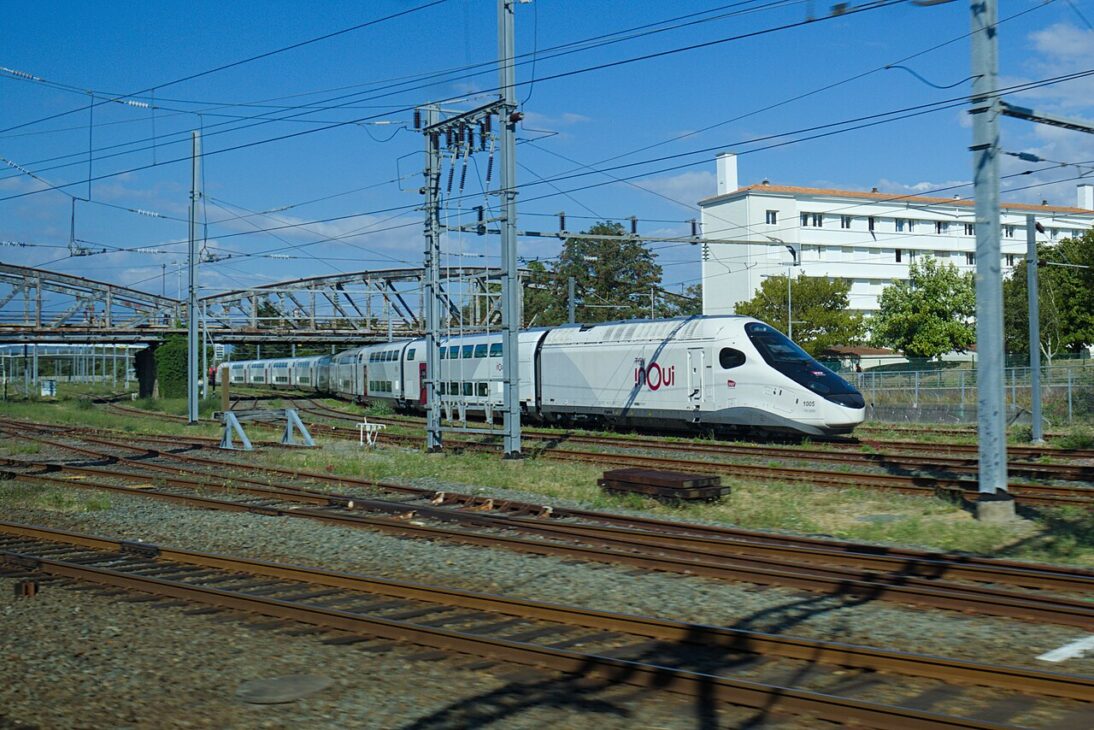
France’s new high-speed train gains a passenger car and 17% more space without increasing its 200-meter length; modular interiors allow class conversion in one day

-
Imported goods reach São Paulo in as little as seven days: Amazon cuts international delivery times by about 40% since 2024 and now offers 55 million products in Brazil

-
Dinner Comes Down on a Cable: Uber Eats Launches U.S. Drone Deliveries That Fly at Up to 113 km/h and Hover About 100 Meters Above the Ground While Lowering Meals to Customers
-
Pedestrians Bent and Broke Delivery Robots’ Masts in the U.S., Prompting Redesign After 1 Million Deliveries



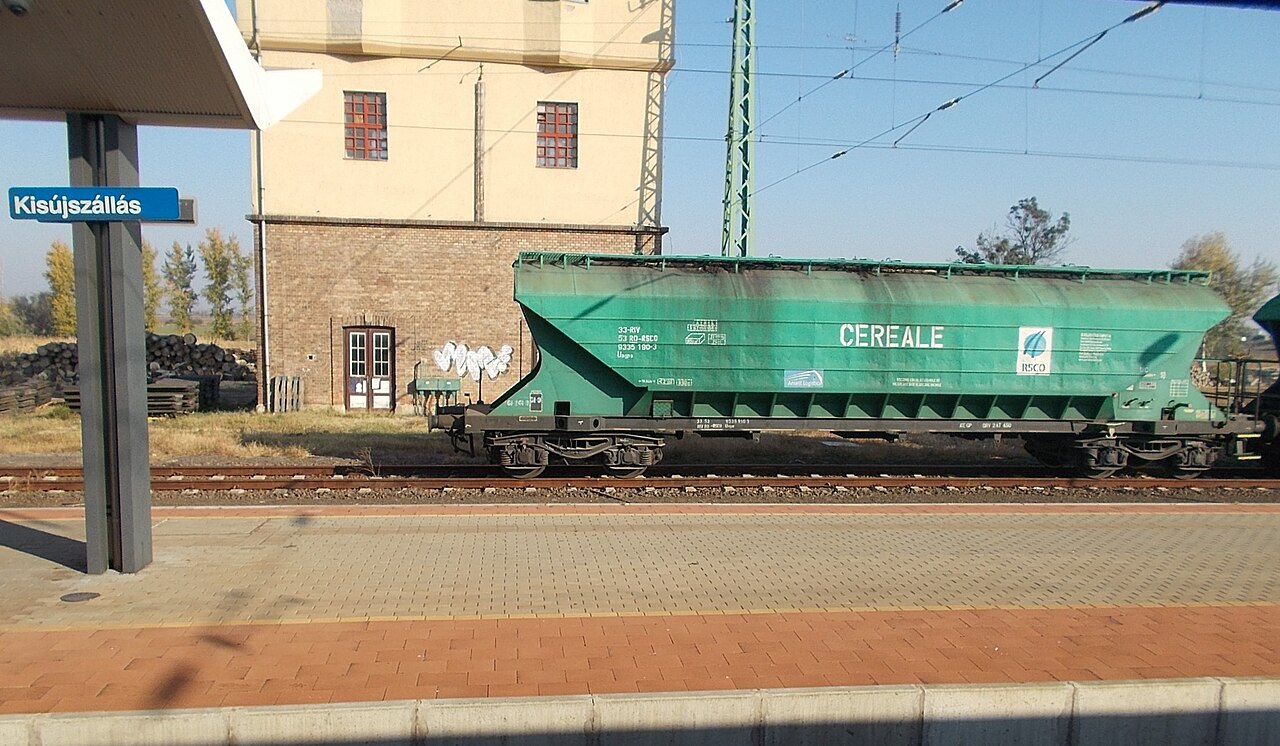
Nineteen railcars broke free while a crew was moving grain
CFR’s first statement identified Global Grain Logistic as the operator of the railcars that moved uncontrollably. The group was at Vicșani for transloading operations when it left the shunting area and entered the track connecting the station to Dornești.
Romania’s Railway Investigation Agency (AGIFER) confirmed the exact makeup of the train: 18 railcars were carrying grain and one was empty. The cars were moved in the yard using a winch, equipment used to move rail vehicles in work areas.
In an interview with TVR, the agency’s director general, Dumitru Laurențiu, said the track’s slope contributed to the train’s increasing speed along the route. An investigation was opened to establish the circumstances in which the train broke free and identify the factors that contributed to the incident.
Six railcars derailed, three overturned and one locomotive was seriously damaged
At Dornești station, the railcars struck two locomotives owned by another private rail operator. The force of the impact also affected equipment positioned on an adjacent track.
In an update issued that same day, CFR reported that six railcars had derailed and three had overturned. Among the vehicles hit was an empty tank car used to transport fuel, which was on another track in the yard.
One locomotive sustained severe damage, and two axles on one of its bogies—the assemblies that support the wheels—came off the tracks. The damage compromised the clearance needed for other rail vehicles to pass safely through part of the station.
Despite the damage, the infrastructure manager said the accident did not interrupt passenger train service. Firefighters and specialists in chemical risk assessment also took part in the response, according to Romanian public television.
A 120-ton rail crane was sent to remove the wreckage
Crews began clearing the tracks on Saturday. According to the update issued on the evening of November 7, 16 of the 19 railcars that had broken loose had already been removed to Vicșani. Two tracks had reopened to rail traffic.
The lifting equipment sent from Galați had a rated capacity of 120 tons. Before removing the vehicles, crews had to prepare the most heavily damaged railcars and recover the grain scattered across the area.
On Sunday, November 8, CFR confirmed that the overturned tank car had been removed. Crews also began separating components from the most severely damaged structures to make it possible to remove them with the rail crane.
The removal of the railcars and damaged locomotive was completed on the evening of November 9. The November 10 update said four tracks were available, while workers collected grain and metal parts still scattered around the area. The company expected to finish the cleanup and fully reopen rail traffic that day, after safety checks.
An 85-millimeter gauge difference explains why the region handles so much freight transloading
Dornești station is an important hub for freight transport between Romania and Ukraine. The two countries use different rail gauges, meaning the distance between the inner faces of the rails differs.
In Romania and most of Europe, the standard gauge is 1,435 millimeters. Ukraine and Moldova use the 1,520-millimeter gauge. The difference prevents much of the rolling stock from moving freely between the two networks, requiring cargo-transfer solutions or vehicle modifications.
As a result, the region has facilities serving both railway standards. The Unicom terminal in Dornești, for example, covers 56,560 square meters and handles railcars of both gauges, as well as trucks for onward road distribution.
In 2024, the Grampet Group opened another terminal in the city after investing 10 million euros. The company announcement said the facility was designed to transfer up to three million metric tons of grain a year, handling eight railcars of each gauge at the same time. The terminals help move agricultural products to other regions, including the Black Sea port of Constanța.
Investigation seeks to determine why the railcars left the switching area
The public record maintained by AGIFER, Romania’s railway investigation agency, shows that the investigation into the November 7 incident is ongoing. Experts will assess the circumstances of the movement and the technical and operational factors involved to determine the causes and inform safety measures.
For freight operators, the incident highlighted the consequences of losing control of a heavy train precisely in a region that depends on frequent switching to transfer goods between different railway networks.
Could railcars travel for miles without a locomotive leading the train? Comments are open.