Portuguese
 Spanish


With operations in every Brazilian state and about 40,000 commercial partners, iGreen Energy is diversifying its business and expanding internationally as it aims to reach 5 million customers by 2027
iGreen Energy, a Brazilian company that began by offering electricity-bill discounts through solar power, reached 1 million customers in 2026 and is preparing for a new phase of expansion. The company plans to enter banking, expand its EV charging network and reach 5 million customers in 2027.
Founded in December 2021 by siblings Thiago Alexander and Amanda Durante, iGreen started in the Brazilian state of Minas Gerais with a simple proposition: let consumers save on their electricity bills without having to install solar panels.
The business grew quickly. The company projects cumulative revenue of R$1.4 billion by the end of 2026 and already has about 40,000 commercial partners across Brazil.
-
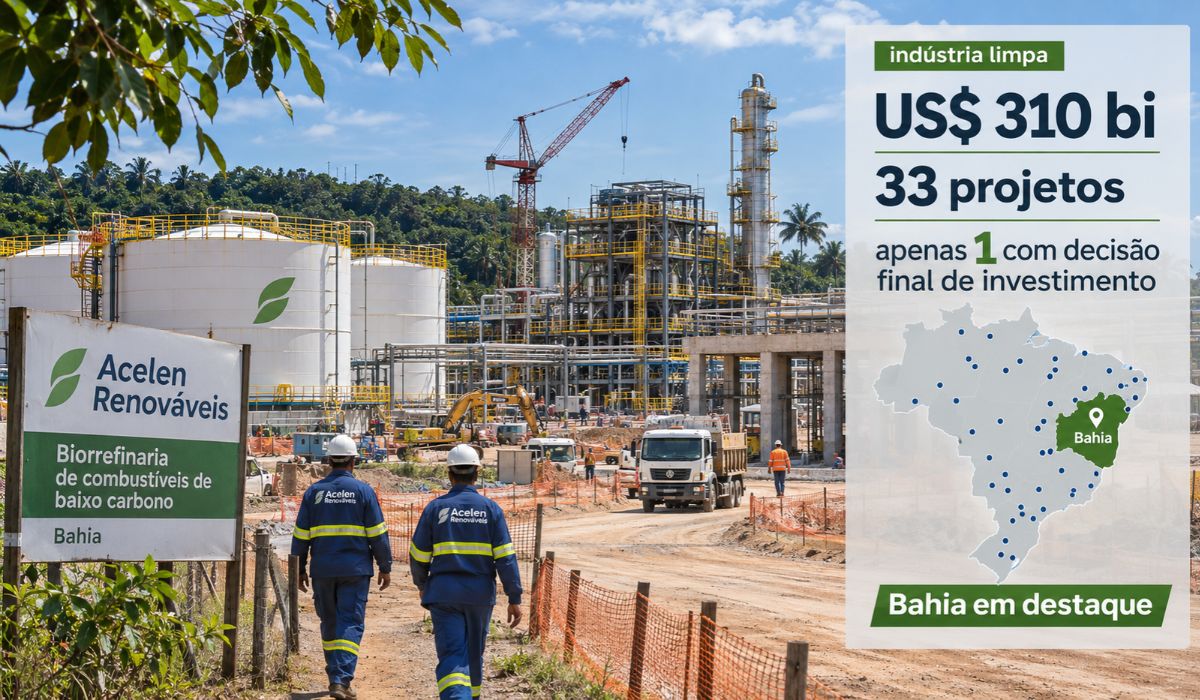
Brazil has $310 billion in 33 clean-industry projects, but only one reached a final investment decision in 12 months

-
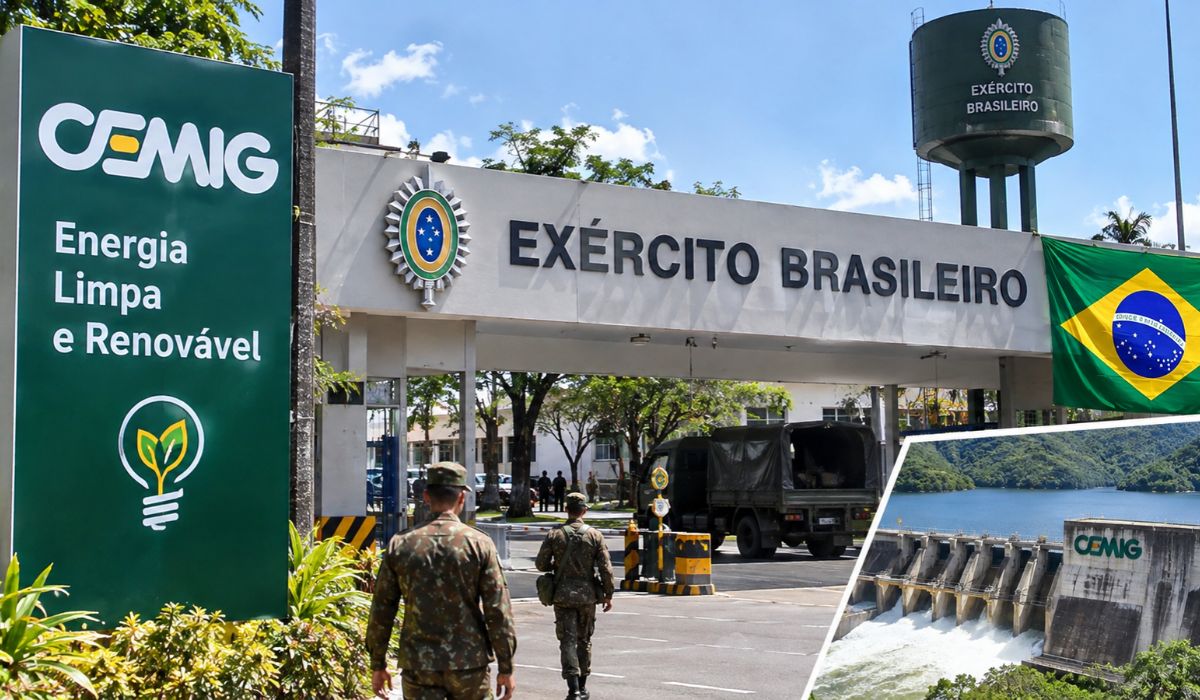
Brazilian Army contracts 100% renewable energy from Cemig for 160 military units across nine states and the Federal District
-
China connects 600-MWh plant to grid, liquefying air at −194 °C to store solar and wind power and generate electricity for 10 hours
-
Neoenergia opens R$60 million funding call for solar power, batteries, and electrical modernization projects in Bahia


Now, the strategy is to use that infrastructure to sell other services. Phone service, insurance, financial solutions and EV charging have joined the company’s plans.

How iGreen Energy cuts electricity bills without installing solar panels
iGreen’s core business relies on shared distributed generation, a system that allows consumers to use energy credits generated by solar plants.
In practice, solar farms generate electricity and feed it into the distribution utility’s grid. The corresponding credits are allocated to participating consumers, lowering their bills.
The distribution utility remains responsible for supplying electricity. Customers, meanwhile, do not need to buy equipment or carry out construction to install a photovoltaic system.
The opportunity to save money was what led the siblings to start the company.
Thiago worked in sales, while Amanda already knew the electricity sector. The two invested their savings and began operating from a commercial space of about 20 square meters.
Growth began with a list of about 100 contacts. Thiago offered electricity-bill discounts and the chance to earn compensation for referring new customers.
In its first year, the company reached about 20,000 customers and 2,000 licensees.
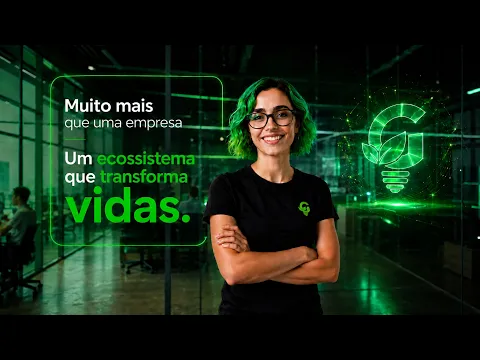
Today, iGreen has a 3,000-square-meter headquarters, more than 500 employees and commercial operations in every Brazilian state.
Company now has 30,000 mobile customers and 10,000 car insurance customers
Diversification began after Thiago learned about British company Octopus Energy, which brings together different solutions on a digital platform.
The experience influenced the decision to turn iGreen into an app offering services beyond electricity.
In mobile service, the company reached approximately 30,000 customers after two years of operations. One feature it highlights is the option to roll over unused mobile data to the following month.
Car insurance also joined the portfolio. The company says it signed up 10,000 customers in about five months.
The platform also offers a benefits club with more than 30,000 partner businesses.
The founders’ goal is to bring these products together in a single app, allowing consumers to use different services without having to turn to multiple platforms.

Digital bank expected to begin serving customers in January 2027
The next bet is financial services. iGreen plans to begin offering banking products to its customer base in January 2027.
Plans include a credit card, access to loans and tools for managing financial transactions within the app.
The company already has a payments platform called iMoney, used by its licensees. It now plans to expand the platform to serve customers as well.
The project is part of a strategy to build what is known as a Super App, an app that brings together different services in a single digital environment.
The business model is also expected to expand.
Licensees may receive recurring compensation for products purchased by consumers they referred, while iGreen will be responsible for offering the products and providing customer support.

Acquisition of company with more than 150 EV charging stations opens new business front
Electric mobility is another area iGreen Energy has chosen for expansion.
The company acquired PV Mob, a business specializing in electric vehicle charging infrastructure that already had more than 150 EV charging stations.
After the acquisition, iGreen recorded more than R$20 million in EV charging station sales in a single month.
The company says its network now includes nearly 280 sites, counting acquired equipment, units being rebranded and projects under construction.
Under the model, site owners use iGreen’s app and software to receive payments for charging sessions.
The equipment will also serve a commercial purpose.
Drivers using the EV charging stations can learn about and sign up for other services available on the platform, including energy, phone service and insurance.
The company is also tracking the expansion of Brazil’s free-market power segment, which allows eligible consumers to choose suppliers and negotiate contract terms.
In this segment, Thiago has set a goal of capturing 40% market share, a target that will depend on regulatory opening, commercial terms and competition.

5 million-customer target includes expansion into other countries
The pace of customer growth is one of iGreen’s main arguments in support of its plans.
The founders say the company ended 2025 with approximately 100,000 customers and reached 1 million in 2026.
For 2027, the goal is to increase that figure fivefold, to 5 million customers.
International expansion has also begun.
The company launched operations in the United States through a partnership with a telecommunications company, using a white-label model, in which a service is marketed under another company’s brand.
Colombia and Peru are among the next markets the founders are considering.
The planned strategy is to start with telecommunications in those countries and later assess offering energy solutions, in line with plans to expand the business beyond the Brazilian market.
This article was prepared based on data and information published by Exame.