





 Portuguese
  English
  Spanish
  5 min of reading
  1 comment





New Canada Law Expands Citizenship Rules by Descent and May Allow Millions of Americans to Apply for Canadian Citizenship, Passport, and Even the Chance to Live in Canada or Work in Canada
A new law in Canada is catching the attention of millions of Americans who may not have imagined they had the right to Canadian citizenship. The change in legislation has opened a new possibility for people with ancestors from the country, even if they were born and have lived their entire lives outside Canadian territory.
With this update to the rules, many U.S. citizens can apply for recognition of citizenship and subsequently obtain a passport from the country. This could also facilitate plans to live in Canada or even work in Canada in the future.
The reform went into effect on December 15, 2025, after the approval of the so-called Bill C-3, legislation that amended important points of the Canadian Citizenship Act and expanded access to citizenship by descent. (Canada)
-
With an unusual prize, Japan transforms office chairs into a resistance race on the streets, the ISU-1 Grand Prix grows, fills events, and pays 90 kilograms of rice.

-
With a façade that resembles a giant zipper, the building in Milan creates a sense of strangeness, featuring lighting that transforms engineering and attracts the attention of residents and tourists.

-
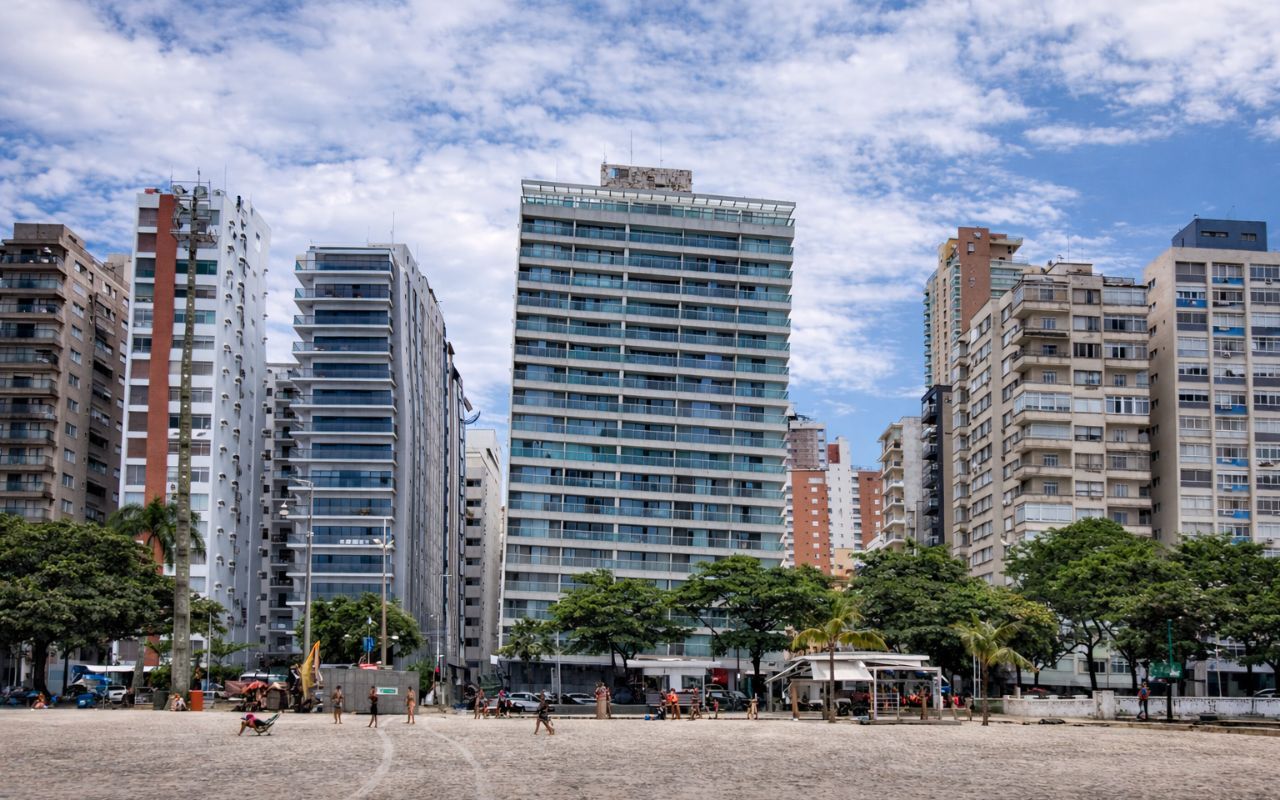
The Brazilian city has 319 crooked buildings built on sandy soil without proper deep foundations, houses the largest beach garden in the world, with over 5 km, and is still considered the birthplace of surfing — meet Santos, in São Paulo.
-
New Zealand builds a shimmering building that vibrates, featuring a 62-seat cinema, moving sculptures, and an environment where sound, light, and energy are felt in the body.


According to the Canadian government, the goal was to modernize the law and reflect the reality of families living scattered around the world, while maintaining ties to the country.
What Changes with the New Citizenship Law in Canada
For many years, Canadian legislation imposed a rule known as the “first-generation limit”. This rule restricted the transmission of citizenship only to the direct children of Canadian citizens born abroad.
In practice, this meant that citizenship could not be automatically passed down to subsequent generations born outside the country.
With the new law, this limitation has been removed for people born before December 15, 2025. This means that many individuals who were previously excluded can now be recognized as Canadian citizens.
This change also rectified situations known as the case of the “Lost Canadians”, people who had a family connection to the country but were unable to obtain citizenship due to outdated rules.
Millions of Americans May Benefit from Canadian Citizenship
The new legislation especially impacts Americans with Canadian ancestry.
Historians note that there was a significant wave of migration from Canada to the United States between 1870 and 1930, primarily in industrial regions such as New England. Many Canadians moved to work in sectors like textiles and manufacturing, creating a strong family network between the two countries.
Due to this history, experts estimate that millions of Americans may have the right to Canadian citizenship by descent. In the New England region alone, for example, it is estimated that around three million people may qualify.
Who Can Apply for Canadian Citizenship by Descent
Generally, the rule works like this:
- People born before December 15, 2025 who have a family connection to a Canadian citizen may be eligible for citizenship.
- Eligibility applies to biological children and also to adopted children, treated equally by the legislation.
- The place of birth does not prevent eligibility.
Those who meet these criteria can apply for a document called a citizenship certificate, which serves as official proof of Canadian citizenship status.
After that, the next step is to apply for a Canadian passport, which guarantees access to full citizenship rights.
More information about the process can be found on the official government website at Immigration, Refugees and Citizenship Canada.
Canadian Passport Can Enhance International Mobility
Obtaining Canadian citizenship can also bring practical advantages.
With the country’s passport, citizens generally have easier access or visa-free entry to various international destinations. This significantly increases global mobility.
Moreover, Canadian citizens have the right to:
- Enter Canada freely
- Live in Canada permanently
- Work in Canada without needing a work visa
These factors help explain why so many people follow changes in the country’s immigration laws.
Dual Citizenship: Americans Can Retain U.S. Citizenship
A common question among Americans interested in Canadian citizenship is whether they will need to renounce their United States citizenship.
The answer is no. The U.S. allows dual citizenship, and Canada does as well.
This means a person can be a citizen of both countries at the same time and enjoy the rights of both.
Canadian Citizenship Does Not Automatically Generate Taxes
Another point that often causes confusion involves taxes.
Unlike the United States, Canada does not tax citizens solely based on citizenship.
In the Canadian system, tax liability depends on tax residency, not nationality.
In other words:
- If an American obtains Canadian citizenship but continues living in the U.S., they do not have to pay Canadian income tax.
- There is also no obligation to file taxes in Canada if the person does not live in the country, does not have a business there, and does not own property.
If a person decides to live in Canada, then the country’s tax rules apply.
In these situations, there is also a tax treaty between the United States and Canada, created to prevent a person from paying tax twice on the same income.
New Rule for Children Born After December 2025
Despite the expanded access to citizenship, the legislation also established criteria for the future.
For children born or adopted after December 15, 2025, citizenship may be passed on if the Canadian parent can prove a substantial connection to the country.
In practice, this means demonstrating that the parent lived in Canada for at least three years (1,095 days) before the child’s birth or adoption.
This rule was created to ensure that citizenship remains linked to a real connection with the country.
Documents Needed to Request Proof of Citizenship
Those who believe they are entitled to Canadian citizenship must prove their family connection to a Canadian ancestor.
Among the documents normally accepted are:
- birth certificates
- baptism records
- immigration documents
- official family records
These documents help the government confirm the line of descent.
Currently, the average processing time for citizenship proof applications is around approximately 11 months, depending on the complexity of the case.
Why Canada Changed Its Citizenship Rules
The change was motivated by court decisions and criticism of the old system.
In 2023, the Ontario Superior Court of Justice found that the first-generation limit violated principles of equality set forth in Canadian law.
In response, the government introduced Bill C-3, which was eventually approved and came into effect at the end of 2025.
At the time, officials explained that the reform aimed to make the law fairer and more aligned with the reality of Canadian families scattered around the world.
With the implementation of the new citizenship law in Canada, millions of people may discover that they already have the right to Canadian citizenship.
For many Americans with Canadian family roots, this could mean more than just a document; it could be the chance to live in Canada, work in Canada, or simply gain access to new international opportunities.
Did you like the information? If you know someone who may benefit from this new law, leave a comment below or share this article. It could help many people discover a right they didn’t even know they had.









interesting 🤔