





 Português
  Inglês
  Espanhol
 4 min de leitura
  32 comentários


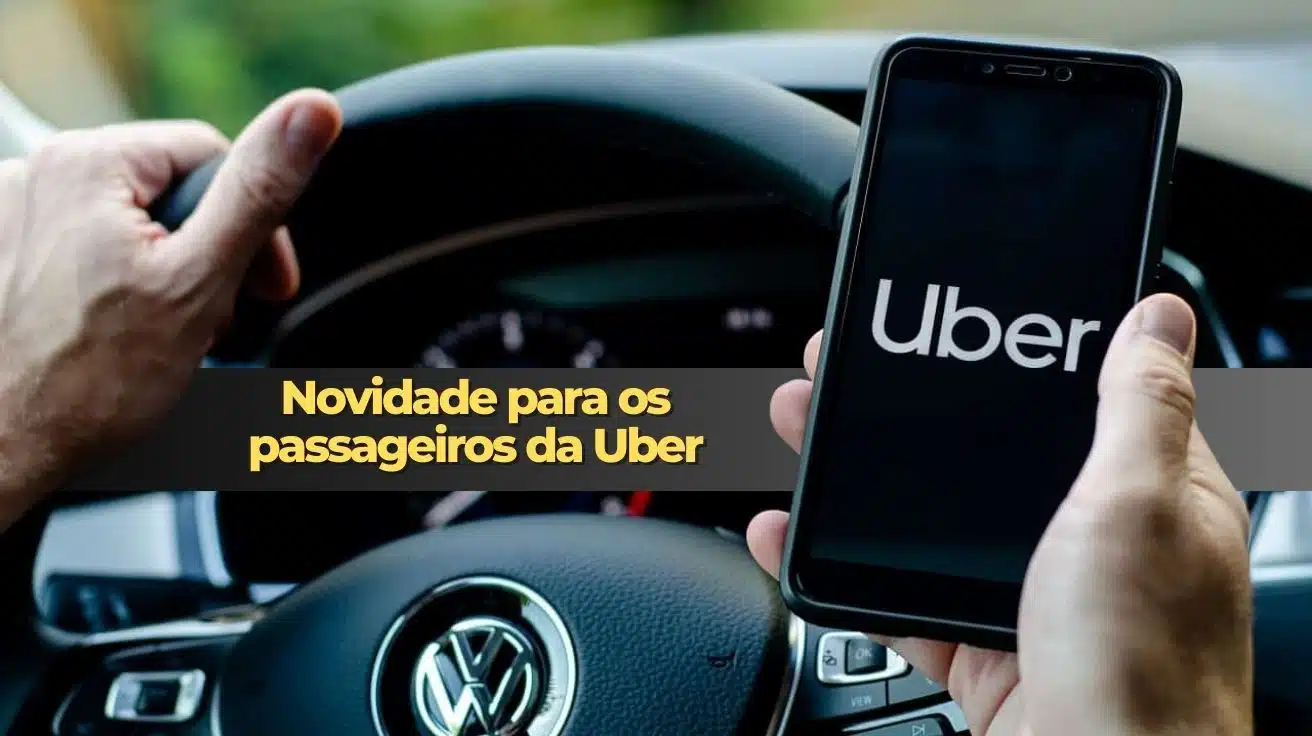


Thousands Of Uber Drivers Face A New Law That Could Ban Them From The Platform! The Requirement Has Become A Rule, And Those Who Do Not Comply Could Lose Their Livelihood. Understand How This Decision Is Changing App-Based Transportation And Putting The Future Of Many Workers At Risk!
The app-based transportation has become an essential alternative for millions of Brazilians, providing practical and accessible mobility.
However, a new legislation in Rio de Janeiro is having a significant impact on drivers of platforms like Uber and 99.
The measure, which came into effect in 2025, could prevent many professionals from continuing in the activity.
-
With an unusual prize, Japan transforms office chairs into a resistance race on the streets, ISU-1 Grand Prix grows, fills stages, and pays 90 kilograms of rice.

-
House in England with a 7.6-meter shark embedded in the roof attracts attention worldwide and becomes a curious attraction in Oxford.

-
With awards in various countries, the Jaecoo 7 is establishing itself globally and accelerating the expansion of Omoda & Jaecoo in the hybrid SUV market.
-
Masterpiece in Spain, under construction since 1882, receives 4.8 million visits in a year and impresses with its gigantism and architecture.


The requirement imposed by the new law has generated controversy and concern among drivers.
The regulation stipulates that all vehicles registered with transportation apps must have and use air conditioning during trips.
If this rule is violated, the professional may be penalized or even banned from the platform.
The measure aims to ensure passenger comfort but has been a point of controversy among drivers.
Air Conditioning Becomes Mandatory For App Drivers
Since January 2024, a new regulation has been in effect in the State of Rio de Janeiro, establishing that all app drivers must keep the air conditioning running during trips.
The measure arises in response to frequent complaints from passengers, who reported thermal discomfort during trips.
The requirement has generated various reactions:
- Drivers refuse to turn on the air conditioning to save fuel.
- Some drivers charge extra fees for using the air conditioning, which is prohibited by the platforms.
- Passengers report dissatisfaction and frequently complain about the lack of this service.
- The Procon Carioca has pressured companies like Uber and 99 to enforce the rule compliance.
With the new legislation, app transportation companies are required to strengthen enforcement, potentially deactivating drivers who do not comply with the requirement.
Uber Reinforces Rules For Drivers
Uber has a clear policy regarding the use of air conditioning.
According to the company, for a vehicle to be accepted on the platform, it must have the air conditioning system fully operational.
Furthermore, the Uber code of conduct requires drivers to maintain passenger comfort, including adequate temperature within the car.
If a driver refuses to turn on the air conditioning or charges extra fees for the service, they can be reported and may even lose access to the platform.
Uber also emphasizes that charges made outside of the app are considered serious violations and may result in driver deactivation.
Other platforms, like 99, are also adopting similar measures to ensure compliance with regulations and avoid passenger complaints.
Procon Carioca Joins The Dispute
In light of passenger complaints about drivers who refuse to use air conditioning or charge extra fees for the service, Procon Carioca has notified the companies Uber and 99.
The agency recommended that the platforms make the mandatory use of air conditioning explicit and create a direct channel for consumers to report irregularities.
Procon also highlighted that the quality of service offered by drivers must meet passengers’ expectations, ensuring comfort and safety during trips.
If the platforms do not adopt strict measures, they could face penalties for service failures.
How To Become An Uber Driver?
For those wishing to join Uber as a partner driver, it is necessary to follow some steps:
Registration: Access the Uber website or app and register, providing your personal information and vehicle details.
Documentation: You must send a photo of your National Driver’s License (CNH) with the observation “Exerce Atividade Remunerada – EAR” and the Vehicle Registration and Licensing Certificate (CRLV).
Verification: Uber conducts a security analysis of the submitted documents before allowing the driver on the platform.
Activation: After approval, simply download the Uber Driver app, log in, and start accepting rides.
It is worth remembering that the requirements may vary according to the city, so it is important to check specific conditions before registering.
According to experts, the new legislation in Rio de Janeiro has had a significant impact on app drivers, reinforcing the requirement for air conditioning use.
Although it benefits passengers by ensuring greater comfort, the measure has generated dissatisfaction among drivers, who claim increased operational costs.
Platforms like Uber and 99 need to adapt to the new requirements and ensure that their drivers comply with the established rules.
Non-compliance may result in severe sanctions, including deactivation of the professional’s account.
In this scenario, passengers and drivers must stay alert to the rules and rights involved to avoid issues during trips.
The debate about service quality and industry regulation continues to be prominent, and new changes may emerge in the coming years.








A uber é 99 lixo tem que pagar uma tarifa justa para os motoristas para ligar o ar-condicionado para os pe de rato.
era oq estava faltando….o carro e nosso combustível manutenção e limpeza……..a dona uber nos paga uma taxa minima de 1 real km ….a gasolina esta 7 reais….mal conseguimos agar ipva ou arrumar um pneu quando fura ….. quando algum fiscal ou alguém vai atuar a favor dos motoristas
Vou receber 10 reais em uma corrida, e gastar 12 de combustível porq tenho q andar com ar ligado!!
Qr andar de ar e gastar combustível comprem seus carros ou andem a pé…
Vai esperando kkkkk