





 Portuguese
  English
  Spanish
  3 min of reading
  7 comments





Government Expected a Drop of Up to R$ 0.11 Per Liter, but Experts Project Almost No Impact at the Pumps
Starting this Friday (August 1st), the new ethanol blend in gasoline officially increases from 27% to 30% nationwide. The measure, announced by the government as part of a strategy to lower fuel prices, is not expected to yield noticeable savings for consumers — according to distributors, consultancies, and sector entities.
While the Ministry of Mines and Energy promised a reduction of up to R$ 0.11 per liter in the final price, recent analyses indicate that the actual cut should be between R$ 0.02 and R$ 0.03 per liter, a percentage considered irrelevant compared to the current average gasoline price, which is around R$ 6.20.
What Changes with the New Ethanol Blend in Gasoline?
The change raises the proportion of anhydrous ethanol blended with regular gasoline sold at stations from 27% to 30%. The measure also accompanies the increase of the biodiesel blend in diesel, from 14% to 15%, implemented on the same day.
-
The largest executive jet in Brazil belongs to the Safra Family and is for sale: it is a 2002 Boeing BBJ, with a range of 11,500 km, 80 m² of interior space, a master suite, an office, and capacity for 18 passengers.

-
BRICS is building its own payment system that could be operational by 2030, and experts say it could increase trade between the countries by up to 10% per year and add 3% to the GDP of each member of the bloc.

-
Government suspends over 3 million traffic fines in Brazil and drivers breathe a sigh of relief.

-
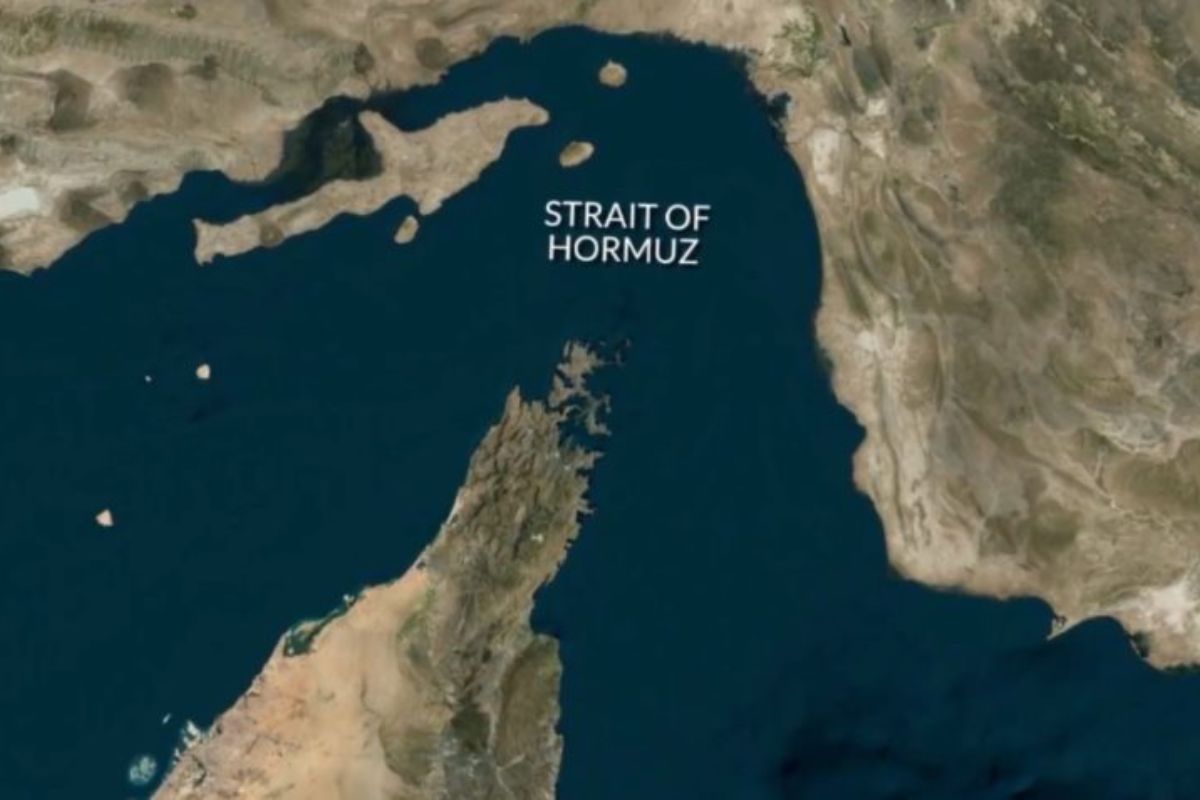
Iran has just approved toll charges for ships in the Strait of Hormuz and has completely prohibited the passage of vessels from the United States and Israel in the world’s most important maritime route for the global energy market.
According to the government, the change aims to reduce dependence on imported fossil fuels and increase the share of biofuels in the Brazilian energy matrix. However, the price of anhydrous ethanol is higher than that of gasoline at refineries, which cancels any expectation of immediate relief at the pumps.
Why Has the Promise of Price Decreases Not Materialized?
According to Marcus D’Elia, partner at Leggio Consulting, the government’s argument relies on the logic of prices of hydrated ethanol, sold directly to consumers. However, the blend used in gasoline is made with anhydrous ethanol, which currently costs 11% to 14% more than the hydrated version.
Data from Cepea/USP shows that, in the last week of July, hydrated ethanol was traded at R$ 2.54/liter at São Paulo mills, while anhydrous ethanol sold for R$ 2.91/liter — both above the gasoline sold by Petrobras, which has been priced at R$ 2.85/liter since June.
As a result, the substitution of part of the gasoline with more expensive anhydrous ethanol tends to raise prices or, at best, keep the cost per liter stable, frustrating the expectations set by the economic team.
Are There Economic or Environmental Benefits to the Change?
From an environmental perspective, yes. Increasing the use of ethanol helps reduce the emission of polluting gases, as the plant-based fuel is considered renewable and less harmful to the environment. It also benefits the national sugarcane industry, with the potential to generate jobs and stimulate regional economies.
However, for the end consumer, the most immediate impact remains the price at the pump. Without a significant drop in costs, public perception is likely to be negative, especially among workers who rely on their vehicles daily, like app drivers and taxi drivers.
And What About Diesel? Will There Also Be an Impact?
Yes. Starting this Friday, the biodiesel blend in diesel increases from 14% to 15%. Unlike gasoline, the market expects an increase in the final price, between R$ 0.02 and R$ 0.03 per liter, according to Fecombustíveis.
The value is still considered modest but represents a warning for the logistics chain and for the prices of freight and food, which tend to react quickly to variations in diesel.
What Do Critics of the Measure Say?
Entities such as Paranapetro, which represents gas station owners in Paraná, classified the government’s forecasts as “completely unrealistic.” The criticism is based on the historical volatility of anhydrous ethanol, which depends on harvest, climate, and fluctuations in the global sugar market.
Furthermore, the sector questions the lack of transparency in the official calculations and fears that the measure may have the opposite effect, raising prices if anhydrous ethanol continues to rise in the coming months.
Have you noticed any change in the gasoline price where you live? Do you think the new ethanol blend is worthwhile or only benefits the production sector? Share your opinion in the comments — we want to hear from those who feel this reality in their wallets.









Aumentar a porcentagem de etanol na gasolina ou biodiesel no diesel até é bom para o meio ambiente. O problema e a água existente nesses combustíveis que entopem os filtros e prejudicam o sistema e os motores. As empresas que produzem esses combustíveis precisam trabalhar (ou investir) na produção de etanol e biodiesel puro. Aí sim fica perfeito, porque do jeito que está principalmente os caminhões de transporte é complicado. A cada passo o sistema entope, é troca de filtros antes da hora, é tanque de combustível que cria um borra por dentro dificultando o trabalho e produzindo gastos desnecessário. Só problema!…tem que melhorar esses combustíveis.
Não é batizar mais a gasolina que irá resolver a questão, que já é horrível a quantidade de postos que tem gasolina batizada em nosso país,isso não vai ajudar a economia, com um Presidente que tá falindo o Brasil dia a dia com gastos exorbitantes e sem nenhum plano de governo, outra coisa Com certeza com o tempo vai dar problemas de injeção eletrônica nos carros, no chip e motor, sem falar que vai diminuí a Kilometragem que será feita por cada litro, a pergunta é e se der algum problema nos carros o desgoverno vai arcar com as despesas, com certeza não consumidores.
Vai demorar muito vão colocar o litro da gasolina para 800ML e vão continuar cobrando como se fosse um litro falando que é para baratear a gasolina.
É verdade, até nos mercados tem propaganda enganosa. Um certo produto que as pessoas compravam antes por um preço que era um kilo. Agora é o mesmo preço, mas olhar bem vai ver que é 800 gramas.