





 Portuguese
  English
  Spanish
  3 min of reading
  0 comments


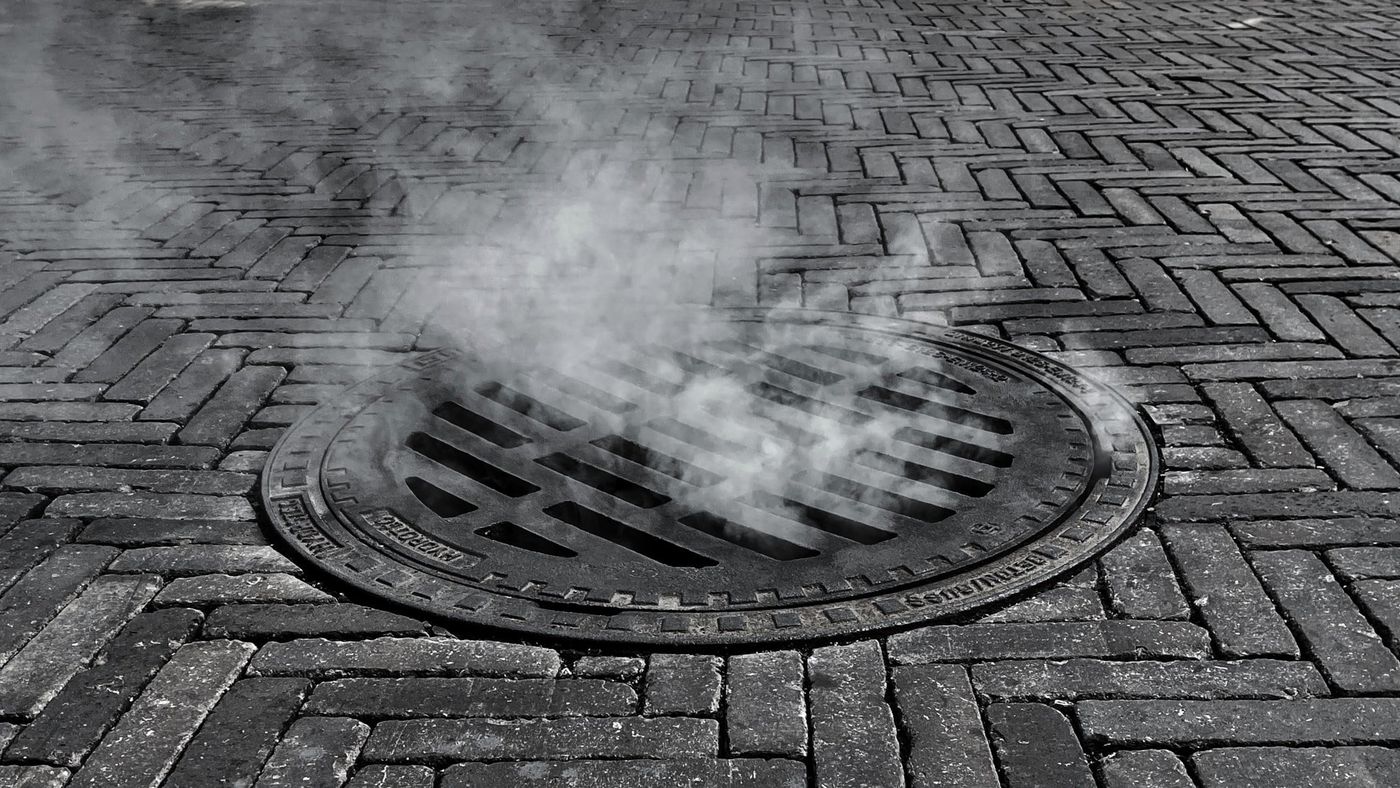
Aiming At Sustainability, Ohio Scientists Plan To Transform Sewage Gas Into Hydrogen That Can Be Used In Vehicles
A group of scientists from the Ohio State Clean Energy Research Laboratory in the United States aims to transform gas emitted from sewage into a new sustainable hydrogen fuel that will help vehicles reduce emissions of pollutants into the environment. According to the study’s co-author and university researcher Lang Qin, hydrogen sulfide generated by sewage is one of the gases most harmful to the environment and industry.
Read Other Related News
Scientists Claim That ‘Sewage Hydrogen’ Could Transform The Fuel Industry
According to Qin, it is precisely because the gases present in sewage are so harmful that various scientists are seeking ways to transform hydrogen sulfide into something valuable rather than detrimental.
The method found by scientists is called chemical looping. According to the scientists’ study, the work demonstrates a new strategy for the high-yield removal of hydrogen sulfide using a low-percentage doped sulfur carrier, providing new insights for an effective dopant separation strategy, aiding in the design of a future carrier.
-
China advances into Mexico’s transportation with an electric bus that has a range of up to 530 km, bringing a complete line to the country in 2026 and transforming its partnership with Yutong into one of the most strategic in Latin American mobility.

-
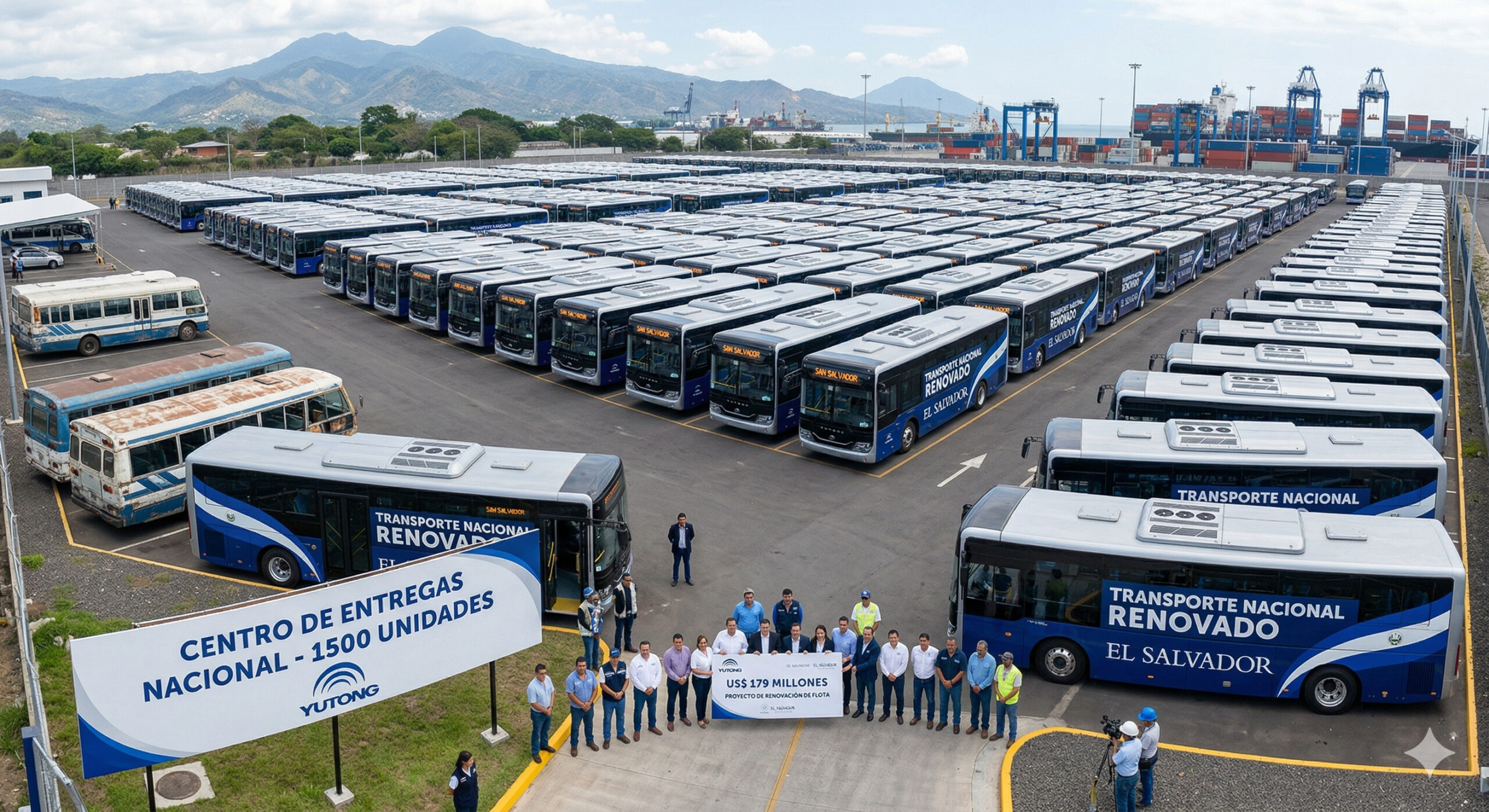
With 1,500 new buses financed by an international agreement, El Salvador is preparing the largest renewal in the history of its public transportation, a plan of $179 million with vehicles from the Chinese company Yutong that could replace practically the entire fleet of the country.
-
American Airlines starts selling trips as if they were flights, with check-in and baggage check at the airport, but on short routes, passengers board luxury buses connecting cities to major hubs in the U.S.

-
São Paulo surprises the world with a colossal railway network project that promises over 1,000 km of tracks, R$ 194 billion in investments, and 40 projects connecting the capital to the interior with fast and sustainable trains.

According to the scientists, chemical looping uses a solid material to break down the chemical reaction into several smaller reactions, utilizing metal oxide particles to help circulate oxygen and burn the fuel. This same process has previously been used to burn coal without emitting any carbon dioxide.
Laboratory Tests Are Promising
The success of tests with sewage gas has allowed scientists to apply the same principle to transform hydrogen sulfide into fuel hydrogen for vehicles. However, tests have only been conducted in the laboratory until now, meaning it is not possible to assess how the strategy would work on a larger scale.
According to Qin, the general picture is that the team aims to solve the problem of harmful sewage gas and believes that their chemical looping process would allow them to do so.
Due to the lack of industrial-scale testing, the study’s lead author, Kalyani Jangam, urged patience from those eager to see the solution implemented on the streets and in hydrogen-powered vehicle tanks. According to Jangam, it is still early to say whether the scientists’ research could replace any of the existing hydrogen fuel production technologies worldwide.
Famous Brands Are Already Working on Hydrogen-powered Vehicles
According to the study’s author, the scientists are still adjusting the decomposition process to create a valuable product from it. Thus, he joked that people cannot just start collecting sewage waste and pouring it into car tanks.
Companies are already working hard to put hydrogen-powered vehicles on the streets, and the Japanese company Toyota announced that one of its models not only has a record range but also purifies the air while driving. These innovations show that in addition to electric vehicles, hydrogen-powered vehicles could gain market share in the future.









Seja o primeiro a reagir!