





 Portuguese
  English
  Spanish
  3 min of reading
  0 comments



The Svalbard Global Seed Vault Receives 14,022 New Samples to Preserve Agricultural Biodiversity and Strengthen Global Food Security!
A agricultural biodiversity gains significant support with the new deposit of seed varieties at the Svalbard Global Seed Vault, located in the Arctic.
The “Doomsday Vault” receives 14,022 new samples, strengthening its mission to ensure global food security in the face of climate change and other challenges.
Among the countries contributing to this preservation are Brazil, Sudan, Malawi, and the Philippines.
-
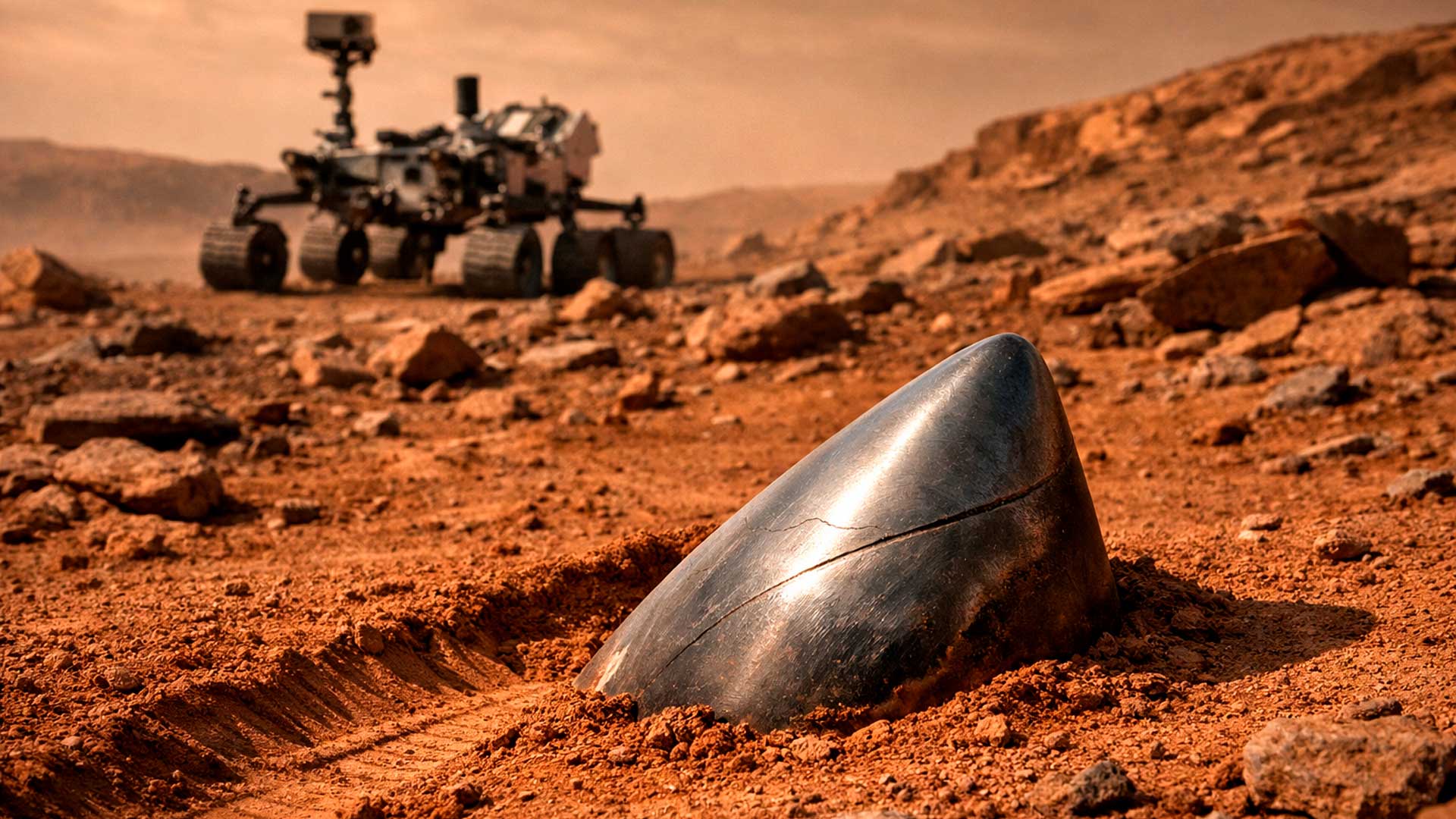
Mysterious object on Mars divides NASA and Harvard after Curiosity image reignites suspicions about what was really found on the planet.
-
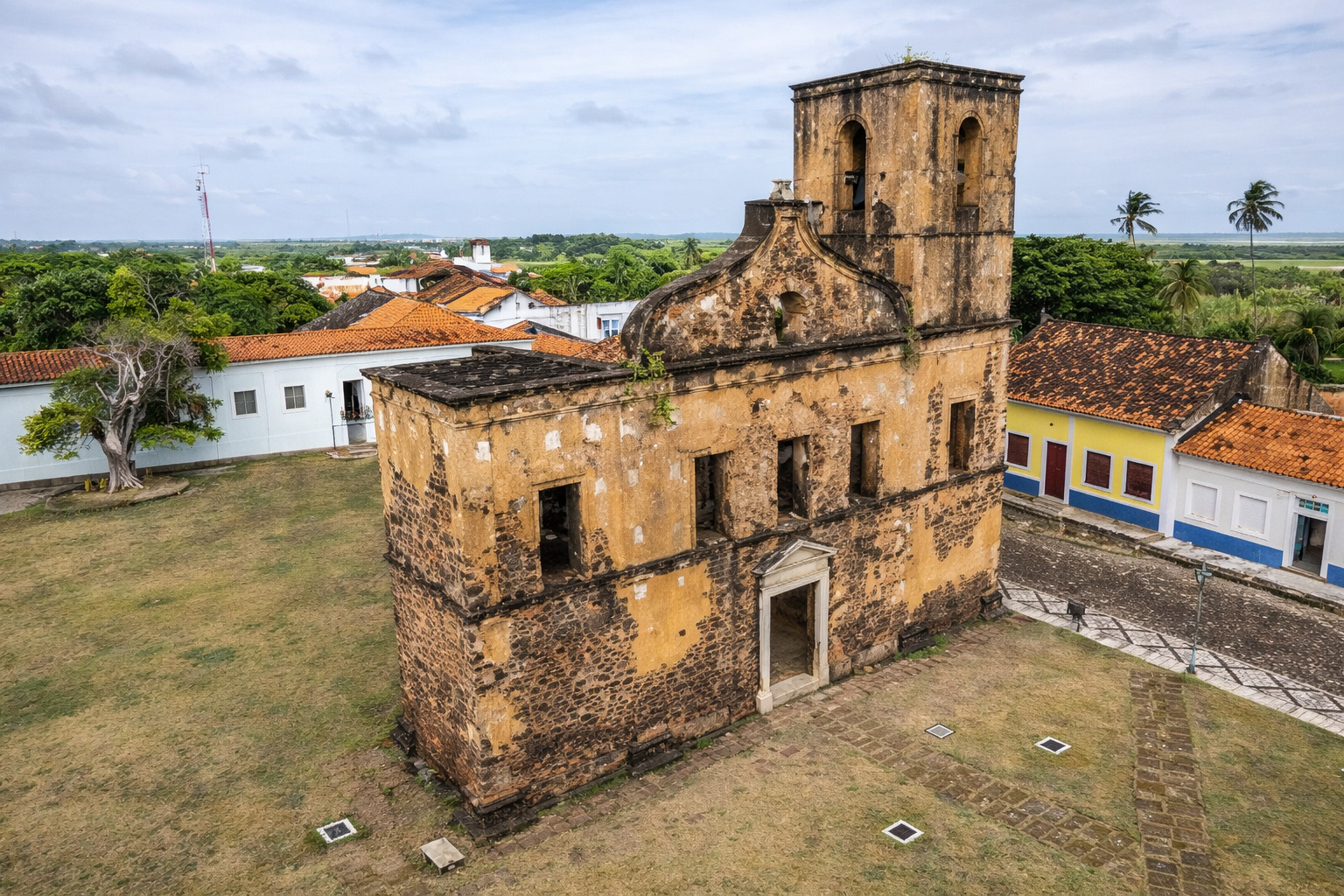
The Brazilian colonial city that stopped in time and shares territory with a rocket launch base.
-
79-year-old woman challenges limits, visits 193 countries in the world after 56 years of planning and reveals the behind-the-scenes of a global journey that few have managed to accomplish.

-
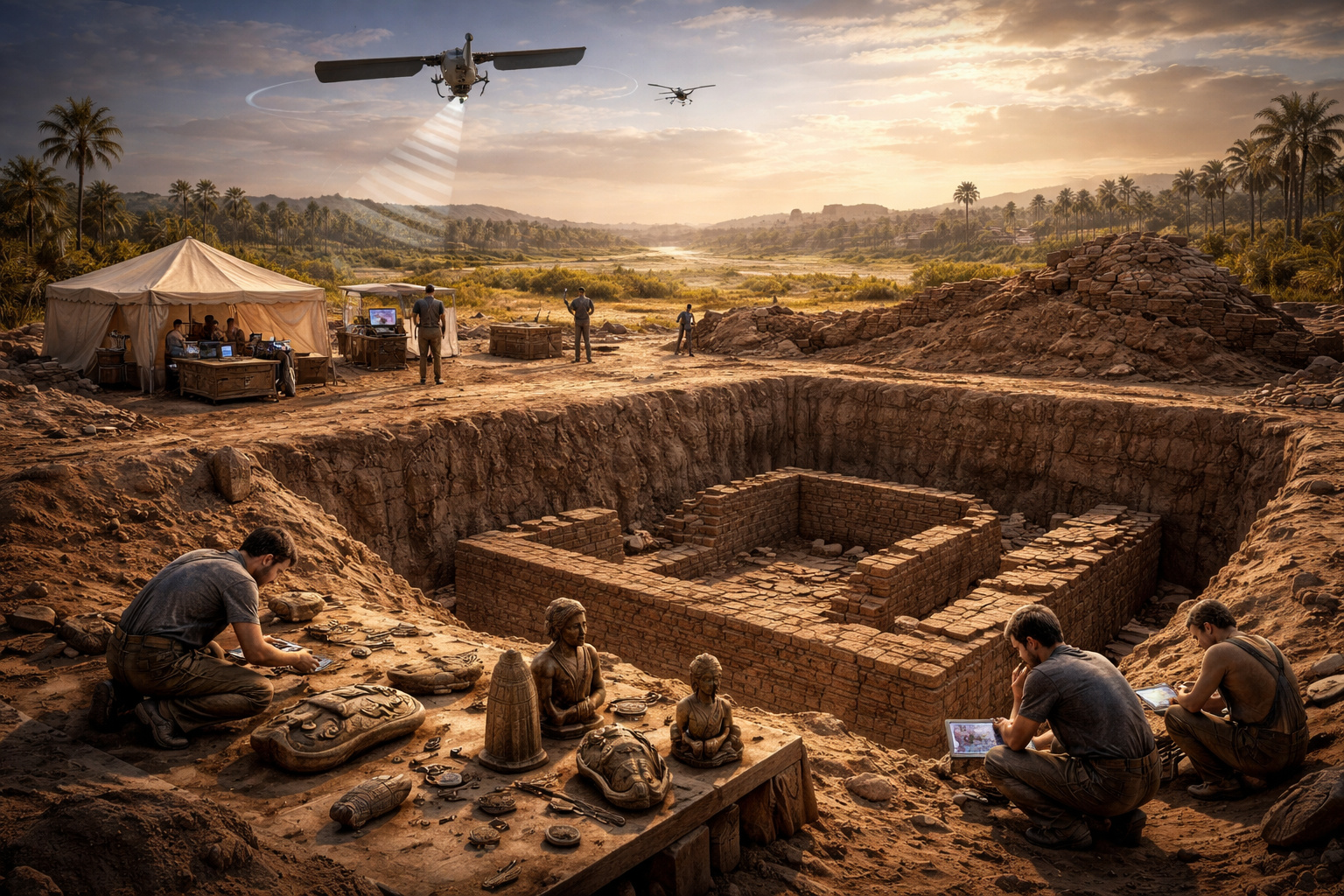
Giant structures 14 meters beneath Egypt are revealed by satellites and expose a millennia-old secret buried in Buto.

Agricultural Biodiversity at Risk and the Importance of the Seed Vault
Agricultural biodiversity is indeed essential for food security and crop resilience. However, genetic erosion and the impacts of global warming threaten this diversity.
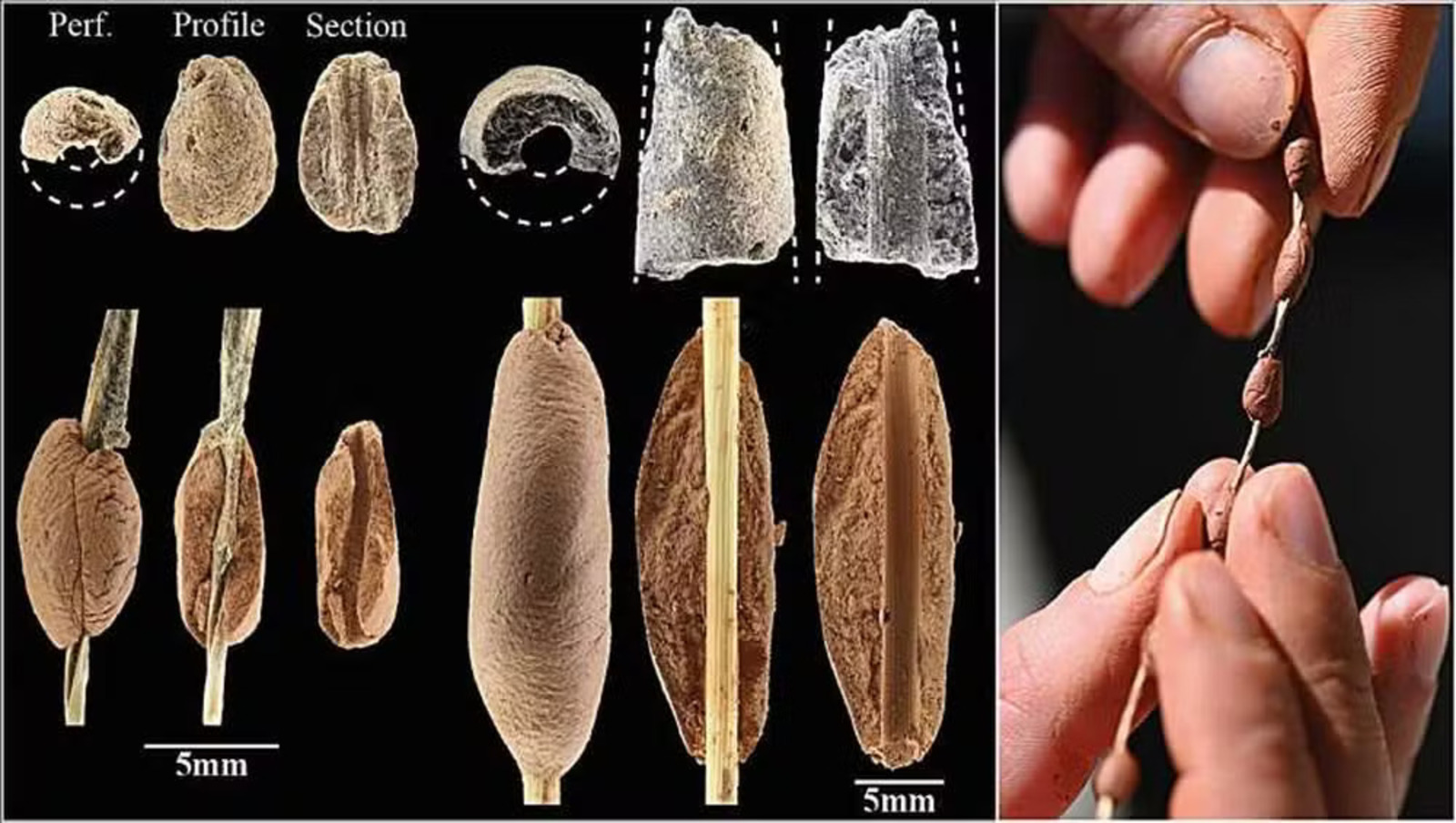
The Svalbard Global Seed Vault, created in 2008 and supported by the Crop Trust, serves as a genetic insurance against the extinction of plant species.
Its role is indeed to store seed varieties from around the world to ensure the continuity of sustainable agriculture in the future.
New Seed Varieties Ensure a Sustainable Future
Among the recently deposited seed varieties are important crops from Sudan, such as sorghum.
Known for its drought resistance, sorghum is indeed a vital resource for food security in regions affected by conflict and climate change.
According to Ali Babikar, director of the Agricultural Plant Genetic Resources Research and Conservation Center in Sudan, preserving these seeds represents hope for the local population.
Brazil, which will host the COP30 in Belém, also makes its presence felt in the vault, sending over 3,000 varieties of rice, beans, and corn seeds.
This contribution is vital for maintaining agricultural biodiversity and for research in sustainable agriculture in the country.
Impact of Sustainable Agriculture and Crop Diversity
Malawi also makes an important contribution to the genetic bank, with seeds of “velvet beans,” used for both food and medicinal purposes.
Nolipher Mponya, an agricultural scientist with the government of Malawi, emphasizes that conserving crop diversity reduces the risks of food crises and strengthens sustainable agriculture.
The Philippines, a country indeed with great genetic diversity and high vulnerability to climate crises, sent seeds of eggplant, black-eyed peas, lima beans, and sorghum.
According to Hidelisa De Chavez from the University of the Philippines, protecting seed diversity is essential to maintaining the foundation of global agriculture.
Preserving the Future of Agriculture
Stefan Schmitz, executive director of the Crop Trust, reinforces that these seeds represent much more than agricultural biodiversity.
They carry history, culture, and traditional knowledge, ensuring that indeed future generations have access to sustainable and diverse agriculture.
The deposit of new seed varieties in the Svalbard Global Seed Vault reaffirms indeed the importance of preserving agricultural biodiversity and strengthening sustainable agriculture.
With this genetic bank, the world prepares to face climate challenges and ensure food security for future generations.




Seja o primeiro a reagir!