





 Portuguese
  English
  Spanish
  5 min of reading
  1 comment


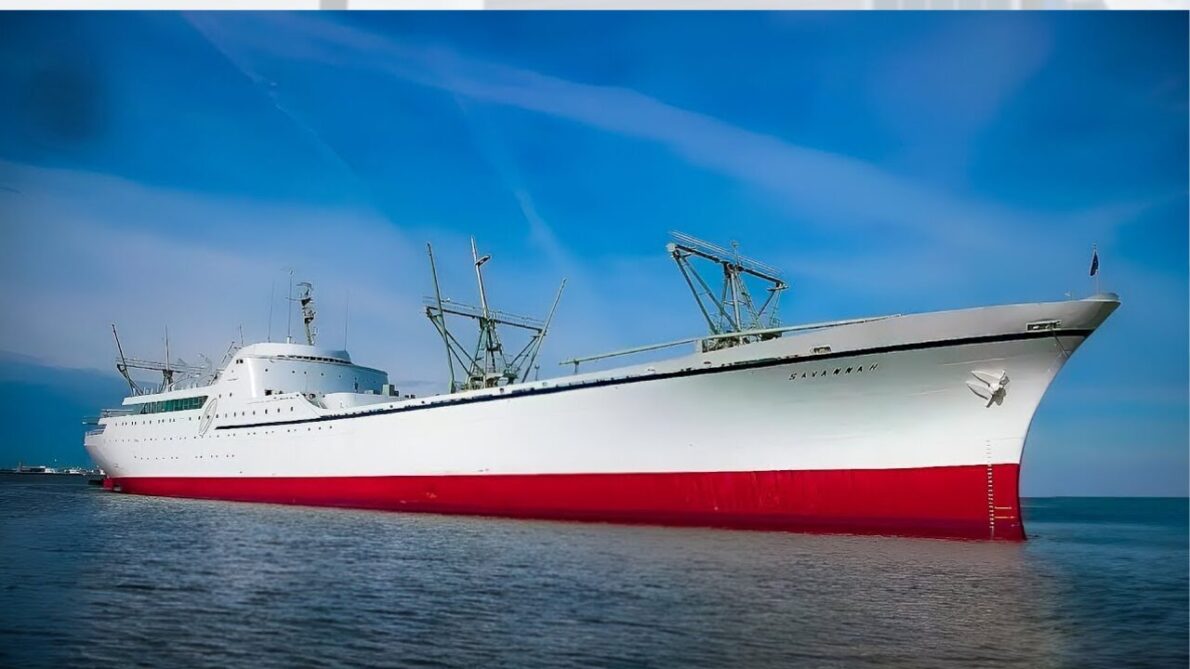

Nuclear-Powered Merchant Ship NS Savannah, Pioneer of the 1950s, Remains in a US Port as a Symbol of Peaceful Atomic Potential.
The NS Savannah is undoubtedly a ship that seems to have come from the future, the future as seen from the 1950s. With modern lines and a large insignia of an atom, the Nuclear Ship Savannah sailed the world to demonstrate the peaceful potential of atomic energy. Built at a cost of $46.9 million (equivalent to $386.8 million in 2016 dollars) and launched on July 21, 1959, the Savannah was the world’s first nuclear merchant ship and the second civilian ship powered by nuclear propulsion.
Construction and Launch of the NS Savannah
Operated by the US Maritime Administration (MARAD) and commercial cargo companies, it transported cargo and passengers around the world for nearly a decade.
The Savannah also served as a floating emblem of the Atomic Future of the US, boasting modern conveniences, including one of the world’s first microwave ovens.
-
Haiti’s capital is experiencing an energy and construction crisis, facing blackouts, a blocked port, and buildings at risk after years of instability and a significant earthquake.

-
São Paulo surprises the world with a colossal railway network project that promises over 1,000 km of tracks, R$ 194 billion in investments, and 40 projects connecting the capital to the interior with fast and sustainable trains.
-
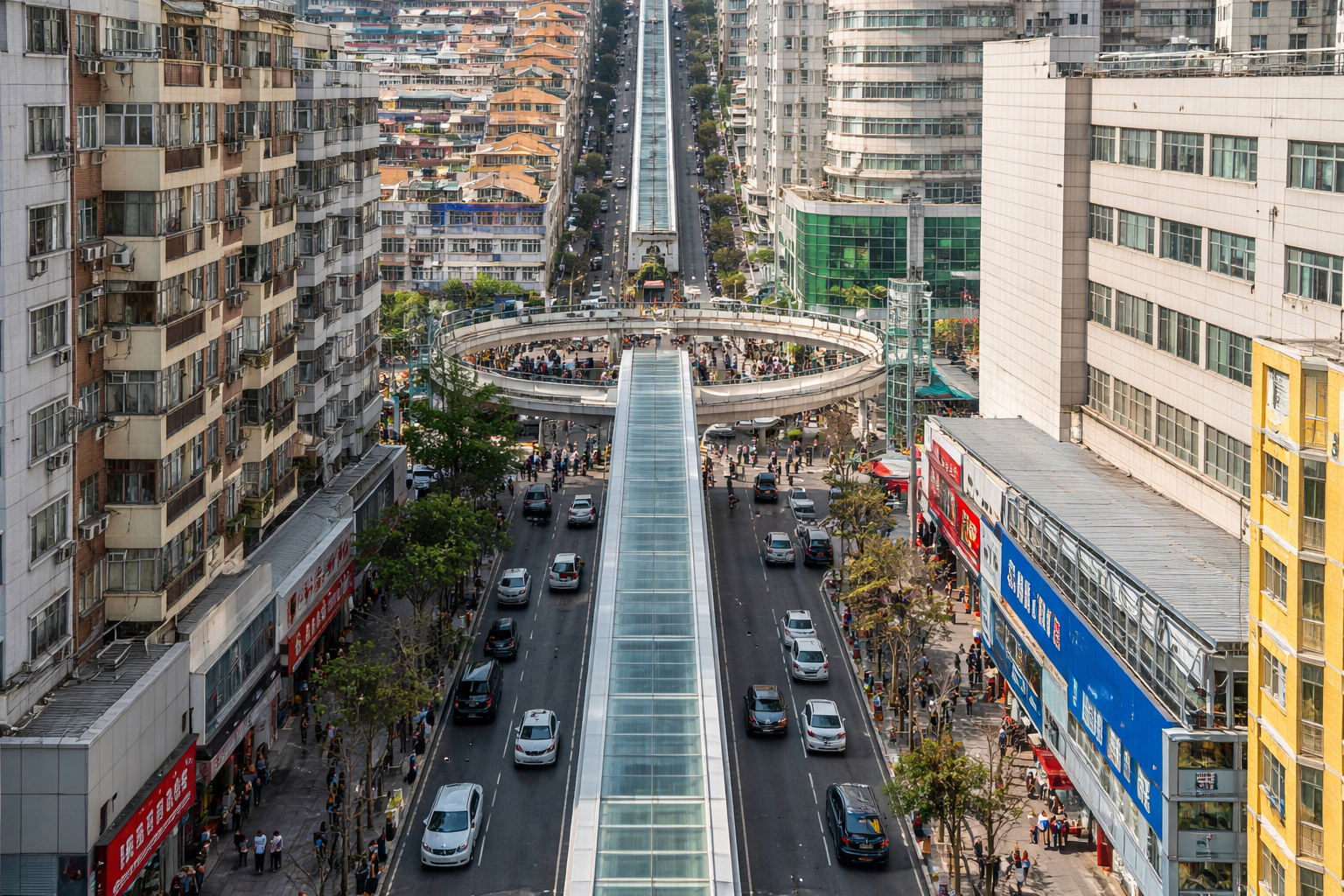
The world’s largest escalator, measuring 905 meters in China, reduces urban travel time from 1 hour to about 20 minutes and transforms mobility in mountainous regions with an engineering solution adapted to the terrain.
-
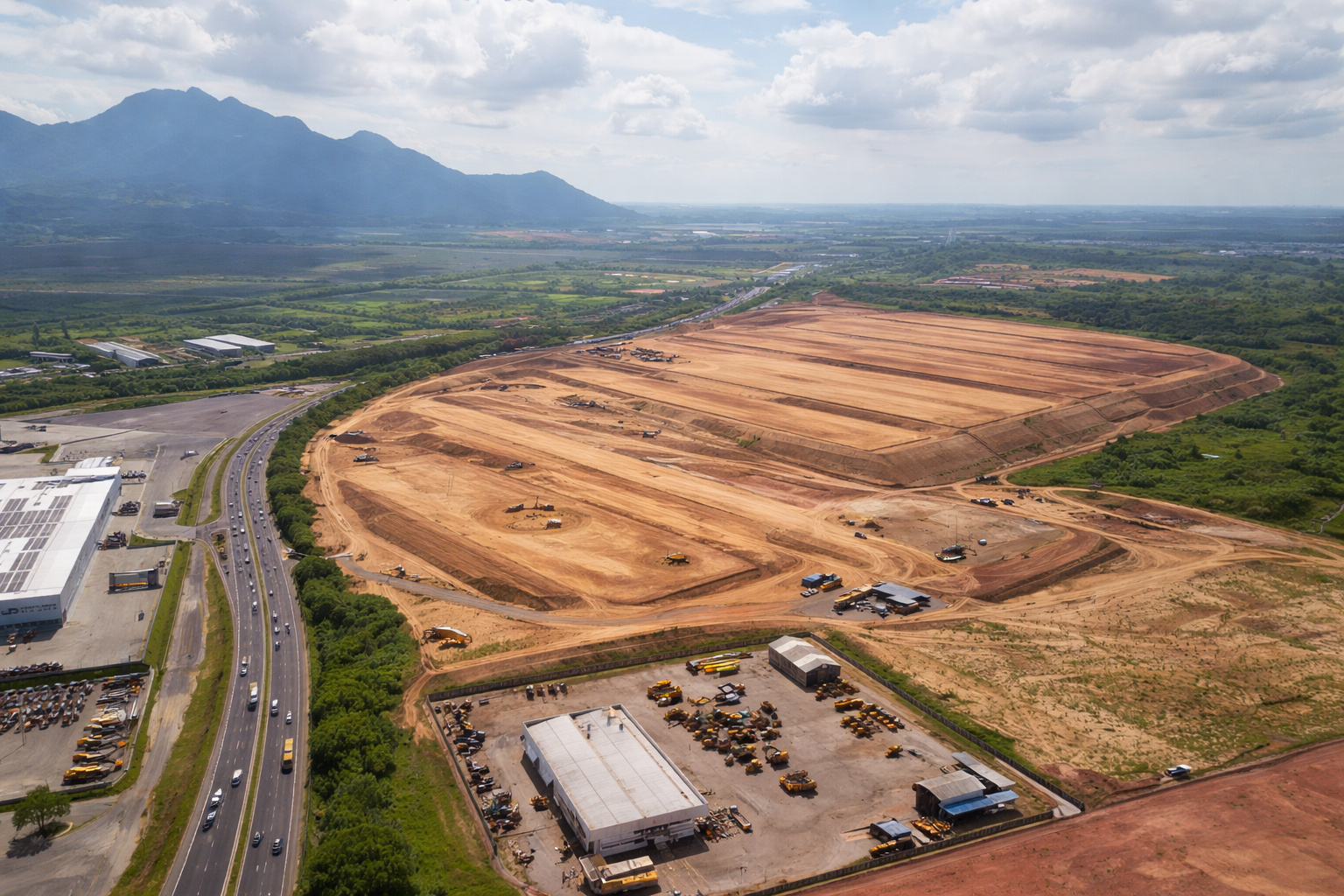
A R$ 300 million logistics giant is taking shape in Serra with over 100,000 m² and raises a question: how can this transform e-commerce and distribution in the state?

Although many critics consider the Savannah an expensive project from the Cold War era, it succeeded in many aspects.
The ship was never intended to be profitable; instead, it aimed to show what was possible with nuclear energy. However, design compromises to make it a showcase ship with passenger service impaired its value as a cargo vessel.
Even so, the Savannah demonstrated the advantages of nuclear propulsion: there was no need for frequent refueling or taking on ballast water as fuel was consumed, resulting in less time in the port and less pollution.
The bright future the Savannah was supposed to announce quickly lost its shine.
The annual subsidies of $2 million needed to operate it made it a target for budget cuts, especially when oil prices were low. In 1971, it was retired from service.
In the 1980s, both Japan and Germany abandoned their nuclear merchant ship programs; only Russia still operates nuclear merchant vessels from its Arctic port in Murmansk.
Current Situation of the NS Savannah
More than 45 years after its last voyage, the Savannah remains anchored at the Canton Marine Terminal, in a sort of limbo.
The ship has been decommissioned and almost all of its radioactive materials have been removed, but the Savannah’s reactor is still intact, as is the ship’s operating license from the Nuclear Regulatory Commission (NRC).
The Savannah officially became a museum ship in South Carolina in 1981, as part of the Naval and Maritime Museum at Patriot’s Point.
However, in 1993, it was returned to MARAD when it needed to be drydocked. “The museum said, ‘Just don’t bring it back,’” recalls Erhard Koehler, senior technical advisor and ship manager.
For the past 24 years, Koehler’s life has been tied to the Savannah, first as a project engineer for MARAD and then as its chief caretaker for the last decade.
During his tenure, the Savannah has been drydocked or anchored at various locations until it reached its current home in Baltimore eight years ago.
Designated as a national landmark, the Savannah continues to be preserved. However, the ship is still regulated by the NRC and awaits funding from Congress for its complete decommissioning.
This is a step that the US government did not even consider when the Savannah was built.
The story of the Savannah does not really begin with its construction or launch, but rather with President Dwight D.
Eisenhower’s desire to do something with the research conducted under the auspices of the Atomic Energy Commission that was not weapon-focused.
In a speech before the United Nations General Assembly on December 8, 1953, Eisenhower urged the world to step back from the nuclear arms race and to use nuclear material for peaceful purposes.


Safety and Design
To be an effective ambassador for the atom, the Savannah needed to be safe. The ship was the first merchant vessel to have stabilizer fins to reduce the impact of sea conditions on the reactor (and on passengers).
The ship’s architects were also focused on ensuring that a possible collision at sea would not result in a nuclear accident.
The containment vessel of the Savannah’s reactor is inside a “shielded box in the middle of the ship,” Koehler explained. “There is a collision barrier—concrete sandwiched with one inch of steel and three inches of hardwood, then covered with concrete.”
Uncertain Future of the Savannah
Today, the future of the Savannah remains unclear because the process of decommissioning the ship’s nuclear power reactor requires money, and Congress seems in no hurry to write a check. The Savannah has already had a life as a museum ship, but that did not end well.
For the past 20 years, Koehler and MARAD have been working to rehabilitate the ship as its caretakers, carefully documenting parts of the vessel.
The reactor has been deactivated and the ion exchange resins used to decontaminate the water in the system have been buried in South Carolina. “But everything else is intact—pressurizer, steam generators, control rods, the reactor is there,” Koehler said.
Fortunately, the decommissioning of the ship’s power plant would not mean dismantling the Savannah. “The hatch opens, the dome’s head comes out, and everything can be removed from the top without affecting the surrounding structure of the ship,” Koehler said.
For now, the Savannah remains anchored at this obscure dock, under Koehler’s care.
The ship is primarily used as a backdrop for events, scout camps, and government meetings.
If Koehler and other supporters of the Savannah get what they want, the need for such meetings will disappear as the historical setting moves on to the next stage of its life.










É preciso ter coragem e Espírito de luz para trazer de volta a história de glória de uma vida.