






 Portuguese
  Spanish
  3 min of reading
  0 comments


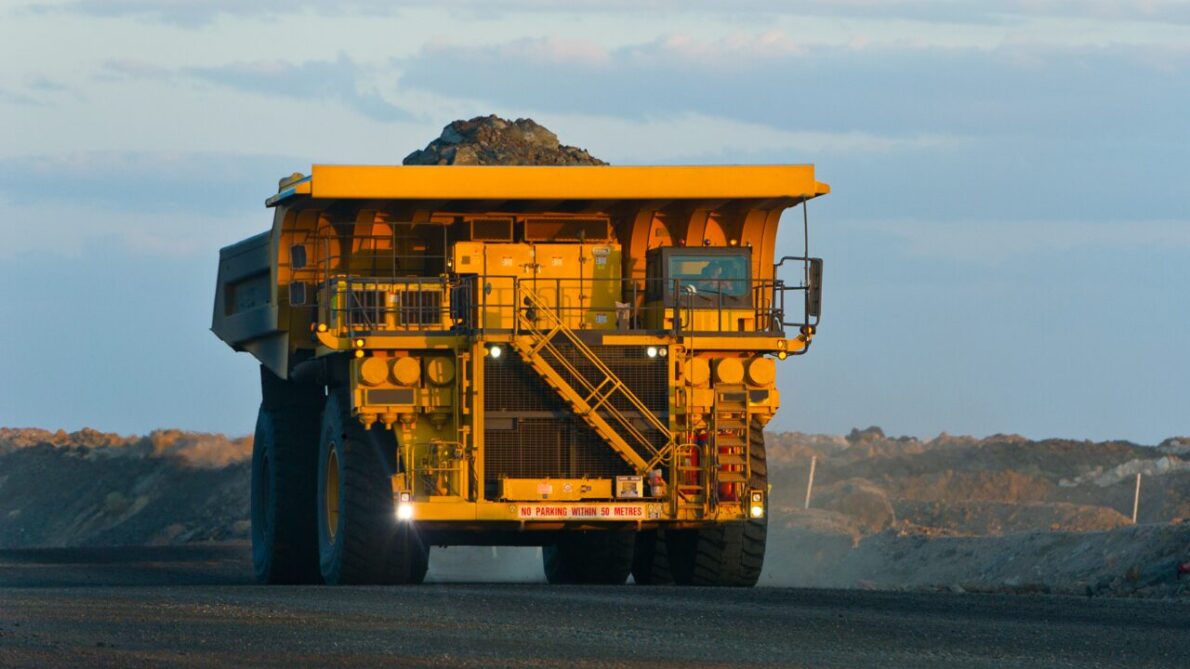
Vale and Komatsu Join Forces to Innovate in the Mining Sector with Ethanol and Diesel-Powered Trucks Aiming to Reduce CO2 Emissions.
Vale, in collaboration with Komatsu and Cummins, has launched an innovative new project that promises to transform the way off-road trucks are powered. The agreement aims to develop and implement trucks powered by a blend of ethanol and diesel, with the goal of significantly reducing carbon emissions. This project, called the Dual Fuel Program, is set to last two years and represents an important step for Vale in its journey towards a more sustainable future.
Objective of Vale’s Project
The main objective of the Dual Fuel Program is to develop and test engines that combine ethanol and diesel, with the goal of gradually replacing diesel in its operations.
According to Vale’s Director of Energy and Decarbonization, Ludmila Nascimento, the company is determined to tackle the challenge of reducing CO2 emissions, especially in its mining and railway operations.
-
Without a mansion, without high investment, and without a traditional classroom, a teacher living in a 22 m² house taught students to build a 9 m² studio apartment with the equivalent of R$10,000.

-
Without her own home and pressured by rent, a 25-year-old bought a small 15-meter boat, gradually renovated the interior by herself, transformed the interior with paint, new flooring, a larger bathroom, and started living on the canals, paying much less per month.
-
Long before sustainable construction became a trend, China built earthen fortresses with multiple floors, a central courtyard, and the capacity to house up to 800 people living in a community.
-
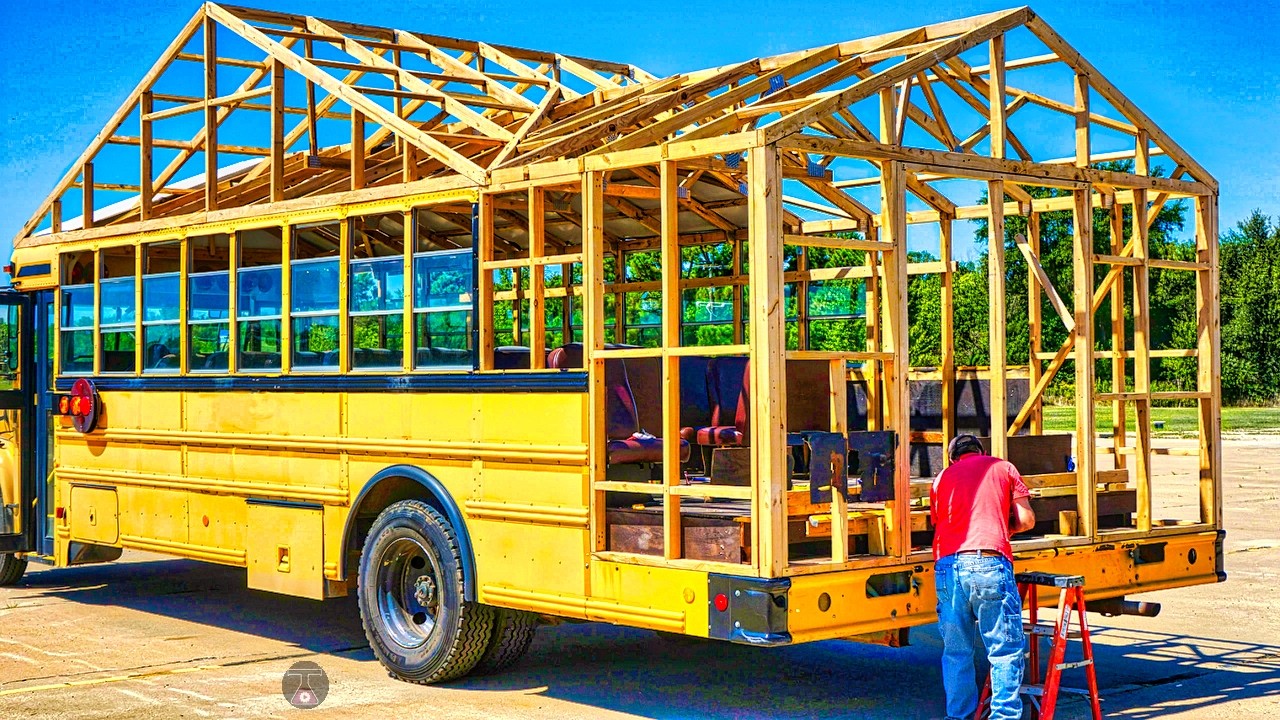
He got tired of renting, bought an old school bus, removed the seats, modified the roof, reinforced everything with steel, and created a two-story mobile home that looks small on the outside but houses two bedrooms inside.




Vale aims to become the first global mining company to operate off-road trucks powered by ethanol.
Over the next two years, the new trucks will undergo rigorous testing to ensure their performance and efficiency.
The engines will be manufactured by Cummins and will operate with up to 70% ethanol in the mix, potentially reducing direct CO2 emissions by up to 70% compared to trucks that run solely on diesel.
The trucks will be equipped with two tanks: one for ethanol and another for diesel, allowing the blending of fuels during operation.
Current Consumption and Emission Reduction
Currently, Vale consumes about 1 billion liters of diesel annually, evenly split between its mining and railway operations.
The partial replacement of diesel with ethanol could result in a significant reduction in CO2 emissions, directly impacting the company’s carbon footprint.
Nascimento highlighted that diesel emissions from mining operations account for 15% of Vale’s direct CO2 emissions.
A notable aspect of the project is that it will allow for the retrofitting of existing trucks without the need to acquire new vehicles.
According to Ricardo Alexandre Santos, Vice President of Komatsu’s Mining Equipment Division, the retrofit technology will enable adjustments to current engines to operate with the new fuel blend.
This not only contributes to the efficiency of the decarbonization process but also demonstrates a sustainable approach by leveraging the existing fleet.
Technical Aspects and Maintenance
José Baltazar, Director of Mine and Plant Engineering at Vale, explained that the conversion of trucks to the new system could be carried out during scheduled maintenance outages, which occur approximately three times over the vehicle’s lifespan.
Each truck has an estimated lifespan of about 100,000 working hours, or 20 years.
Vale’s Investments and Decarbonization Goals
Although Vale has not disclosed the specific investment amount for this project, it falls within the previously announced investments of US$ 4 billion to US$ 6 billion aimed at reducing its direct and indirect emissions by 33% by 2030.
The company has also set the goal of achieving net-zero carbon emissions by 2050, aligning with its long-term sustainability ambitions.
The agreement between Vale and Komatsu marks a significant advance in the mining industry, demonstrating a commitment to innovation and sustainability.
With the Dual Fuel Program, Vale is not only leading the way in reducing CO2 emissions but also redefining how off-road trucks can operate in a more eco-friendly manner.
The success of this project could serve as a model for other industries and companies worldwide, promoting a broader transition to cleaner, more sustainable transportation practices.






Be the first to react!