





 Portuguese
  English
  Spanish
  4 min of reading
  1 comment





Article 59 of the CLT Limits Overtime to 2 Hours Per Day and Ensures a Minimum Additional 50% on Overtime, with the Possibility of a Time Bank and Formal Compensation.
Overtime hours are among the labor issues that most impact employees’ pockets and employer management. The Article 59 of the CLT is clear in establishing a limit of two overtime hours daily and ensuring additional compensation of at least 50% on the regular hour, in addition to requiring formalization through a written agreement or collective instrument.
In practice, this means that the company needs to control the work hours, correctly pay the additional compensation, and, when opting for compensation, follow the rules of the time bank. Meeting these requirements reduces the risks of labor lawsuits and provides predictability to the worker about how much and how they will be compensated.
What the Law Determines
Article 59 of the CLT establishes that the normal work schedule may be increased by a maximum of two overtime hours per day, provided there is a written individual agreement between employee and employer or collective agreement or convention. Without formalization, overtime is irregular and may generate liabilities.
-
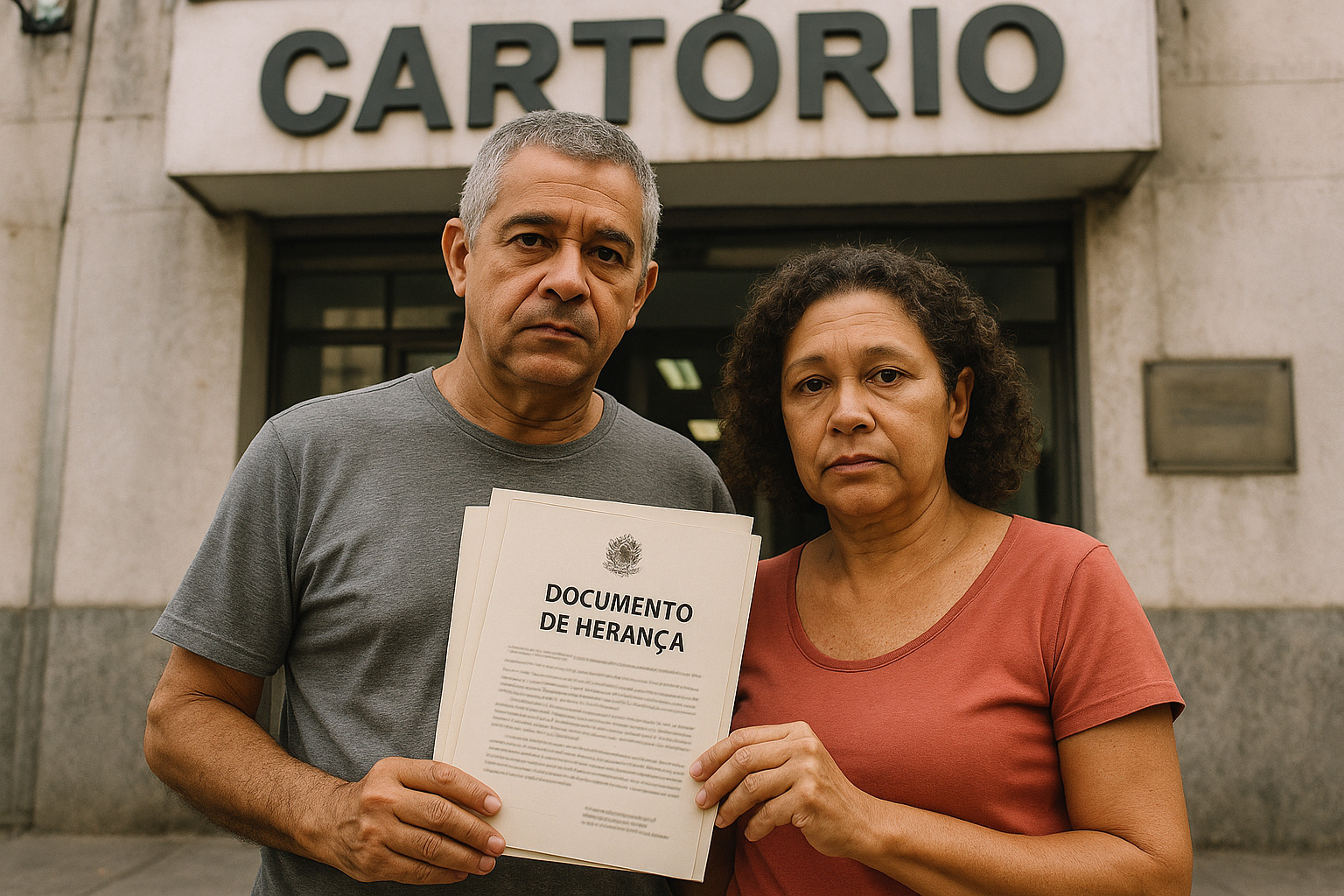
The new Civil Code could revolutionize marriages in Brazil with “express divorce” and changes that could exclude spouses from inheritance.
-
Banco do Brasil sues famous influencer for million-dollar debt and intensifies debate on delinquency, risks of seizure, and direct impact on Gkay’s credibility.

-
The Senate approves a bill that criminalizes misogyny, hatred, or aversion towards women, and includes the crime in the Racism Law with a penalty of up to 5 years.

-
Chamber Approves Bill That Allows Pepper Spray for Women Over 16 and Imposes Strict Rules for Purchase, Possession, and Use as Self-Defense


The Federal Constitution, Article 7, XVI, reinforces the minimum of 50% additional on the regular hour. On Sundays and holidays without compensatory time off or during night shifts, the additional can reach 100% depending on the situation provided for in the law and applicable regulations.
Authorization, Control, and Daily Limits
For it to be valid, the provision of overtime must be authorized in writing. Generic and verbal authorization does not substitute the agreement required by law, especially when a time bank is adopted.
Even with extraordinary hours, the daily work schedule should not exceed 10 hours in the general rule. Specific regimes, such as 12×36 provided for in Article 59-A, follow their own logic. Minors under 18 years old cannot work overtime, except in legally exceptional situations.
How Much Is Paid in Each Scenario
The minimum additional is 50% on the regular hour. On Sundays and holidays without compensation it can be 100%, in addition to situations of night work where incidences provided for in law apply. Payment must appear on the monthly paycheck.
The company must also observe collective agreements that may provide for higher percentages than the legal minimum. Ignoring the collective standard is a common source of liabilities, as the Judiciary usually applies what is most beneficial to the worker.
Compensation and Time Bank in Practice
Compensation can occur through a simple compensation agreement, as long as it does not exceed the weekly limit and the formalization is respected. Everything must be documented and accessible to the employee.
In the time bank of Article 59, § 2, the hours worked are credited for future days off. An individual agreement allows compensation within six months. With a collective agreement, the period can be up to one year. Control and transparency are essential to avoid disputes.
Labor Reform: What Changed
The Law 13.467/2017 facilitated formalization by allowing written individual agreements for overtime and time banks with a compensation period of up to six months. This simplified routines, but did not eliminate the requirement for documentation and control.
The reform also recognized regimes such as 12×36 in Article 59-A. Each arrangement has its own rules, requiring attention to avoid exceeding limits and ensuring additional payments when due.
Who Cannot and Essential Care
Minors under 18 years old do not work overtime, except for specific legal exceptions. Interjornada breaks of 11 hours, as provided in Article 66, must be respected. Violating breaks may generate payment for corresponding overtime.
Timekeeping is mandatory according to the size of the company and must reflect reality. Inconsistent, absent, or manipulated records weaken the employer’s defense and strengthen the employee’s evidence in any dispute.
How to Act in the Face of Irregularities
For the employee, the first step is to try to resolve it internally based on time records, messages, emails, and pay slips. Well-kept documents make a difference.
If the problem persists, it is possible to report to the Ministry of Labor and Employment and, if necessary, file a complaint in Labor Court. The company has a duty to maintain and present records, and the absence may shift the burden of proof according to applicable rules.
Values in Pocket: Calculation Logic
The calculation starts from the value of the regular hour and applies the additional due. For 50%, the regular hour is multiplied by 1.5. For 100%, it is multiplied by 2. In night work, the incidences provided must be added before applying the extraordinary additional.
The total monthly results from multiplying the value of the overtime by the number of hours worked. These amounts integrate the basis for vacation, 13th salary, and FGTS, following legal and collective rules. Checking the collective agreement is essential to avoid errors in the percentage.
Quick Checklist for Companies and Workers
Formalize in writing agreements for overtime or time banks.
Monitor the work hours accurately and keep the receipts.
Respect the limit of two overtime hours per day and the applicable maximum work schedule.
Pay on the monthly paycheck with a minimum additional of 50% or 100% when due.
Check the collective agreement and the compensation periods of the time bank.
Complying with Article 59 of the CLT protects both parties: the employee is compensated correctly and the employer reduces risks. The legal basis is objective, but execution depends on control, formalization, and transparency.
Have you ever received overtime with the correct additional of 50% or 100%? Does your company use a time bank within the legal deadlines or prefer to pay on the paycheck? Share in the comments how it is practiced in your sector and what questions remain when checking your pay slip.










A empresa pode descontar banco de haras: com horas de 75 pôr cento como valor de horas normal.ex no desconto as horas banco negativo descontando com horas de sábado 75 pôr cento uma pela outra