





 Portuguese
  English
  Spanish
  4 min of reading
  0 comments


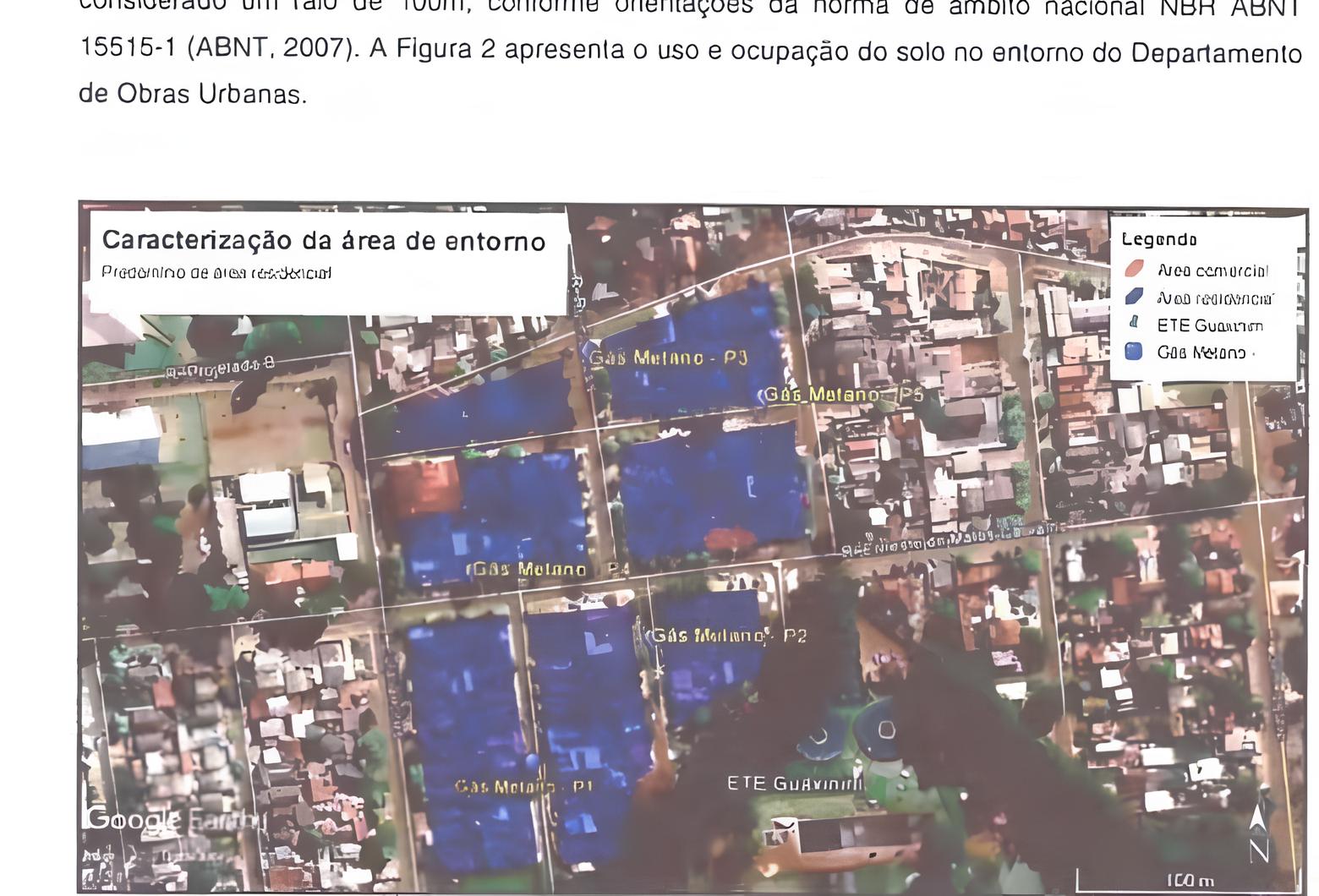
Houses in the Canaã VI Neighborhood in Dourados (MS) Have Cracks and Settlements Since 2019. The Reason? The Neighborhood Was Built on an Abandoned Landfill Without Proper Decontamination.
Instead of the dream of homeownership, hundreds of families in Dourados (MS) face a true urban nightmare. Residents of the Canaã VI neighborhood, a housing project created to accommodate low-income families, began to notice cracks in the walls, sinking floors, misaligned doors, and compromised structures. What seemed like an isolated problem revealed a grave mistake in engineering and urban planning: the neighborhood was built on an old landfill.
Neighborhood Over Landfill: A Silent Risk Underground
According to a survey by the State Public Prosecutor’s Office (MPMS), the area where the Canaã VI neighborhood was established operated as the city’s garbage dump for over 20 years, between the 1970s and 1990s. After deactivation, the land did not undergo an adequate process of environmental rehabilitation or soil decontamination—a basic condition before any urbanization.
The Brazilian Metropolis That the Sea Is Slowly Swallowing and No One Seems to Notice
ARTICLE CONTINUES BELOWSee also
The village where two rivers run side by side without mixing in Santarém and Alter do Chão reveals some of the most beautiful freshwater beaches on the planet.

Brazil’s nuclear submarine with a speed 5 times greater than normal advances after nearly 50 years and R$ 40 billion spent.

A Brazilian island charges R$ 0.50 to receive visitors and prohibits any new residents.
Why was the Great Wall of China built? The truth that many are unaware of!
And the result is now visible: the soil is unstable, gases from the decomposition of waste accumulate in underground pockets, and the slow movement of the ground causes settlements and cracks in buildings erected less than a decade ago.

Canaã VI: A “Planned” Neighborhood on Decomposition
The Canaã VI neighborhood was launched in 2010 with the mission of providing dignified housing to families in vulnerable situations, as part of a municipal housing program. The units were built by Cohab of Dourados in partnership with the state and federal government. However, no environmental technical report was publicly released at the time regarding the soil conditions.
The families received the keys between 2011 and 2012. In less than five years, the first complaints began.

“The Walls Started to Crack, the Floor Sank,” Say Residents
The retiree Maria do Carmo, 66 years old, was one of the first residents of Canaã VI. She reports that the cracks started small, like tile fissures, and within two years had reached the ceiling and foundation. “I changed the flooring twice. The living room wall started to crack, and the floor sank near the bathroom,” she says.
Like her, dozens of families began to report similar problems. Some houses were even prohibited from being inhabited. In 2018, residents organized a petition demanding an urgent response from the city hall and Cohab.
Presence of Methane Gas and Unstable Soil Confirmed by Technical Report
Following the complaints, the State Public Prosecutor’s Office requested an independent geotechnical and environmental analysis, carried out by a company hired by the municipality. The report, concluded in 2019, confirmed the presence of methane gas—resulting from the decomposition of buried organic matter—and pointed to soil instability in at least 30% of the housing units in the neighborhood.
The document also revealed that the groundwater table in the region showed signs of contamination by leachate, although below the maximum tolerated limits. Still, the structural and environmental risk is considered high.
Based on the technical report and the complaints, the MPMS proposed a Term of Adjustment of Conduct (TAC) for the City Hall of Dourados and Cohab to take immediate measures:
- Installation of a gas drainage system;
- Continuous monitoring of soil and groundwater quality;
- Structural reinforcement in more compromised properties;
- Environmental remediation plan for the land.
The TAC proposal is still under discussion. In the meantime, families continue to live in homes with increasing risks.
Official Source: MP Suggests TAC to Decontaminate Area of Neighborhood Built Over Landfill – Dourados News
Neighborhoods over Landfills: The Problem Is Not New
The case of Dourados exposes an old and recurring problem in Brazil: the transformation of contaminated or unstable areas into urban lots, without the necessary technical preparation.
Similar cases have been reported in:
- São Paulo (SP): where areas like the Cangaíba neighborhood were affected by settlements after urbanization over landfills.
- Belo Horizonte (MG): reports from the Aglomerado da Serra.
- Ribeirão Preto (SP): Cohab had to compensate families for properties built on unstable soil (Source: São Paulo Court of Justice).
How to Prevent This Type of Urban Tragedy?
According to geologist Marcus T. Silva, a specialist in geotechnical risk, strict standards must be followed before releasing areas for construction:
“A landfill soil can take decades to stabilize. It is necessary to do compaction, gas drainage, waterproofing, and, above all, public and auditable technical reports.”
The CONAMA Resolution No. 420 and ABNT NBR 10004 establish technical standards for the rehabilitation of contaminated areas, but they are not always strictly followed by municipalities pressured by housing deficiencies or political interests.
And the Future of Canaã VI?
The future of the neighborhood is still uncertain. According to a report from 94 FM Dourados, the city hall promised to resolve the problem by 2020, but no remediation work has been effectively started by 2024. The area continues to be inhabited, with families living with visible cracks and reports of foul smells coming from the ground after heavy rains.
The case of Canaã VI is a harsh but necessary warning: building on garbage costs more than it seems. What could have been an example of responsible urbanization has become a symbol of institutional negligence.
Residents demand justice, safety, and transparency. But so far, the deepest crack is the one in the trust between the population and the government.








Seja o primeiro a reagir!