





 Portuguese
  English
  Spanish
  3 min of reading


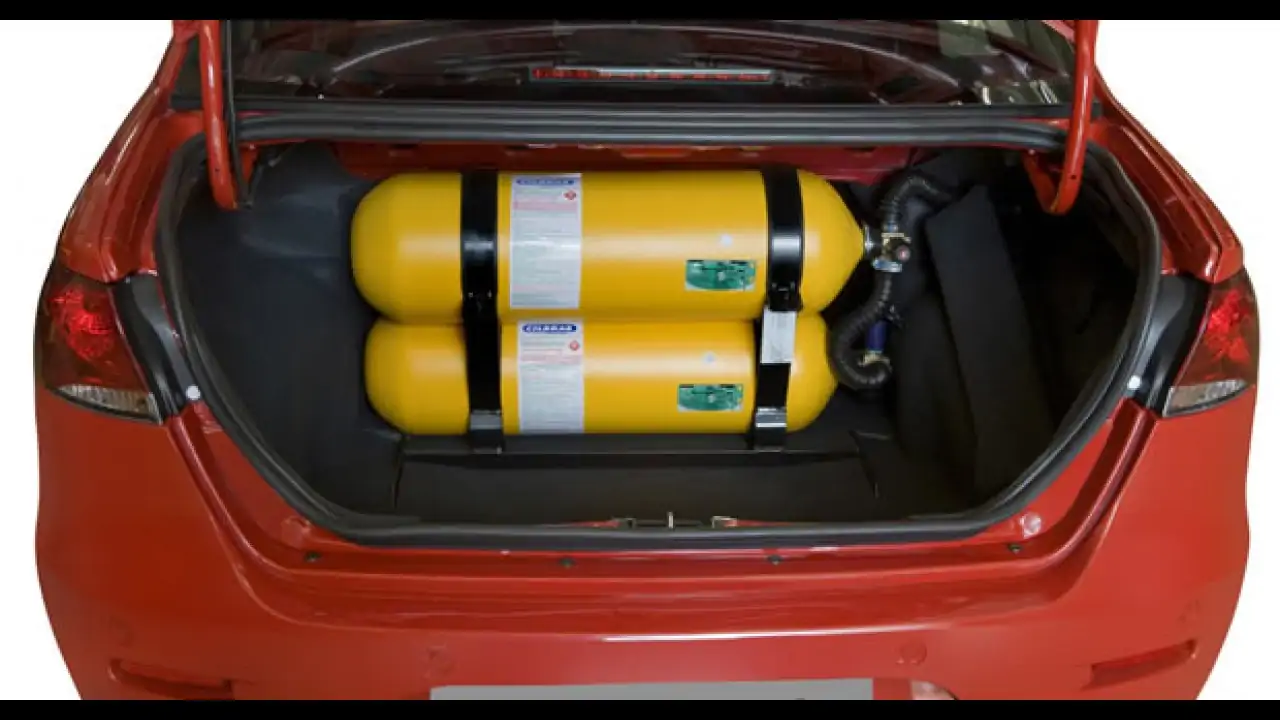
The use of gas (CNG or Biomethane) as fuel in light and heavy vehicles is one of the solutions found as an alternative to gasoline and diesel with the aim of reducing pollution.
In Rio de Janeiro, the use of CNG in passenger vehicles is common, being a solution based on the cost-benefit of the product and currently helping to combat GHG (greenhouse gases).
Through Environmental Governance (ESG), companies have been demanding an “environmentally correct” behavior from the market. With that in mind, as an alternative to diesel and gasoline, it is possible to observe some trucks and agricultural machines powered by gas. This technology, which utilizes Otto cycle engines, allows the use of both CNG (fossil fuel, but less polluting) and Biomethane (gas obtained through anaerobic fermentation of organic material).
-
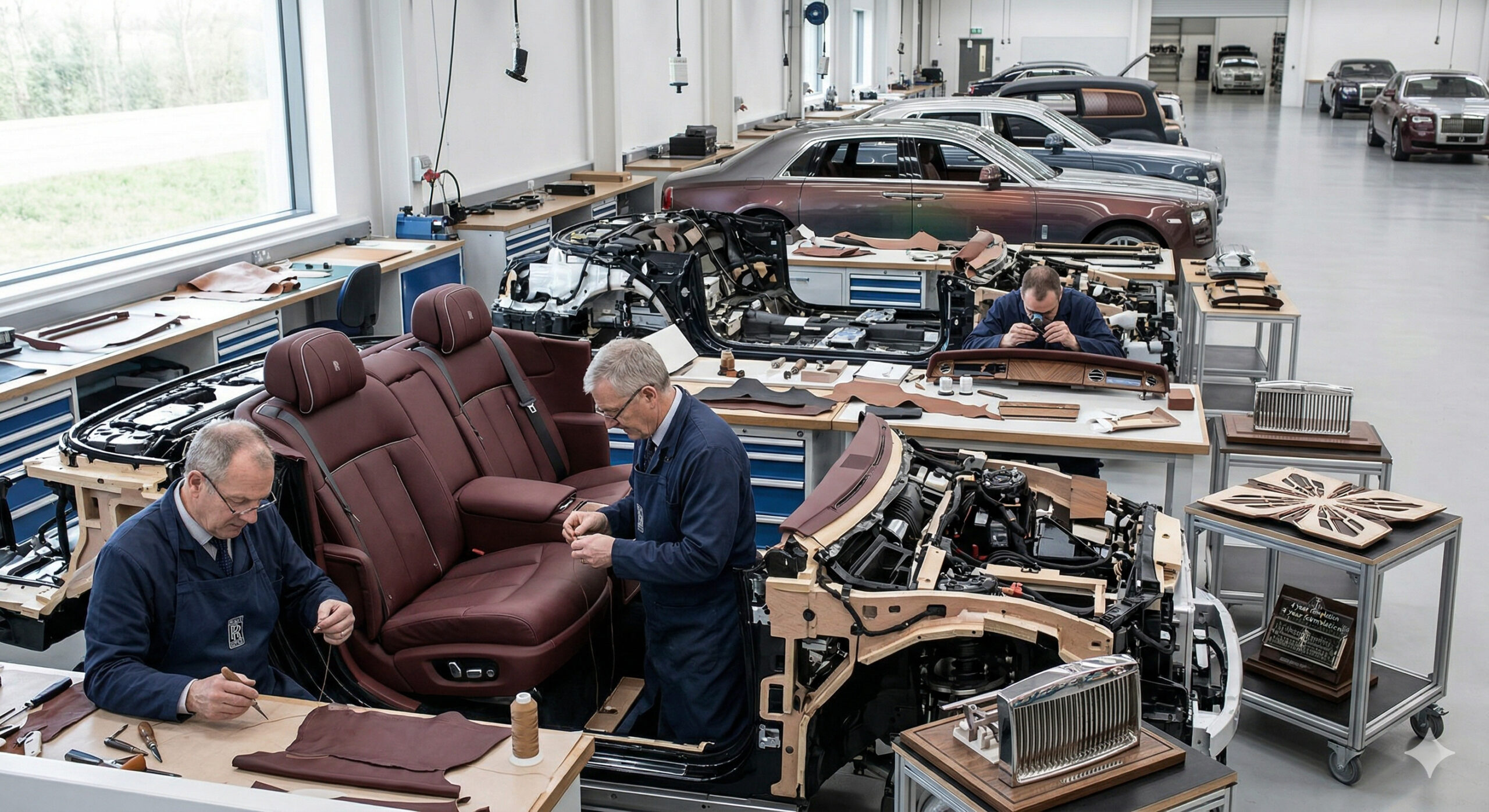
While much of the industry rushes to automate production, Rolls-Royce takes over 600 hours to hand-build each car in Goodwood and still accepts orders so complex that they can take up to four years to be completed.
-
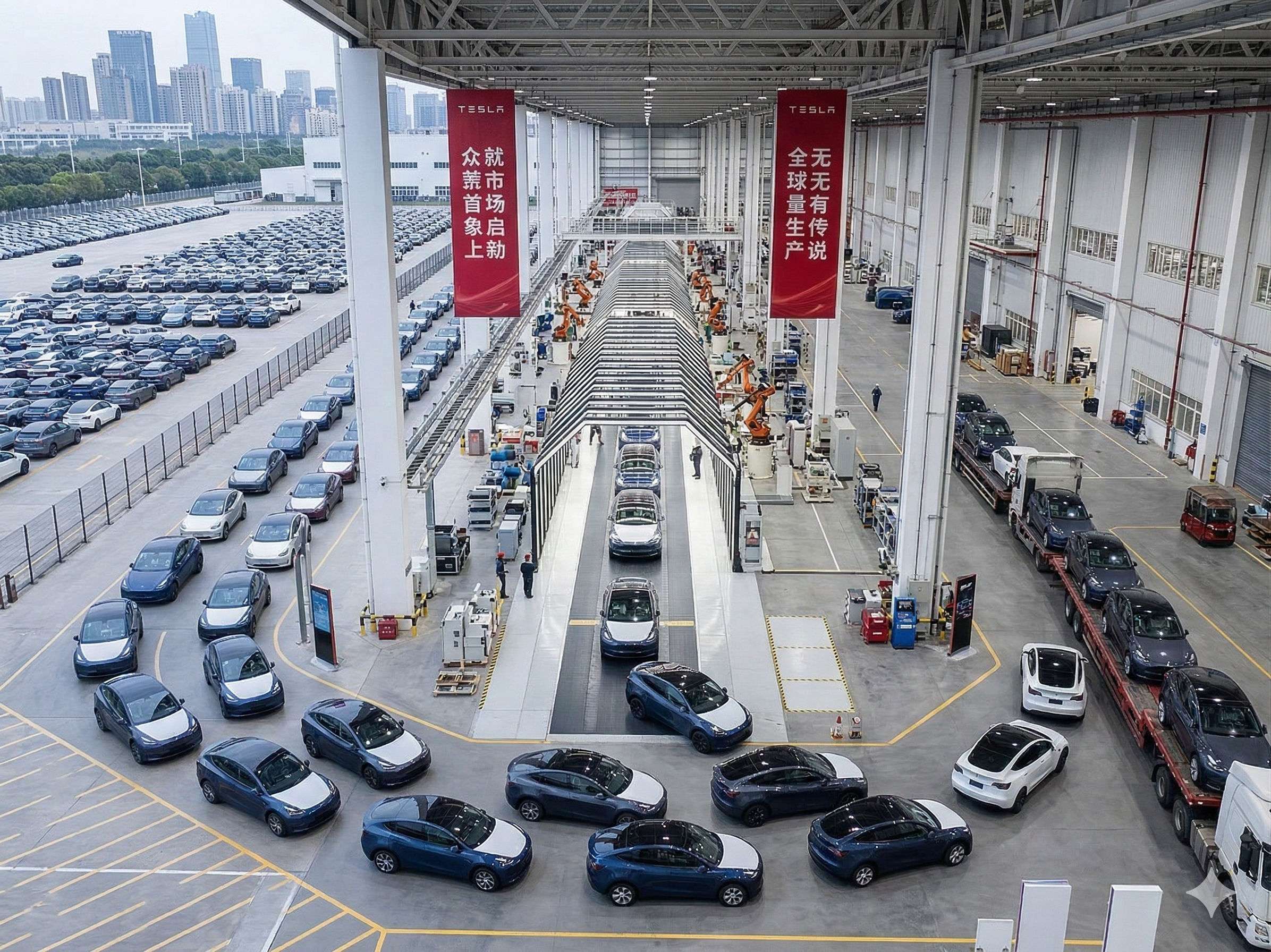
Smaller than the Model Y, lighter, with a single motor and designed to cost less than the current Model 3, Tesla’s new compact electric SUV is born in China and could seal the automaker’s return to the race for mass-market electric vehicles.
-
Kawasaki took the technology from its most brutal racing bikes, squeezed it into a 400cc 4-cylinder engine that revs to 15,000 RPM, and created the ZX-4R, a machine that shouldn’t exist in this displacement but is making experienced riders rethink everything they thought they knew about mid-range motorcycles.

-
The culture of cars that jump on the asphalt was born in the garages of Mexicans in the 1940s, was treated as a crime in the United States for decades, and has now become an official postage stamp of the American Postal Service in a twist that no one expected.

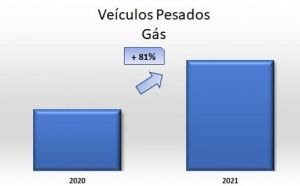
The graph below shows the evolution of heavy vehicles powered by gas in 2021.
The Companies That Have Opted for This Market Niche Are Betting That:
- Gas Will Be a Transition Element Until Electrification;
- The Replacement of CNG by Biomethane in Specific Locations Could Be a Market Niche, Such as Sugarcane Mills That Use Sugarcane Bagasse and Vinasse to Produce Biomethane and Subsequently Fuel Their Fleets;
- Getting Ahead in the Process of Reducing Pollutant Emissions by Associating with “Green” Companies That Care About the Environment.
It is worth noting that the heavy vehicles we see circulating in the fleet with this technology were already developed in Europe and comply with the EURO VI standard (which will come into effect in Brazil in
2023). According to experts, vehicles that come with factory gas engine technology are 100% reliable regarding emission standards. However, vehicles that make adaptations must do so at specialized companies to ensure that the adaptation meets emission standards.
To promote the use of this fuel in Brazil, several actions are necessary, and among them, we highlight the two that generate the most debates:
- Infrastructure for Gas Pipelines,
- Tax Incentives for the Price of Gas.
The potential of Biomethane in Brazil is very large, still underexplored, but the mapping of possibilities has already been raised by sector associations.
Today, the country wastes 100 million m³ of renewable methane per day, which is equivalent to 35% of the electricity consumed in Brazil and 70% of diesel. The sugar-energy sector accounts for 50% of the potential of biogas, which reaches 57.6 million m³/day (source: Abiogás).
Carcon Automotive closely monitors the evolution of alternative fuels and offers a range of studies for those interested in entering this market.
Source: Carcon Automotive/ Via: A Fonte Comunica









Seja o primeiro a reagir!