





 Portuguese
  English
  Spanish
  4 min of reading
  0 comments


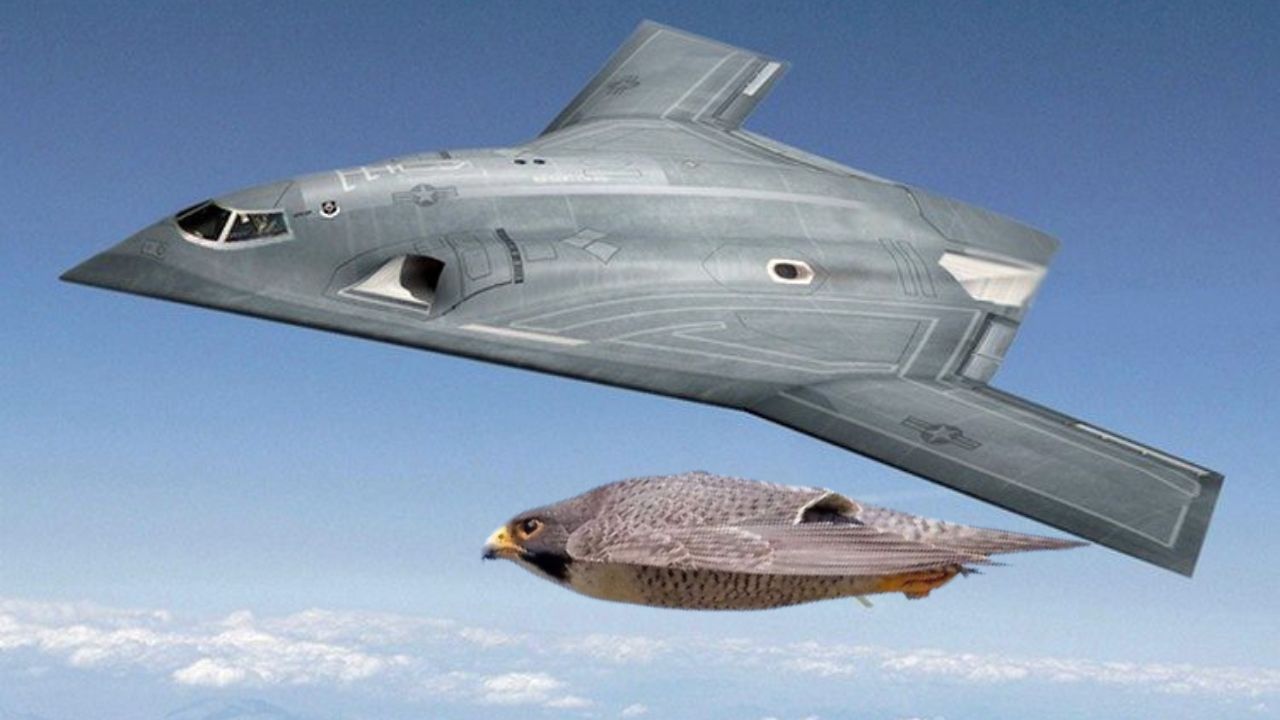
Discover How the Unique Adaptations of the Fastest Bird in the World, Which Allow Flights at Extreme Speeds Without Succumbing to Air Pressure, Revolutionized Aerospace Engineering and Influenced the Design of Aircraft Such as the B-2 Bomber.
The Peregrine Falcon (Falco peregrinus) is the fastest creature on Earth. It attacks its prey in dives that can reach almost 400 km/h. The secret to withstanding the enormous air pressure at this speed not only ensures its survival but also served as inspiration for significant technological advancements, including the design of the iconic B-2 Bomber.
Meet the Peregrine Falcon
The peregrine falcon is world-renowned for its prowess as a hunter. Its fame is mainly due to its ability to reach astonishing speeds. This establishes it as the fastest animal on the planet. Its hunting dive, known as “stoop,” showcases a fascinating aerodynamic performance. Records indicate that the peregrine falcon reaches about 400 km/h. Studies corroborate this ability, with documented speeds of 389 km/h. Other observations point to values exceeding 320 km/h and even 385 km/h. This consistency underscores its prowess.
The Challenge of Hunting at Extreme Speed and the Secret of Breathing
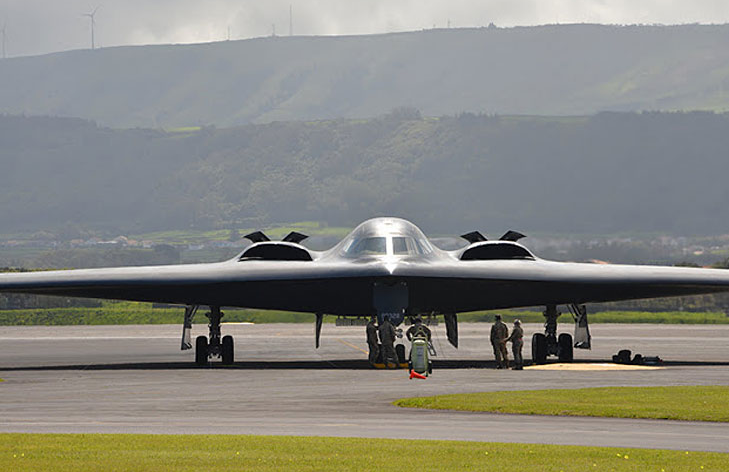
Diving at high speed is a specialized hunting tactic of the falcon, and observing this maneuver inspired the aerodynamic design of aircraft like the B-2 Bomber. It is primarily directed at other flying birds. Maintaining maneuverability and precision above 320 km/h requires exceptional control. The rapid increase in atmospheric pressure and G-forces generates immense stress. The respiratory system is particularly challenged. The secret to the falcon breathing during these dives lies in the nasal tubercles. These small bony structures within the nostrils are crucial. They act as deflectors, breaking up the high-speed airflow. This slows down the air and reduces pressure fluctuations in the nasal cavity. This mechanism protects the lungs from damage and allows for efficient breathing.
-
(Video): Italian pilot lands plane on moving train at 120 km/h and achieves unprecedented feat in aviation, even with a narrow runway and without direct visual contact.
-
It seems to have come out of a science fiction movie: A Brazilian city where it rains almost every day, recording over 4,000 mm per year, driven by climatic factors — a direct result of its strategic location in the Amazon.

-
The water crisis that could change everything this year has already begun; it’s not just about the climate, it affects technology, raises product prices, and can halt entire companies without warning.

-
A Japanese mason transforms raw granite into small cups and handcrafted utensils, collects giant stones, cuts with precision, and impresses with detailed manufacturing and finishing.


Aerodynamic Adaptations Beyond the Tubercles
In addition to nasal tubercles, other features contribute to the falcon’s performance. Its body has a tear-drop shape, minimizing drag. The wings are long, narrow, pointed, and thin, favoring speed. During the dive, the falcon adopts a “wing-folding” formation. This can increase lift and decrease drag. Physiologically, its cardiovascular system supports a heart rate of 600 to 900 beats per minute. Its vision is exceptionally sharp, with adaptations that reduce glare and protect the eyes.
How the Peregrine Falcon Shaped Engines and the B-2 Bomber
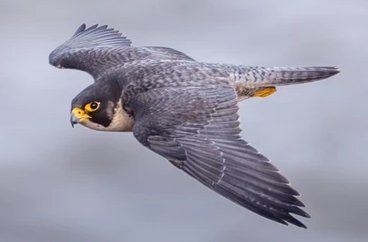
The natural engineering of the peregrine falcon has inspired aerospace engineers. The nasal tubercles provided the model for central cones in jet engine intakes. These cones help slow down the air entering the engine, preventing “engine choking” at high speeds. The falcon’s influence extends to the overall design of aircraft. The B-2 Spirit Bomber is a frequently cited example. The aerodynamic silhouette of the falcon in dive offers a natural model for aircraft that require high speed and efficiency. In the case of the B-2 Bomber, this shape also contributes to its stealth characteristics. The leading edge of the B-2 Bomber, with a “falcon beak” profile, optimizes aerodynamic performance.
Nature as a Source of Technological Innovation
The capability of the peregrine falcon is a testament to the elegance of evolved solutions. Nature functions as a vast research and development laboratory. The study and application of these solutions in engineering is biomimicry. Nature has already solved many of the problems we face. The peregrine falcon demonstrates the sophistication of natural engineering. It is a perennial source of inspiration. Its adaptations have provided keys to advances in aviation technology, influencing everything from jet engines to aircraft design like the B-2 Bomber. The legacy of the peregrine falcon resonates in technological innovation, reminding us of the potential to learn from the natural world.







-

-

6 pessoas reagiram a isso.