





 Portuguese
  English
  Spanish
  4 min of reading
  0 comments


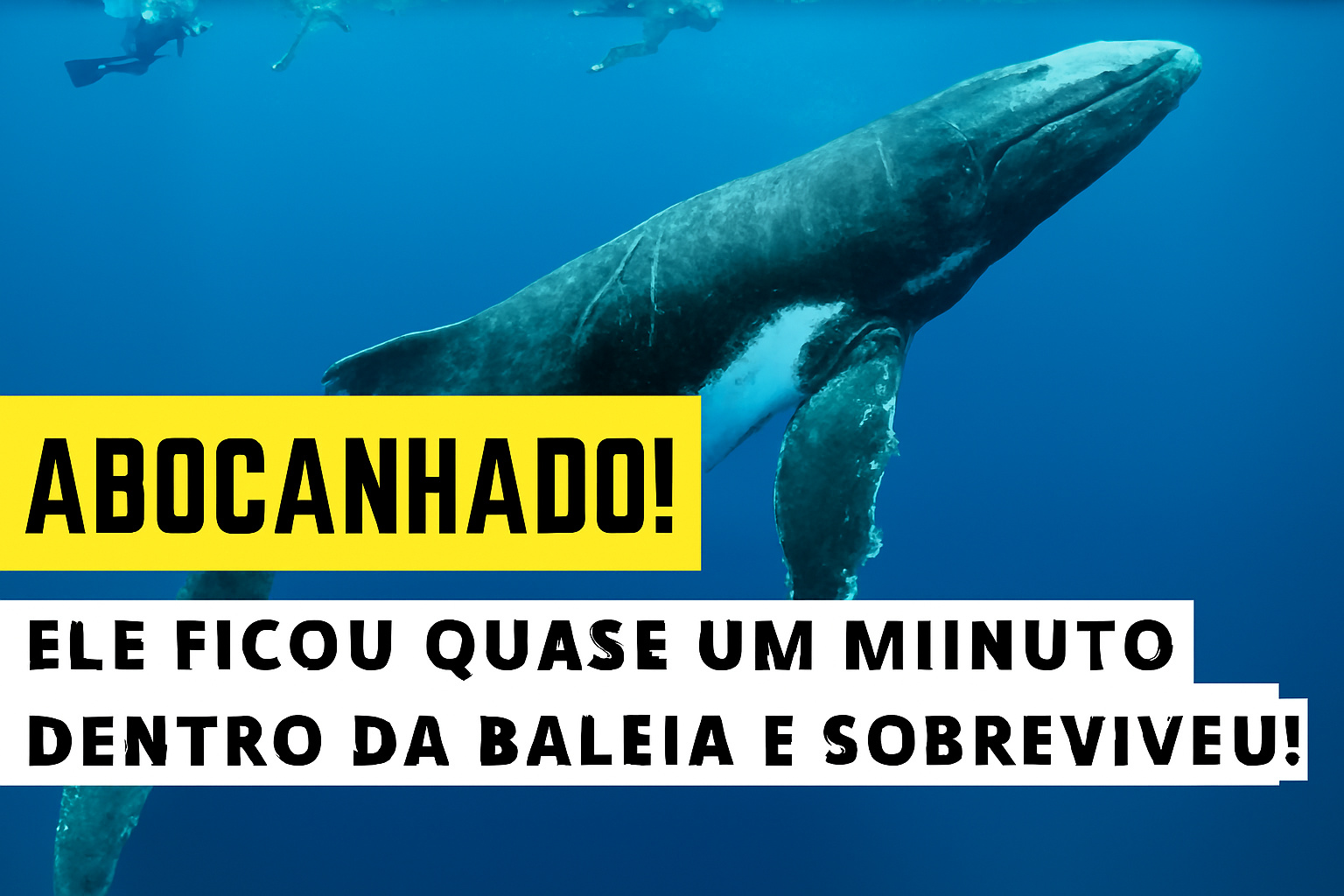
Michael Packard, a 56-Year-Old Diver, Is Swallowed by a Whale at 10 Meters Deep and Survives in One of the Rarest and Most Extreme Cases Ever Documented in Marine Biology.
In June of 2021, an episode that occurred off the coast of Provincetown, Massachusetts (USA), entered history as one of the most improbable accounts ever documented by marine biology. Professional diver Michael Packard, 56, was literally swallowed by a humpback whale while lobster fishing and remained trapped inside the animal’s mouth at approximately 10 meters deep for between 30 and 60 seconds — enough time to challenge any physiological logic, animal behavior, or human survival in the ocean.
The case is real, confirmed by CBS, BBC, National Geographic, Cap Cod Times, NOAA, and witnessed by team colleagues who accompanied the dive. To this day, it is considered one of the rarest incidents involving humpback whales, which are not known to prey on large animals nor attack humans.
The Routine of a Dive That Seemed Normal Until the Impossible Happened
Michael Packard had been working for decades as a lobster diver, a profession that requires:
-
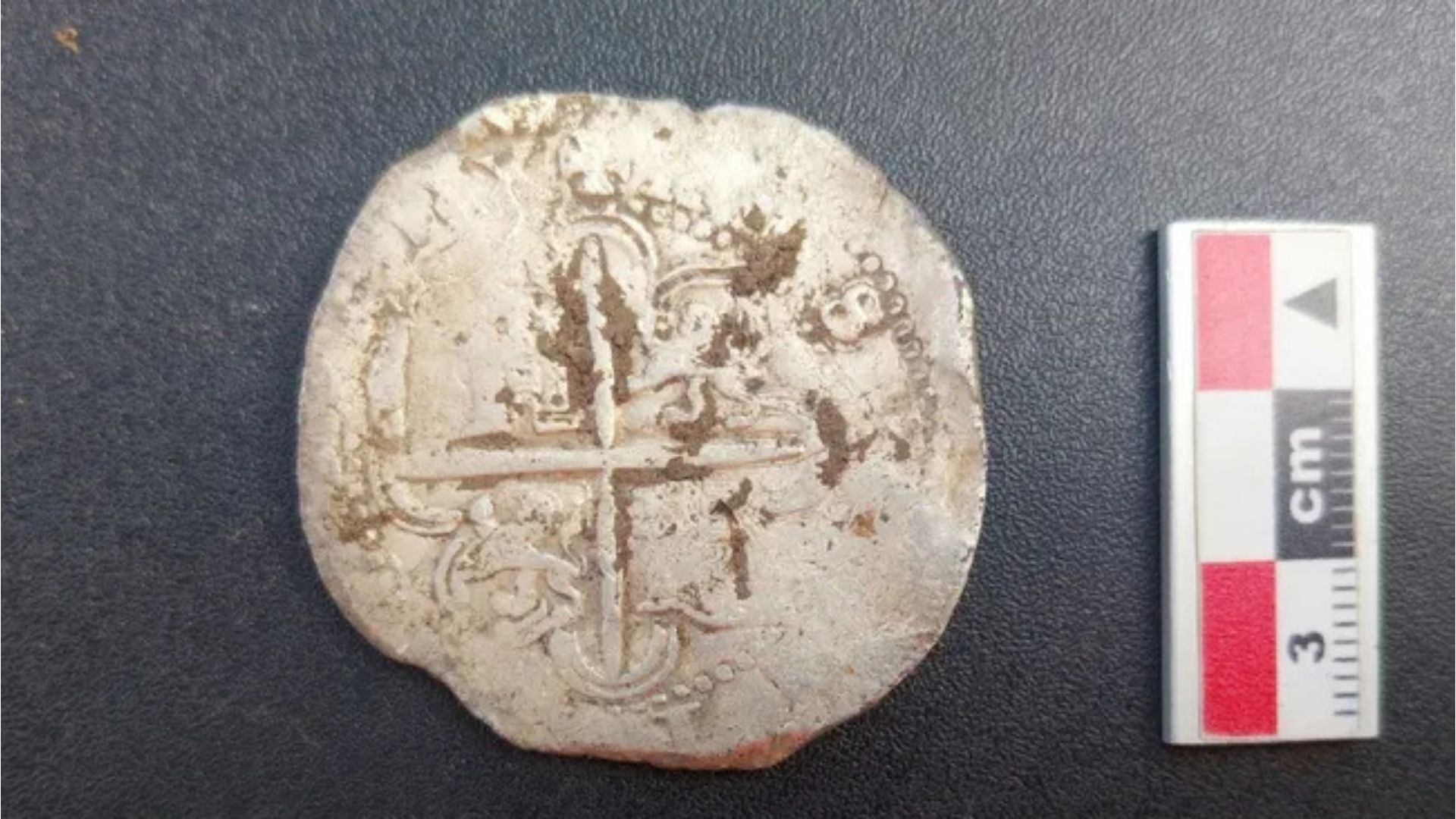
Archaeologists find 16th-century silver coin.
-
An 86-year-old farmer rejected a proposal of R$ 76 million to sell his land and surprised everyone by turning down an AI data center on his 105-hectare farm, negotiating for only R$ 10 million for environmental preservation.

-
You have probably crossed paths with it and didn’t even notice: the Brazilian tapiti rabbit lives hidden in the forests and may be disappearing without anyone noticing.

-
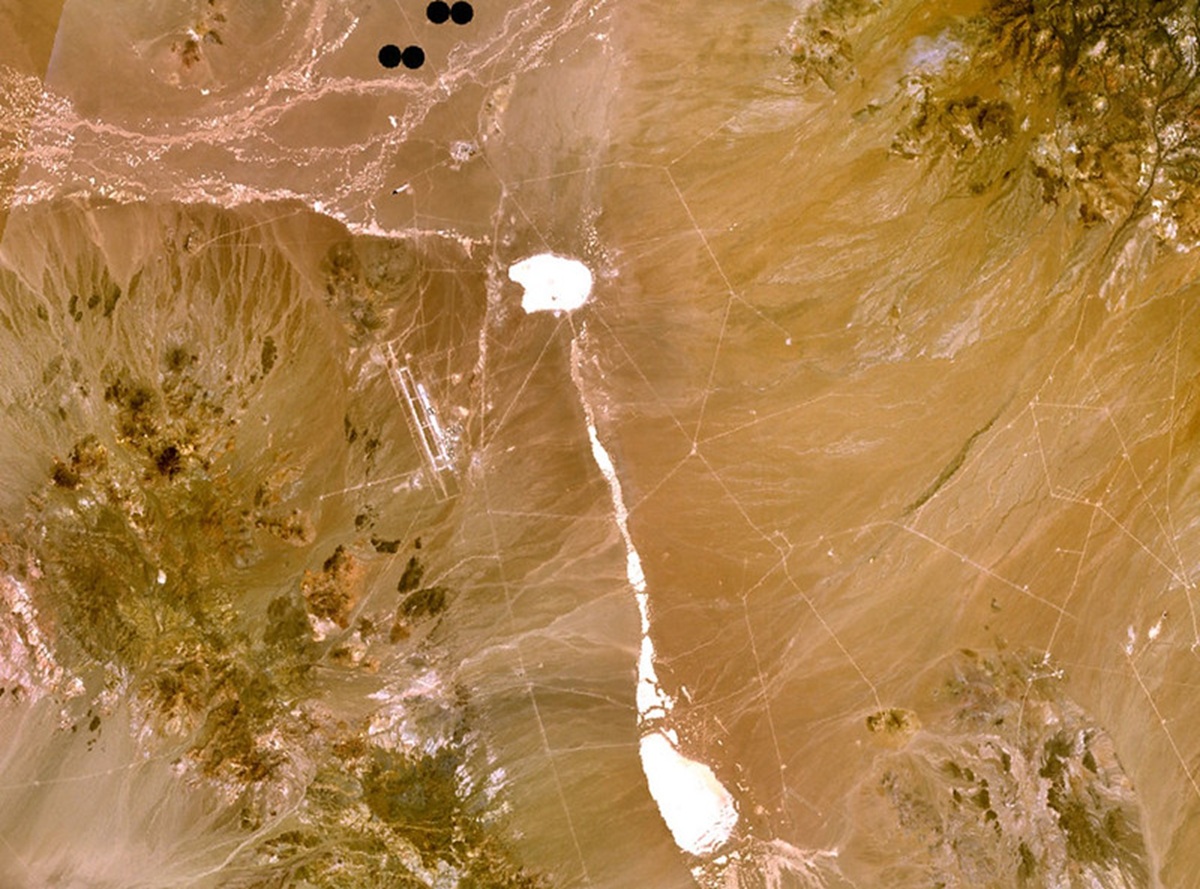
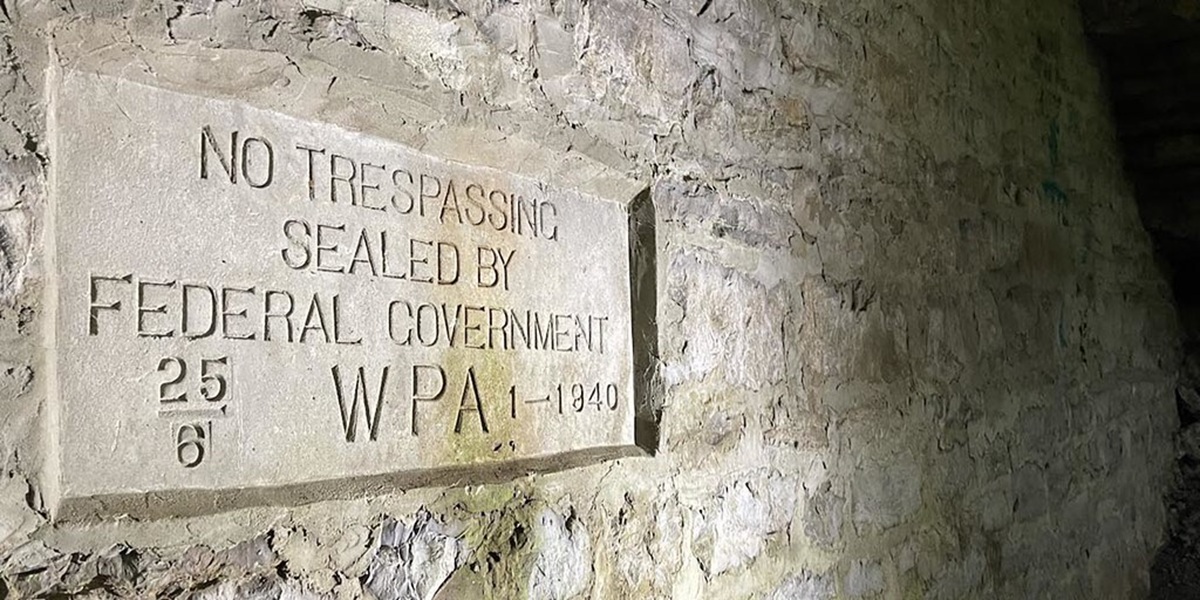
Explorers investigate one of the most secret locations in the United States.
- constant dives at depths of 10–15 meters
- manual collection of crustaceans
- familiarity with schools of fish and predators
- navigation in areas frequented by whales during migration
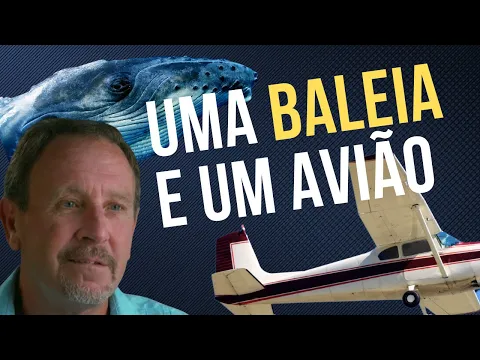

On the morning of the accident, the sea was clear, with good visibility and intense fish activity. As he descended for another dive, Packard felt a sudden impact, followed by complete darkness. He didn’t know if he had been attacked by a shark or buried by a landslide — until he realized he was inside the mouth of a gigantic animal.
The Shocking Perception: “I’m Inside a Whale”
Inside the mouth of the humpback whale, Packard described:
- complete absence of light
- extreme pressure against his body
- difficulty moving his arms and legs
- sensation of compression, similar to being crushed
- air bubbles rising through the water as he struggled to balance
He was still wearing his diving gear, including an oxygen tank, which likely prevented him from being crushed by the force of the jaws and the oral cavity of the animal.
According to Packard, the realization set in when he felt the whale swimming upwards:
“I realized I was inside the mouth of a whale and thought: ‘This is how I die.’”
Why Is This So Rare?
Marine biology is clear:
- humpback whales do not eat large animals,
- they have large mouths but a narrow throat,
- they feed only on fish and krill,
- they do not exhibit aggressive behavior toward humans,
- they avoid large objects, especially divers.
According to specialists from NOAA (National Oceanic and Atmospheric Administration), the accident occurred because the whale lunged to swallow a dense school of fish and could not distinguish the diver in the midst of its feeding. Humpbacks feed with their mouths open and swim forward with speed, especially in fish-rich areas.
Occurrences of this type are so rare that, according to researchers, “it happens once every century — if it happens.”
The Fight for Survival Inside the Mouth of a Marine Giant
Trapped inside the whale, Packard tried to free himself, but the space was minimal. He described feeling:
- giant muscle contractions
- intense pressure around his torso
- sudden movements of the whale swimming towards the surface
- his breathing becoming unstable due to emotional shock
The diver believes that the animal’s movements changed when the whale realized it had captured something that was not part of its natural diet. Scientists confirm that humpbacks are capable of rejecting large prey when they realize they cannot swallow them.
The Expulsion: One of the Most Extraordinary Moments Ever Recorded in the Ocean
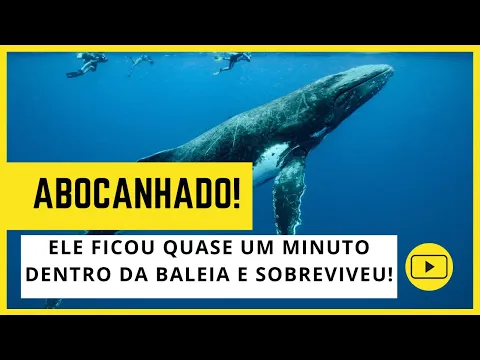
In a sudden surge, the whale swam quickly to the surface and threw the diver out of its mouth, forcefully expelling him above the water.
The fellow crew member, Josiah Mayo, witnessed the moment Packard emerged and was launched several meters away. He testified:
- the column of water lifted by the whale
- the diver’s body being expelled
- the humpback diving down again shortly afterward
Packard was immediately rescued and taken to the hospital.
He had fractured ribs, intense bruising, and severe shock, but no perforations or serious internal damage.
The doctors classified the survival as:
“A statistically impossible case.”
Why Was the Human Body Not Destroyed?
Specialists explained that three factors saved Packard:
The Structure of the Humpback Whale
Despite its size, the humpback has no crushing teeth, only baleen plates.
The Diving Equipment
The air tank created a rigid barrier that prevented fatal compression.
The Quick Expulsion
The whale realized its mistake before diving deeper, reducing the risk of extreme pressure.
The Scientific Impact and Global Interest in the Case
The episode reignited discussions about:
- feeding behaviors of whales
- risks to professional divers
- records of extremely rare maritime accidents
- human survival physiology under extreme pressure
- interaction between humans and marine megafauna
Researchers from NOAA and marine biology institutions classify the case as one of the most extraordinary accounts ever documented involving a human and a whale.
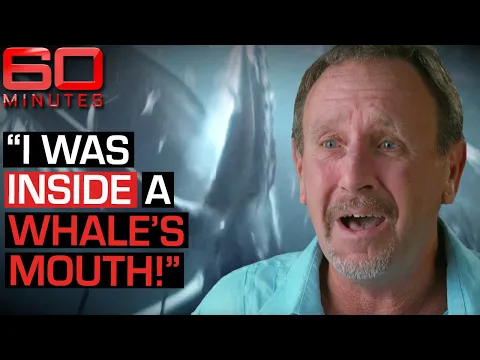
Michael Packard survived an event that combines:
- improbable biological factors,
- extreme marine conditions,
- exceptional behavior of a giant animal,
- uncommon human resilience,
- and an improbable chain of events that could have been fatal in seconds.
His story continues to be studied by oceanography and marine biology experts and is remembered as one of the most incredible survivals ever recorded in the ocean.








-

Uma pessoa reagiu a isso.