





 Portuguese
  English
  Spanish
  6 min of reading
  0 comments


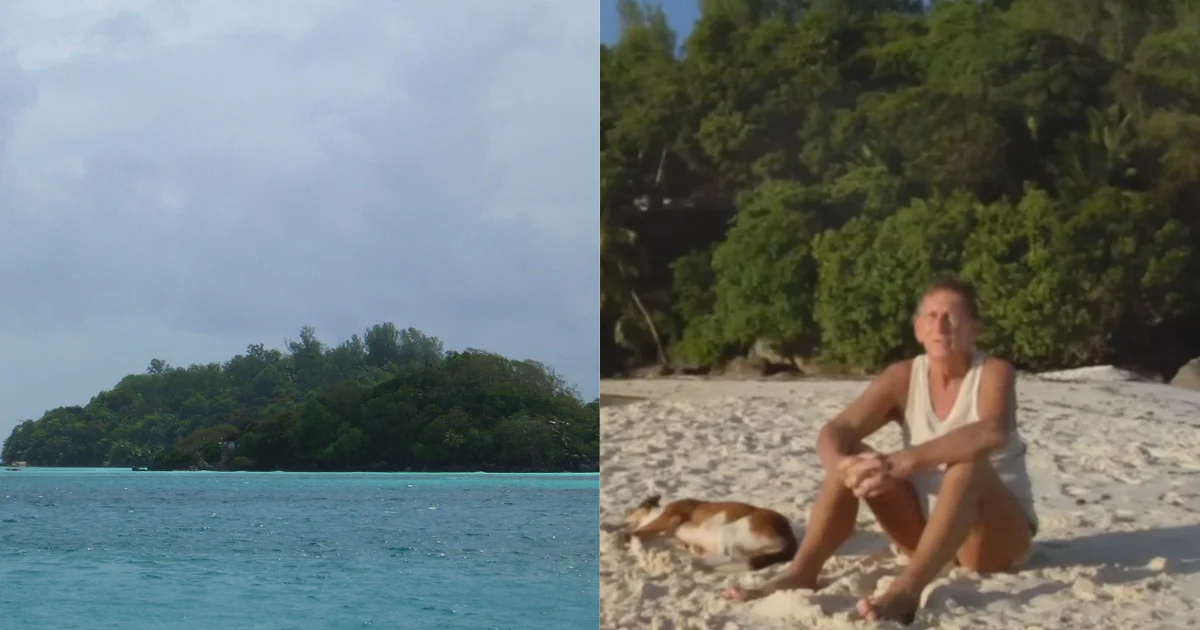
A British Journalist Transformed an Abandoned Island in the Seychelles into a Protected Area Over Decades, with Reforestation and Wildlife Management, in a Process that Involved Manual Labor, Disputes for Preservation, and Official Recognition as a National Park.
In 1962, British journalist Brendon Grimshaw bought Moyenne Island, in the Seychelles archipelago, for £8,000 and started an environmental recovery project that spanned decades.
Alongside Seychellois René Lafortune, he led the manual planting of 16,000 trees, opened trails, and promoted actions to encourage the return of animals to the area.
Years later, the Seychelles government recognized Moyenne as a national park, which reinforced the legal protection of the territory.
-
These are the drivers who may stop paying tolls on highways in a project that promises to reduce costs for those who live from transportation in Brazil.
-
(Video): Italian pilot lands plane on moving train at 120 km/h and achieves unprecedented feat in aviation, even with a narrow runway and without direct visual contact.
-
It seems to have come out of a science fiction movie: A Brazilian city where it rains almost every day, recording over 4,000 mm per year, driven by climatic factors — a direct result of its strategic location in the Amazon.
-
The water crisis that could change everything this year has already begun; it’s not just about the climate, it affects technology, raises product prices, and can halt entire companies without warning.

Brendon Grimshaw and the Decision to Buy Moyenne
Before settling on Moyenne, Grimshaw worked as a journalist and editor outside the UK, having worked in newsrooms in Africa, according to local records about his career.
The purchase of the island occurred during a visit to the Seychelles when he decided to invest in a plot of around nine hectares and turn it into a long-term project.
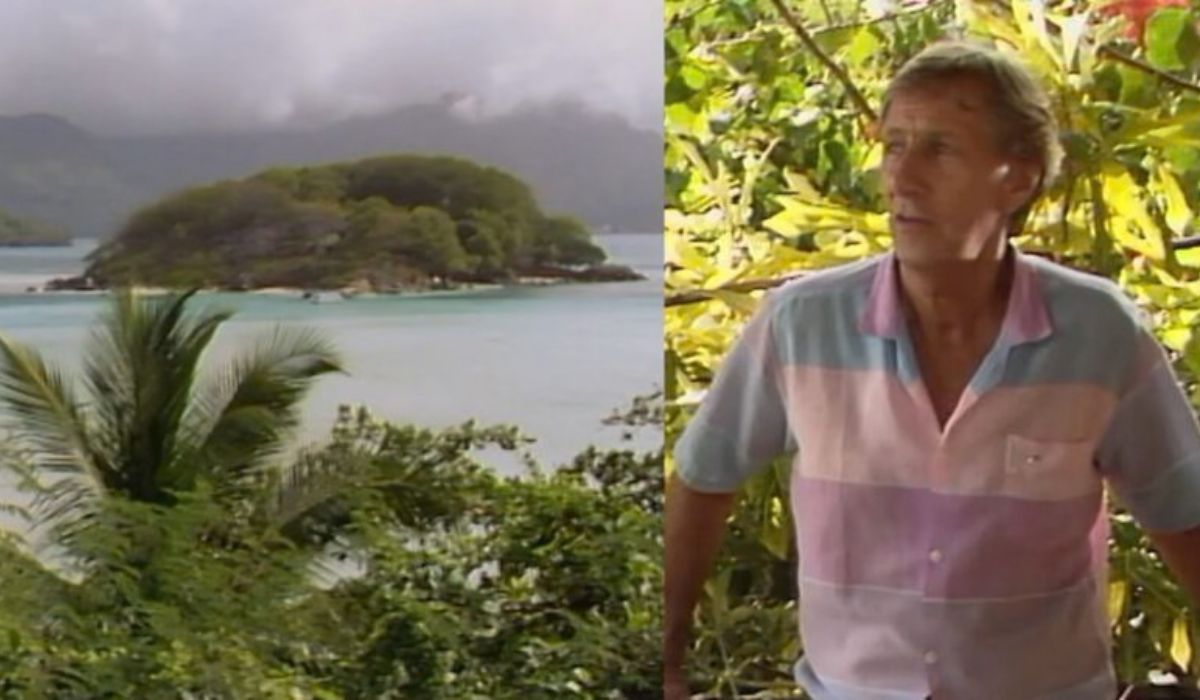
The definitive move to Moyenne is described in Seychelles Nation files as having occurred in 1973, when Grimshaw began living on the island to carry out the work continuously.
Until then, the location had no permanent occupation for decades, with reports of a presence of many rats and dense vegetation that made circulation difficult.
Dense Vegetation and the Initial Scenario on the Island
Reports about the initial condition of Moyenne indicate an environment taken over by dense vegetation, with few open paths and low bird presence.
In the documentary A Grain of Sand, Grimshaw described the degree of obstruction of the forest, commenting that the level of coverage was so high that fruits fell without reaching the ground.
“The vegetation was so dense that a coconut falling from a tree didn’t even reach the ground.”
The phrase is used in various retellings of this story to illustrate the starting point.
Still, available public records do not provide detailed technical measurements of this density, only descriptions by Grimshaw himself and materials based on his account.
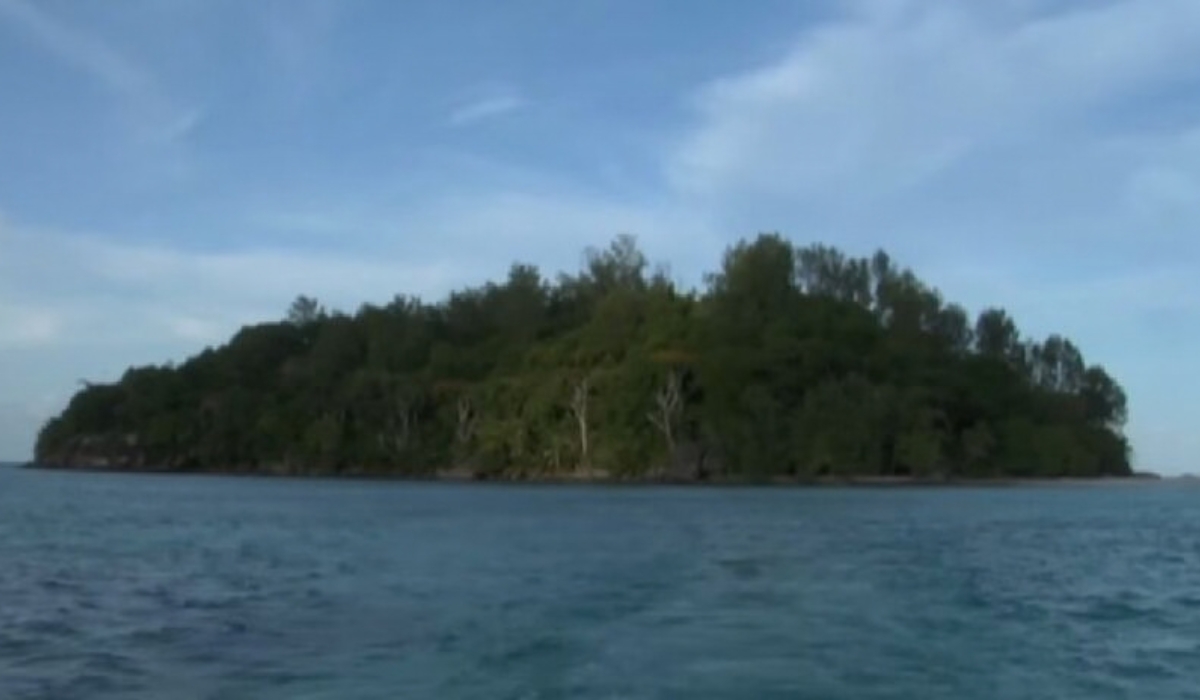
Reforestation with 16,000 Trees and Opening of Trails
The intervention on the island occurred gradually.
Instead of large-scale works, the effort focused on controlled cleaning, reintroduction of plant species, and creation of access routes.
According to Seychelles Nation, Grimshaw and Lafortune manually planted 16,000 trees , mentioning species like mahogany and palms, as well as other plants considered important for restoring the vegetation cover.
The opening of trails also emerged as a central part of the process.
Local records cite about 4.8 kilometers of paths on the island, used to allow movement, land management, and monitoring of what was being replanted.
With defined routes, movement no longer depended on makeshift passage through the forest.
With the progress of reforestation, local sources report an increase in birds on the island over the years, associating the movement with the availability of shelter and food.
One of the figures cited by Seychelles Nation is about 2,000 new birds attracted to Moyenne with the recovery.
However, the material does not detail the counting methodology or the exact temporal scope of the survey.
Giant Tortoises in Moyenne and Wildlife Monitoring
The presence of giant tortoises also became one of the most visible indicators of the transformation of the site.
In reports related to the recognition of Moyenne as a national park, authorities and Grimshaw himself mentioned the introduction of 110 giant tortoises to the island.
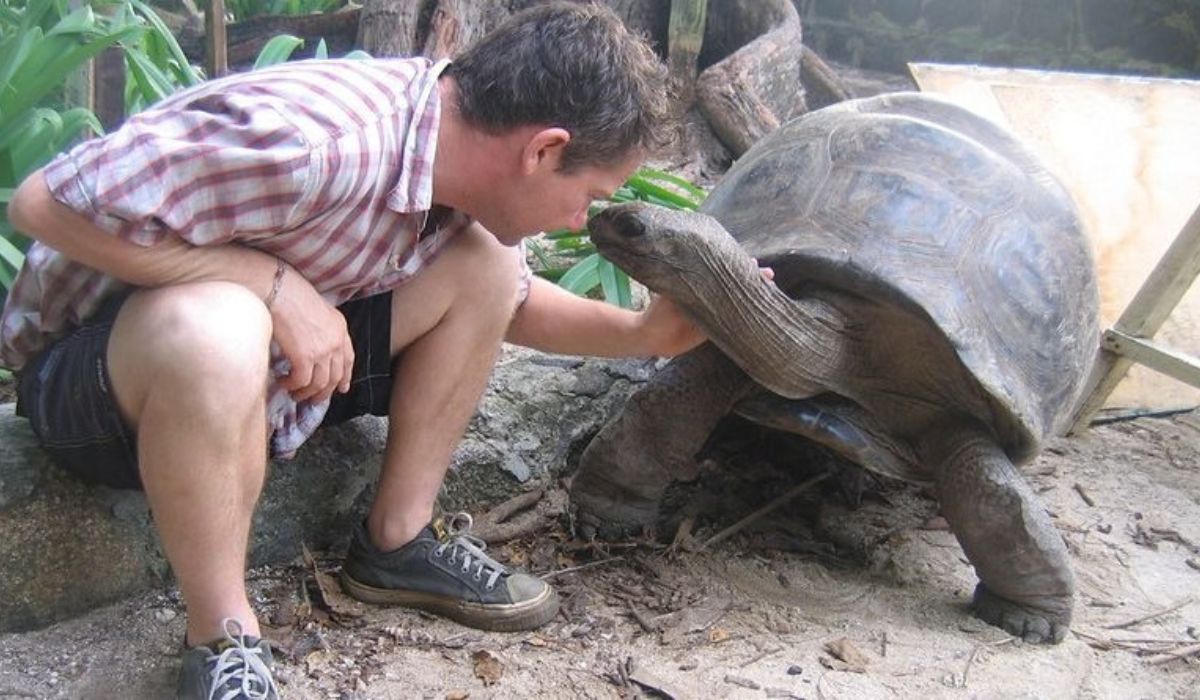
In later texts, the same newspaper recorded that Grimshaw cared for 120 giant tortoises, suggesting an increase in the group over time.
The available records describe that part of these animals was marked and monitored but do not provide, in the consulted public excerpts, comprehensive information on monitoring protocols or institutions responsible for auditing this oversight.
What appears more frequently is the characterization of the management as a continuous effort, carried out alongside the routine maintenance of the island.
Offer to Buy and Preservation Dispute in the Seychelles
The journey of Moyenne developed in parallel with the growing tourist interest in the Seychelles, especially from the second half of the 20th century.
Within this context, Grimshaw began advocating for the island to have official protection to prevent land use changes that altered its environmental profile.
In the 1980s, Brendon Grimshaw saw his conviction tested directly.
With the appreciation of the Seychelles and the growing interest from international investors, Moyenne began to attract the envy of millionaires.
According to the BBC, a Saudi prince allegedly offered up to US$ 50 million for the island, but the British journalist declined the proposal without hesitation.
For Grimshaw, the territory was not a luxury asset, but rather a life project linked to environmental recovery and preservation.
The response was categorical: the island was not for sale.
Without heirs and already feeling the weight of age, he became increasingly concerned about the fate of Moyenne after his death.
Instead of negotiating the property, he concentrated efforts to ensure that his legacy survived and that the island remained protected, away from real estate speculation and transformation into a high-end resort.
National Park: The Dates and the Formalization of Protection
The formalization of protection for Moyenne appears in official records and local reports, but with dates described in different ways.
A report from Seychelles Nation published on July 28, 2009 recounts an event on the island where Grimshaw stated that a year had passed since signing an agreement with the then minister responsible for environmental affairs to designate Moyenne as a national park.
The same text informs that a final declaration was signed on May 22, 2009, treated as a milestone for consolidation.
In another Seychelles Nation record about Grimshaw’s death, published in 2012, the island is described as being declared a national park in June 2008.
The difference suggests that the process may have occurred in stages, with announcement, agreement, and formalization at different times—something common in changes of legal status.
The public documents cited do not provide, in the consulted excerpts, a single and closed timeline that eliminates the discrepancy.
Moyenne Today and the Documentary A Grain of Sand
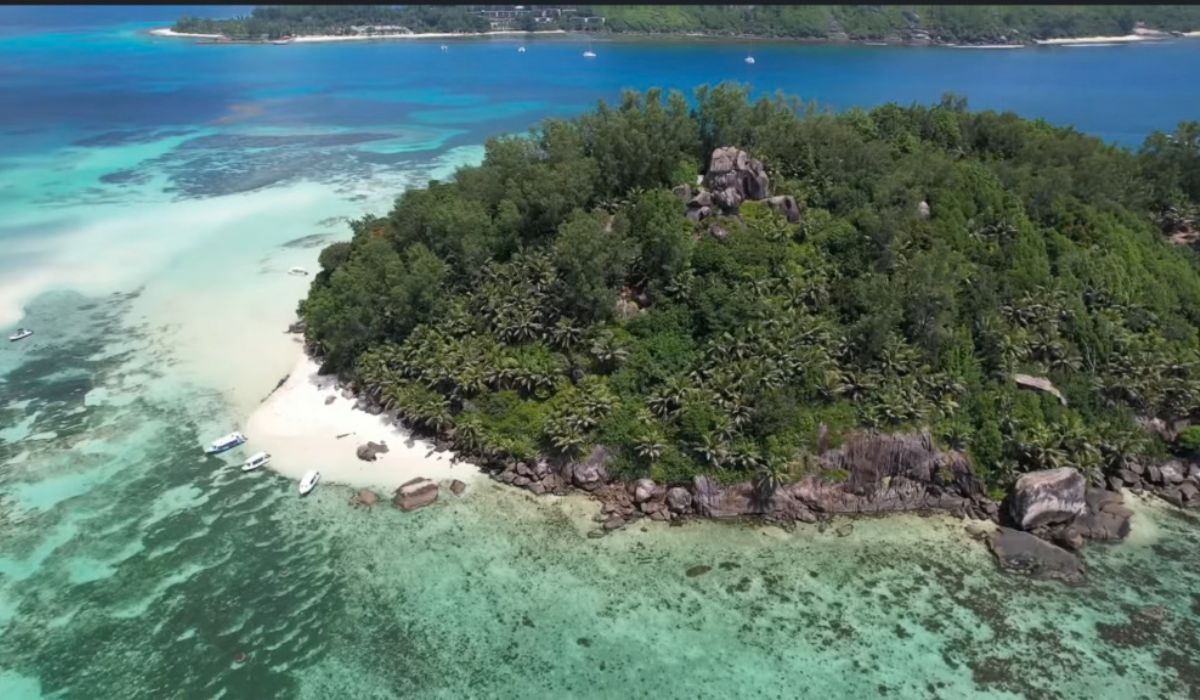
Today, Moyenne is promoted in official tourism materials as a small protected area, often described as one of the smallest national parks in the world.
Public information associates the island with management linked to a foundation and inclusion in a nearby protected marine area, although the exact organization of the administration and its responsibilities appear briefly in the promotional texts.
Grimshaw’s work was also recorded in the documentary A Grain of Sand, filmed between 2007 and 2008, which shows daily life on the island and the continuity of the project in the final years of his direct involvement.
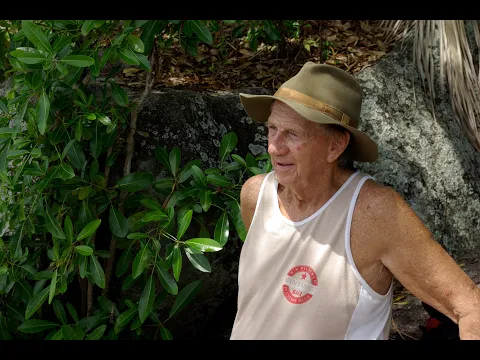

Grimshaw died in July 2012, according to Seychelles Nation, leaving an area that, by available records, transformed from abandoned land to national park over decades.
The experience of Moyenne has been cited as an example of recovery driven by individual initiative, but the extent of its replicability depends on local conditions, institutional support, and environmental regulations in each country, according to analyses that often accompany discussions about conservation.



Seja o primeiro a reagir!