





 Portuguese
  English
  Spanish
  2 min of reading
  0 comments


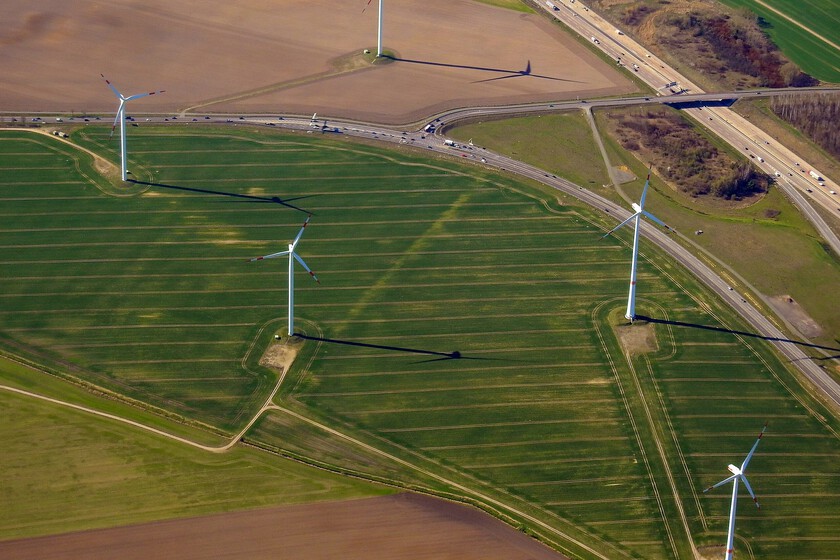
The dunkelflaute, Windless Cold Phenomenon, Drastically Reduces Solar and Wind Energy Generation in Germany, Pressuring Demand and Exposing the Fragilities of Renewable Sources
Germany’s electric grid is at its limit. At 5 PM yesterday, wind and solar energy generation stagnated across the country (as well as in neighboring Denmark) and electricity prices soared to €936 (R$ 5800) per megawatt-hour.
The dunkelflaute Phenomenon
The Germans refer to dunkelflaute as the windless cold, a perfect combination that strangles photovoltaic energy production and halts wind turbines at the same time. Typical of cold anticyclones with low temperatures, this phenomenon further raises heating demand across the region.
The term comes from the German words dunkel (dark) and flaute (calm), but the quiet and dark winters in Germany have never weighed so heavily on the electricity bill as in recent years.
-
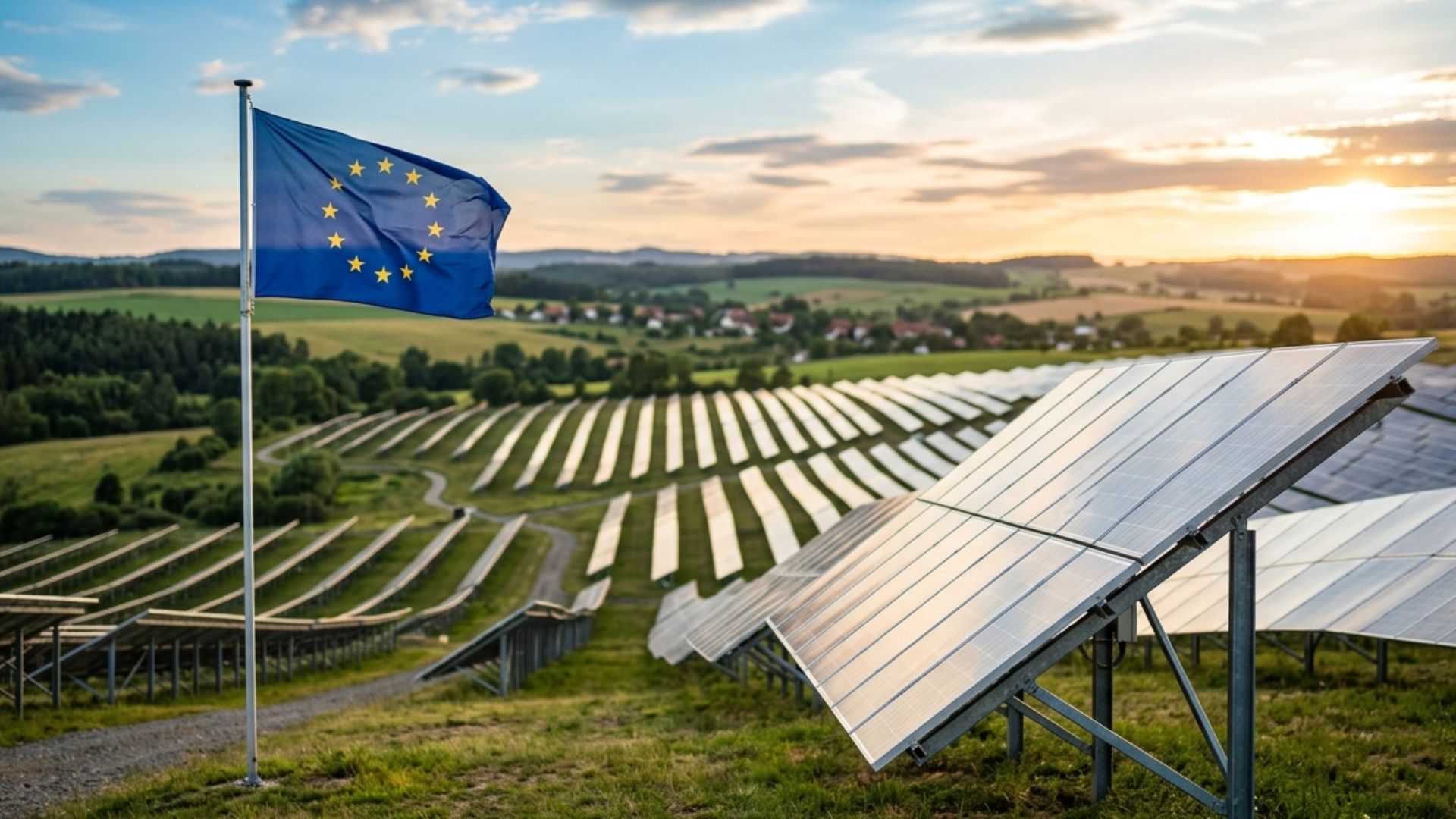
Europe records strong euro economy with solar energy in March and sparks curiosity about which country leads growth that redefines the energy market and reduces costs.
-
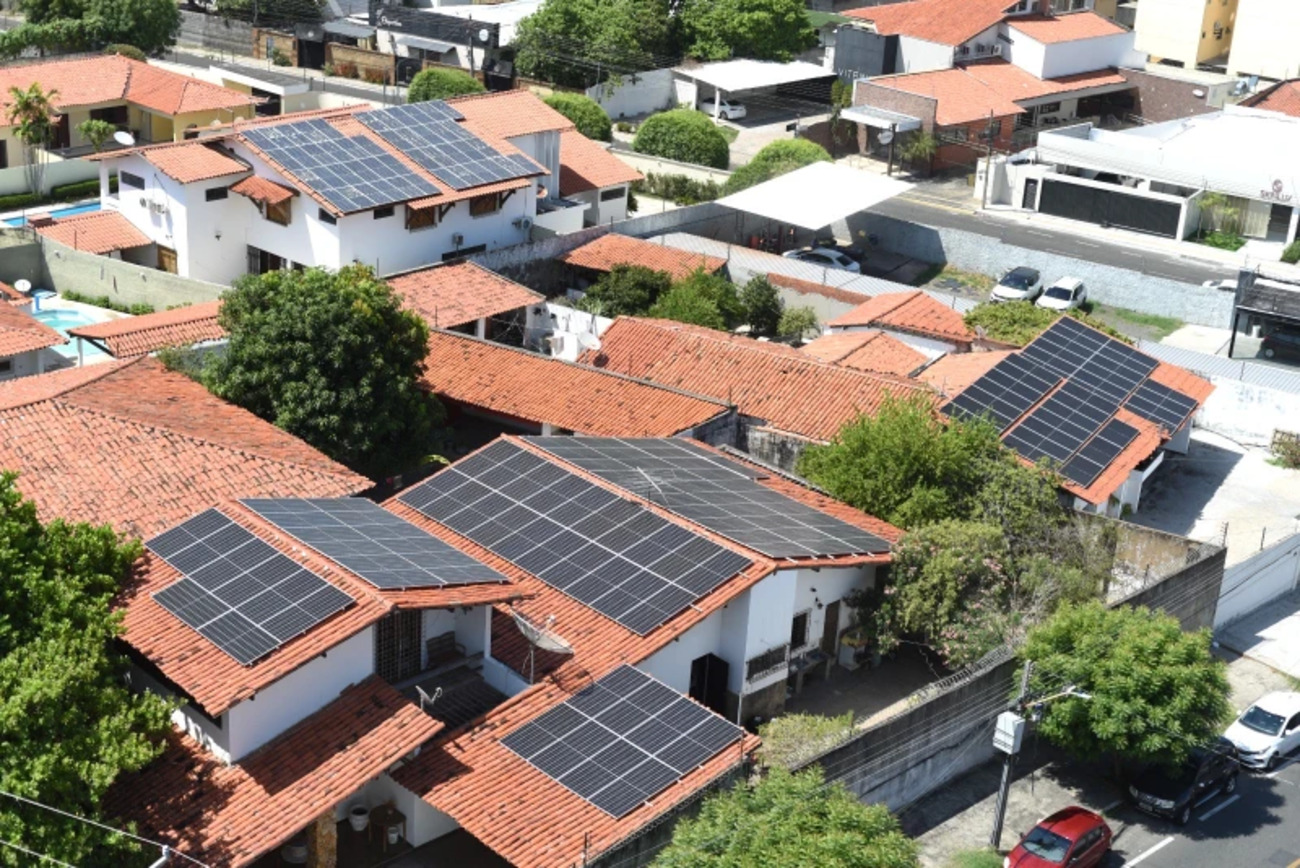
Piauí reaches a historic milestone in energy transition: State records nearly 160,000 households powered by solar energy and leads growth in the Northeast.
-
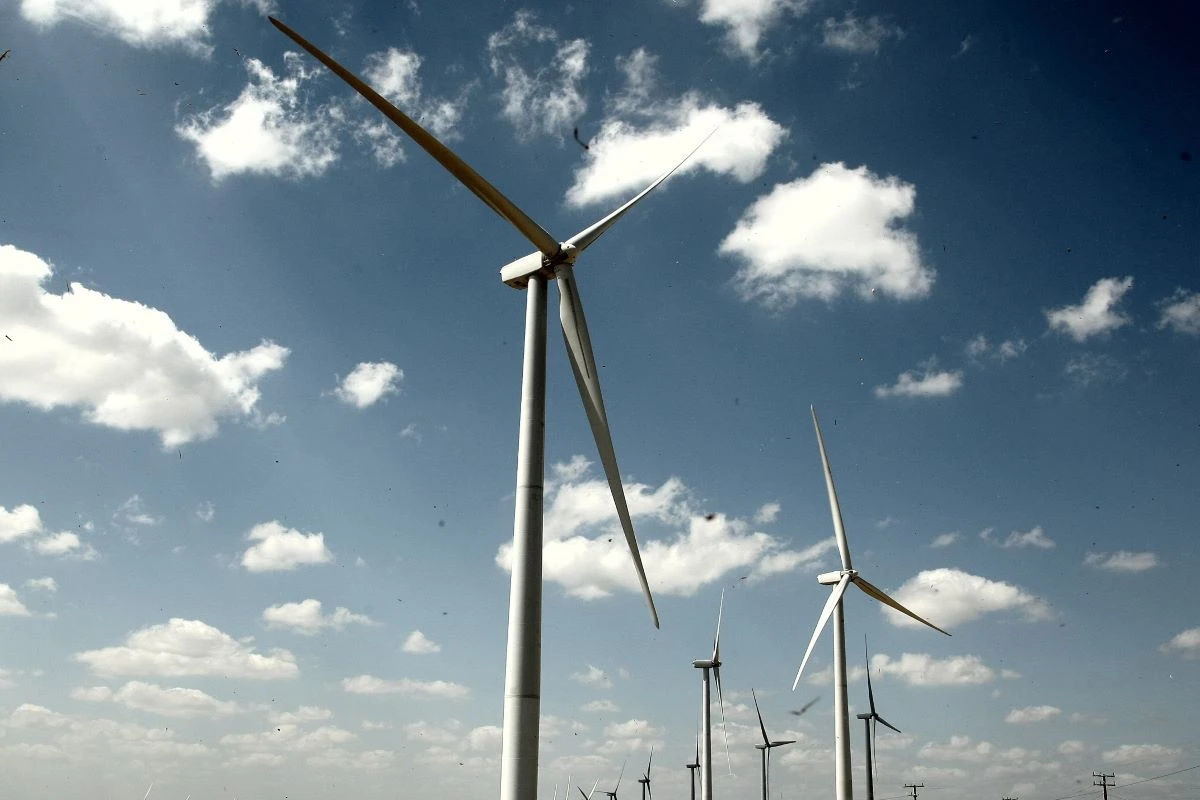
Urgent energy transition: Greenpeace advocates for massive investments and points to Brazil as a global leader in wind energy production in the coming years.
-
Argentina debuts its first 100% solar-powered highway and transforms an entire road into a showcase of clean energy.
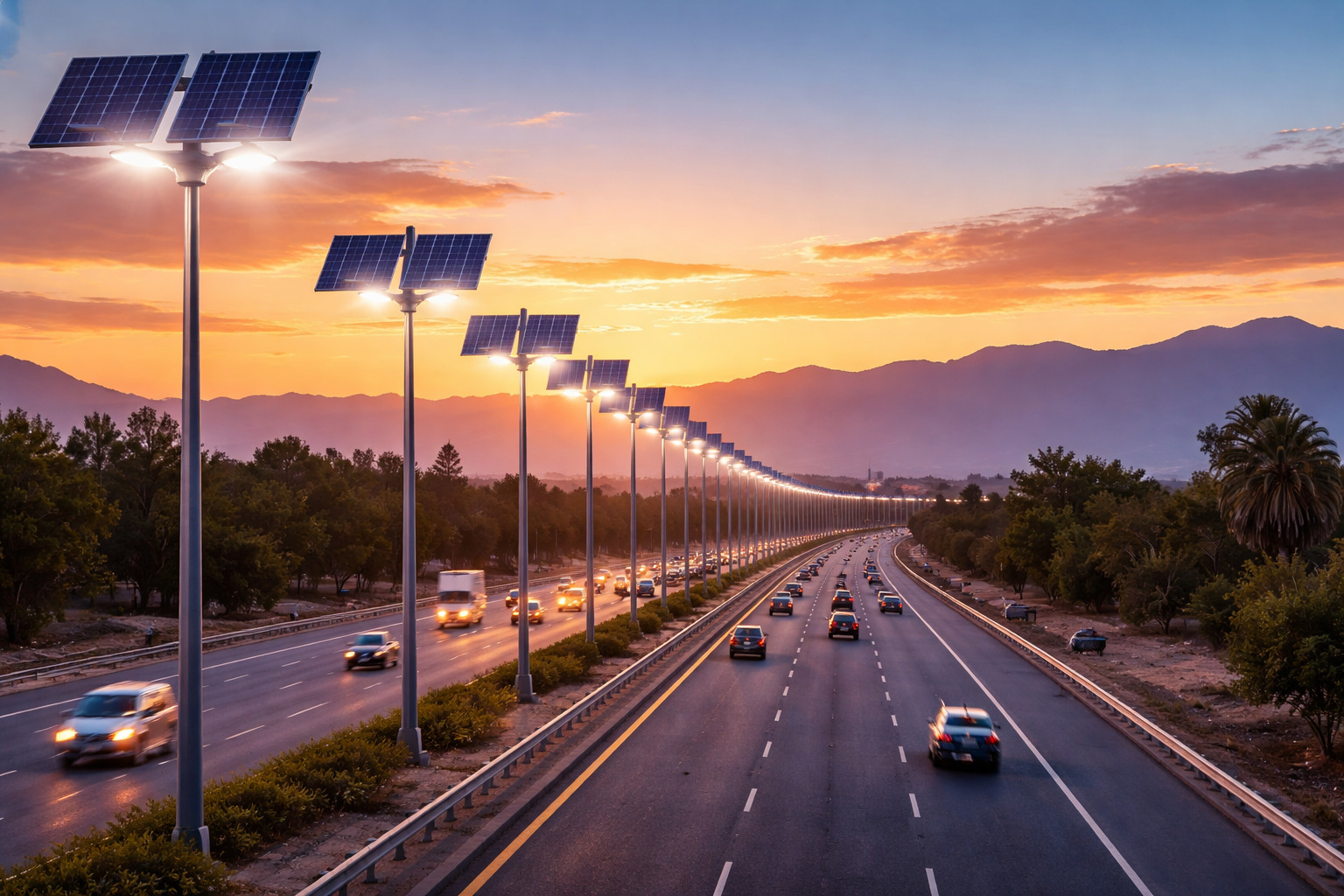

The daily average nearly reached €400 (R$ 2480)/MWh. This is nine times the price of natural gas, an disproportionate figure for an energy mix that, at 5 PM, was divided between 3% hydropower, 8% biomass, 10% wind, 25% gas, and 30% coal.
The peak of €936 (R$ 5800)/MWh triples and even quintuples the highest price recorded in France (with 70% nuclear energy at 5 PM), in Nordic countries (with 90% hydropower), or in Poland (with 65% coal).
The Need for Clean and Transitional Energy
Operators of the German electrical grid faced difficulties meeting demand due to low wind and solar production. This serves as a reminder that renewable energies are intermittent and require investments in storage and alternatives for clean energy. Or, at least, in reliable transitional energy.
The electricity price in Germany has risen 585.23% since the beginning of 2024 in the spot index. The closure of nuclear power plants forced the country to reopen some coal-fired plants. Fortunately, resorting to gas reserves will not be a problem this winter.
With 98% capacity at the beginning of November, German reserves currently hover around 87%, which is sufficient to get through the cold season. This is one less problem to worry about.







-

Uma pessoa reagiu a isso.