





 Portuguese
  English
  Spanish
  2 min of reading
  0 comments


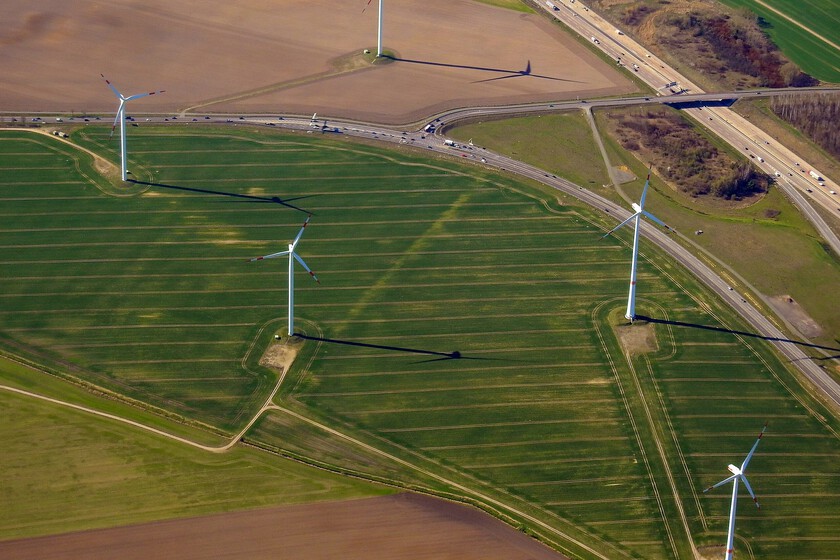
The dunkelflaute, Windless Cold Phenomenon, Drastically Reduces Solar and Wind Energy Generation in Germany, Pressuring Demand and Exposing the Fragilities of Renewable Sources
Germany’s electric grid is at its limit. At 5 PM yesterday, wind and solar energy generation stagnated across the country (as well as in neighboring Denmark) and electricity prices soared to €936 (R$ 5800) per megawatt-hour.
The dunkelflaute Phenomenon
The Germans refer to dunkelflaute as the windless cold, a perfect combination that strangles photovoltaic energy production and halts wind turbines at the same time. Typical of cold anticyclones with low temperatures, this phenomenon further raises heating demand across the region.
The term comes from the German words dunkel (dark) and flaute (calm), but the quiet and dark winters in Germany have never weighed so heavily on the electricity bill as in recent years.
-
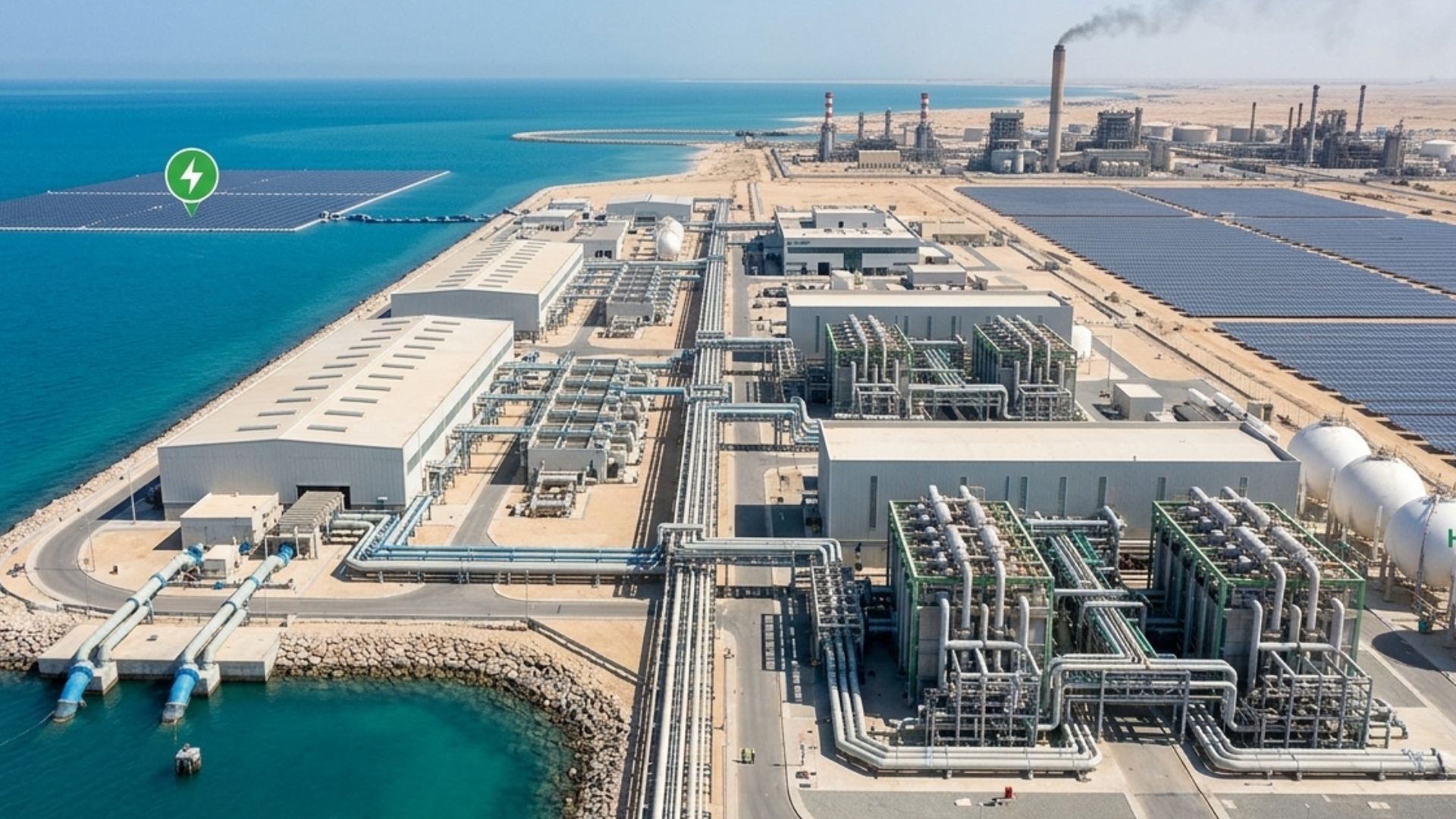
The world has bet on green hydrogen as the fuel of the future, but now faces the side effect: producing 1 kilogram requires about 9 liters of ultrapure water, and the largest projects on the planet are precisely in the driest regions of the Earth, where water is already scarce for people.

-
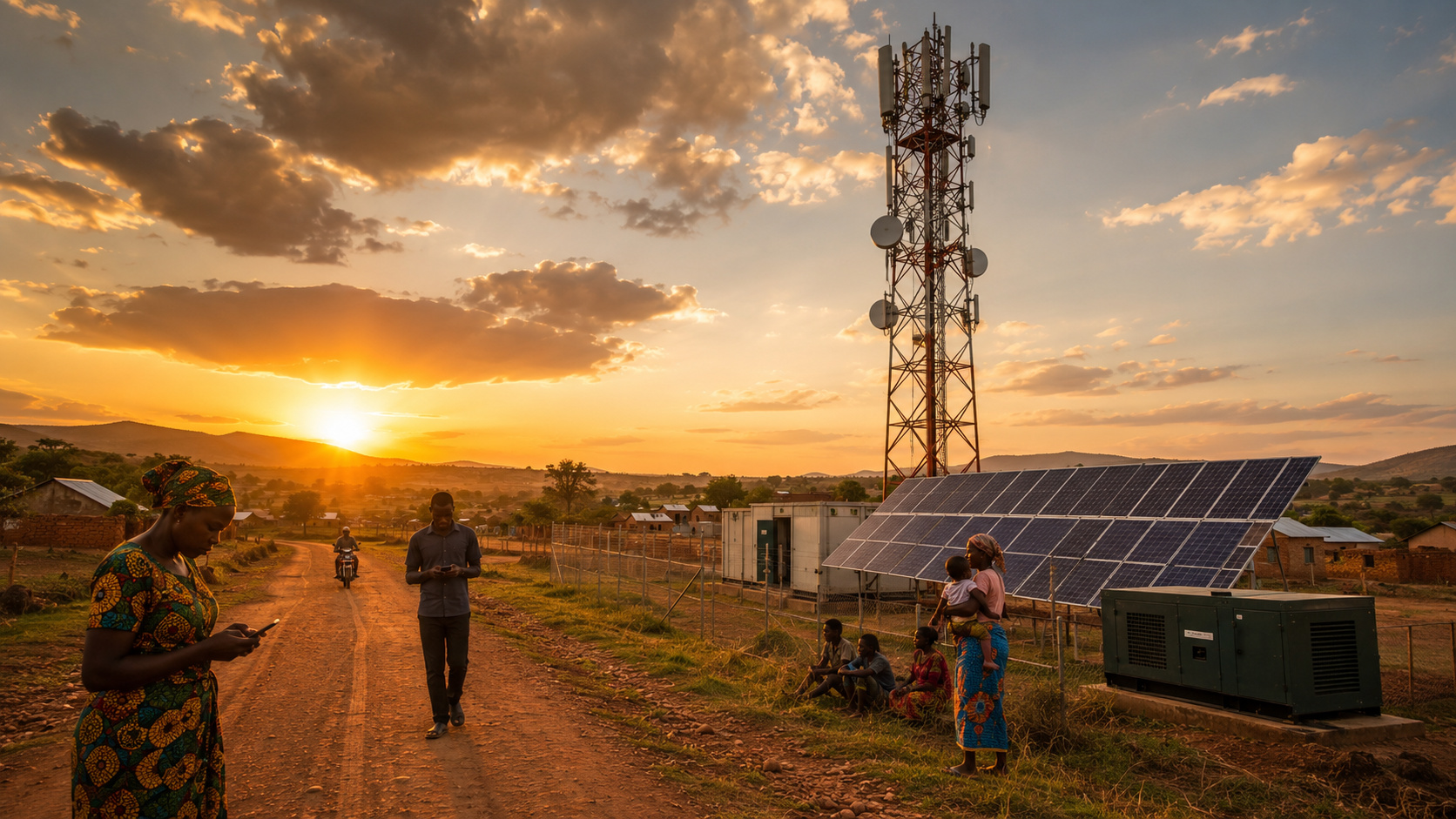
Africa has about 500,000 cell towers and most still burn diesel to operate, while companies rush to cover antennas with solar energy and avoid signal blackouts.

-
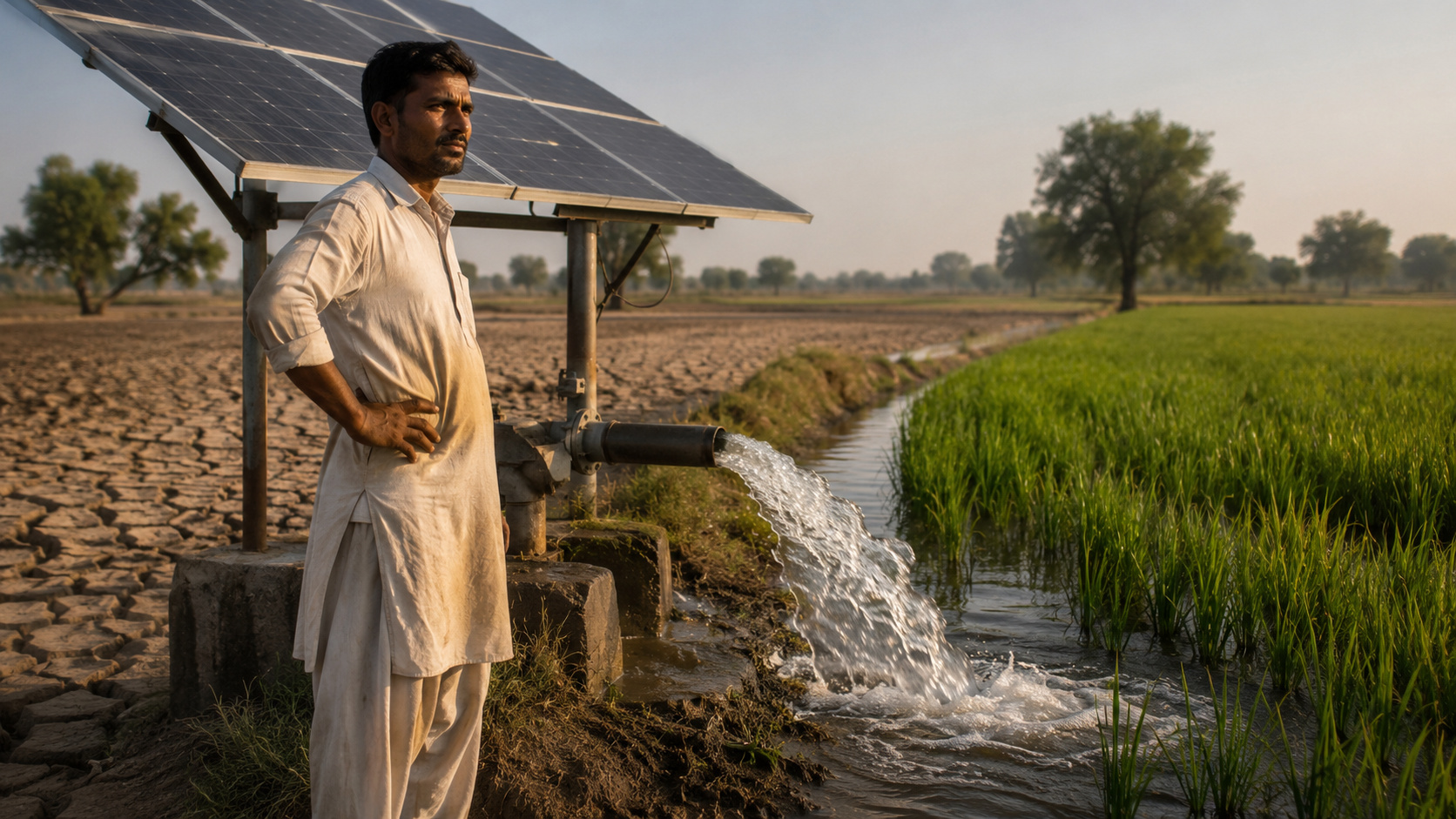
Farmers swapped diesel for solar panels in Pakistan, powered irrigation pumps almost cost-free, expanded rice fields, and now groundwater has become a red alert in the countryside.
-
Migrant workers left the world’s largest renewable energy park in India after extreme heat, 12-hour shifts, delayed wages, and poor accommodations at a site that still promises to supply 18 million homes.

The daily average nearly reached €400 (R$ 2480)/MWh. This is nine times the price of natural gas, an disproportionate figure for an energy mix that, at 5 PM, was divided between 3% hydropower, 8% biomass, 10% wind, 25% gas, and 30% coal.
The peak of €936 (R$ 5800)/MWh triples and even quintuples the highest price recorded in France (with 70% nuclear energy at 5 PM), in Nordic countries (with 90% hydropower), or in Poland (with 65% coal).
The Need for Clean and Transitional Energy
Operators of the German electrical grid faced difficulties meeting demand due to low wind and solar production. This serves as a reminder that renewable energies are intermittent and require investments in storage and alternatives for clean energy. Or, at least, in reliable transitional energy.
The electricity price in Germany has risen 585.23% since the beginning of 2024 in the spot index. The closure of nuclear power plants forced the country to reopen some coal-fired plants. Fortunately, resorting to gas reserves will not be a problem this winter.
With 98% capacity at the beginning of November, German reserves currently hover around 87%, which is sufficient to get through the cold season. This is one less problem to worry about.





-

1 person reacted to this.