





 Portuguese
  English
  Spanish
  5 min of reading
  0 comments


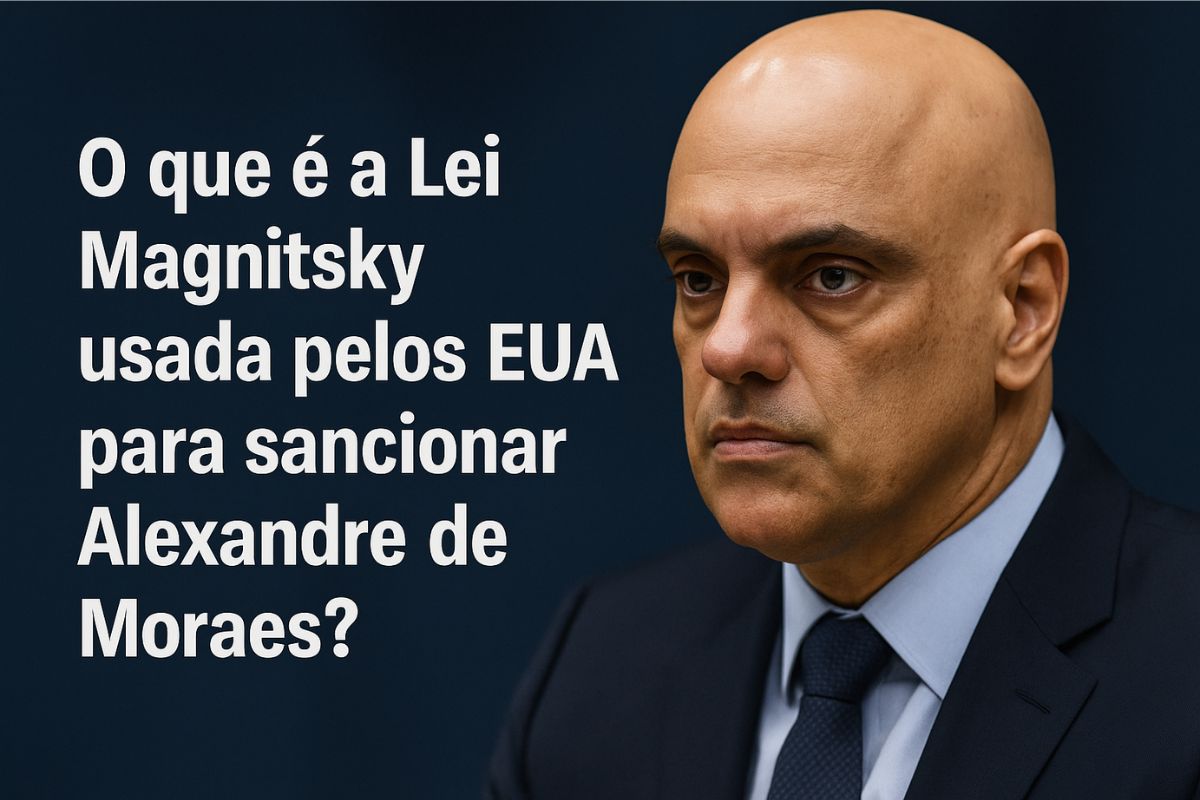
Law Used to Punish Dictators Applied Against Moraes in the U.S. Discover What Lies Behind the Escalation Between Bolsonaro, Trump, and the Brazilian Supreme Court
The U.S. government officially announced on Wednesday (30) the inclusion of Minister Alexandre de Moraes, of the Federal Supreme Court (STF), on the sanctions list under the Global Magnitsky Act. This measure, considered one of the most stringent of U.S. diplomacy, represents the first time a Brazilian authority has been punished based on this legal instrument, originally created to address systematic human rights violations and corruption.
The decision was published by the Office of Foreign Assets Control (OFAC), a part of the U.S. Treasury Department. According to a statement released by the department, Moraes was held responsible for promoting an “oppressive campaign of censorship,” arbitrary arrests, and judicial harassment — including actions against former President Jair Bolsonaro.
“We will continue holding accountable those who threaten U.S. interests and limit fundamental freedoms,” declared Treasury Secretary Scott Bessent in a post on X (formerly Twitter), justifying the measure against the Brazilian minister.
-
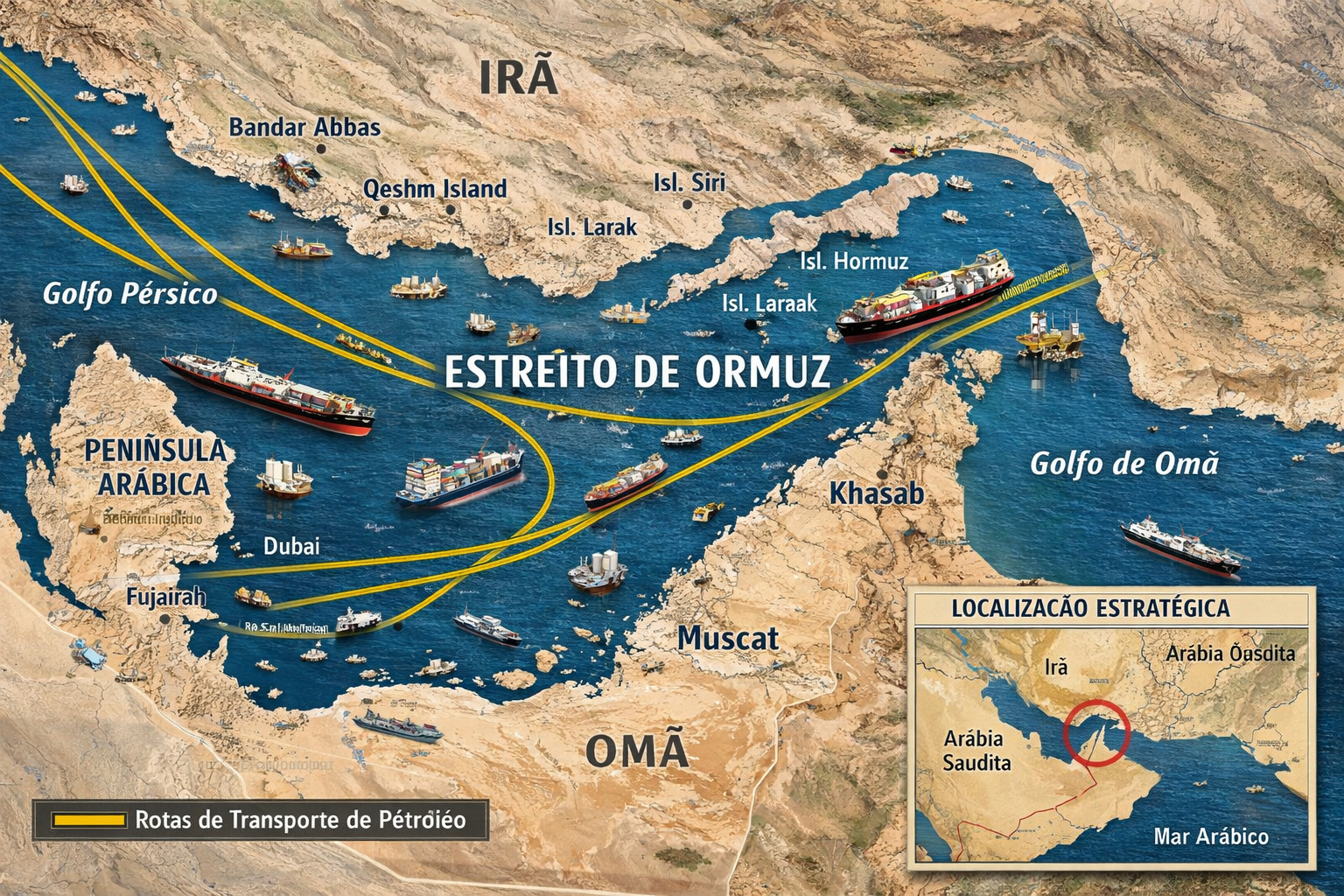
Global summit with over 40 countries pressures Iran for a blockade in the Strait of Hormuz and warns of direct impact on oil, food, and the global economy.
-
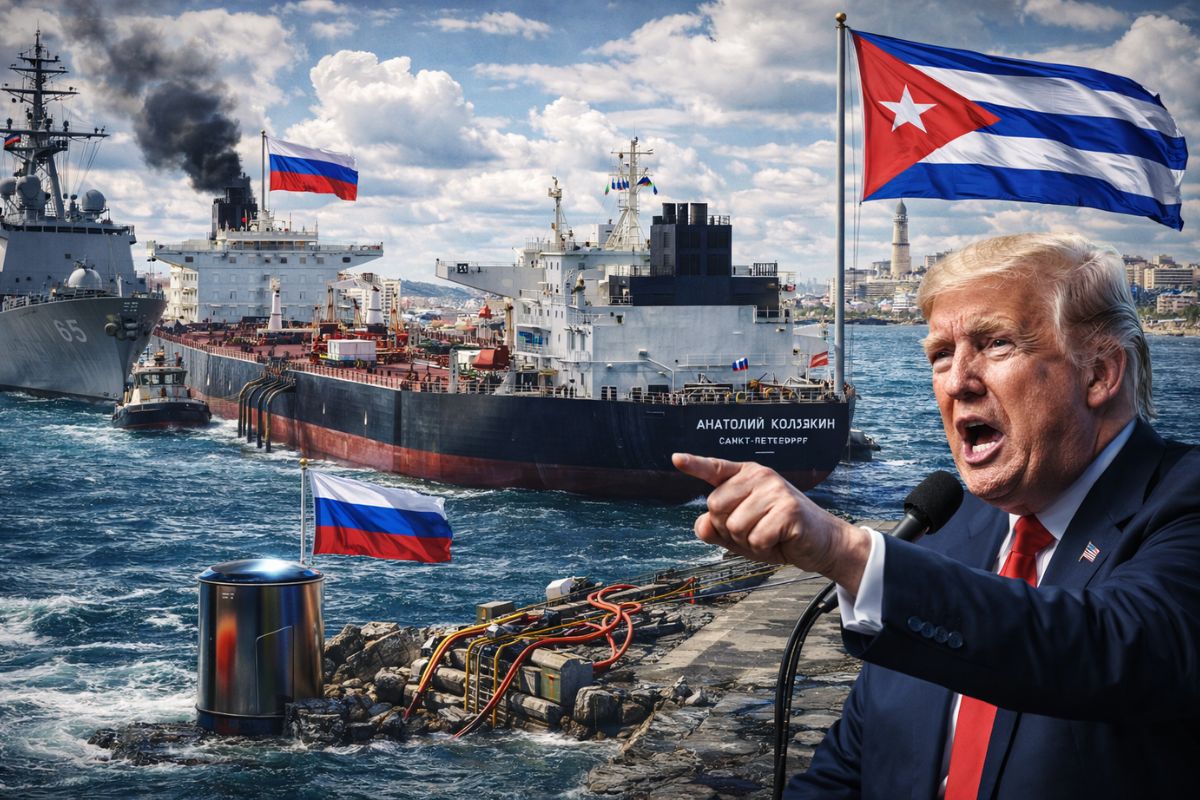
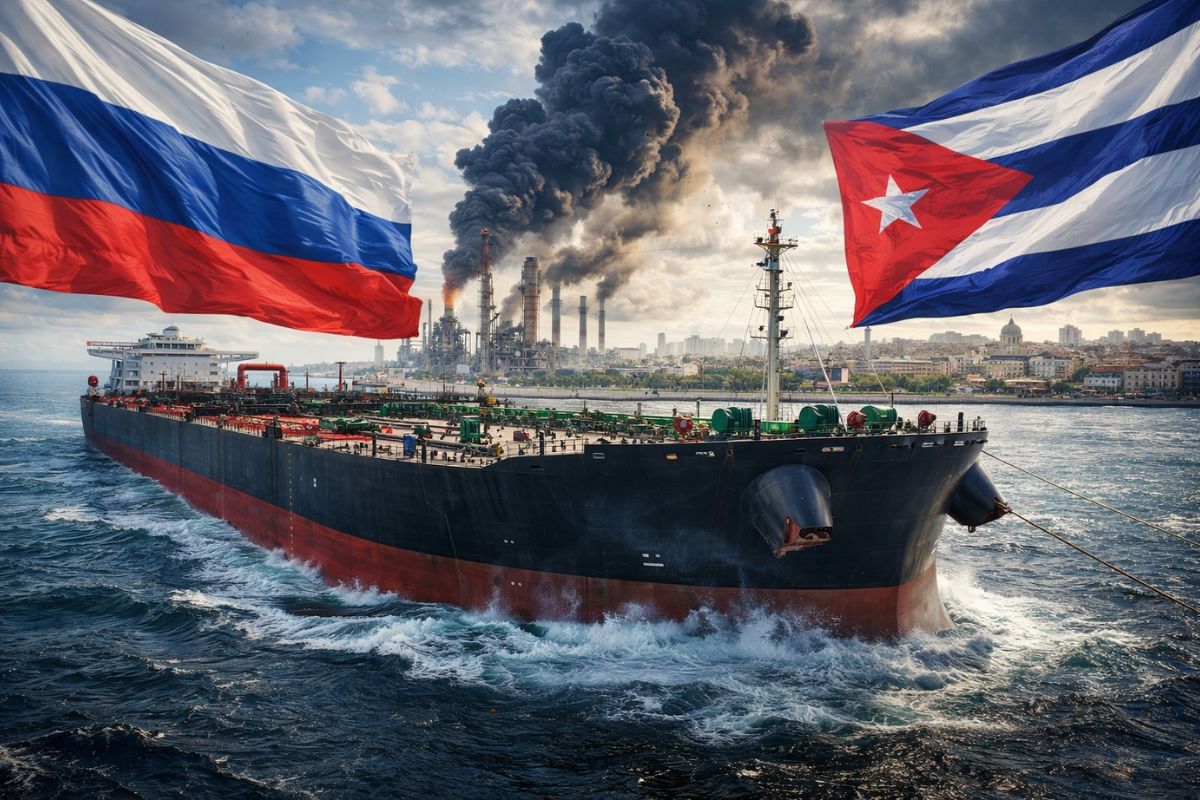
Russia has broken the U.S. maritime blockade to send oil to Cuba and is now loading a second ship while Trump says that “Cuba is next” in a possible military action against the island.
-
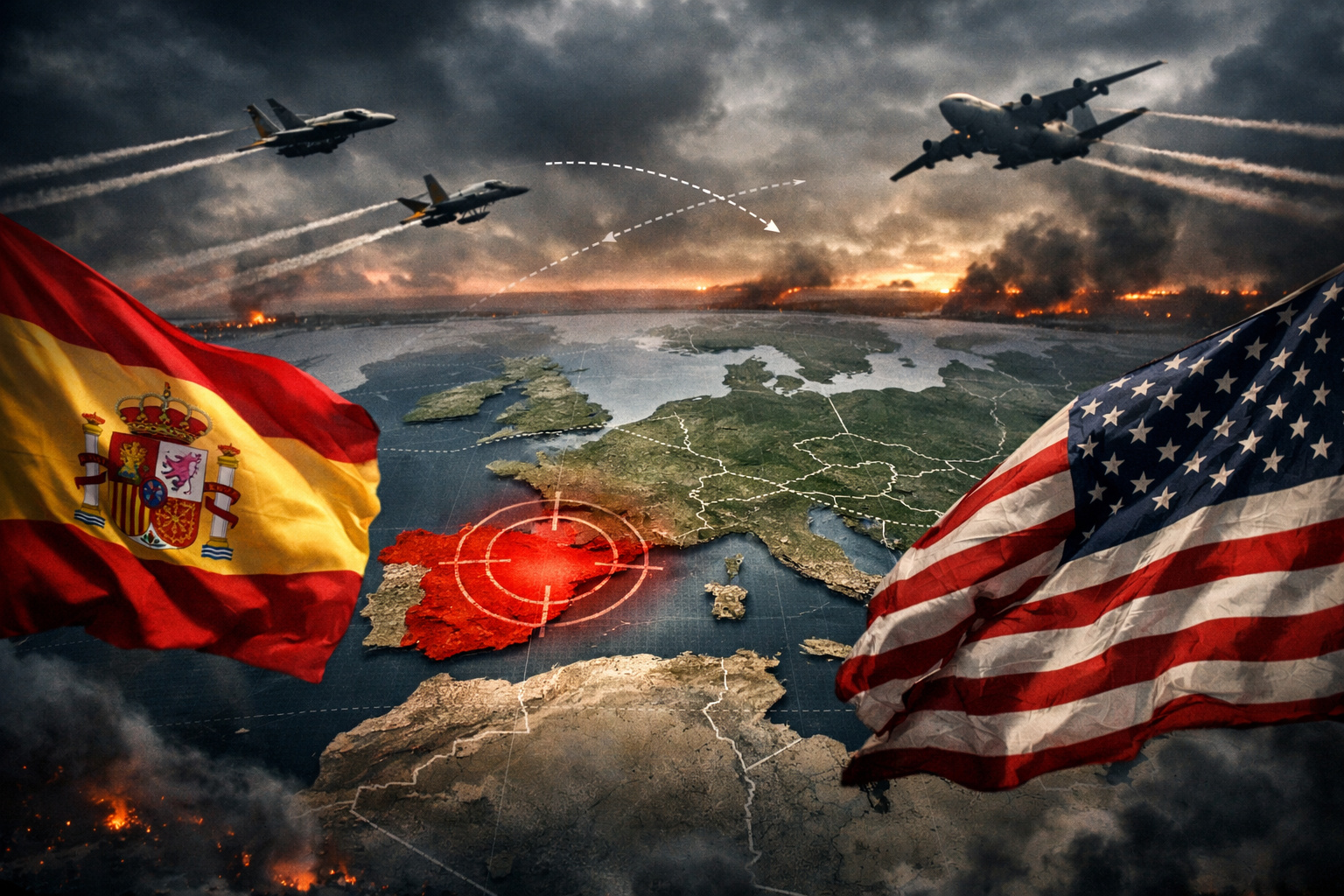
Spain challenges the USA and closes its airspace for operations against Iran, raising global tension and provoking the threat of a trade rupture.
-
While no other country manufactures tanks in Latin America, Argentina activates the TAM 2C-A2 and raises a curiosity about the technological lag in the region.


The Weight of the Global Magnitsky Act
Initially approved in 2012 during Barack Obama’s administration, the Magnitsky Act was inspired by the death of Russian lawyer Sergei Magnitsky, who was mistreated after exposing state corruption. With its expansion in 2016, it became globally applicable and authorizes unilateral sanctions against foreigners accused of human rights violations or acts of corruption.
These punishments include asset freezes, visa suspensions, and bans on entering the U.S., which can be imposed through administrative action without the need for a formal court decision. Judges from Russia, authorities from Turkey, Hong Kong, and Latin American politicians accused of repression and fraud have already been targeted by this legislation.
In the Brazilian case, Moraes’ penalization occurs in an unprecedented and controversial context. Specialized organizations in the U.S., such as Human Rights First, warn that this application of the Magnitsky Act against a Supreme Court judge outside authoritarian regimes is a delicate and potentially dangerous precedent.
International Accord with Support from the Bolsonarist Wing
The sanction is the result of a coordinated political offensive by Republican lawmakers in the U.S., such as Congressman Cory Mills, and by licensed Brazilian Congressman Eduardo Bolsonaro, who currently resides in the U.S. Mills had already formally requested the application of the Magnitsky Act against Moraes in May, during a hearing in the U.S. Congress, when he was supported by Secretary of State Marco Rubio.
In the same vein, Eduardo Bolsonaro publicly celebrated the announcement, stating that the measure represents “an international recognition of the ongoing violations in Brazil” and declared that his “mission is accomplished” since leaving the country.
The gesture was also celebrated by leaders of the Bolsonarist opposition in the National Congress. Congressman Nikolas Ferreira (PL-MG) considered the sanction a “landmark international move against abuses of power.” Meanwhile, Congresswoman Carol de Toni (PL-SC) stated that this is the “toughest American law against censorship and political persecution.” Senator Carlos Portinho (PL-RJ) reinforced the discourse by saying that Brazil is being governed by a “dictatorship in robes.”
Reactions in the Lula Government and the Judiciary
The Brazilian government’s response was immediate and forceful. The Minister of the Attorney General’s Office, Jorge Messias, classified the sanction as “arbitrary and unjustifiable,” stating that Brazil “will not yield to illegitimate pressures” and that the independence of the Judiciary is one of the non-negotiable pillars of Brazilian democracy.
Flávio Dino, a Supreme Court minister and close ally of Moraes, expressed solidarity on social media, emphasizing that his colleague “is merely fulfilling his role honestly and as mandated by the Constitution.” The president of the Workers’ Party, Gleisi Hoffmann, claimed that this is “another chapter of the Bolsonaro family’s betrayal of the country” and labeled the American action as “violent and arrogant.”
Leftist lawmakers reacted with indignation to Eduardo Bolsonaro’s celebration. Congresswoman Sâmia Bomfim (PSOL-SP) questioned: “How far does your father’s thirst for impunity go?” Lindbergh Farias (PT-RJ) declared that the attack “is not only against Moraes but against Brazil’s sovereignty.”
Risk of New Sanctions and Escalation of Tensions
The penalization of Moraes is just one chapter in a series of diplomatic frictions between the Trump government and Brazil. Since early July, Washington has imposed a series of measures against the country: 50% tariffs on Brazilian products, initiation of a trade investigation for “unfair practices,” and the revocation of Moraes’ and his family’s visas.
On Wednesday, Brazilian senators on an official mission in the U.S. revealed that Congress is studying the approval of a law that would impose automatic sanctions on countries that maintain ties with Russia — which would include Brazil. “A worse crisis is coming,” warned Senator Carlos Viana (Podemos-MG) in an interview with CNN.
Conflict with Big Techs and International Offensive
In addition to the political clash, Alexandre de Moraes has been the target of lawsuits and open criticism from figures associated with the global far-right and technology companies. The CEO of the Rumble platform, Chris Pavlovski, thanked Trump and Rubio for the sanctions after Moraes ordered the platform’s blockade in Brazil during investigations against blogger Allan dos Santos.
In February, Donald Trump’s company, Trump Media & Technology Group (TMTG), filed a lawsuit against Moraes in Florida, questioning his authority to interfere in content published on American social media.
Meanwhile, Republican congressmen are drafting a bill called the No Censors on Our Shores Act, which aims to prohibit the entry into the U.S. of foreign officials accused of violating the First Amendment — the clause in the American Constitution that guarantees freedom of speech. The initiative has direct support from Eduardo Bolsonaro, who has been using his social media to intensify pressure on the STF.
Institutional Crisis and Unpredictable Scenario
The sanctioning of one of the main figures of the Federal Supreme Court deepens the tension between powers in Brazil and casts the political clash onto the international stage. The presence of Moraes’ name alongside previously sanctioned authoritarian figures by the U.S. creates an unprecedented rupture in diplomatic relations and paves the way for new developments.
Behind the scenes, there are fears that other Brazilian authorities may be included in the sanctions list, especially due to the ongoing processes against Bolsonaro and his allies. The Lula government is trying to contain the damage and avoid international isolation, while the opposition celebrates the gesture as a “global warning sign.”
This episode marks a critical point in the relationship between Brazil and the United States under Trump’s new leadership, which, throughout July, escalated its tone and made public its dissatisfaction with the direction of Brazilian politics. Amid this turmoil, Moraes finds himself at the center of one of the largest institutional clashes in the country’s recent history.








Seja o primeiro a reagir!