





 Portuguese
  English
  Spanish
 5 min of reading
  2 comments


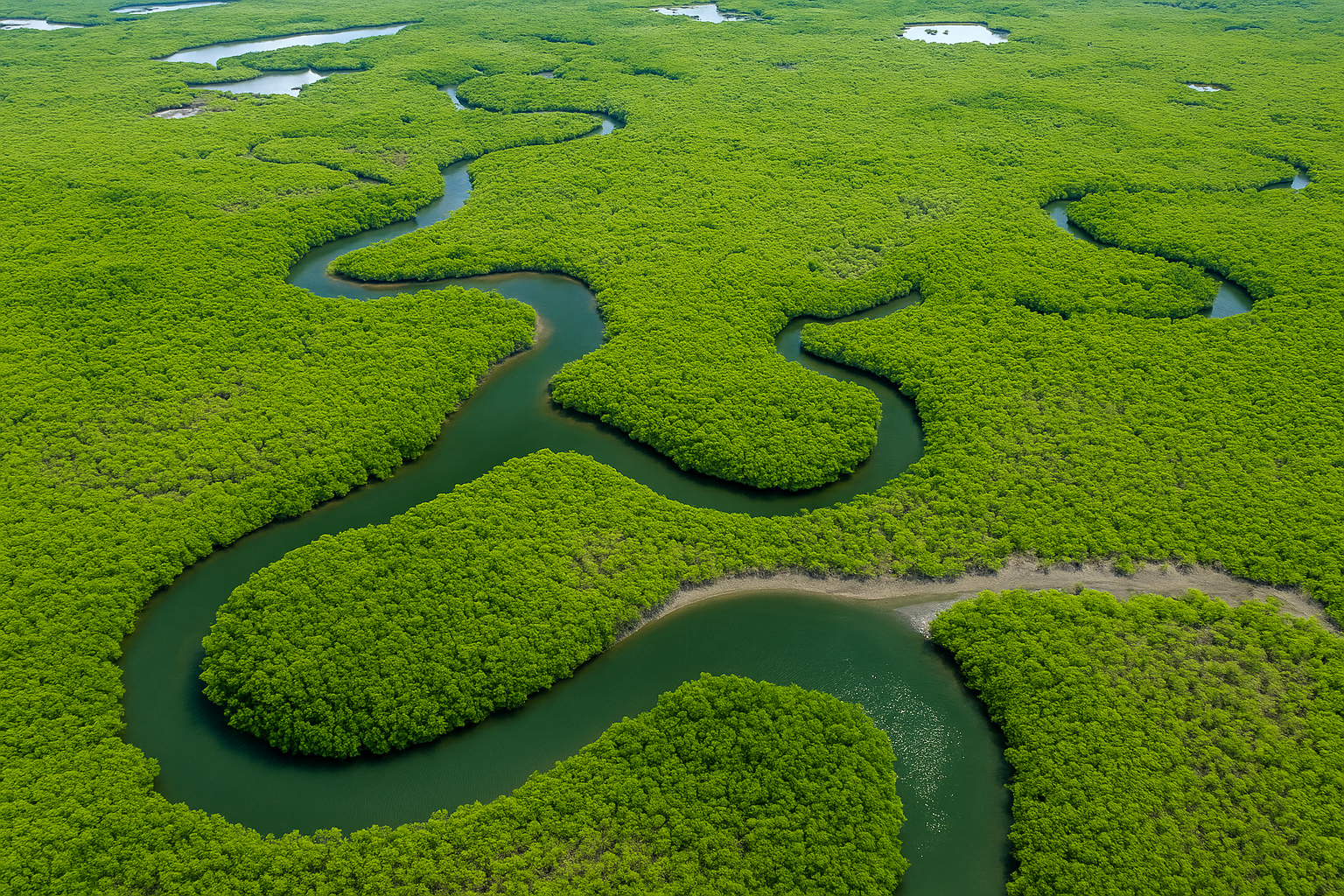


The Amazon River Is The Largest In Volume, Biodiversity, And According To New Measurements, It Is Also The Longest River In The World. It Crosses Three Of Brazil’s Major Biomes And Hides Mysteries That Intrigue Scientists To This Day.
For decades, the Nile River held the title of the longest river on the planet, with its 6,650 km stretching across the African desert. However, recent studies conducted by Brazilian and international scientists revealed that the true champion in length is the Amazon River, measuring approximately 7,062 km, when considering its most remote source, located in the Peruvian Andes. The controversy arose from research conducted between 2007 and 2014, which re-evaluated the river’s starting point in Peru and utilized advanced satellite mapping and high-precision GPS technologies. The National Institute for Space Research (INPE) and the National Institute for Amazon Research (INPA) participated in the surveys.
This new measurement reignited the global geographical debate and positioned the Amazon River as the longest in the world, while also reaffirming its status as the most voluminous in terms of water discharge and biodiversity.
The Amazon River: A Colossus of Nature
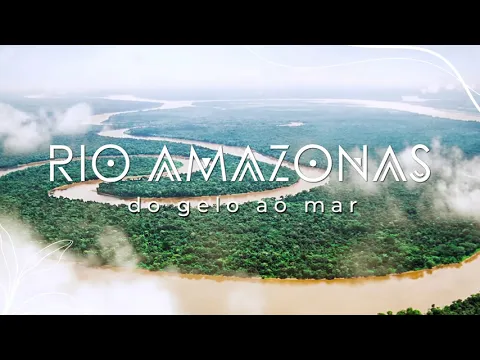

The Amazon River originates in the Andes Mountains and flows through three main countries: Peru, Colombia, and Brazil, until it empties into the Atlantic Ocean, on Brazil’s northern coast. Within Brazilian territory, the river flows around 3,800 km, cutting through vast regions of the Legal Amazon and passing through states such as Amazonas, Pará, and Amapá.
-
Goodbye iron: new technology from Xiaomi promises to revolutionize the way we iron clothes with 500 kPa steam, continuous flow of 120 g/min, heating in 65 seconds, and six smart modes for different fabrics.

-
Rio Pardo, the most mysterious city in Rio Grande do Sul: untouched Pampas castle, the missing treasure of the Devil Boy, bride’s saint, invisible tunnels, and a 200-year curse today.
-
China retires the J-7 fighter after years of military protection and can now transform military items into drones, following more than 60 years of operation of the J-7, derived from the MiG-21, with thousands of units produced and strategic use in the PLAAF and PLANAF.

-
Volunteers are sought to live in the mountains for a month: a study pays people to stay at 2,500 meters, with 24-hour monitoring of sleep, metabolism, and blood pressure.


Its average discharge is 209,000 m³ per second, which accounts for about 20% of the freshwater discharged into the oceans worldwide. The Amazon River is home to over 2,000 known species of fish (with hundreds still being described), as well as dolphins, caimans, freshwater rays, and numerous endemic species.
Crossing Three Brazilian Biomes – Amazon River: Amazon, Cerrado, And Pantanal
The Amazon River is not only important for its size and volume. It plays a vital role in the interconnection of Brazil’s main biomes:
1. Amazon
The largest tropical rainforest in the world is directly irrigated by the Amazon and its tributaries. The climate, rainfall cycle, and nutrient transport in the region depend on its dynamics.
2. Cerrado
Some of the Amazon’s tributaries, such as the Tocantins and Xingu, originate from or cross the Cerrado biome. This shows the ecological link between the humid tropical forests and the dry fields of Central Brazil.
3. Pantanal
Though farther from the main Amazon basin, there are indirect connections between the headwaters of the Amazon and the Pantanal, mainly through watersheds and interconnected underground aquifers.
These interactions demonstrate that the Amazon River serves as a water backbone of the South American continent, influencing ecosystems far beyond the visible margins of its main course.
Scientific Secrets That The Amazon Still Holds
Despite being one of the most studied rivers in the world, the Amazon River is still a mystery in many aspects, making it a fascinating field of research for scientists from various disciplines.
Subterranean Rivers
In 2011, researchers from the INPA discovered the existence of a subterranean river parallel to the Amazon, informally called the Hamza River. It flows about 4,000 meters deep and is believed to have a length similar to that of the Amazon, although with a much lower discharge. Its existence was confirmed through drilling conducted by Petrobras.
Riverbed Still Poorly Mapped
Unlike rivers in Europe and North America, the bed of the Amazon is little explored in depth, due to logistical challenges and forest density. It is known that there are deep channels, abyssal species, and unique geological formations.
True Source
For years, it was believed that the source of the Amazon River was at Nevado Mismi, in Peru. Today, many scholars indicate that it may be in an even more distant tributary, such as the Mantaro River. This issue is still being debated in the scientific community.
Nutrient Cycle And “Flying Rivers”
The Amazon not only transports water on land but also releases billions of liters per day into the atmosphere, feeding the so-called “flying rivers”, which are vapor masses that travel to the Southeast and South of Brazil, influencing rainfall in those regions.
Economic, Cultural And Ecological Importance
The Amazon River is vital for millions of Brazilians. It supplies entire cities, serves as a transport route for riverside communities, and drives the economy of fishing, tourism, and navigation.
Moreover, it represents an immeasurable cultural heritage for indigenous peoples and traditional communities. For many, the river is not just a resource, but a living entity, with spirit, history, and ancestral wisdom.
Challenges And Threats: The Largest River In The World At Risk
Despite its grandeur, the Amazon River faces numerous threats, such as:
- Deforestation: the loss of vegetation cover affects rainfall patterns and increases river sedimentation.
- Illegal Mining: besides polluting with mercury, it impacts aquatic life and contaminates human populations.
- Climate Change: changes in rainfall patterns may reduce the river’s discharge and impact biodiversity.
- Dams And Hydroelectric Plants: infrastructure projects can disrupt the natural flow of sediments and hinder fish migration.
Preserving the longest river in the world depends on public policies, international cooperation, and environmental education.
Curiosities About The Amazon River
- The Amazon River Is Wider Than The State Of São Paulo in some stretches during the flood season.
- At its mouth, the river is so powerful that the freshwater pushes over 150 km into the sea, altering the ocean’s salinity.
- The phenomenon of “pororoca”, a wave that invades the river from the sea, occurs at various points along the Amazon and is studied by physicists and surfers.
- The Solimões River in Brazil is considered the upper part of the Amazon River until it meets the Negro River in Manaus.
Brazil Houses The Largest River On The Planet
The Amazon River is not only the most voluminous — it is increasingly recognized as the longest in the world, surpassing even the traditionally exalted Nile River. It crosses three of Brazil’s major biomes, is home to thousands of unique species, serves as an economic and cultural vein for millions of people and still holds geological and biological secrets that challenge science.
The Longest River In The World is not just on the maps. It pulses in the heart of the largest tropical rainforest on the planet — and belongs to Brazil. Preserving it is more than a national duty: it is a commitment to the future of humanity.









Por isso devemos de preservar essa maravilha da natureza que além de enorme em águas e tamanho ele é um meio de sustento para todos.
O Rio máximas é uma potência mundial.