





 Portuguese
  English
  Spanish
 4 min of reading
  0 comments


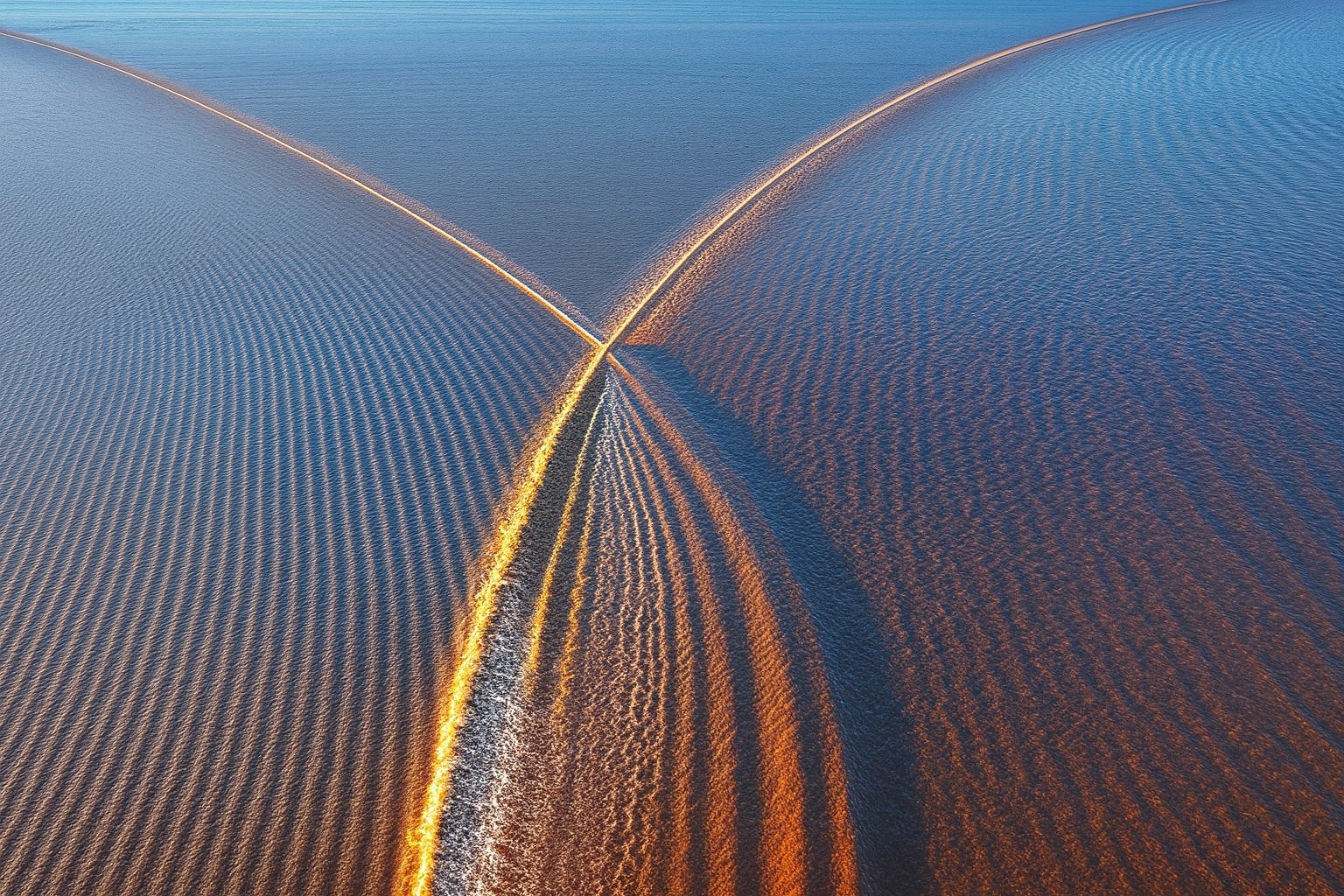
The Phenomenon of Pororoca Makes the Araguari River in Amapá Run Backwards, Creating Waves of Up to 4 Meters That Travel 30 Km and Produce a Thundering Sound Heard 10 Km Away — a Unique Natural Spectacle in Brazil.
In the heart of the Brazilian Amazon, a natural phenomenon defies logic and intrigues scientists from around the world: a river that, for a few hours, runs backwards. This spectacle occurs when the meeting between the Atlantic Ocean and the Araguari River, in Amapá, gives rise to the famous pororoca, a giant tidal wave that violently pushes up the river’s course, reversing the direction of the waters and producing a thundering sound that can be heard from kilometers away.
A Meeting Between the River and the Sea That Challenges Nature
The Araguari River originates in the Tumucumaque Mountains and travels 617 kilometers until it flows into the Atlantic, near the municipality of Cutias, in Amapá. During the phases of full moon and new moon, the gravitational force of the Sun and the Moon raises the sea level and pushes large volumes of water back inland.


The result is the formation of a wave up to 4 meters high, which can advance more than 30 kilometers upstream, completely inverting the flow of the waters.
-
These are the drivers who may stop paying tolls on highways in a project that promises to reduce costs for those who live from transportation in Brazil.

-
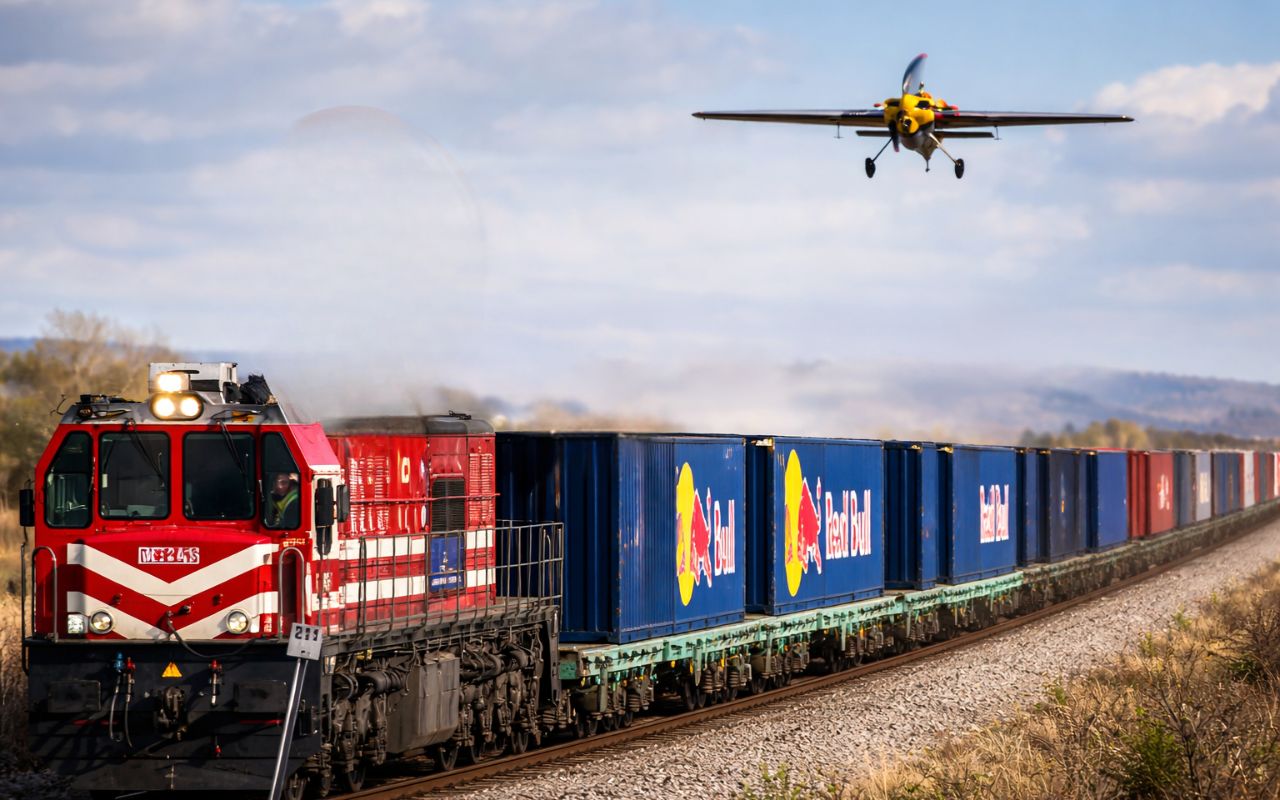
(Video): Italian pilot lands plane on moving train at 120 km/h and achieves unprecedented feat in aviation, even with a narrow runway and without direct visual contact.
-
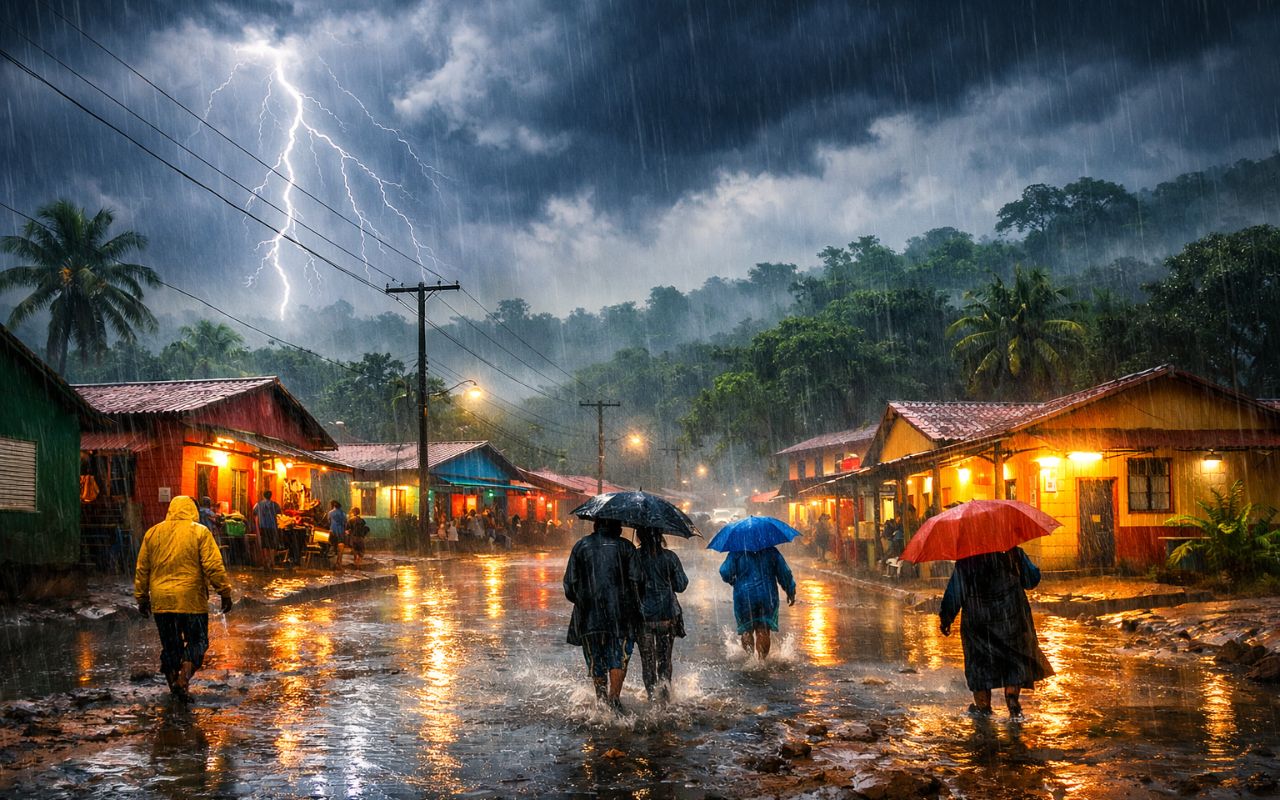
It seems to have come out of a science fiction movie: A Brazilian city where it rains almost every day, recording over 4,000 mm per year, driven by climatic factors — a direct result of its strategic location in the Amazon.
-
The water crisis that could change everything this year has already begun; it’s not just about the climate, it affects technology, raises product prices, and can halt entire companies without warning.


The sound of this clash between river and ocean is so loud that, according to records from the National Water Agency (ANA), it can be heard over 10 kilometers away, justifying the indigenous name “pororoca”, which in Tupi means “the roar that destroys”.
The Spectacle That Turned Into Legend and Natural Laboratory
For decades, pororoca was treated as a regional myth until it began to be systematically studied by researchers from the Federal University of Amapá (UNIFAP) and the National Institute for Space Research (INPE).
Studies revealed that the wave is caused by a complex combination of atmospheric pressure, tide, river topography, and current speed — a delicate balance that any environmental change can drastically alter.
Besides the Araguari River, other rivers in the region, such as the Amazon and the Mearim (in Maranhão), also record smaller versions of the phenomenon. But the Araguari was, for a long time, the most famous for having the highest and most constant waves.
A Spectacle That Attracts Surfers and Scientists
In the 2000s, the phenomenon gained international fame and turned Amapá into a pilgrimage point for surfers from around the world. Champions like Brazilian Picuruta Salazar surfed for over 12 uninterrupted kilometers on a single wave — a world record.
The event also began to be monitored by researchers from NASA and European universities, interested in understanding how the movement of the pororoca can help comprehend coastal and erosive dynamics in large river deltas.
The Environmental Impact and the Disappearance of the Phenomenon
However, what was once an annual spectacle has become increasingly rare. Since 2014, satellite images from INPE have shown that the Araguari has ceased to display significant pororocas, primarily after the expansion of cattle ranching and the channeling of part of the river for water drainage.
These changes have reduced the natural strength of the current and altered the topography of the mouth, diminishing the river’s resistance to the sea’s advance. Today, the pororoca has practically disappeared from the Araguari, but the phenomenon still occurs, with lesser intensity, in rivers like Guamá (PA) and Mearim (MA).
A Natural Force That Marked Amazonian Culture
Even with its decline, the pororoca remains alive in the Amazonian imagination. It has inspired films, songs, and festivals, becoming a symbol of the power of nature and the relationship between man and river.
Old residents of Amapá report that, before the arrival of the tides, the sound of the wave echoed through the forest like distant thunder, scaring animals and overturning small boats.
Today, the term “pororoca” is popularly used to describe any violent meeting of waters, but for the people of Amapá, it represents much more — a spectacle that united respect, fear, and admiration for one of the most impressive phenomena on the planet.
The Science Behind the Spectacle
According to oceanographer Antonio Cordeiro from UNIFAP, the phenomenon is a classic example of tidal bore, meaning the sea’s invasion over a narrow, shallow river. The force of the wave is determined by the pressure difference between the ocean and the continental interior.
Researcher Luiz Paulo Collares from INPE highlights that the study of pororoca has helped understand erosion processes and sediment transport on Brazil’s northern coast — regions where the sea advances up to 10 kilometers per year onto the continent.
Today, Amapá is seeking sustainable ways to revitalize the Araguari River’s course and recover part of its natural strength. Environmental projects attempt to control siltation and encourage eco-tourism, restoring the symbolic value of pororoca as a natural heritage.
The phenomenon may have lost some of its strength, but its memory remains alive. The river may not “run backwards” with the same intensity as before, but its story echoes as one of the greatest proofs of the grandeur and unpredictability of the Amazon.






-

-

-

-

-

-

282 pessoas reagiram a isso.