






 Portuguese


Transmission capacity in the Northeast has reached zero for the new generation projects analyzed by the ONS, leaving a queue of 8.57 GW in already pressured corridors, although 223 exit requests may alter the considered occupancy in upcoming rounds.
This diagnosis is part of the first Access Season for 2026, a mechanism that gathers connection requests to analyze the permanent use of the Basic Network in a coordinated manner.
The technical note from the National Electric System Operator indicates that energy export limits are reached precisely in scenarios of higher renewable production.
The registered projects in the Northeast aiming for the 2031 horizon total around 8.57 GW. Bahia accounts for the largest share, with approximately 4.66 GW.
-
Búzios Field Exceeds 10 Million Cubic Meters of Gas Per Day, Reaches 14.1 Million with CO₂ Membrane Replacement

-
Trafigura debuts in Brazil’s free energy market with a R$ 750 million contract to purchase electricity from CGN.

-
Brazilian Energy Auction Secures $4.6 Billion in Projects to Enhance Power Grid and Prevent System Bottlenecks, Achieving an Average Discount of 51.58%
-
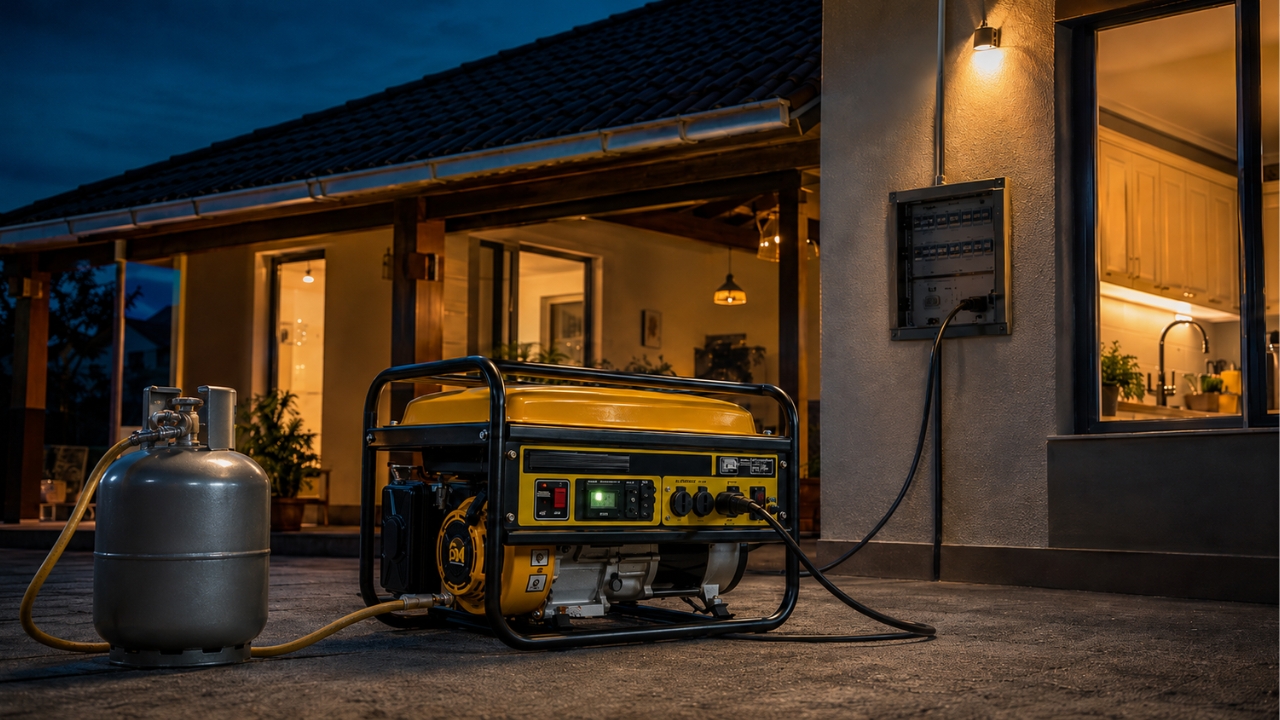
Gas-powered generator reignites emergency energy debate in Brazil, offering night and rain operation without open roof, as solar with battery can exceed $7,500 installed.


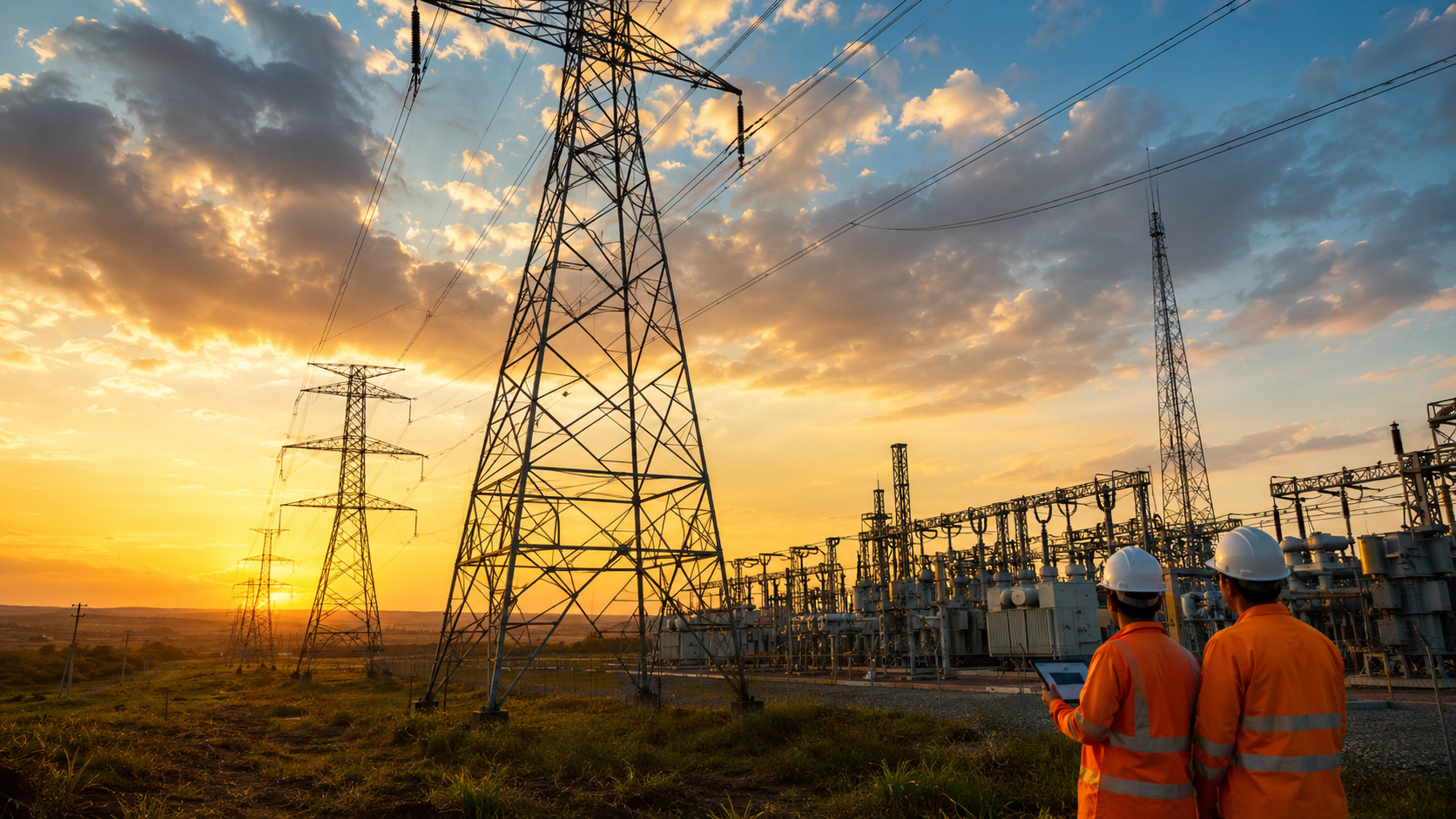
Despite the requested volume, the assessed reservoirs show a remaining capacity equal to zero. This does not indicate a lack of plants or energy resources, but rather an absence of safe space to evacuate additional generation under simulated conditions.

Transmission Capacity in the Northeast Hits Energy Export Limitations
According to the ONS technical note, the main limiting factors are tied to the Northeast’s exports and the joint export from the North and Northeast regions.
During the day, wind farms, centralized solar plants, distributed micro and mini generation, and other sources produce simultaneously. The surplus pressures the interconnections that transfer energy to the Southeast and Midwest regions.
At night, the configuration changes. Without the same solar output, the corridors find more favorable conditions, but this hourly relief does not resolve the need of a plant that requires permanent access.
This contrast explains why the problem is systemic. The analysis does not look at just one wire or one isolated substation. It tests the combined behavior of generation, consumption, and interchange between regions.
The Access Season was created to compare requests that compete for the same infrastructure. When demand exceeds capacity, the process may require competition for available connection points.
In the analyzed northeastern case, the initial result is harsher: zero remaining capacity at the points linked to the new generation projects considered.
This particularly impacts renewable projects that plan to sell energy to distant consumer centers. Without a connection capable of transporting production, the natural resource does not convert into physical delivery to the market.
The bottleneck also appears as already connected plants experience generation cuts, known in the sector as curtailment. The ONS emphasizes that these cuts cannot be treated as free capacity.
Using curtailed energy as space for new connections would mean accepting more projects by increasing or redistributing restrictions imposed on those already using the network.
This distinction is important. A reduced flow due to operational order does not equate to available structural margin. It can very well be the signal that the corridor has reached its limit.

Exception of 633 MW Serves Plants Aimed at Peak Hours
The blockage does not apply in the same way to the winners of the 2026 Capacity Reserve Auction. The analysis found room for four access points totaling approximately 633 MW.
The projects are Rio Largo II in Alagoas; Camaçari IV and Polo in Bahia; Suape II in Pernambuco; and Açu II in Rio Grande do Norte.
These plants are associated with peak demand, predominantly during nighttime hours. Therefore, ONS evaluates access in specific dispatch scenarios, different from concurrent renewable production during the day.
The exception does not contradict the general diagnosis. It demonstrates that location, operating hours, and role in the system alter the pressure exerted by each facility on the transmission.
Looking at it this way, two projects with the same capacity can have quite different effects. One injects energy when the corridor is saturated; the other operates when the load increases and solar generation has dropped.
The queue considered by ONS can also change. The study maintained projects that already possess Transmission System Usage Contracts, including those that requested adherence to the amicable termination mechanism.
A total of 223 termination requests have been received, still pending completion at the National Electric Energy Agency. If some of these are realized, the occupancy used in future analyses could decrease.
Therefore, there is no guarantee that the 8.57 GW will remain blocked forever. There is also no assurance that all exits will open equivalent space since the network responds to the position and profile of each connection.
The published result serves to support the Preliminary Access Diagnoses and, later, the possible signing of transmission usage contracts by the agents who advance.
For investors, the document places the connection at the center of the decision. Land, wind, sun, and permits are not enough when the energy produced cannot find an available corridor to the market.
For public planning, the queue reveals where new lines, reinforcements, or operational changes will have the greatest effect. However, transmission works require design, licensing, contracting, and implementation time.
The zero capacity is a technical snapshot of the first quarter of 2026. The 223 terminations could reshape part of it, but the volume of requests indicates that the challenge is greater than a single registration review.
The note also separates generation and consumption requests since a new load can alleviate or exacerbate flows depending on the point and time. The joint analysis avoids reserving capacity by looking at each facility in isolation.
If the dispute over a point continues after the reviews, the policy provides for a competitive process. Before that, ONS publishes the quantities so that agents are aware of the margins and limiting factors identified.
The signal for renewable expansion is clear: new parks need to emerge alongside transmission, storage, or regional demand. Simply adding generation in an exporting area extends the queue without resolving the outflow.
Should Brazil accelerate new lines before allowing more renewable generation in the Northeast?


