
For those seeking emergency power at home, the gas generator appears as a lower initial cost alternative compared to solar systems with batteries, especially when considering installation, labor, inverter, storage, and use during blackouts.
The bill changes everything.
When the power goes out in the middle of the night, it doesn’t matter if the previous day was sunny. The refrigerator stops, the gate locks, the internet disappears, and the whole house discovers a difference that many people ignore: a common solar system is not necessarily synonymous with power during a blackout.
To keep the residence running without the utility grid, the conversation changes in terms of price. It’s not enough to have panels on the roof. It’s necessary to invert the system logic, include batteries, adjust the installation, and prepare the house to operate in a hybrid or off-grid manner.
-
Itaipu Dam Stuns Visitors with First Spillway Opening in 2026, Showcasing the Power of Water Once Again

-
USP researcher creates thesis to attract international funds for the country’s electric energy sector
-
Trafigura receives authorization from ANEEL to trade electricity in Brazil and expands its operations in the largest energy market in Latin America.
-
Mobile solar panels promised to share space with corn crops, but the 20% to 25% shade reduced production by an average of 7.7% and opened a new dispute between energy and food.


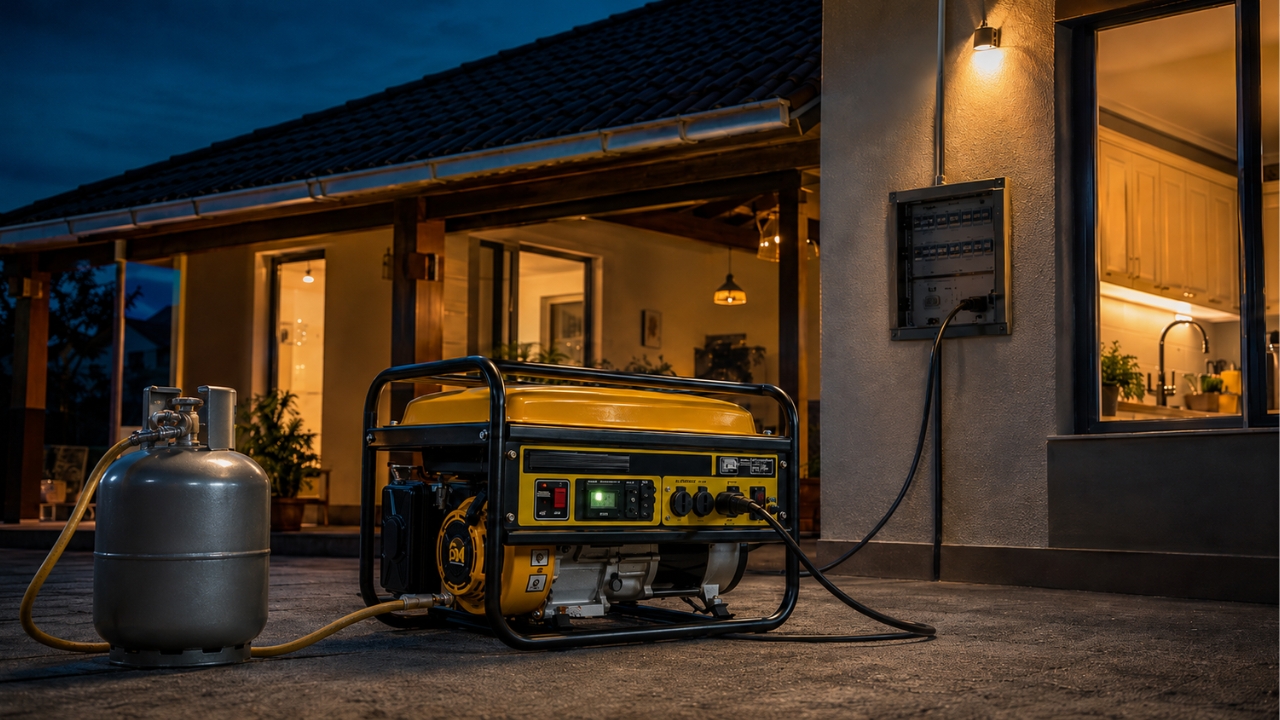
It’s at this point that a gas generator starts to gain ground in the comparison. A flex model of 8 kVA powered by LPG, CNG, and gasoline appears for R$ 7,740. Meanwhile, solar kits with lithium batteries found on the market start at R$ 12,989 and go up to R$ 28,109 before adding all the installation adjustments.
The blackout reveals the hidden cost of solar
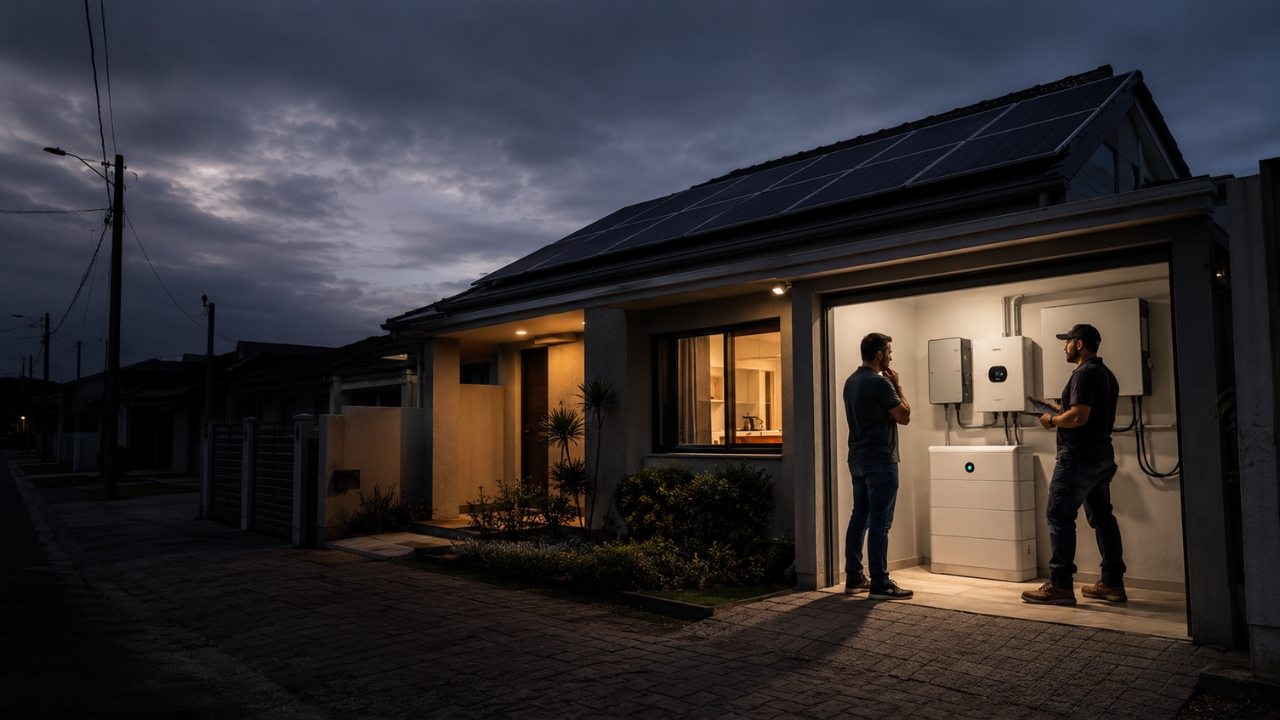
Residential solar energy gained traction because it reduces the electricity bill. But when the goal is to face blackouts, the system needs a battery. And the battery is precisely the part that changes the budget.
NeoSolar lists off-grid kits with lithium batteries in ranges like R$ 12,989, R$ 20,029, and R$ 28,109, depending on power, inverter, and storage capacity. These values show the size of the entry barrier for those who not only want to generate energy but also keep the house running when the grid fails.
The installation also weighs in. According to a survey by Trice Brasil on labor for solar energy in 2026, a complete residential installation of up to 5 kWp can range from R$ 4,000 to R$ 7,000, while technical project and approval appear between R$ 1,500 and R$ 3,000. Portal Solar also points out that the technical installation, including approval, engineering project, and physical fixation, can represent about 25% to 35% of the total project value.
In practice, a solar system with a battery can start from something close to R$ 16,989 and exceed R$ 38,000 installed, depending on the configuration.
The generator doesn’t try to zero the bill
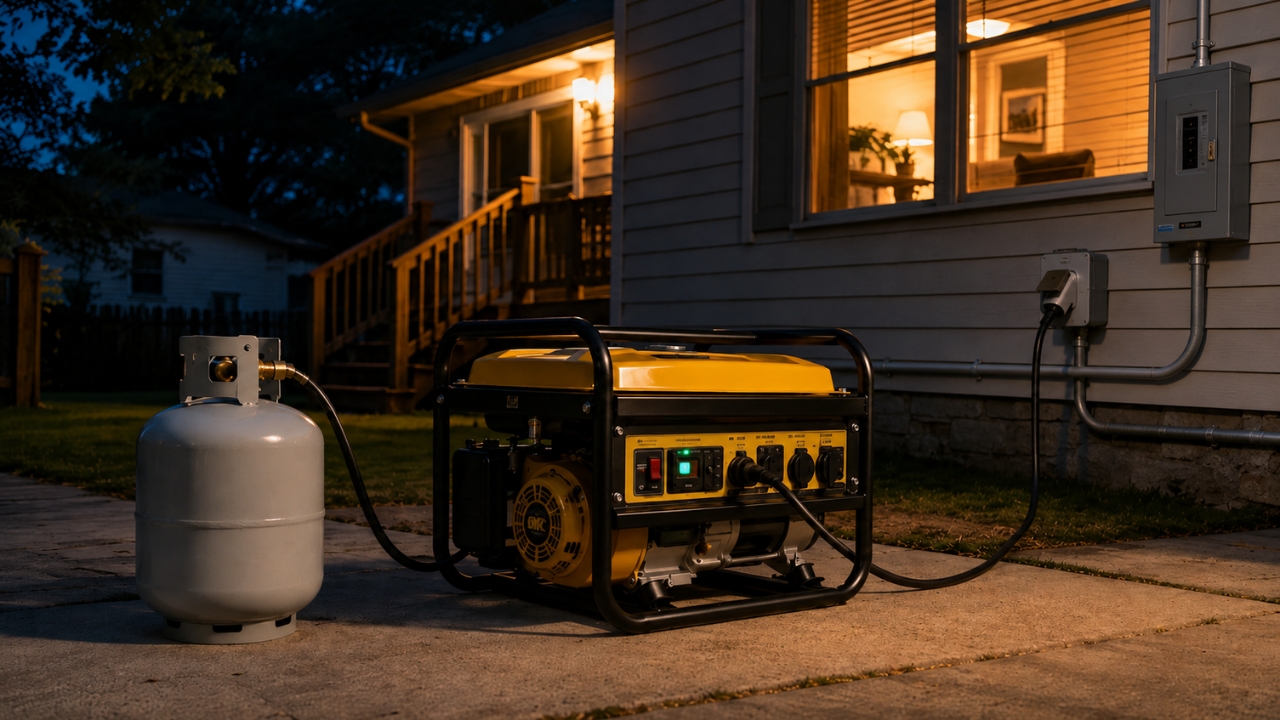
The generator plays a different game. It was not made to replace solar energy for years nor to reduce the bill every month. Its strength lies in emergency use: turning on when the grid goes down, sustaining essential loads, and operating independently of the weather.
According to Energy Work, the professional installation of a residential generator can range from R$ 2 thousand to R$ 10 thousand, considering electrical infrastructure, cabling, grounding, and transfer panel. Adding this range to the R$ 7,740 generator, the estimated initial cost would be between R$ 9,740 and R$ 17,740.
The difference is what draws attention. Even when installed, the generator can cost less than many solar kits with battery even before including all the labor of the photovoltaic system.
The cylinder helps, but it has limits
GLP is the same cooking gas used in millions of Brazilian homes. Data from ANP consolidated by Petrobras shows that the P13 cylinder, of 13 kg, had a national average price of R$ 114.66 between June 28 and July 4, 2026.
This number allows the comparison to be made concrete. The fuel is stored in the cylinder itself or in larger cylinders, without relying on a lithium battery to store energy.
But there is an important technical limit. In a test cited in a document from ANP and Sindigás, a 7 kW generator ran for 1h39min with a single P13 and shut down due to lack of pressure. The container even formed ice at the bottom.
In other words, it’s not enough to connect any generator to the kitchen cylinder. For larger loads or prolonged use, a GLP center, correct regulators, suitable cylinders, and professional installation are required.
Cheaper at the start, not in all uses


The cost of fuel also prevents a simplistic conclusion. With the P13 at R$ 114.66, each kilo of GLP costs about R$ 8.82. Considering an approximate consumption between 0.37 kg and 0.40 kg per kWh generated, the energy could cost between R$ 3.25 and R$ 3.53 per kWh just in fuel.
This makes the generator strong for emergencies, but less interesting as a main source for many hours every day. Additionally, Law No. 15,348/2026 amended the wording on the use of LPG in engines, specifically addressing automotive use in disagreement with standards. Even so, any installation with LPG requires technical attention, ventilation, and safety.
In the end, the dispute is not just between gas and sun. The real question is how much it costs to have energy when the grid fails. To save every month, solar remains advantageous in the long term. But, to face blackouts with a lower initial cost, without relying on the weather and without buying expensive batteries, the gas generator appears as an alternative hard to ignore.