Portuguese
  Spanish


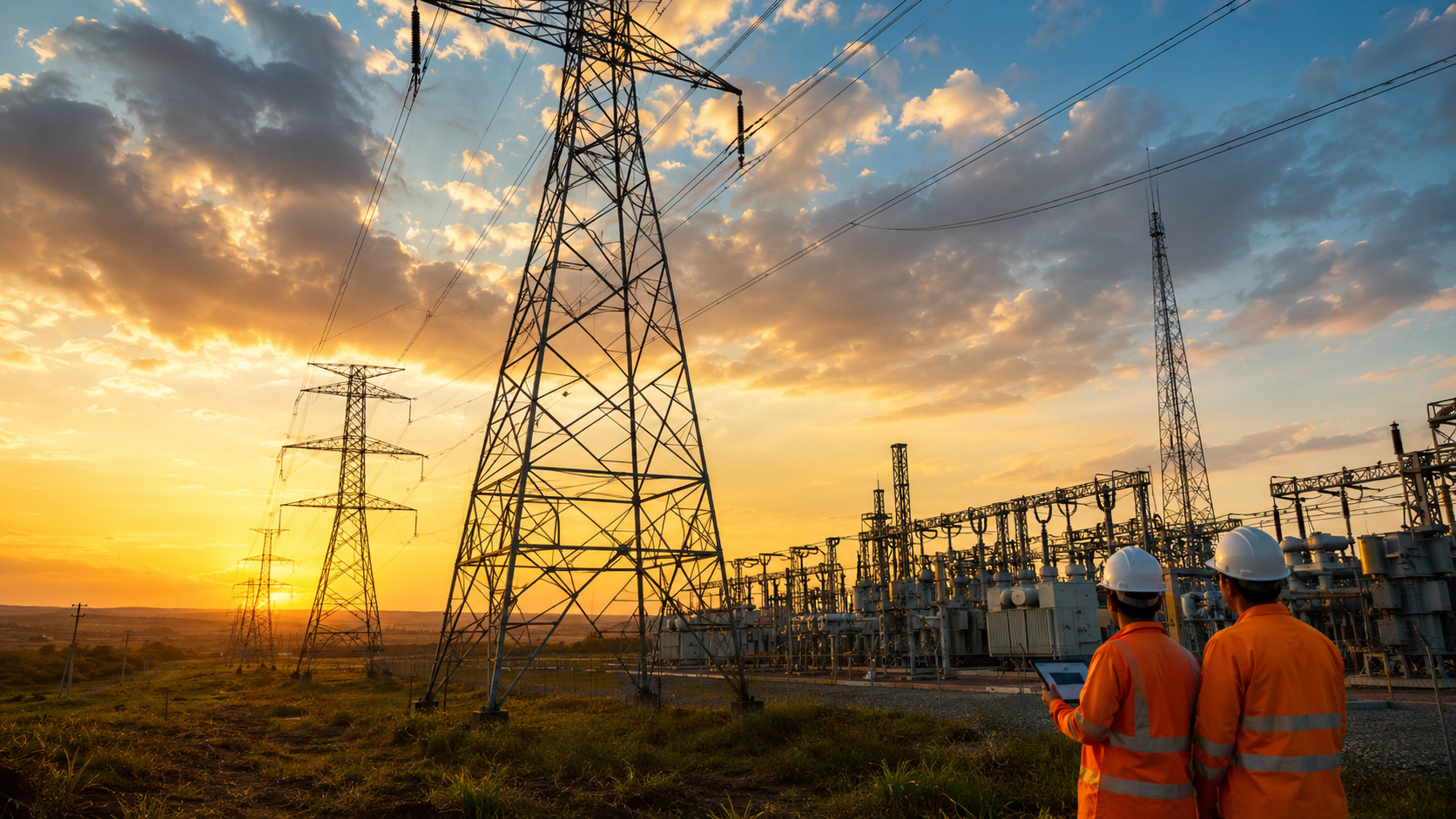

The second stage of Transmission Auction No. 1/2026 closed with all lots contracted, R$ 1.8 billion in investments and an average discount of 53.21%, in a dispute that strengthens the electrical grid in strategic points of the country.
Transmission Auction No. 1/2026 ended this Friday, July 3, with all lots of the second stage contracted and a package that strengthens the electrical network in strategic areas of the country. The dispute, held at B3 in São Paulo, closed with an average discount of 53.21% in this phase and consolidated an important movement to expand energy flow capacity and alleviate system bottlenecks.
According to megawhat uol, this Friday’s stage involved lots 7 to 10, with investments estimated at R$ 1.8 billion, 61 kilometers of transmission lines, and 2,400 MVA in transformation capacity. In the end, Axia Energia Sul took three of the four lots, while lot 7 went to Consórcio Olympus XX, from Alupar.
With the sum of the two sessions of the auction, the auction has already contracted R$ 4.654 billion in investments and achieved a consolidated average discount of 51.58%. In practice, the result closes a round that had been divided since March and unlocks important works for Brazilian electrical infrastructure.
-
Gas-powered generator reignites emergency energy debate in Brazil, offering night and rain operation without open roof, as solar with battery can exceed $7,500 installed.

-
Itaipu Dam Stuns Visitors with First Spillway Opening in 2026, Showcasing the Power of Water Once Again

-
USP researcher creates thesis to attract international funds for the country’s electric energy sector
-
Trafigura receives authorization from ANEEL to trade electricity in Brazil and expands its operations in the largest energy market in Latin America.
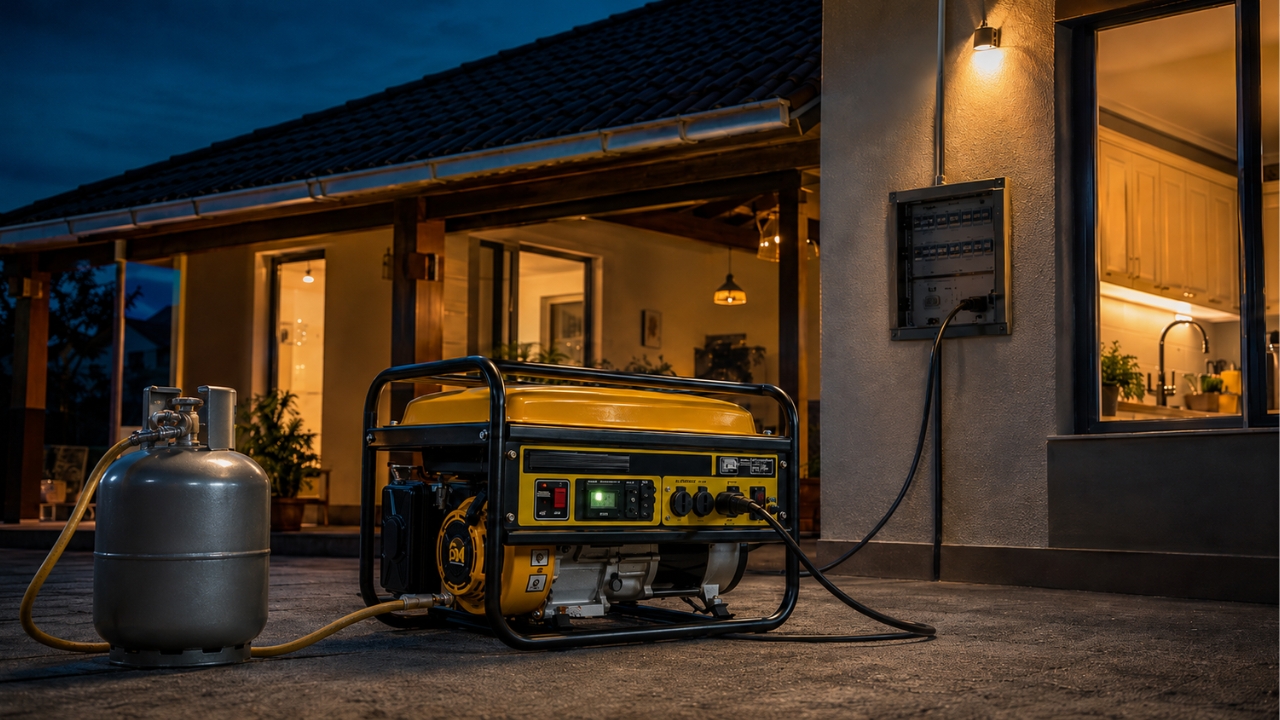


Axia takes three lots and Alupar gets the largest of the round

The big winner of the second stage was Axia Energia Sul, which won lots 8, 9, and 10. Lot 8 was contracted with RAP of R$ 10.836 million and a discount of 59.04%. In lot 9, the offer was R$ 16.213 million, with a discount of 57.24%. Lot 10 had RAP of R$ 23.7 million and a discount of 51.84%.
Lot 7, the largest among those offered in this phase, went to Consórcio Olympus XX, from Alupar, with RAP of R$ 96.72 million and a discount of 52%. This lot includes assets in São Paulo and concentrates a significant part of the round’s dispute.
In total, the combined RAP of the second stage reached R$ 147.469 million, compared to a maximum RAP of R$ 315.186 million. The average discount of 53.21% shows strong competition for the assets put on the table.
The contracted assets include lines, substations, and reinforcements in SP, MS, and MT
The lots auctioned in this second session include interventions in São Paulo, Mato Grosso do Sul, and Mato Grosso. Among the items are underground lines, new substations, and transmission sections at 230 kV and 500 kV, as well as structures aimed at increasing transformation capacity in areas where the network is already under pressure.
In lot 7, in São Paulo, the 345 kV Norte-São Miguel and São Miguel-Ramon underground lines are included, along with the 345/88 kV São Miguel substation. Lot 8 includes the 230/138 kV Iguatemi 2 substation and line sections between the new substation and the LT Guaíra-Dourados C1, in Mato Grosso do Sul.
Lot 9 includes the 230/88 kV Dom Pedro I substation and sections connected to the São José dos Campos-Mogi das Cruzes and Mairiporã-Jaguari lines. Lot 10 includes the 500/138 kV Cuiabá Norte substation and 500 kV LT sections between the new substation and the LT Jauru-Cuiabá C2, in Mato Grosso.
Division into two sessions only occurred after TCU approval
The transmission auction was designed in two stages in the actual notice. The first session took place on March 27, when lots 1 to 5 were contracted, with R$ 3.354 billion in investments and an average discount of 50.69%. The second was only scheduled after the approval of the Federal Court of Accounts, which allowed the permanent auction commission to open the bidding this Friday.
The division happened because of lots 7 to 10, linked to MEZ assets. Before the authorization, Aneel’s assessment was that these structures could not be auctioned along with the other assets without a decision on the agreement related to the company, as the installations were still formally linked to the original concessionaires.
With the auction closed, the electrical system gains predictability to carry out the reinforcements that need to be implemented. For the sector, the result is not just a discount figure: it is the foundation for expanding the network where energy already exists but still faces barriers to reach where it is needed. If you follow the electrical sector, it’s worth keeping an eye on the next steps of the winning concessionaires.