





 Portuguese
  English
  Spanish
  3 min of reading
  0 comments


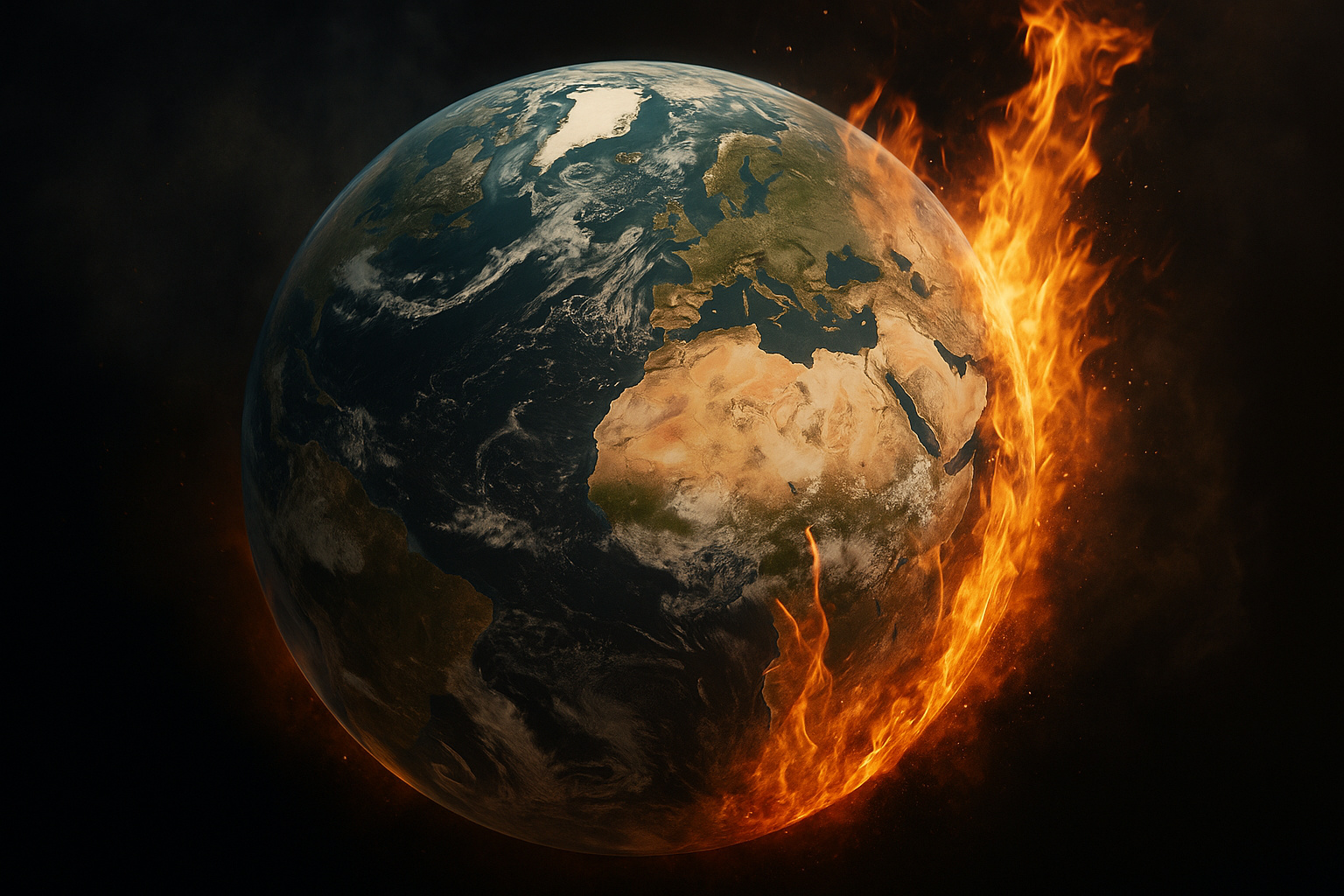
UN Confirms Advancement of Global Warming and Warns of Growing Risks
The planet is on the verge of exceeding the critical limit of 1.5°C of global warming, according to a report released on November 4, 2025 by the United Nations Environment Program (UNEP).
The document reinforces that, despite the promises made in the Paris Agreement of 2015, the slow pace of emission reductions puts the world on a dangerous trajectory.
This scenario results in increasingly severe climate impacts, which could directly affect millions of people and ecosystems worldwide.
-
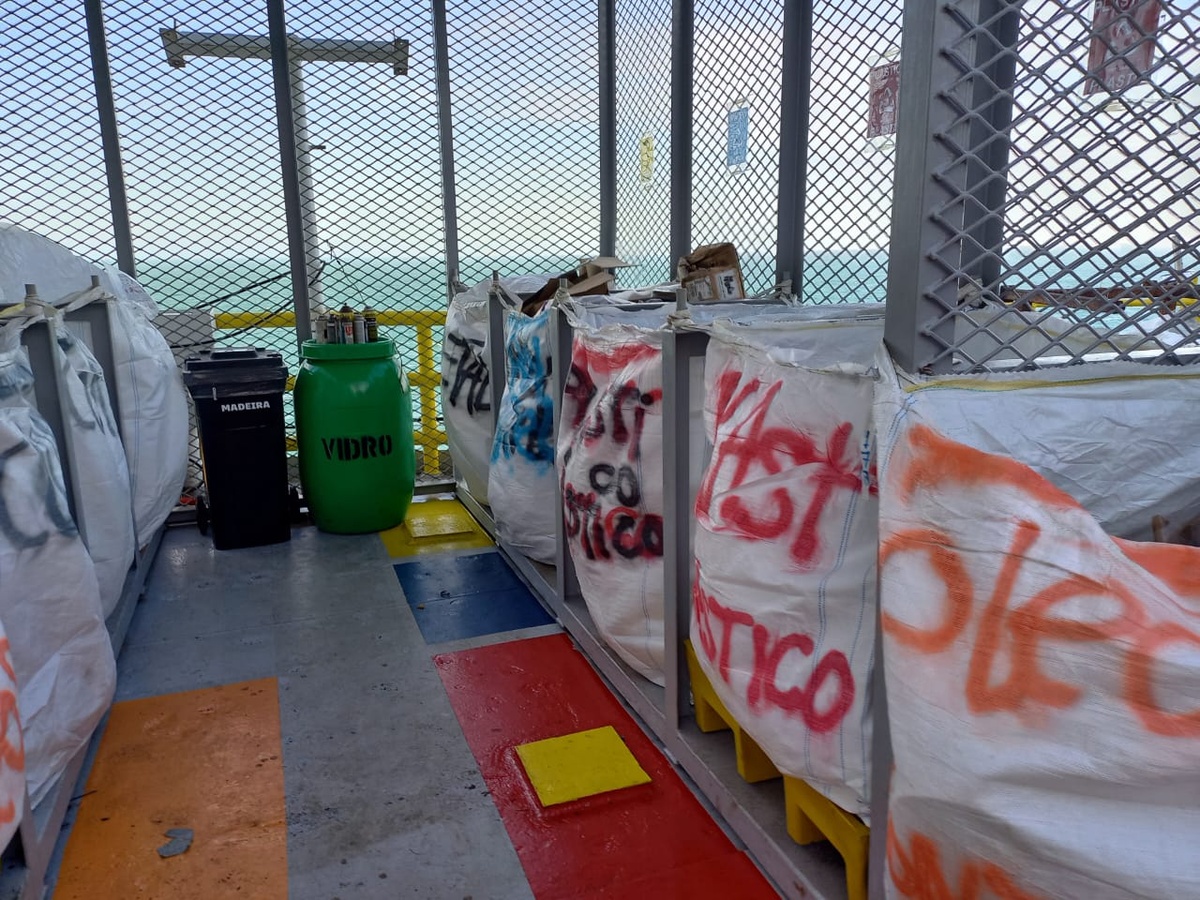
Foresea achieves 100% offshore waste reuse in 2025, eliminates landfill disposal, and consolidates sustainable strategy with 1,500 tons recycled.
-
With earth, bamboo, straw, and lime mortar, a specialist builds a house for just over $460 and draws attention for its cost being much lower than traditional construction.

-
Rodrigo de Freitas Lagoon advances in environmental recovery with sanitation, elimination of irregular sewage, and the resumption of water sports in Rio de Janeiro.

-
Sustainable housing gains strength with a nationally awarded project in Campo Grande, highlighting innovative solutions that combine sustainability, urban integration, and efficiency in the use of natural resources.


Insufficient Action and Advancement of Warming
According to the “Emissions Gap 2025” report, global climate action is falling short of what is necessary.
This indicates that the planet is likely to temporarily exceed the limit of 1.5°C in the next decade, raising concerns among scientists and environmental authorities.
This exceedance, according to UNEP, will be difficult to reverse, requiring faster and more intense reductions in greenhouse gas emissions.
The lead author of the study, Anne Olhoff, emphasized that “deep cuts in emissions may slow the rise in temperature, but will not prevent it completely”.
She also stated that the lack of urgency from the largest emitting countries, especially in the last two decades, has increased the risk of climate collapse.
Paris Agreement Targets Under Pressure
The Paris Agreement, signed in 2015, established that countries should limit the increase of global average temperature to 2°C, with the ideal goal of 1.5°C.
However, UNEP states that, even if current commitments are fully met, the planet will still face warming of 2.3°C to 2.5°C by the end of the century.
Although this forecast is 0.3°C lower than that of 2024, it still represents an alarming scenario.
This shows that new mitigation plans have not been sufficient to close the climate gap.
China, the world’s largest CO₂ emitter, has pledged to reduce its emissions by 7% to 10% by 2035.
However, experts consider these targets modest in light of the severity of the global environmental crisis.
COP30 and the Need for Quick Responses
On the eve of COP30, which will take place in November 2025 in Belém (PA), the new report increases pressure on governments.
Authorities need to fund and implement immediate actions against global warming and accelerate decarbonization policies.
The climate targets of Paris were established based on solid scientific studies.
These studies link rising temperatures to more intense heatwaves, prolonged droughts, and devastating wildfires.
According to UNEP, 2°C of warming would expose more than double the global population to heat extremes compared to the 1.5°C scenario.
Moreover, at least 70% of coral reefs would disappear at this level, against 99% with a 2°C increase.
Emissions Continue to Rise and Put Targets at Risk
Despite sporadic advancements since the signing of the agreement, CO₂ emissions continue to grow.
They are driven by the burning of coal, oil, and gas, used to sustain the economies of major powers.
According to UNEP data, global emissions increased by 2.3% in 2024, reaching 57.7 gigatons of CO₂ equivalent.
This figure represents a historic record and reinforces the mismatch between climate commitments and effective actions.
Ten years ago, when the Paris Agreement was signed, the planet was on track for a 4°C increase by the end of the century.
Since then, there has been some progress, but it is still insufficient to address the climate emergency.
Global Challenge to Limit Warming
In summary, UNEP’s 2025 report makes it clear that the world is failing to fulfill its most important climate promise.
Without immediate and coordinated actions, the 1.5°C target will become not only unattainable but irreversible.
Thus, global leaders at COP30 will face one of the greatest challenges in history.
They will need to balance economic growth and planetary preservation, ensuring a safe future for generations to come.






Seja o primeiro a reagir!