





 Portuguese
  English
  Spanish
  5 min of reading
  0 comments



Among Sedans, SUVs, and Electric Cars, Some Models Are Recurrent in the Daily Life of Uber and Taxi Due to Predictable Costs, Internal Space, and Accessible Maintenance, While Recharging and the Trunk Influence Choices and the Experience of Those Driving and Traveling.
Those who request an Uber or enter a taxi in Brazil in 2026 are likely to frequently encounter a similar set of models.
The choice usually follows practical work criteria: reliability, predictable cost, fuel efficiency suitable for long journeys, and space for passengers and luggage.
As the vehicle is a source of income, drivers generally also consider ease of maintenance, availability of parts, and service network.
-
The car stored for 38 years: when opening the barn door, what appears is breathtaking and looks like a scene from a movie!

-
Fiat works miracles in the Brazilian market, lowers the price of its 0 km hatch to R$ 69,990, reestablishes the model as the cheapest car in the country, and reignites the battle against Kwid and C3.
-
Chevette with cooking gas: How the gas cylinder ends up being used in cars clandestinely and why this makeshift solution can result in leaks, explosions, damaged engines, and seized vehicles.

-
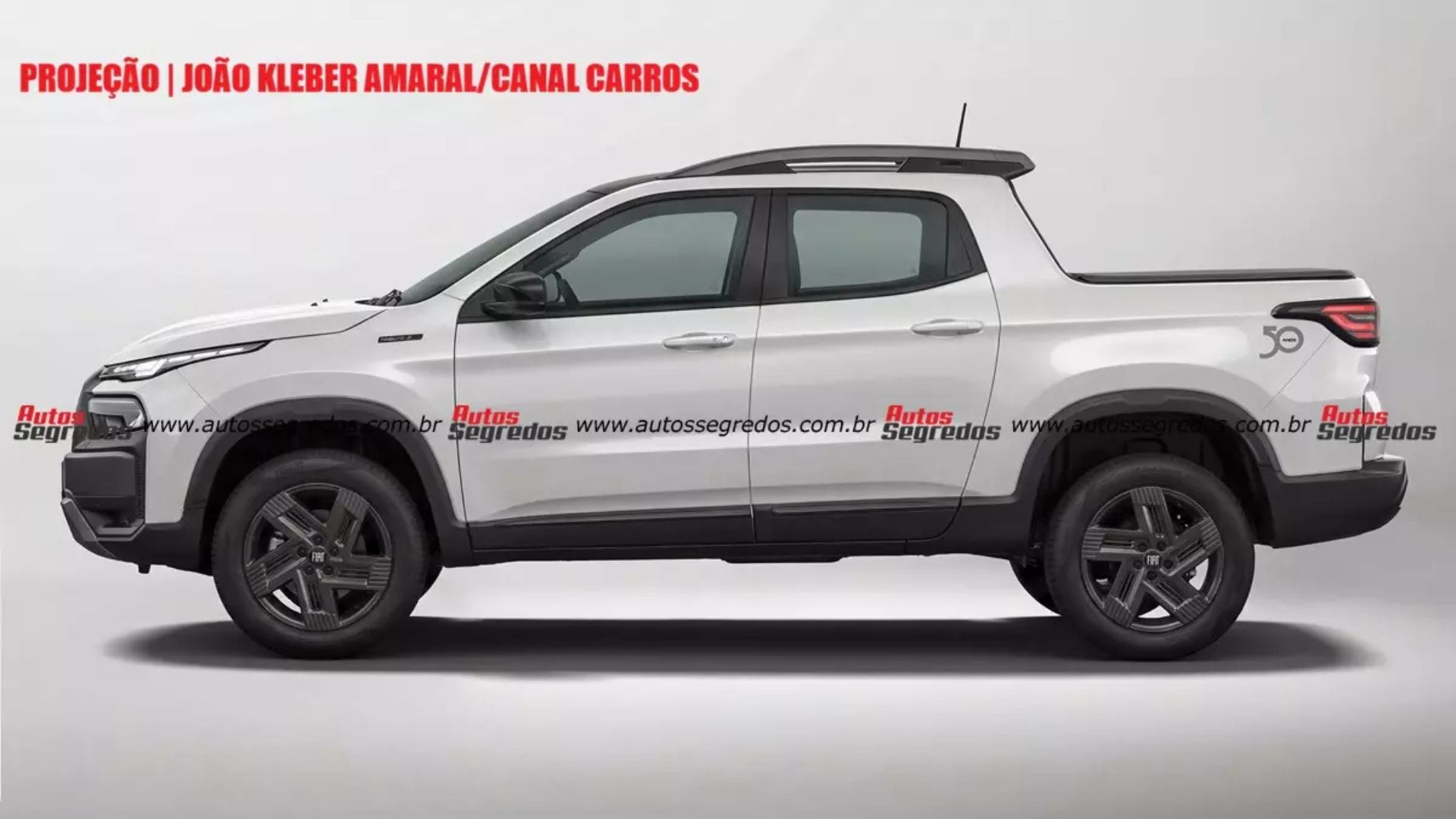
Fiat launches the new 2027 Toro hybrid with 48V, 176 hp, an electric motor of 15.5 hp, a 0.85 kWh battery, up to 7% fuel savings, 8% fewer emissions, and possible exemption from IPVA.

Therefore, compact sedans remain popular due to their trunk space, while entry-level SUVs are common because of their higher driving position.
At the same time, electric vehicles have started to appear more frequently, especially when recharging fits into the driver’s routine and operating time.
The list of five models presented below was prepared by the portal AutoMaisTV.
Nissan Versa, Kait, and Kicks Play: Internal Space and Maintenance in the Routine
Among the sedans chosen for transporting passengers, the Nissan Versa frequently appears for combining spacious cabin and large trunk.

In manufacturer materials, the model is advertised with a 482-liter trunk capacity, a number that may vary according to the version and measurement method.
In addition to space, the preference for this set usually relies on an operational factor: the 1.6-liter naturally aspirated engine with 113 hp is a package already known in the Brazilian market.
In practice, this tends to facilitate access to maintenance and specialized services, a point noted by vehicle evaluations and workshops that deal with high-circulation models.
In the compact SUVs segment, Nissan also has a presence in driver fleets for similar reasons.
The Kicks Play and Kait are mentioned by those seeking a higher driving position and better visibility, a characteristic highlighted by drivers as an advantage in intense urban use.
In the case of the Kait, the technical sheet released by the brand indicates a 1.6-liter engine with 113 hp and a 432-liter trunk.
BYD Dolphin and Dolphin Mini: Electric Cars and Cost per Kilometer
The presence of electric vehicles in apps has become common and is now part of the landscape in several capitals.
In this movement, BYD Dolphin and Dolphin Mini have gained traction due to an operational cost logic: with access to recharging, the cost per kilometer can be lower than that of combustion vehicles, according to recurring analyses from the automotive sector.

Nevertheless, viability depends on the available infrastructure and the downtime for recharging, factors that vary by city and work routine.
This is why adoption tends to be higher among drivers who can plan recharges at home, at nearby points, or during off-peak hours.
In the case of the Dolphin Mini, specialized publications describe the model as oriented towards urban use.
The trunk capacity is typically noted as 230 liters, which can limit rides with heavy luggage, especially on trips to airports or intercity journeys.
With the expansion of use, there is also an observable effect of associating these models with app-based transportation, a topic mentioned in market discussions and user reports.
This aspect, however, does not change the vehicle’s technical criteria; the impact is more on the public’s perception than on the car’s operation.
Chevrolet Onix Plus: Compact Sedan and Trunk in Highlights
In Chevrolet’s recent history, sedans with good luggage volume have played a significant role in professional transportation.
For years, the Cobalt was associated with this use due to its 563-liter trunk, a number cited in tests and technical sheets of the time.
With the reorganization of the line, the Onix Plus has consolidated as one of the most common compact sedans on the streets.

The model tends to be included by those seeking a wide service network, affordable maintenance within the segment, and adequate fuel consumption for those who drive daily.
Regarding the trunk, there is an important consideration: some sources indicate different capacities for the same car.
Chevrolet’s official communication presents the Onix Plus with 500 liters, while evaluations from specialized press note lower values, such as 469 liters, depending on the measurement standard adopted.
This variation is discussed in the sector as a consequence of differing methodologies for calculating volume, which can lead to distinct numbers in factory materials and independent tests.
For those working, the central point tends to be practical use: sedans continue to be chosen when the routine often includes luggage and volume, without the need for folding seats or makeshift arrangements inside the car.
Fiat Argo and Cronos: Frequent Options in Apps and Taxis
Among hatchbacks, the Fiat Argo appears among the models used in apps for reasons related to daily operations: high market presence, wide range of versions, and known maintenance in the segment.

Records of the model’s launch indicate that it was positioned to fill a space previously shared by other compacts from the brand.
As a hatch, the Argo does not compete with sedans in luggage volume.
Even so, specialized evaluations often indicate a trunk size around 300 liters, a measure that tends to meet urban displacements and short and medium-distance rides, with limitations in cases of larger luggage.
When the criterion is trunk space, the Cronos appears as a direct alternative.
Fiat advertises a 525-liter capacity, a high level in the category and often cited as a differential for use with passengers and luggage.
This feature helps explain why the Cronos remains in professional use even when it does not lead retail sales.
In technical sheet comparisons, the Cronos’s trunk volume often exceeds that of mid-sized sedans in declared capacity.
The Toyota Corolla, for example, appears in evaluations and market data with 470 liters, which puts the Fiat ahead in this specific item, without implying superiority in other vehicle criteria.
Hyundai HB20: Urban Use, Resale, and Presence on Platforms
The Hyundai HB20 maintains a presence on platforms and in transport services due to its combination of high circulation, market acceptance, and characteristics aimed at urban use.

The model was launched in Brazil in 2012 and has since remained among the most commonly seen names on the streets, according to historical registration data and continuous industry coverage.
Throughout generations, the HB20 has undergone design changes that have been subject to debate in the automotive market.
Nevertheless, reports from drivers and analyses from specialized publications indicate that the car continues to be chosen for factors related to daily life: adequate external size for traffic and parking, wide availability of parts, and resale ease in some regions.
In practice, hatchbacks like the HB20 tend to be selected by those prioritizing agility in urban centers and operation with controlled cost.
On the other hand, in trunk space and luggage accommodation, the comparison tends to favor sedans like Versa, Cronos, and Onix Plus, especially in rides with suitcases.







-

2 pessoas reagiram a isso.