





 Portuguese
  English
  Spanish
  4 min of reading
  0 comments


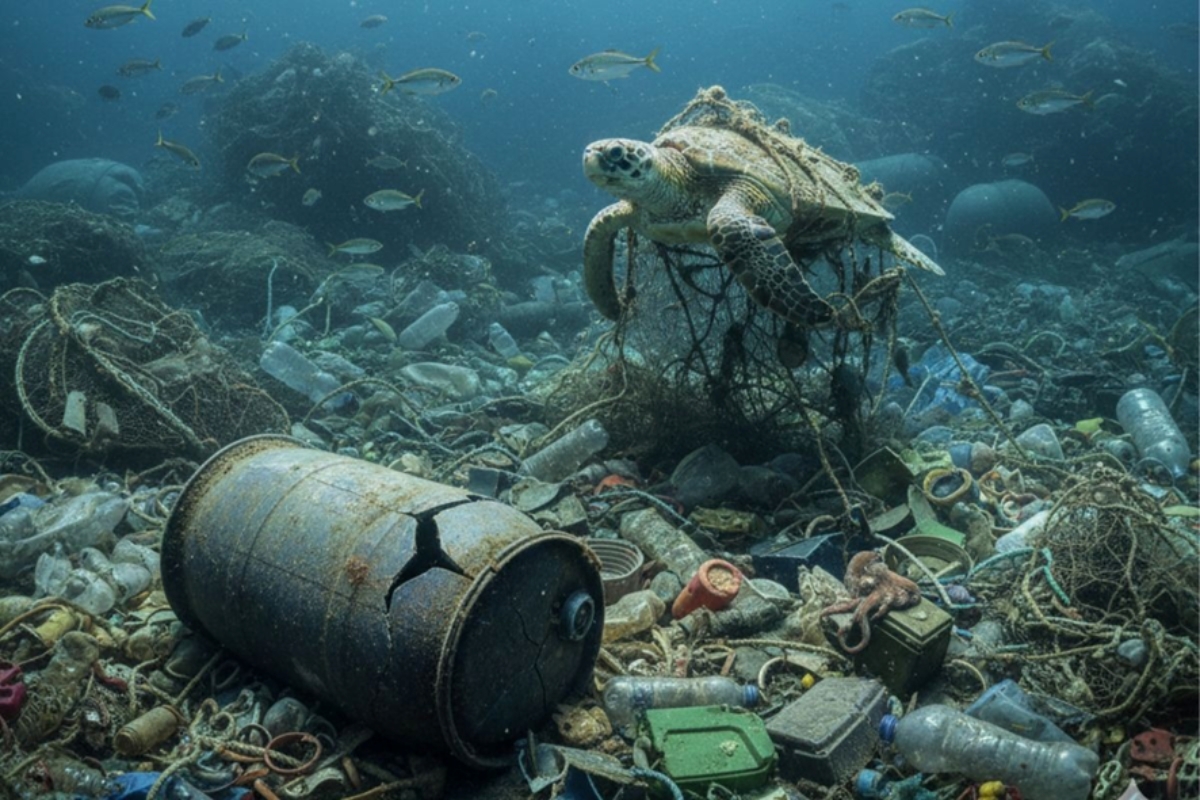
Since 2015, Research Has Advanced Showing How Much This Product Has Created Problems for the Environment, Especially on the Seafloor
A video recorded by researchers during a scientific expedition in 2015 shocked the world by showing the suffering of a sea turtle as a plastic straw was removed from its nostril. The images quickly went viral and turned the object into a symbol of ocean pollution, raising concerns about microplastics.
Since then, restaurants have started to abolish the accessory, Brazilian municipalities have enacted its prohibition, and the debate over the impact of plastic has gained traction in daily life. However, nearly ten years later, experts warn: the straw is just the tip of a much larger and more silent problem.
Microplastics Have Become a Real Threat to Nature
-
The parts crisis may bring back the drop notch and microSD in 2026; while Windows 11 promises to become lighter, leaks mention batteries of up to 10,000 mAh and 200 MP cameras.

-
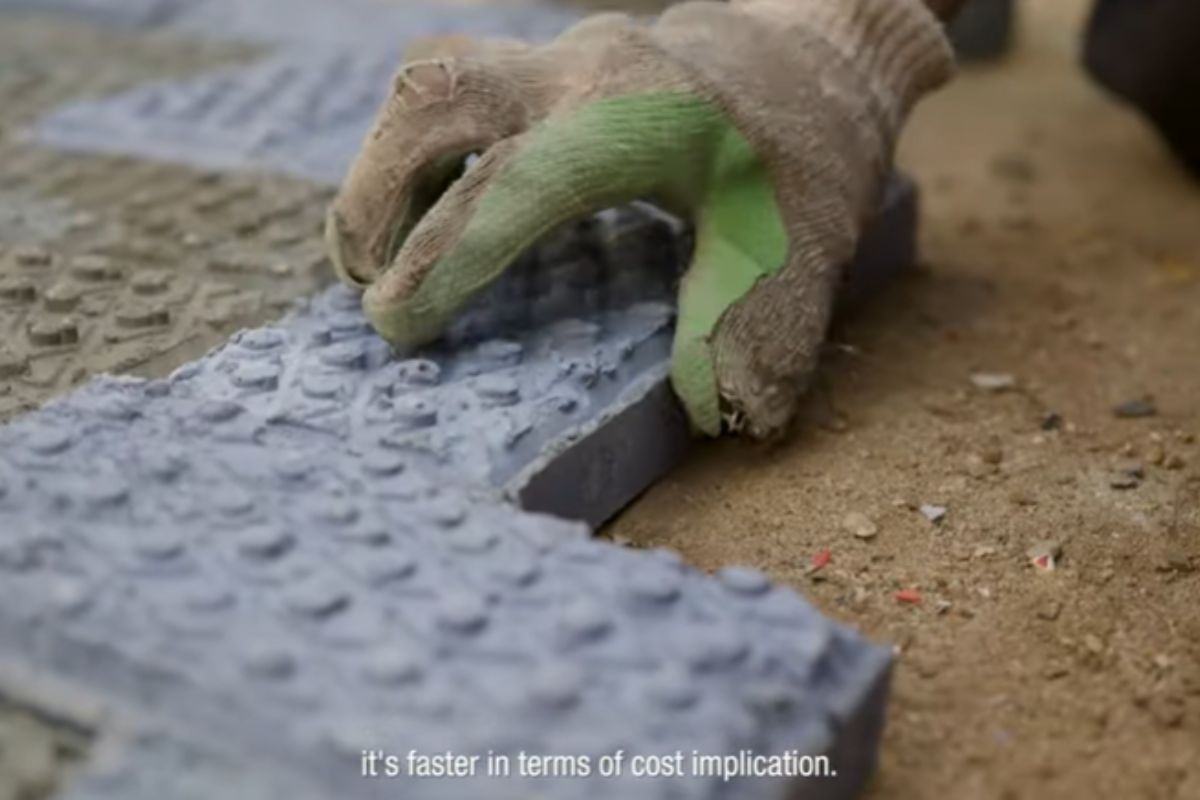
In Kenya, engineer Nzambi Matee created “bricks 2.0” using packaging plastic: a mixture with sand, heated and pressed; they are 5 times more resistant, already have official licensing, and are being used in streets and construction projects.
-
More than 20,000 positions could be opened, and thousands of technicians are starting to be trained in Brazil, as the expansion of data centers creates an urgent race for professionals to keep the internet, cloud, and artificial intelligence running 24 hours a day.

-
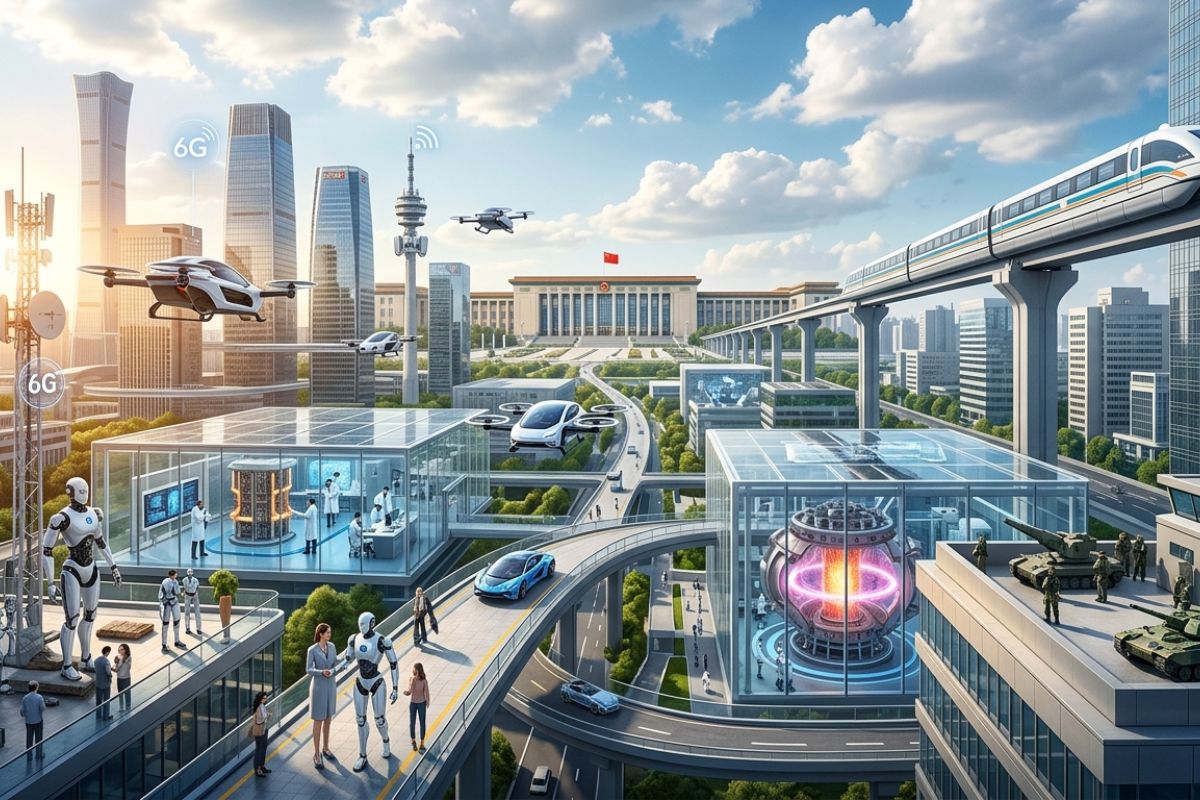
China approves the 15th Five-Year Plan 2026-2030 to become a global power: prioritizes brain implants, 6G with AI, humanoid robots, flying cars, quantum technology, and nuclear fusion, while strengthening defense and the economy.


In addition to the so-called macroplastics—packaging, bags, bottles, and utensils visible to the naked eye—the planet faces a less perceptible and potentially more severe threat: microplastics. These particles are up to five millimeters in size and are present in rivers, seas, soils, and even in the air we breathe.
According to the International Union for Conservation of Nature (IUCN), around 28.3% of the microplastics found in the oceans come from an unexpected source: fragments released by the wear of tires as vehicles drive through cities.
Other significant sources of contamination include synthetic textile fibers, responsible for about 35% of marine microplastics. Fabrics like polyester and polyamide release millions of microscopic particles with each household wash. Urban dust accounts for approximately 24% of this material, highlighting that plastic pollution is not restricted solely to improper waste disposal.
This growing presence has caught the attention of the scientific community. Recent research has identified microplastics in various organs of the human body, raising unsettling questions about the effects of these particles on health. “It is a complex and concerning scenario,” says Rossana Soletti, a professor at the Federal University of Rio Grande do Sul (UFRGS). “Today, we can detect microplastics practically throughout the organism. The big challenge is to understand what impacts this may have in the long term,” she explains.
More Plastics Than Fish by 2050
Global numbers reinforce the scale of the problem. In 2016, the World Economic Forum estimated that by 2050, the oceans could contain more plastic than fish by weight. More recent data from UNEP (United Nations Environment Programme) indicates that up to 199 million tons of plastic may already be spread across the seas. Since these materials take 400 to 600 years to decompose, each discarded item tends to break into thousands of microscopic particles.
An Australian study estimated that, by 2019, over 170 trillion plastic particles were floating in the oceans. Nevertheless, this volume is less than expected when considering the amount of plastic produced globally. This apparent disappearance intrigued researchers and gave rise to the so-called “disappearing plastic paradox.”
According to biologist and geoscientist Marcelo Soares from UFC (Federal University of Ceará), the most accepted explanation is that much of this material is accumulating on the ocean floor or being incorporated into the marine food chain.
Recent studies indicate that around 14 million tons of plastic are already deposited on the ocean floor. Furthermore, research conducted along the Brazilian coast shows that tourist areas and regions near urban centers contain the highest levels of pollution.
Other Organisms Affected
In addition to the visual and environmental impact, microplastics directly affect organisms such as mollusks and crustaceans, which ingest these particles by confusing them with food.
From this point, the path to humans is almost inevitable. Fish consume microplastics, plants absorb particles present in the soil, and at the end of the food chain, these substances reach people’s plates. According to biologist Danila Soares Caixeta from UFMT (Federal University of Mato Grosso), in an interview with the news portal Uol, the problem is aggravated by the limitations of wastewater treatment plants, which cannot filter these microscopic particles.
Thus, the effects on human health are still not fully understood. Studies have already identified microplastics in the brain, lungs, heart, and even in the placenta. Furthermore, preliminary research suggests possible associations with cardiovascular and neurodegenerative diseases, but scientists emphasize that years of investigation are still needed to establish causal relationships.
Another concerning factor is the ability of microplastics to transport contaminants. Heavy metals, persistent organic pollutants, and chemical additives used in the production of plastics can adhere to the particles and be released into the body.
In light of this scenario, experts agree that reducing plastic consumption is urgent. Although alternatives such as recycling and biodegradable materials are advancing, they still face limitations. Less than 10% of the plastic produced worldwide is recycled, and not all materials labeled as biodegradable decompose properly in the natural environment.
For researchers, addressing the problem of microplastics requires structural changes, effective public policies, and a profound review of consumption habits. Ultimately, the debate that started with a simple straw today reveals a global challenge that involves health, the environment, and the future of the next generations.









Seja o primeiro a reagir!