





 Portuguese
  English
  Spanish
  2 min of reading
  0 comments


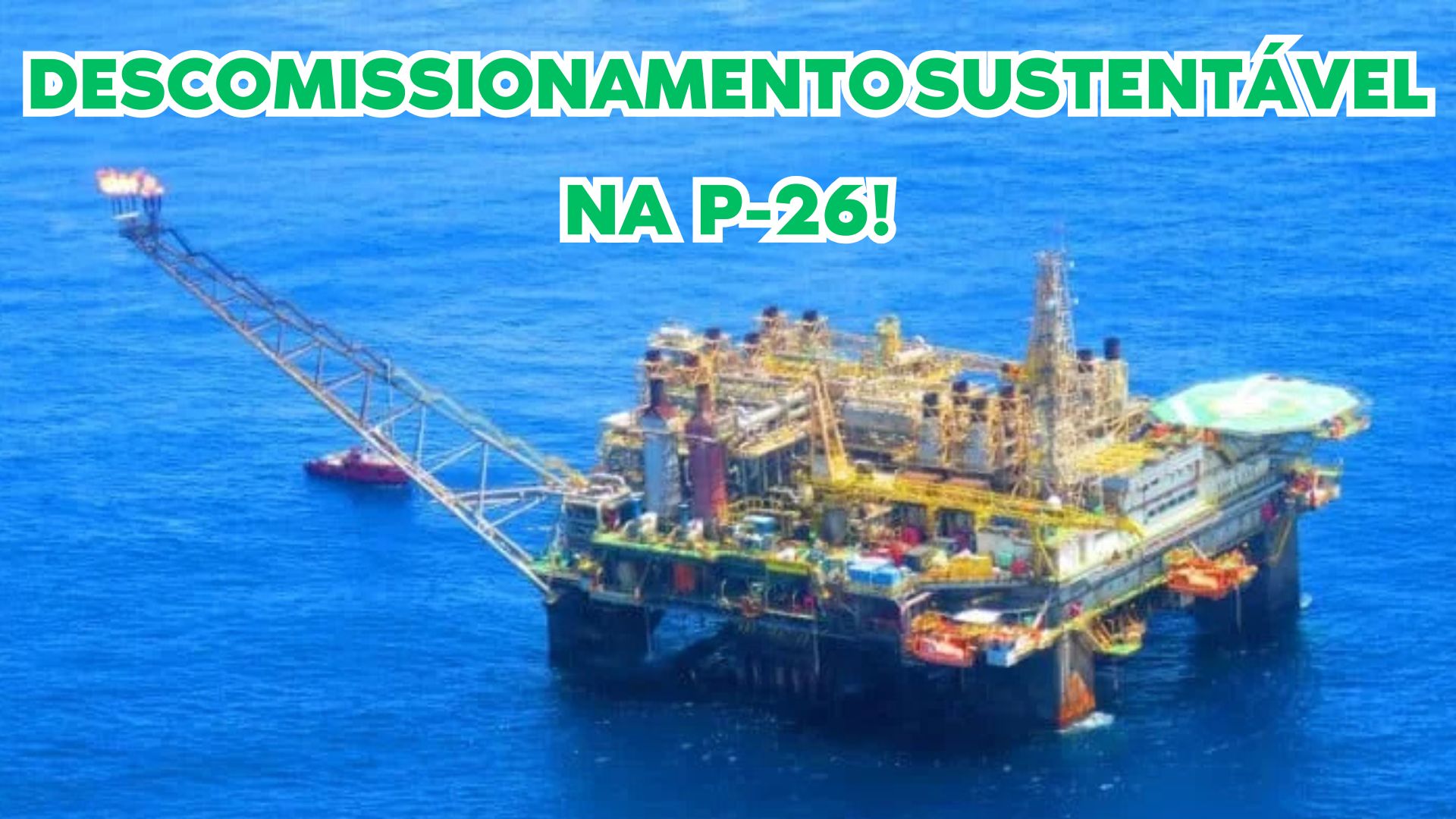
The Arrival That Marks A New Era For The Offshore Sector In Brazil
This month, the P-26 arrived at the Porto do Açu, marking a new chapter in sustainable decommissioning in Brazil. Furthermore, the movement highlights the port’s commitment to innovative and environmentally responsible practices.
Why The Arrival Of The P-26 At The Porto Do Açu Is So Important?
The arrival of the P-26 symbolizes a milestone because the contract with Petrobras involves safe berthing, hull cleaning, and waste management. Thus, Porto do Açu establishes itself as a reference in sustainability, aligned with global standards.
The P-26: A Story Of Relevance In The Oil And Gas Sector
Since 1998, the P-26 has played a crucial role in the Marlim field. For over 20 years, it processed 100 thousand barrels of oil per day and 3 million cubic meters of natural gas, until it ceased operations in 2020.
-
Petrobras evaluates suspension of sales to distributors and considers canceling the cooking gas auction following guidelines from the Federal Government.

-
Lula reveals a masterstroke by Petrobras to undo a deal made by Bolsonaro, which involves the return of an important refinery that currently produces less than half of what was expected and makes Brazil dependent on international diesel.
-
A study confirms that the natural gas sector will reduce greenhouse gas emissions in Brazil by 0.5% and accelerate the energy transition by 2026.

-
Petrobras implements a severe adjustment and confirms a 55% increase in the price of aviation kerosene with a proposal for installment payments for the companies.


Porto Do Açu: A Center For Sustainable Decommissioning
Porto do Açu positions itself as Brazil’s first sustainable hub, with infrastructure to accommodate up to three platforms. Additionally, it applies ESG practices and offers planning flexibility, consolidating its leadership in the sector.
Sustainability In Decommissioning: Why Is It So Important?
Sustainable decommissioning prevents environmental damage, recycles materials, and follows international standards. Thus, Porto do Açu adopts a circular economy to minimize waste and maximize resources.
The P-26 And The Future Of The Porto Do Açu
With the arrival of the P-26, Porto do Açu reinforces its leadership in decommissioning. Services such as hull cleaning and technical repairs follow global standards, balancing economic progress and environmental preservation.
Positive Impacts: Economic And Environmental
Sustainable decommissioning creates jobs, strengthens local industries, and attracts investment. Furthermore, it reduces waste and protects biodiversity, establishing Brazil as a benchmark in responsible practices.
Decommissioning As A Trend In The Offshore Sector
This transformation in the offshore sector demonstrates how sustainable practices are essential. As such, Porto do Açu leads the use of advanced technologies and the expansion of specialized hubs, promoting green recycling.









Seja o primeiro a reagir!